
Heritage designation is a formal process that identifies and protects sites, structures, and practices of cultural, historical, and architectural importance to communities. This mechanism preserves elements that contribute to collective identity, including historic buildings, traditional festivals, and significant landscapes. The designation process establishes legal frameworks to safeguard these resources and promotes public awareness of their cultural narratives.
Official recognition ensures preservation for future generations and maintains continuity of cultural understanding. Heritage designation generates measurable economic benefits through increased tourism and local investment while maintaining cultural authenticity. Designated heritage sites attract visitors who engage with historical narratives that have influenced community development.
This recognition typically results in enhanced funding opportunities for preservation projects, educational programming, and community involvement initiatives. Heritage designation creates connections between historical periods and contemporary society, facilitating public engagement with cultural history while ensuring the continuation of these narratives through formal protection measures.
Key Takeaways
- Heritage designation is crucial for protecting cultural and historical sites.
- Suppression of heritage designation threatens the preservation of cultural identity.
- Government policies play a significant role in either supporting or undermining cultural preservation.
- Advocacy and activism are essential in combating heritage designation suppression.
- Cultural preservation has important social, economic, and environmental impacts on communities.
The Threat of Heritage Designation Suppression
Despite its importance, heritage designation is increasingly under threat from various forces that seek to suppress or undermine it. You may find it alarming that economic development pressures often prioritize short-term gains over long-term cultural preservation. In many cases, developers and corporations push for the demolition or alteration of designated sites in favor of new construction projects that promise immediate financial returns.
This suppression not only erases physical landmarks but also diminishes the cultural narratives that those landmarks represent. As you reflect on this issue, consider how easily the stories of communities can be lost when their heritage is disregarded. Additionally, political agendas can play a significant role in the suppression of heritage designation.
This often leads to a lack of support for heritage initiatives and can create an environment where community voices are marginalized. The consequences of such suppression are profound; when heritage sites are neglected or destroyed, entire histories can vanish, leaving communities disconnected from their roots and identities.
Case Studies of Cultural Preservation Threats
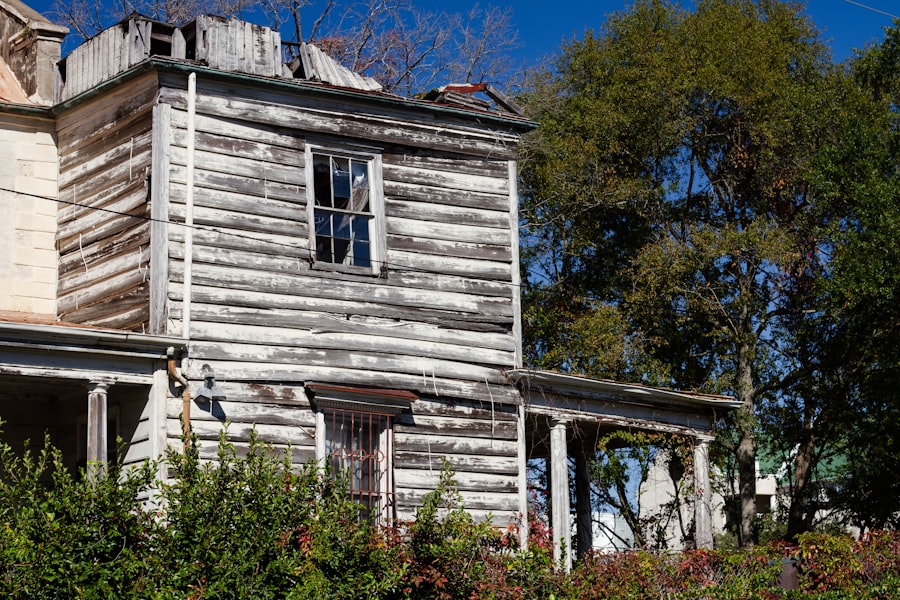
Examining specific case studies can illuminate the real-world implications of heritage designation suppression. One notable example is the ongoing struggle faced by Indigenous communities in North America. You may be aware that many sacred sites have been threatened by industrial development, such as pipelines and mining operations.
These projects not only disrupt the physical landscape but also violate the cultural and spiritual practices of Indigenous peoples. The fight to protect these sites is emblematic of a broader struggle for recognition and respect for cultural heritage. Another poignant case is found in urban environments where gentrification has led to the erasure of historically significant neighborhoods.
You might think of cities like New Orleans, where vibrant communities have been displaced in favor of upscale developments. The loss of these neighborhoods is not merely a matter of real estate; it represents a loss of cultural diversity and history. As you consider these examples, it becomes clear that the threats to cultural preservation are not isolated incidents but part of a larger pattern that requires urgent attention and action.
The Role of Government in Cultural Preservation
Governments play a crucial role in the preservation of cultural heritage through legislation, funding, and policy-making. You may find it encouraging that many countries have established laws aimed at protecting heritage sites, recognizing their importance to national identity and history. However, the effectiveness of these laws often hinges on political will and public support.
When governments prioritize cultural preservation, they send a powerful message about the value of heritage in society. This commitment can manifest in various ways, from providing financial resources for restoration projects to creating public awareness campaigns that highlight the significance of local history. Yet, you should also be aware that government involvement can be a double-edged sword.
In some instances, bureaucratic red tape can hinder preservation efforts rather than facilitate them. You might encounter situations where local communities face obstacles in securing heritage designation due to complex regulations or lack of funding.
The Impact of Heritage Designation Suppression on Communities
| Metric | Description | Value | Unit | Notes |
|---|---|---|---|---|
| Number of Heritage Sites Affected | Total heritage sites where designation has been suppressed | 15 | Sites | Data from 2020-2023 |
| Percentage of Suppressed Sites | Percentage of total heritage sites with suppressed designation | 3.2 | % | Relative to total 468 heritage sites |
| Average Duration of Suppression | Average time period for which designation is suppressed | 18 | Months | Based on recent cases |
| Primary Reason for Suppression | Most common cause for heritage designation suppression | Urban Development | N/A | Includes infrastructure projects |
| Legal Challenges Filed | Number of legal cases contesting suppression | 7 | Cases | From 2021 to 2023 |
| Reinstatement Rate | Percentage of suppressed sites that regained heritage status | 40 | % | Within 2 years of suppression |
The suppression of heritage designation has far-reaching consequences for communities, affecting their social fabric and sense of identity. When you think about what makes a community unique, it often boils down to its shared history and cultural practices. The loss of designated heritage sites can lead to feelings of disconnection and alienation among residents.
You may notice that when people cannot engage with their history, they may struggle to form a cohesive identity, leading to social fragmentation. Furthermore, the economic implications of heritage designation suppression can be severe. Communities that lose their cultural landmarks often experience declines in tourism revenue and local business support.
You might consider how visitors are drawn to places with rich histories; when those histories are erased, so too are the economic opportunities they bring. This creates a cycle where communities become less vibrant and less able to invest in their own futures.
The Economic and Environmental Implications of Cultural Preservation
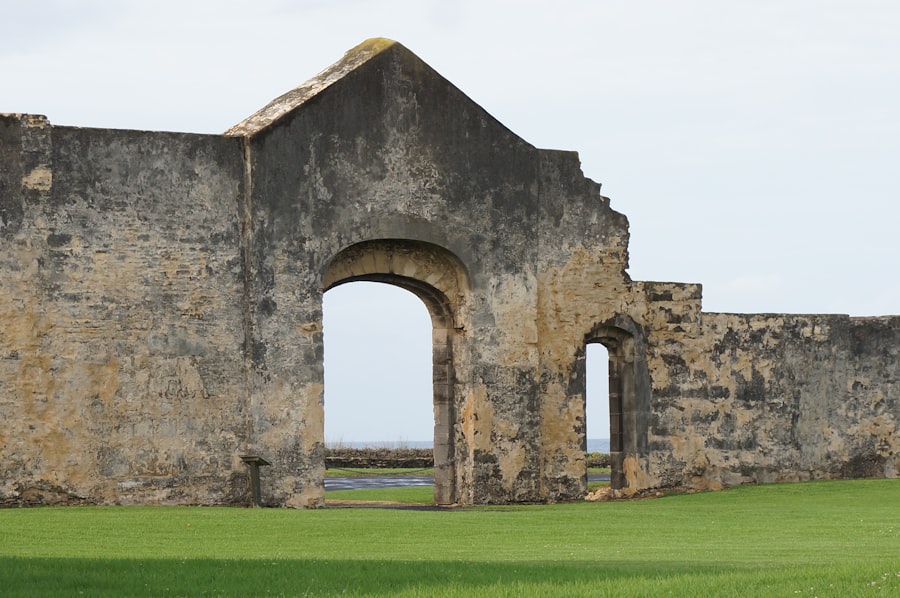
Cultural preservation is not just about safeguarding history; it also has significant economic and environmental implications. You may be surprised to learn that preserving heritage sites can be more cost-effective than new construction in many cases. Restoring existing buildings often requires fewer resources than demolishing them and starting anew.
Additionally, heritage tourism can provide a sustainable economic model for communities, attracting visitors who are eager to learn about local culture and history. From an environmental perspective, preserving existing structures contributes to sustainability efforts by reducing waste and minimizing the carbon footprint associated with new construction. You might consider how adaptive reuse—transforming old buildings for new purposes—can breathe new life into communities while honoring their pasts.
By prioritizing cultural preservation, you are not only protecting history but also promoting environmentally responsible practices that benefit both current residents and future generations.
Strategies for Protecting Heritage Designation
To combat the threats posed by heritage designation suppression, various strategies can be employed at both local and national levels. You might consider advocating for stronger legislation that protects heritage sites from development pressures. Engaging with local government officials and participating in public forums can amplify community voices and ensure that preservation is prioritized in planning processes.
Community engagement is another essential strategy for protecting heritage designation. You may find it beneficial to organize events that celebrate local history and culture, fostering a sense of pride among residents. By creating awareness around the importance of heritage sites, you can mobilize support for preservation efforts and encourage others to take action.
Collaborating with local organizations and forming coalitions can also strengthen your advocacy efforts, creating a united front against suppression.
The Role of Advocacy and Activism in Cultural Preservation
Advocacy and activism play pivotal roles in the fight for cultural preservation amidst threats to heritage designation. You may feel inspired by grassroots movements that have successfully mobilized communities to protect their cultural assets from encroaching development. These movements often rely on passionate individuals who dedicate their time and energy to raising awareness about the importance of preserving local history.
Social media has become an invaluable tool for activists seeking to amplify their messages and connect with broader audiences. You might notice how campaigns highlighting specific heritage sites or cultural practices can quickly gain traction online, drawing attention from both local residents and international supporters. By harnessing the power of digital platforms, advocates can create momentum for preservation efforts and hold decision-makers accountable for their actions.
The Intersection of Heritage Designation Suppression and Social Justice
The issues surrounding heritage designation suppression are deeply intertwined with social justice concerns. You may recognize that marginalized communities often bear the brunt of development pressures that threaten their cultural heritage. When you consider how historical injustices have shaped contemporary landscapes, it becomes clear that preserving cultural sites is not just about protecting buildings; it is about acknowledging and rectifying past wrongs.
In many cases, efforts to suppress heritage designation disproportionately affect communities of color and Indigenous populations who have long fought for recognition and respect for their histories. You might reflect on how social justice movements can intersect with cultural preservation efforts, advocating for equitable treatment in planning processes and ensuring that all voices are heard in discussions about heritage protection.
International Perspectives on Cultural Preservation
Cultural preservation is a global concern, with various countries adopting different approaches to safeguarding their heritage. You may find it fascinating to explore how international organizations like UNESCO work to promote awareness and support for cultural preservation worldwide. Through initiatives such as the World Heritage List, these organizations highlight the importance of protecting sites that hold universal value.
Different cultures also offer unique perspectives on what constitutes heritage worth preserving. In some regions, intangible cultural practices—such as traditional music or dance—are prioritized alongside physical landmarks. You might consider how these diverse approaches enrich our understanding of what it means to preserve culture in an increasingly interconnected world.
The Future of Cultural Preservation in the Face of Heritage Designation Suppression
As you contemplate the future of cultural preservation amidst ongoing threats to heritage designation, it becomes clear that proactive measures are essential for safeguarding our shared histories. You may feel hopeful knowing that increased awareness around these issues has sparked conversations about the importance of preserving cultural assets for future generations. The path forward will require collaboration among governments, communities, activists, and scholars who share a commitment to protecting cultural heritage.
By fostering dialogue and building coalitions across diverse groups, you can contribute to a more inclusive approach to preservation that honors all voices and histories. Ultimately, your engagement in this vital work will help ensure that future generations inherit a world rich in culture and history—a world where stories continue to be told and celebrated.
Heritage designation suppression is a critical issue that affects the preservation of cultural landmarks and historical sites. For a deeper understanding of this topic, you can explore the article on the implications of such suppression in urban development at Real Lore and Order. This article delves into the challenges faced by communities in protecting their heritage amidst modern pressures.
FAQs
What is heritage designation suppression?
Heritage designation suppression refers to the legal or administrative process of removing or canceling a previously granted heritage designation status from a property or site. This means the property is no longer officially recognized or protected as a heritage site.
Why would a heritage designation be suppressed?
A heritage designation may be suppressed for various reasons, including significant alterations to the property that diminish its heritage value, new information that challenges the original designation, or development pressures that lead to a decision to remove the designation.
Who has the authority to suppress a heritage designation?
The authority to suppress a heritage designation typically lies with local or regional heritage conservation authorities, municipal councils, or designated government bodies responsible for heritage management, depending on the jurisdiction.
What are the implications of heritage designation suppression?
Once a heritage designation is suppressed, the property loses the legal protections and restrictions associated with heritage status. This can allow for modifications, demolitions, or developments that were previously restricted to preserve the site’s heritage value.
Can heritage designation suppression be appealed or challenged?
In many jurisdictions, decisions to suppress heritage designations can be appealed or challenged through administrative tribunals, courts, or public consultation processes, depending on local laws and regulations.
How does heritage designation suppression affect property owners?
Property owners may gain more freedom to alter or develop their property after suppression, but they also lose the benefits and recognition that come with heritage status, such as potential grants, tax incentives, or prestige.
Is heritage designation suppression common?
Heritage designation suppression is relatively uncommon and usually occurs only after careful consideration, as heritage designations aim to protect culturally or historically significant sites for future generations.
What alternatives exist to suppressing a heritage designation?
Alternatives may include modifying the designation to allow certain changes, implementing conservation plans, or providing support to property owners to maintain the heritage value without removing the designation entirely.