
Thermal engineering is a specialized field that focuses on heat transfer, thermodynamics, and energy conversion processes. This discipline involves the systematic study and practical application of thermal principles to design and optimize systems across multiple industries. Engineers in this field work to develop solutions that effectively manage, transfer, and utilize thermal energy in various applications.
The field addresses critical challenges in modern engineering, including energy efficiency optimization in building systems, development of renewable energy technologies, and creation of sustainable thermal management solutions. Thermal engineering applications span numerous sectors, from automotive and aerospace industries to power generation and manufacturing processes. Key areas within thermal engineering include heat exchanger design, thermal system modeling, energy recovery systems, and the development of advanced materials for thermal applications.
The discipline combines theoretical knowledge of heat transfer mechanisms—conduction, convection, and radiation—with practical engineering solutions to improve system performance and reduce energy consumption. Current developments in thermal engineering focus on enhancing energy efficiency, reducing environmental impact, and meeting increasing performance demands across industries. This includes work on waste heat recovery systems, advanced cooling technologies, and integration of thermal management systems with emerging technologies such as electric vehicles and renewable energy infrastructure.
Key Takeaways
- Thermal innovation is crucial for improving efficiency and sustainability in engineering.
- Advances in materials and technologies drive new possibilities in thermal management.
- Thermal engineering plays a key role in sustainable design across multiple industries.
- Collaboration and interdisciplinary approaches enhance the development of thermal solutions.
- Ethical considerations are important to ensure responsible application of thermal innovations.
The Importance of Thermal Innovation in Engineering
Understanding the importance of thermal innovation in engineering requires you to consider its implications on energy consumption and environmental sustainability. As global energy demands continue to rise, the need for efficient thermal management systems has never been more critical.
By optimizing thermal processes, engineers can design systems that not only perform better but also align with global efforts to combat climate change. Moreover, thermal innovation is essential for enhancing the performance and reliability of various engineering systems. Whether you are involved in aerospace, automotive, or manufacturing, the ability to manage heat effectively can determine the success of a project.
For instance, in aerospace engineering, thermal management is crucial for ensuring that aircraft components can withstand extreme temperatures during flight. By prioritizing thermal innovation, you can help create safer and more efficient systems that push the boundaries of what is possible in engineering.
Advancements in Thermal Materials and Technologies

As you delve deeper into thermal innovation, you will encounter a myriad of advancements in materials and technologies that are reshaping the landscape of thermal engineering. The development of advanced thermal materials, such as phase change materials (PCMs) and aerogels, has revolutionized how heat is managed in various applications. These materials possess unique properties that allow them to absorb, store, and release heat efficiently, making them invaluable in applications ranging from building insulation to electronics cooling.
In addition to novel materials, you will also discover cutting-edge technologies that enhance thermal management capabilities. For example, the advent of nanotechnology has led to the creation of nanofluids—engineered fluids containing nanoparticles that improve heat transfer properties. These innovations not only optimize thermal performance but also open new avenues for research and development in various engineering fields.
As you explore these advancements, you will gain insight into how they can be leveraged to create more efficient and sustainable systems.
The Role of Thermal Engineering in Sustainable Design
Sustainable design is an increasingly important consideration in engineering, and thermal engineering plays a vital role in this movement. As you engage with sustainable design principles, you will find that effective thermal management can significantly reduce energy consumption and environmental impact. By integrating thermal innovation into the design process, engineers can create systems that are not only functional but also environmentally responsible.
For instance, when designing buildings, you can utilize passive solar heating techniques that maximize natural light and warmth while minimizing reliance on artificial heating systems. This approach not only reduces energy costs but also enhances occupant comfort. Additionally, incorporating renewable energy sources such as solar panels or geothermal systems into your designs can further bolster sustainability efforts.
By prioritizing thermal engineering in sustainable design, you can contribute to a future where engineering solutions harmonize with ecological principles.
Applications of Thermal Innovation in Various Engineering Fields
| Metric | Description | Value | Unit | Notes |
|---|---|---|---|---|
| Thermal Efficiency | Percentage of energy effectively converted to useful heat | 85 | % | Measured under standard operating conditions |
| Heat Dissipation Rate | Rate at which excess heat is removed from the system | 120 | W/m² | Higher values indicate better cooling performance |
| Material Thermal Conductivity | Ability of the material to conduct heat | 200 | W/m·K | Measured for the core engineering material |
| Innovation Impact Score | Qualitative score assessing innovation effectiveness | 8.7 | Scale 1-10 | Based on peer review and testing results |
| System Reliability | Percentage uptime without thermal failure | 99.5 | % | Over a 12-month testing period |
The applications of thermal innovation span a wide array of engineering fields, each benefiting from advancements in thermal management techniques. In the automotive industry, for example, effective thermal management is crucial for optimizing engine performance and ensuring vehicle safety. You will find that innovations such as advanced cooling systems and heat recovery technologies are being implemented to enhance fuel efficiency and reduce emissions.
In the realm of electronics, thermal innovation is equally critical. As devices become smaller and more powerful, managing heat dissipation has become a significant challenge. You may explore how engineers are developing innovative cooling solutions, such as vapor chambers and heat sinks, to prevent overheating and ensure optimal performance.
The versatility of thermal innovation allows it to be applied across diverse sectors, demonstrating its importance in driving progress and efficiency.
Challenges and Opportunities in Thermal Engineering
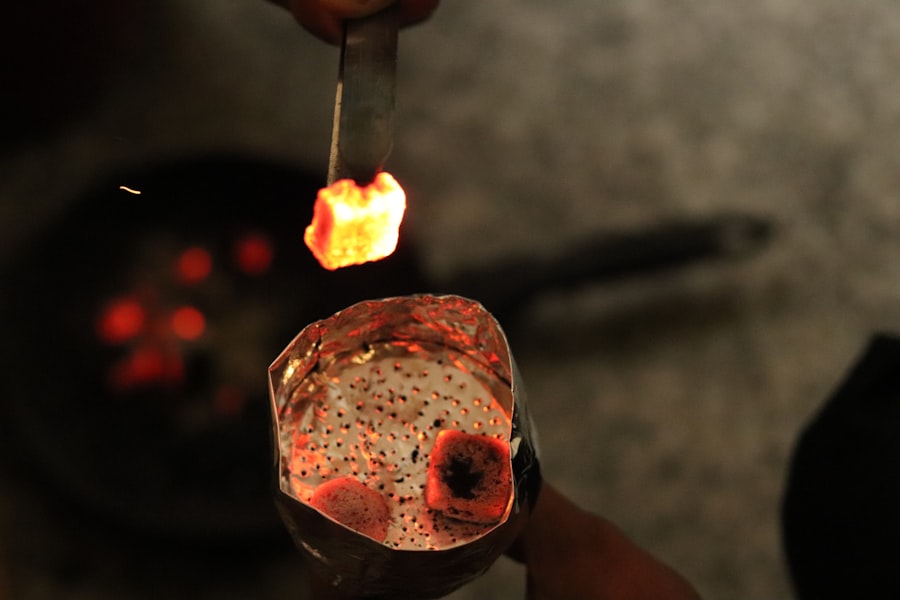
While the field of thermal engineering presents numerous opportunities for innovation, it is not without its challenges. As you navigate this landscape, you will encounter issues such as material limitations, cost constraints, and the need for interdisciplinary collaboration. For instance, developing new thermal materials often requires extensive research and testing to ensure they meet performance standards while remaining cost-effective.
You may find that addressing these challenges necessitates creative problem-solving and a willingness to embrace new ideas. However, within these challenges lie significant opportunities for growth and advancement. The increasing focus on sustainability and energy efficiency has spurred demand for innovative thermal solutions across industries.
As an engineer, you have the chance to contribute to groundbreaking projects that push the boundaries of what is possible in thermal management. By staying informed about emerging trends and technologies, you can position yourself at the forefront of this dynamic field.
The Future of Thermal Innovation in Engineering
Looking ahead, the future of thermal innovation in engineering appears promising and full of potential. As you consider emerging trends such as smart materials and IoT integration, it becomes clear that the landscape is evolving rapidly. Smart materials capable of adapting their properties based on environmental conditions are set to revolutionize how we approach thermal management.
Furthermore, the integration of IoT technology into thermal systems offers exciting possibilities for real-time monitoring and optimization. Imagine being able to track temperature variations within a building or an industrial process remotely, allowing for immediate adjustments to enhance efficiency.
As an engineer engaged in this field, you have the opportunity to be part of this transformative journey toward smarter and more sustainable solutions.
Case Studies of Successful Thermal Engineering Projects
To illustrate the impact of thermal innovation in engineering, consider examining case studies of successful projects that have effectively utilized advanced thermal management techniques. One notable example is the implementation of a district heating system in a city that leverages waste heat from industrial processes to warm residential buildings. This project not only reduced energy costs for residents but also minimized greenhouse gas emissions by utilizing an otherwise wasted resource.
Another compelling case study involves the development of a high-performance cooling system for data centers that employs liquid cooling technology. By utilizing advanced heat exchangers and cooling fluids, this system significantly improved energy efficiency while maintaining optimal operating conditions for servers. These examples highlight how innovative thermal engineering solutions can lead to tangible benefits for both businesses and communities.
Collaboration and Interdisciplinary Approaches in Thermal Innovation
As you explore the realm of thermal innovation further, you will recognize the importance of collaboration and interdisciplinary approaches in driving progress. The complexities of modern engineering challenges often require input from diverse fields such as materials science, environmental science, and computer engineering. By fostering collaboration among experts from various disciplines, you can develop holistic solutions that address multifaceted problems.
For instance, when designing a new thermal management system for an electric vehicle, collaboration between mechanical engineers, electrical engineers, and materials scientists can lead to breakthroughs that enhance performance while reducing weight and cost. Embracing interdisciplinary approaches not only enriches your understanding but also expands your capacity to innovate within the field of thermal engineering.
Ethical Considerations in Thermal Engineering
As with any field of engineering, ethical considerations play a crucial role in shaping the direction of thermal innovation. As you engage with this topic, you may reflect on issues such as environmental impact, resource allocation, and social responsibility. Engineers have a duty to ensure that their innovations do not compromise ecological integrity or contribute to social inequities.
For example, when developing new thermal technologies for industrial applications, it is essential to consider their long-term effects on local communities and ecosystems. You may find yourself advocating for practices that prioritize sustainability and ethical resource use while promoting transparency in decision-making processes. By embracing ethical considerations in your work, you can contribute to a more responsible approach to thermal engineering.
The Impact of Thermal Innovation on the Engineering Industry
In conclusion, as you reflect on the journey through the world of thermal innovation in engineering, it becomes evident that this field holds immense potential for shaping a sustainable future. From enhancing energy efficiency to driving advancements across various sectors, thermal engineering plays a vital role in addressing contemporary challenges. By embracing new materials, technologies, and interdisciplinary approaches, you can contribute to innovative solutions that have far-reaching impacts on society.
As you move forward in your career or studies within this domain, remember that your contributions can help pave the way for a more sustainable world through effective thermal management practices. The future is bright for those who are willing to explore the possibilities within thermal innovation—an exciting frontier where creativity meets practicality in engineering.
In the pursuit of advancing thermal innovation, the role of holdout engineers has become increasingly significant. Their expertise in optimizing thermal systems can lead to substantial improvements in energy efficiency and sustainability. For further insights into the latest developments in this field, you can explore a related article on thermal innovations at