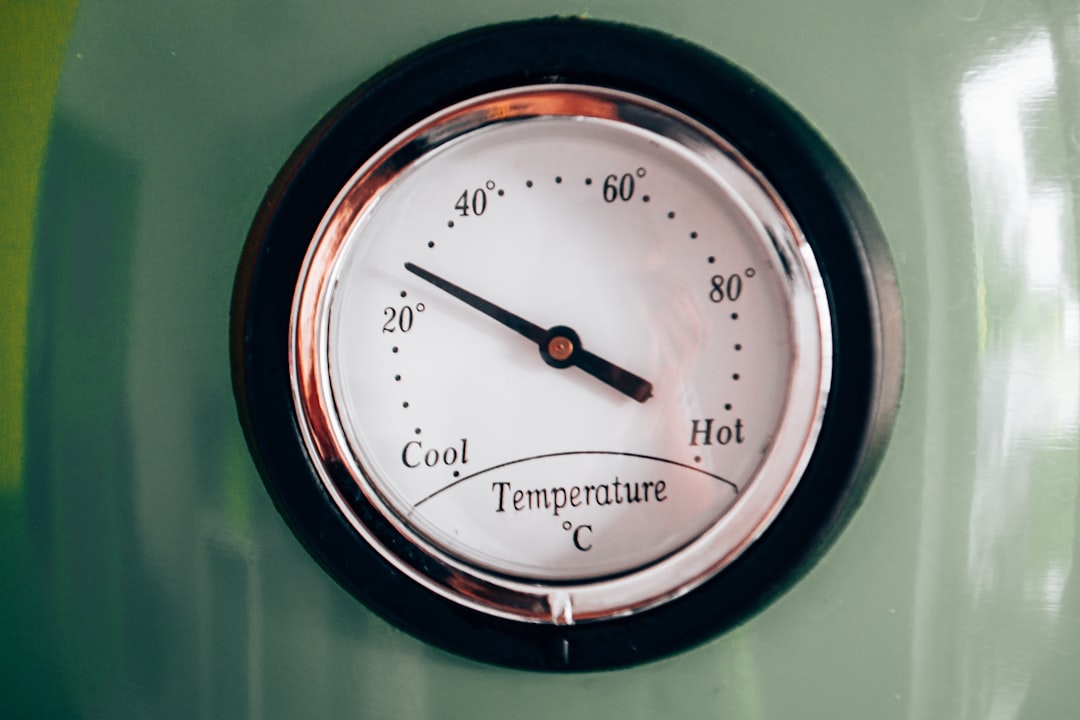
Chamber temperature stability is a critical aspect of various industries, particularly those that rely on controlled environments for the preservation and production of sensitive materials. Whether you are involved in pharmaceuticals, food processing, or electronics manufacturing, maintaining a consistent temperature within a chamber can significantly influence the quality and safety of your products. The concept revolves around ensuring that the temperature within a designated space remains constant, minimizing fluctuations that could lead to degradation or spoilage.
As you delve deeper into this topic, you will discover the multifaceted nature of temperature stability and its implications across different sectors. Understanding chamber temperature stability is not merely an academic exercise; it has real-world consequences that can affect your bottom line. In industries where precision is paramount, even minor deviations in temperature can lead to catastrophic failures or financial losses.
For instance, in the pharmaceutical sector, improper temperature control can compromise the efficacy of vaccines and medications, potentially endangering lives. Therefore, grasping the principles of chamber temperature stability is essential for anyone involved in these critical fields.
Key Takeaways
- Chamber temperature stability is crucial for consistent product quality across multiple industries.
- Various factors, including environmental conditions and equipment design, influence temperature stability.
- Advanced technologies and control methods play a key role in maintaining precise chamber temperatures.
- Adhering to best practices and regulatory standards ensures reliable temperature control and compliance.
- Ongoing innovations and future trends aim to enhance the efficiency and accuracy of temperature stability systems.
Importance of Chamber Temperature Stability in Various Industries
The importance of chamber temperature stability cannot be overstated, as it plays a pivotal role in ensuring product integrity across various industries. In the pharmaceutical industry, for example, the efficacy of drugs is highly sensitive to temperature variations. Vaccines and biologics require strict adherence to temperature guidelines to maintain their potency.
If you are working in this field, you understand that even a slight deviation can render a batch unusable, leading to significant financial losses and potential health risks for patients. In the food industry, temperature stability is equally crucial. Perishable goods such as dairy products, meats, and fresh produce must be stored at specific temperatures to prevent spoilage and bacterial growth.
As someone involved in food processing or distribution, you recognize that maintaining the cold chain is vital for ensuring food safety and quality. Any lapse in temperature control can result in foodborne illnesses and damage to your brand’s reputation. Thus, the stakes are high when it comes to chamber temperature stability in these sectors.
Factors Affecting Chamber Temperature Stability
Several factors can influence chamber temperature stability, and understanding these variables is essential for effective management. One primary factor is the design and insulation of the chamber itself. A well-insulated chamber will minimize heat exchange with the external environment, helping to maintain a stable internal temperature.
If you are responsible for managing such environments, you should pay close attention to the materials used in construction and how they contribute to thermal efficiency. Another critical factor is the equipment used for temperature control. The type of heating or cooling systems employed can significantly impact how quickly and effectively a chamber responds to temperature changes.
For instance, if you are using outdated or poorly calibrated equipment, you may experience fluctuations that compromise stability. Regular maintenance and calibration of these systems are essential to ensure they function optimally and provide the necessary control over chamber conditions.
Methods for Achieving Chamber Temperature Stability
Achieving chamber temperature stability requires a combination of strategies tailored to your specific needs. One effective method is implementing advanced climate control systems that utilize precise sensors and automated controls. These systems can continuously monitor temperature levels and make real-time adjustments to maintain stability.
If you are considering upgrading your facilities, investing in such technology can yield significant benefits in terms of reliability and efficiency. Another approach involves establishing standard operating procedures (SOPs) for monitoring and maintaining temperature conditions.
Training your staff on these procedures is equally important; they should be equipped with the knowledge and skills necessary to recognize potential issues before they escalate into larger problems.
The Role of Technology in Maintaining Chamber Temperature Stability
| Parameter | Specification | Test Method | Result | Units |
|---|---|---|---|---|
| Temperature Stability | ±0.1 | Continuous monitoring over 24 hours | ±0.08 | °C |
| Temperature Uniformity | ±0.2 | Multiple sensors at different chamber locations | ±0.15 | °C |
| Setpoint Temperature | 37 | Calibration against reference thermometer | 36.95 | °C |
| Recovery Time | <5 | Temperature drop and recovery test | 4.2 | minutes |
| Temperature Fluctuation | ±0.05 | High-resolution data logging | ±0.04 | °C |
Technology plays an increasingly vital role in maintaining chamber temperature stability. With advancements in automation and data analytics, you now have access to tools that can enhance your monitoring capabilities significantly. For instance, IoT-enabled sensors can provide real-time data on temperature fluctuations, allowing you to respond swiftly to any anomalies.
This level of oversight not only improves stability but also enhances overall operational efficiency. Moreover, cloud-based systems enable remote monitoring and management of chamber conditions. If you are managing multiple facilities or locations, this technology allows you to oversee all operations from a centralized platform.
You can receive alerts about any deviations from set parameters, enabling proactive measures to be taken before issues arise. Embracing these technological advancements can transform how you approach chamber temperature stability.
Case Studies of Successful Chamber Temperature Stability Implementation
Examining case studies of successful chamber temperature stability implementation can provide valuable insights into best practices and effective strategies. For instance, a leading pharmaceutical company recently revamped its storage facilities by integrating advanced climate control systems and IoT technology. As a result, they achieved a remarkable reduction in temperature fluctuations, leading to improved product quality and compliance with regulatory standards.
In another example, a food processing plant adopted a comprehensive monitoring system that included automated alerts for temperature deviations. By implementing this technology, they were able to maintain optimal storage conditions for perishable goods consistently. The outcome was not only enhanced product safety but also increased consumer trust in their brand.
These case studies illustrate how targeted investments in technology and processes can yield significant improvements in chamber temperature stability.
Challenges in Maintaining Chamber Temperature Stability
Despite the advancements in technology and methods for achieving chamber temperature stability, challenges still exist that require your attention. One significant challenge is the potential for human error during monitoring and maintenance processes. Even with automated systems in place, staff must remain vigilant and adequately trained to respond to alerts and anomalies effectively.
If you overlook this aspect, you may find yourself facing unexpected fluctuations that could jeopardize product integrity. Another challenge lies in external environmental factors that can impact chamber conditions. For example, power outages or extreme weather events can disrupt temperature control systems, leading to instability.
As someone responsible for maintaining these environments, it is crucial to have contingency plans in place to address such scenarios swiftly. This may involve backup power systems or alternative cooling methods that can be activated during emergencies.
Best Practices for Ensuring Chamber Temperature Stability
To ensure chamber temperature stability effectively, adopting best practices is essential. First and foremost, regular calibration of your monitoring equipment should be a priority. By ensuring that sensors and controls are functioning accurately, you can minimize the risk of undetected fluctuations that could compromise product quality.
Additionally, implementing routine maintenance schedules for your climate control systems will help prevent unexpected failures. This includes checking for wear and tear on equipment components and replacing them as needed. Training your staff on these best practices will empower them to take ownership of their roles in maintaining stability within the chambers.
The Impact of Chamber Temperature Stability on Product Quality
The impact of chamber temperature stability on product quality is profound and far-reaching. In industries such as pharmaceuticals, even minor deviations can lead to significant changes in drug efficacy or safety profiles. If you are involved in this sector, you understand that maintaining strict temperature controls is not just about compliance; it is about safeguarding public health.
In the food industry, stable temperatures are equally critical for preserving flavor, texture, and nutritional value. When products are stored at inappropriate temperatures, they may spoil or lose their desirable qualities, leading to waste and dissatisfied customers. By prioritizing chamber temperature stability, you are directly contributing to the overall quality of your products and enhancing customer satisfaction.
Regulatory Requirements for Chamber Temperature Stability
Regulatory requirements surrounding chamber temperature stability vary by industry but are generally stringent due to the potential risks associated with non-compliance. In pharmaceuticals, agencies like the FDA mandate specific storage conditions for drugs and biologics to ensure their safety and efficacy. If you operate within this sector, staying informed about these regulations is crucial for maintaining compliance and avoiding penalties.
Similarly, food safety regulations often stipulate strict guidelines for storage temperatures to prevent foodborne illnesses. As someone involved in food processing or distribution, understanding these requirements will help you implement effective monitoring systems that align with regulatory standards while ensuring consumer safety.
Future Trends in Chamber Temperature Stability Technology
Looking ahead, several trends are emerging in chamber temperature stability technology that could reshape how you manage controlled environments. One notable trend is the increasing integration of artificial intelligence (AI) into monitoring systems. AI algorithms can analyze vast amounts of data to predict potential fluctuations before they occur, allowing for proactive adjustments that enhance stability.
Another trend is the growing emphasis on sustainability within controlled environments. As industries become more environmentally conscious, there is a push towards energy-efficient systems that maintain temperature stability while reducing carbon footprints. By staying abreast of these trends and adopting innovative technologies, you can position yourself at the forefront of advancements in chamber temperature stability management.
In conclusion, chamber temperature stability is an essential consideration across various industries due to its direct impact on product quality and safety. By understanding its importance, recognizing influencing factors, implementing effective methods, leveraging technology, learning from case studies, addressing challenges, adhering to best practices, complying with regulations, and staying informed about future trends, you can ensure optimal conditions within your controlled environments. Your commitment to maintaining stable temperatures will not only enhance product integrity but also contribute positively to your organization’s reputation and success.
In the pursuit of ensuring chamber temperature stability, it is essential to consider various factors that can influence the overall performance of temperature-controlled environments. A related article that delves into the intricacies of maintaining optimal conditions can be found at this link. This resource provides valuable insights and methodologies that can aid in achieving consistent temperature stability within chambers, making it a useful reference for researchers and practitioners alike.
FAQs
What is chamber temperature stability?
Chamber temperature stability refers to the ability of a controlled environment chamber to maintain a consistent temperature over a specified period, minimizing fluctuations that could affect experimental or manufacturing processes.
Why is temperature stability important in chambers?
Temperature stability is crucial because many scientific experiments, industrial processes, and product tests require precise and consistent temperature conditions to ensure accurate results, product quality, and repeatability.
How is chamber temperature stability typically measured?
Temperature stability is measured by monitoring the temperature inside the chamber over time using calibrated sensors. The variation or deviation from the setpoint temperature is recorded, often expressed as ± degrees Celsius or Fahrenheit over a specific duration.
What factors can affect chamber temperature stability?
Factors include the chamber’s insulation quality, the precision of the temperature control system, external environmental conditions, door openings, and the uniformity of air circulation within the chamber.
What methods are used to prove or validate chamber temperature stability?
Validation methods include continuous temperature logging with calibrated sensors, performing temperature mapping studies, and conducting stability tests over extended periods to demonstrate consistent temperature maintenance within specified limits.
How often should chamber temperature stability be tested?
Testing frequency depends on regulatory requirements and usage but typically occurs during initial qualification, after maintenance or repairs, and periodically as part of routine preventive maintenance schedules.
What standards or guidelines govern chamber temperature stability?
Standards such as ISO 17025, ASTM E220, and various industry-specific guidelines provide protocols for temperature stability testing and validation in controlled environment chambers.
Can chamber temperature stability be improved?
Yes, improvements can be made by enhancing insulation, upgrading control systems, minimizing door openings, ensuring proper air circulation, and performing regular maintenance on the chamber’s components.
What equipment is used to monitor chamber temperature stability?
Equipment includes calibrated thermocouples, resistance temperature detectors (RTDs), data loggers, and environmental monitoring systems designed to record and analyze temperature data accurately.
What is the difference between temperature stability and temperature uniformity?
Temperature stability refers to maintaining a constant temperature over time at a specific point, while temperature uniformity refers to the even distribution of temperature throughout the chamber at a given moment. Both are important for chamber performance.