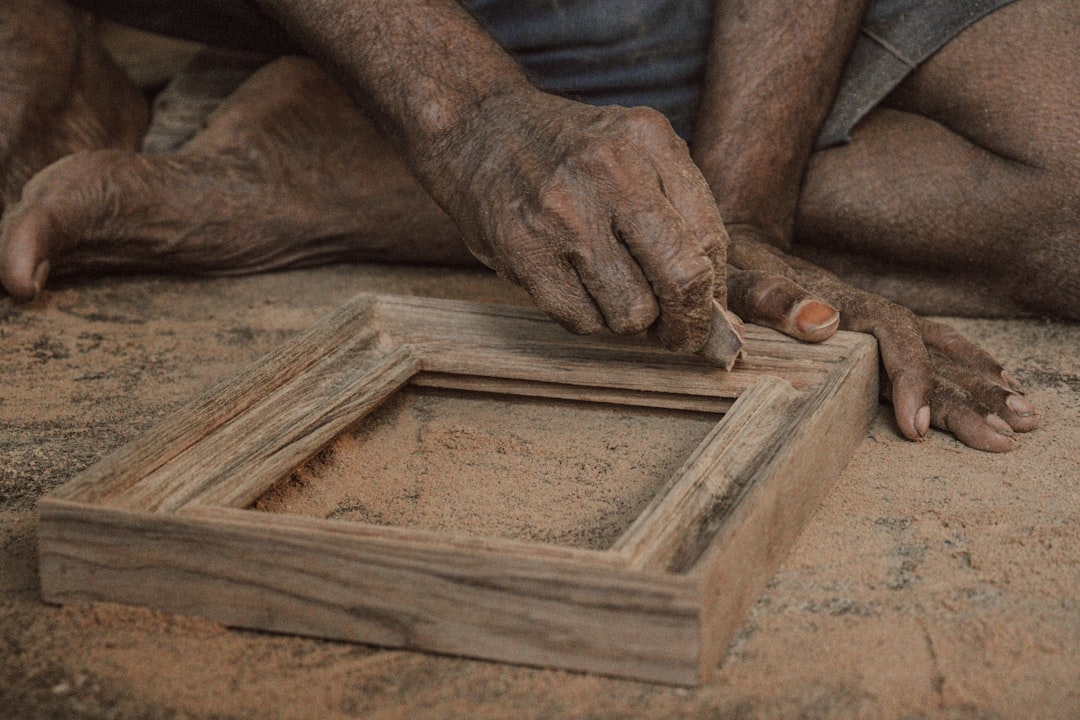
The clay lattice casting method is a technique for creating intricate, delicate forms using clay. It combines traditional pottery with modern casting approaches, producing distinctive pieces for both functional and decorative applications.
Clay lattice casting fundamentally involves creating a lattice structure that functions as a mold for casting clay. This technique enhances the visual quality of creations while enabling the incorporation of diverse textures and patterns. The method effectively connects traditional craftsmanship with contemporary design principles, making it a valuable technique for artists to master.
Key Takeaways
- Clay lattice casting is a unique ceramic technique involving intricate lattice patterns formed from clay.
- The method has historical roots and cultural significance, reflecting traditional craftsmanship.
- Essential materials include specific clays and tools designed for precise lattice creation.
- Mastery requires following detailed steps and avoiding common pitfalls to achieve flawless designs.
- This technique offers versatile applications across various art forms and holds potential for future artistic innovation.
History and Origins of Clay Lattice Casting
The origins of clay lattice casting can be traced back to ancient civilizations, where artisans experimented with various molding techniques to create functional and decorative objects. You may find it intriguing that cultures such as the Chinese, Egyptians, and Greeks utilized similar methods to produce intricate pottery and sculptures. These early artisans laid the groundwork for what would eventually evolve into the modern clay lattice casting technique.
As you explore the history of this craft, you will notice that it has undergone significant transformations over the centuries. The introduction of new materials and tools has allowed artists to refine their techniques and expand their creative horizons. The revival of interest in traditional crafts in recent years has also contributed to a renewed appreciation for clay lattice casting, as contemporary artists seek to blend historical methods with modern aesthetics.
Materials and Tools Needed for Clay Lattice Casting

To embark on your journey into clay lattice casting, you will need a selection of materials and tools that will facilitate the process. First and foremost, high-quality clay is essential. You might choose earthenware, stoneware, or porcelain, depending on the desired finish and durability of your final piece.
Each type of clay has its unique properties, so experimenting with different varieties can lead to exciting discoveries. In addition to clay, you will require tools such as a rolling pin, cutting tools, and a mold-making material like plaster or silicone. A sturdy work surface is also crucial for shaping and assembling your lattice structure.
As you gather your materials, consider investing in some decorative tools like stamps or texture rollers to add unique patterns to your creations. With the right tools at your disposal, you will be well-equipped to bring your artistic vision to life.
Step-by-Step Guide to Creating a Clay Lattice Casting
Creating a clay lattice casting involves several steps that require patience and precision. To begin, prepare your workspace by ensuring it is clean and organized. Start by rolling out your chosen clay to an even thickness using a rolling pin.
Once you have achieved the desired thickness, use cutting tools to create strips or shapes that will form the lattice structure. Next, assemble your lattice by carefully arranging the cut pieces in a crisscross pattern. This step is crucial, as the arrangement will determine the final appearance of your piece.
Once satisfied with the layout, press the intersections firmly to ensure they adhere together. After constructing the lattice, you can place it over a mold or form that will give your piece its final shape. Allow the clay to dry partially before removing it from the mold, ensuring that it retains its structure.
Tips and Tricks for Perfecting the Clay Lattice Casting Method
| Parameter | Description | Typical Values | Units |
|---|---|---|---|
| Clay Type | Type of clay used for lattice structure | Kaolin, Bentonite | – |
| Porosity | Percentage of void space in the clay lattice | 30 – 50 | % |
| Drying Time | Time required for the clay lattice to dry before casting | 12 – 24 | hours |
| Firing Temperature | Temperature at which the clay lattice is fired | 900 – 1100 | °C |
| Thermal Conductivity | Heat transfer rate through the clay lattice | 0.2 – 0.5 | W/m·K |
| Compressive Strength | Maximum compressive load the lattice can withstand | 5 – 15 | MPa |
| Casting Material | Material poured into the clay lattice mold | Aluminum, Bronze, Iron | – |
| Cooling Time | Time allowed for the cast to cool and solidify | 2 – 6 | hours |
| Dimensional Accuracy | Precision of the final cast compared to the mold | ±0.1 – 0.3 | mm |
As you gain experience with clay lattice casting, you will discover various tips and tricks that can enhance your results. One essential tip is to keep your workspace moist while working with clay. This practice helps prevent the material from drying out too quickly, allowing you more time to manipulate and shape it as needed.
Additionally, consider using slip—a liquid mixture of clay and water—to join pieces together more effectively. Another valuable technique is to experiment with different textures and finishes on your lattice structure.
This experimentation not only adds visual interest but also allows you to develop your signature style as an artist.
Exploring Different Designs and Patterns for Clay Lattice Casting
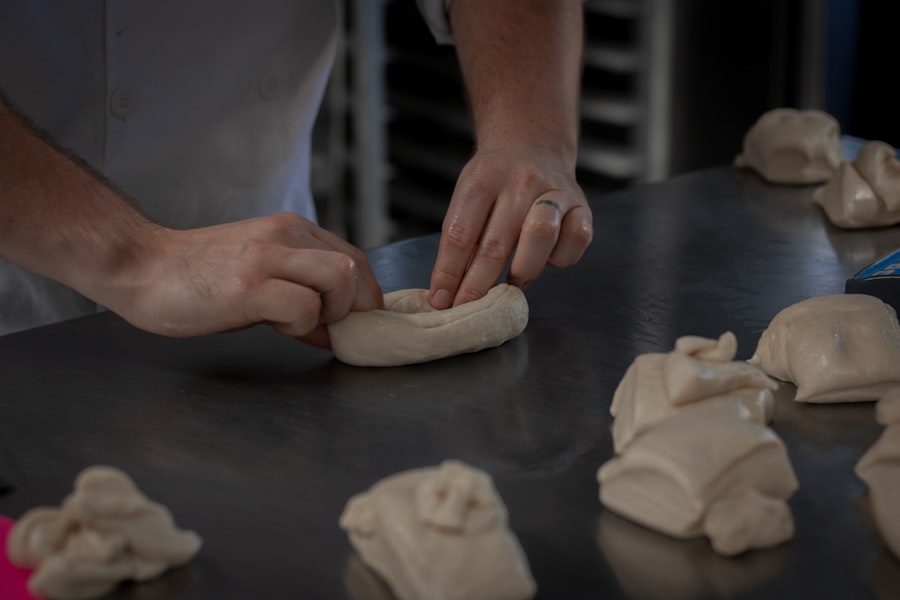
The beauty of clay lattice casting lies in its versatility, allowing you to explore an array of designs and patterns. You can create simple geometric shapes or intricate floral motifs, depending on your artistic vision. As you experiment with different designs, consider how each pattern interacts with light and shadow, as this can significantly impact the overall aesthetic of your piece.
You may also want to explore combining various techniques within your lattice casting projects. For instance, incorporating hand-building methods alongside casting can lead to innovative results. By layering different textures and forms, you can create dynamic pieces that capture attention and spark conversation.
Advantages and Benefits of Using Clay Lattice Casting
There are numerous advantages to utilizing the clay lattice casting method in your artistic practice. One significant benefit is the ability to create lightweight yet sturdy structures that maintain their integrity over time. This quality makes lattice-cast pieces ideal for both functional items like bowls or vases and decorative sculptures.
Moreover, this technique encourages creativity by allowing you to experiment with various forms and designs without being limited by traditional pottery methods. The freedom to explore different textures and patterns can lead to unexpected results that enhance your artistic journey. Additionally, engaging in clay lattice casting can be a therapeutic experience, providing a sense of mindfulness as you immerse yourself in the tactile nature of working with clay.
Common Mistakes to Avoid in Clay Lattice Casting
As with any craft, there are common pitfalls that you should be aware of when practicing clay lattice casting. One frequent mistake is rushing through the drying process. It’s essential to allow your pieces to dry slowly and evenly to prevent cracking or warping.
You might find it helpful to cover your work with plastic wrap or damp cloths during the drying phase to maintain moisture levels. Another mistake is neglecting proper adhesion between lattice pieces. Ensure that each intersection is securely pressed together; otherwise, your structure may collapse during firing or handling.
Taking the time to double-check these details will save you from potential frustrations down the line.
Incorporating Clay Lattice Casting into Different Art Forms
The versatility of clay lattice casting allows for its incorporation into various art forms beyond traditional pottery. You might consider using this technique in sculpture, where intricate lattice designs can add depth and dimension to your work. By combining lattice casting with other materials like metal or glass, you can create mixed-media pieces that push the boundaries of conventional art.
Additionally, consider how clay lattice casting can enhance functional art forms such as lighting fixtures or furniture design. The interplay of light through lattice structures can create stunning visual effects, transforming everyday objects into captivating works of art. By thinking outside the box, you can elevate your creations and explore new avenues for artistic expression.
Exploring the Cultural and Artistic Significance of Clay Lattice Casting
Throughout history, clay has held significant cultural value across various societies, often serving as a medium for storytelling and expression. The practice of clay lattice casting is no exception; it reflects not only individual creativity but also collective cultural heritage. As you engage with this technique, consider how it connects you to ancient artisans who used similar methods to convey their stories through their work.
Moreover, exploring the cultural significance of lattice designs can deepen your understanding of their meanings in different contexts. Many cultures have employed lattice patterns symbolically in architecture and art, representing concepts such as unity or interconnectedness. By incorporating these elements into your work, you can pay homage to these traditions while adding layers of meaning to your creations.
Conclusion and Future Possibilities for Clay Lattice Casting
As you conclude your exploration of the clay lattice casting method, it’s clear that this technique offers endless possibilities for artistic expression and creativity. Whether you are drawn to its historical roots or its contemporary applications, there is much to discover within this craft. The journey of mastering clay lattice casting is one filled with experimentation, learning from mistakes, and celebrating successes.
Looking ahead, consider how advancements in materials and technology may further enhance this technique in the future. Innovations such as 3D printing could open new avenues for creating complex lattice structures that were previously unimaginable. As an artist engaged in this practice, you have the opportunity to contribute to its evolution while continuing to honor its rich history.
Embrace the journey ahead as you refine your skills and explore new horizons within the world of clay lattice casting.
The clay lattice casting method is an innovative technique that enhances the efficiency and quality of ceramic production. For a deeper understanding of this method and its applications, you can refer to a related article that discusses various casting techniques in detail. Check it out here: Casting Techniques in Ceramics.
FAQs
What is the clay lattice casting method?
The clay lattice casting method is a metal casting technique that uses a lattice framework made from clay to create molds. This method allows for the production of complex shapes with good dimensional accuracy and surface finish.
How does the clay lattice casting method work?
In this method, a lattice structure is formed using clay, which serves as the mold or pattern. Molten metal is then poured into the lattice mold, filling the spaces and solidifying to form the desired casting. After cooling, the clay mold is broken away to reveal the metal casting.
What materials are used in the clay lattice casting method?
The primary material used for the mold is a specially prepared clay mixture that can withstand high temperatures. The casting material is typically molten metal such as iron, steel, aluminum, or other alloys depending on the application.
What are the advantages of the clay lattice casting method?
Advantages include the ability to produce intricate and lightweight structures, good surface finish, cost-effectiveness for small to medium production runs, and the flexibility to create complex internal geometries.
What are the limitations of the clay lattice casting method?
Limitations include the fragility of the clay mold, which can limit the size and complexity of the casting, longer preparation time compared to other casting methods, and potential difficulties in achieving uniform mold thickness.
In which industries is the clay lattice casting method commonly used?
This casting method is often used in aerospace, automotive, and art industries where complex, lightweight metal parts are required. It is also used in prototyping and small batch production.
How does the clay lattice casting method compare to other casting methods?
Compared to sand casting, the clay lattice method can produce more intricate lattice structures with better surface finish. However, it may not be as suitable for very large castings or high-volume production as investment casting or die casting.
Is the clay lattice casting method environmentally friendly?
The method can be environmentally friendly if the clay used is natural and recyclable. However, the process involves energy consumption for heating and melting metals, and proper disposal or recycling of used clay molds is necessary to minimize environmental impact.
What skills are required to perform the clay lattice casting method?
Skills needed include knowledge of mold making, clay preparation, metal melting and pouring techniques, and safety procedures related to handling molten metals and high-temperature materials.
Can the clay lattice casting method be used for both ferrous and non-ferrous metals?
Yes, the clay lattice casting method can be used for casting both ferrous metals (like iron and steel) and non-ferrous metals (such as aluminum, copper, and their alloys), depending on the mold’s heat resistance and the casting requirements.