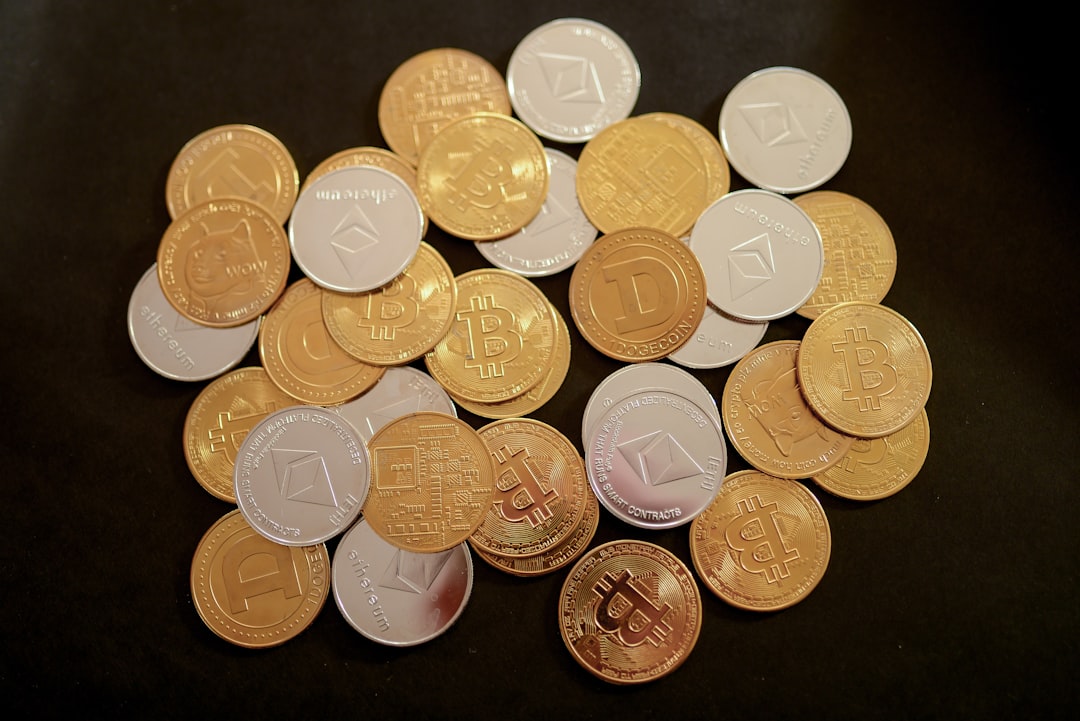
A wholesale basket currency is a financial instrument composed of multiple individual currencies combined to form a single composite unit. This mechanism is primarily employed in international trade and finance to reduce exposure to currency exchange rate volatility. When multiple currencies are aggregated into a basket, the fluctuations of any individual currency have a proportionally smaller impact on the overall value, thereby providing greater stability for large-volume transactions where currency risk could substantially affect financial outcomes.
The development of wholesale basket currencies addresses the challenges of operating in a globalized economy where businesses conduct transactions across multiple currency zones.
The basket currency system enables organizations to manage these multi-currency exposures more effectively by distributing risk across several monetary units rather than concentrating it in a single currency.
This diversification approach facilitates more predictable financial planning and serves as a hedging mechanism against unfavorable exchange rate movements, making it a fundamental tool in contemporary international finance and risk management strategies.
Key Takeaways
- Wholesale basket currency involves a group of currencies combined to stabilize trade and reduce reliance on a single currency.
- It offers benefits like reduced exchange rate volatility and enhanced global trade stability.
- Risks include complexity in management and potential geopolitical influences affecting currency values.
- Central banks play a crucial role in managing and supporting wholesale basket currencies to ensure economic stability.
- Future trends point towards increased adoption and integration of basket currencies in global financial systems.
History of Wholesale Basket Currency
The origins of wholesale basket currency can be traced back to the early days of international trade when merchants sought ways to minimize the risks associated with currency exchange. As trade routes expanded and economies became more intertwined, the need for a more sophisticated approach to currency management emerged. The Bretton Woods Agreement in 1944 marked a significant turning point, establishing fixed exchange rates among major currencies and laying the groundwork for future developments in currency management.
In the decades that followed, the rise of globalization and advancements in technology further propelled the use of wholesale basket currencies. The introduction of the Special Drawing Rights (SDR) by the International Monetary Fund (IMF) in 1969 represented a formal recognition of the need for a basket currency. The SDR is composed of a selection of major currencies, including the US dollar, euro, yen, pound sterling, and yuan, and serves as an international reserve asset.
This development highlighted the growing importance of basket currencies in facilitating global trade and financial stability.
Benefits of Wholesale Basket Currency
One of the primary benefits of wholesale basket currency is its ability to reduce volatility. By diversifying exposure across multiple currencies, businesses can shield themselves from sudden fluctuations in exchange rates that could adversely impact their operations. This stability is particularly crucial for companies engaged in international trade, where even minor shifts in currency values can lead to significant financial losses.
A wholesale basket currency allows these entities to plan more effectively and allocate resources with greater confidence. Additionally, wholesale basket currencies can enhance liquidity in foreign exchange markets. When multiple currencies are bundled together, it creates a more robust trading environment, attracting investors and traders who seek to capitalize on the diverse opportunities presented by the various currencies within the basket.
This increased liquidity can lead to tighter spreads and lower transaction costs, ultimately benefiting all participants in the market. Furthermore, it fosters greater transparency and efficiency in currency trading, contributing to overall market stability.
Risks and Challenges of Wholesale Basket Currency
Despite its advantages, wholesale basket currency is not without its risks and challenges. One significant concern is the potential for correlation among the currencies within the basket. If several currencies experience simultaneous declines due to economic or geopolitical factors, the intended benefits of diversification may be undermined.
This scenario can lead to substantial losses for businesses relying on the stability that a basket currency is supposed to provide. Another challenge lies in the complexity of managing a wholesale basket currency. Entities must continuously monitor economic indicators, political developments, and market trends related to each currency in the basket.
This requires sophisticated analytical tools and expertise that may not be readily available to all businesses. Additionally, fluctuations in interest rates and inflation rates across different countries can further complicate the management of a wholesale basket currency, necessitating ongoing adjustments to maintain an optimal balance.
Factors Influencing Wholesale Basket Currency
| Currency | Weight (%) | Exchange Rate (to USD) | Volatility (30-day %) | Market Share (%) |
|---|---|---|---|---|
| Euro (EUR) | 42.0 | 1.10 | 0.8 | 32.5 |
| Japanese Yen (JPY) | 31.0 | 135.50 | 1.2 | 21.0 |
| British Pound (GBP) | 11.0 | 1.25 | 1.0 | 12.0 |
| Swiss Franc (CHF) | 8.0 | 0.92 | 0.7 | 8.5 |
| Canadian Dollar (CAD) | 4.0 | 1.35 | 1.1 | 5.0 |
| Australian Dollar (AUD) | 4.0 | 0.70 | 1.3 | 4.0 |
Several factors influence the performance and stability of wholesale basket currencies. Economic indicators such as GDP growth rates, unemployment figures, and inflation levels play a crucial role in determining the strength of individual currencies within the basket. For instance, if one country experiences robust economic growth while another faces recessionary pressures, the stronger currency may appreciate relative to its weaker counterpart, impacting the overall value of the basket.
Geopolitical events also significantly affect wholesale basket currencies. Political instability, trade disputes, and changes in government policies can lead to sudden shifts in investor sentiment and currency valuations. For example, tensions between major economies can result in capital flight from riskier currencies toward safer havens, thereby altering the dynamics within a wholesale basket currency.
Understanding these factors is essential for businesses and investors looking to navigate the complexities of international finance effectively.
Examples of Wholesale Basket Currency
One prominent example of wholesale basket currency is the Special Drawing Rights (SDR) issued by the International Monetary Fund (IMF). The SDR is composed of a weighted basket of five major currencies: the US dollar, euro, Japanese yen, British pound sterling, and Chinese yuan. It serves as an international reserve asset that countries can use to supplement their foreign exchange reserves during times of economic distress or liquidity shortages.
Another example is the European Central Bank’s (ECB) use of a currency basket for its monetary policy decisions. The ECB monitors a range of currencies when assessing economic conditions within the Eurozone. By considering multiple currencies rather than focusing solely on the euro’s performance against others, the ECB can make more informed decisions regarding interest rates and other monetary policy tools.
How Wholesale Basket Currency Affects Global Trade
Wholesale basket currencies play a pivotal role in shaping global trade dynamics.
This stability encourages international trade by reducing uncertainty related to exchange rate fluctuations, allowing businesses to engage in cross-border transactions with greater confidence.
Moreover, wholesale basket currencies can influence pricing strategies for exporters and importers alike. When businesses utilize a composite currency for pricing their goods and services, they can better manage their exposure to foreign exchange risks. This practice not only enhances competitiveness but also fosters stronger trade relationships between countries by creating a more predictable trading environment.
The Role of Central Banks in Wholesale Basket Currency
Central banks play a crucial role in managing wholesale basket currencies through their monetary policy frameworks. They are responsible for maintaining stability within their respective currencies and ensuring that inflation remains within target ranges. By closely monitoring economic indicators and adjusting interest rates accordingly, central banks can influence the value of their currencies within a wholesale basket.
Additionally, central banks may intervene directly in foreign exchange markets to stabilize their currencies when necessary. Such interventions can involve buying or selling foreign reserves or implementing measures to control capital flows. These actions not only impact individual currencies but also have broader implications for wholesale basket currencies as they affect overall market sentiment and investor confidence.
Future Trends in Wholesale Basket Currency
As globalization continues to evolve, so too will the landscape of wholesale basket currencies. One emerging trend is the increasing prominence of digital currencies and blockchain technology in international finance. Central banks around the world are exploring Central Bank Digital Currencies (CBDCs), which could potentially serve as new forms of wholesale basket currencies.
These digital assets may offer enhanced efficiency and security for cross-border transactions while reducing reliance on traditional banking systems. Furthermore, as environmental concerns gain traction globally, there may be a shift toward incorporating sustainability metrics into wholesale basket currency assessments. Investors are becoming more conscious of environmental, social, and governance (ESG) factors when making financial decisions.
This trend could lead to the development of new baskets that prioritize sustainable currencies or those linked to green initiatives.
How to Invest in Wholesale Basket Currency
Investing in wholesale basket currency requires a strategic approach that considers various factors influencing currency performance. Investors can gain exposure through exchange-traded funds (ETFs) that track baskets of currencies or through mutual funds specializing in foreign exchange investments. These investment vehicles allow individuals to diversify their portfolios while minimizing risks associated with individual currencies.
Additionally, investors should stay informed about macroeconomic trends and geopolitical developments that could impact currency valuations within their chosen baskets. Utilizing analytical tools and resources can aid in making informed investment decisions while managing potential risks effectively. Engaging with financial advisors who specialize in foreign exchange markets can also provide valuable insights into navigating this complex investment landscape.
The Future of Wholesale Basket Currency
The future of wholesale basket currency appears promising as it adapts to an ever-changing global landscape. With advancements in technology and shifts in economic paradigms, these composite currencies will likely play an increasingly vital role in facilitating international trade and investment. As businesses seek stability amid volatility, wholesale basket currencies will continue to serve as essential tools for managing risks associated with foreign exchange fluctuations.
Moreover, as central banks explore innovative solutions such as digital currencies and sustainable finance initiatives, wholesale basket currencies may evolve further to meet emerging demands. The interplay between traditional financial systems and new technologies will shape how these currencies function in global markets moving forward. Ultimately, understanding wholesale basket currency will be crucial for businesses and investors alike as they navigate the complexities of an interconnected world economy.
The concept of wholesale basket currency is gaining traction as countries seek more stable alternatives to traditional fiat currencies. For a deeper understanding of how these currencies can impact global trade and finance, you can read more in this insightful article on the topic. Check it out here: Wholesale Basket Currency Insights.
FAQs
What is a wholesale basket currency?
A wholesale basket currency is a composite currency unit made up of a weighted average of several different currencies. It is used primarily in international trade and finance to reduce exchange rate risk and provide a more stable reference for pricing and settlement.
How is a wholesale basket currency constructed?
A wholesale basket currency is constructed by selecting a group of major currencies and assigning each a specific weight based on factors such as trade volume, economic size, or financial market importance. The value of the basket currency fluctuates according to the combined movements of its constituent currencies.
What are the advantages of using a wholesale basket currency?
Using a wholesale basket currency helps to diversify currency risk, reduce volatility, and provide a more stable unit of account for international transactions. It can also facilitate trade and investment by minimizing the impact of fluctuations in any single currency.
Who typically uses wholesale basket currencies?
Wholesale basket currencies are commonly used by central banks, multinational corporations, financial institutions, and international organizations involved in large-scale trade, investment, and currency management.
How does a wholesale basket currency differ from a single currency?
Unlike a single currency, which is issued and controlled by one country, a wholesale basket currency represents a blend of multiple currencies. This diversification helps to mitigate the risks associated with reliance on any one currency’s fluctuations.
Can wholesale basket currencies influence global financial markets?
Yes, wholesale basket currencies can influence global financial markets by providing alternative benchmarks for exchange rates, pricing, and reserves. They can also impact currency trading strategies and international monetary policy decisions.
Are wholesale basket currencies used as reserve currencies?
Some wholesale basket currencies serve as reference points or units of account for international reserves, but they are generally not held as physical reserves like traditional single currencies. Instead, they help central banks manage currency exposure more effectively.
What are some examples of wholesale basket currencies?
Examples include the International Monetary Fund’s Special Drawing Rights (SDR), which is based on a basket of major currencies, and various regional currency baskets used for trade settlements or financial contracts.
How often are the components and weights of a wholesale basket currency updated?
The components and weights of a wholesale basket currency are typically reviewed and adjusted periodically, often annually or every few years, to reflect changes in global economic conditions, trade patterns, and currency market dynamics.
Can wholesale basket currencies be used for retail transactions?
Wholesale basket currencies are primarily designed for large-scale, institutional use and are not commonly used for everyday retail transactions or consumer payments.