
Geopolitical analysis examines the relationship between geography, politics, and economics to understand how location and physical features influence political decisions and economic outcomes worldwide. This analytical framework studies territorial boundaries, natural resource distribution, trade routes, and strategic positioning to assess how these factors shape international relations and economic systems. The field encompasses multiple components including border disputes, resource allocation patterns, military positioning, trade dependencies, and diplomatic relationships between nations.
Analysts evaluate these elements to identify trends and assess potential scenarios that may affect regional stability and global economic conditions. Geopolitical analysis provides essential information for government officials, corporate executives, and financial institutions making strategic decisions. Policymakers use this analysis to develop foreign policy strategies and trade agreements.
Businesses rely on geopolitical assessments to evaluate market entry risks, supply chain vulnerabilities, and regulatory changes in different regions. Investment firms incorporate geopolitical factors into risk models and portfolio allocation decisions. Current global developments including shifts in economic power, technological competition, climate change impacts, and evolving security threats have increased the relevance of geopolitical analysis.
These factors create new patterns of international cooperation and competition that directly influence financial markets, currency values, commodity prices, and investment flows across borders.
Key Takeaways
- Geopolitical factors significantly influence global financial markets and investment strategies.
- Understanding geopolitical risks is crucial for effective risk management in finance.
- Geopolitical events can cause volatility in currency markets and impact global trade dynamics.
- The energy sector is highly sensitive to geopolitical tensions, affecting supply and prices.
- Incorporating geopolitical analysis enhances financial decision-making and future market predictions.
The Role of Geopolitical Factors in Global Finance
Geopolitical factors play a pivotal role in shaping the landscape of global finance. They influence everything from trade agreements to investment flows, affecting how capital is allocated across borders. For instance, political stability in a region can attract foreign direct investment, while geopolitical tensions can deter investors due to perceived risks.
The interconnectedness of economies means that events in one part of the world can have ripple effects elsewhere, making it essential for financial analysts to consider geopolitical developments when assessing market conditions. Moreover, geopolitical factors can dictate the terms of international trade and finance. Trade policies, tariffs, and sanctions are often influenced by political relationships between countries.
For example, a country may impose tariffs on imports from another nation as a response to political disagreements or military actions. Such measures can disrupt supply chains and alter market dynamics, leading to fluctuations in prices and investment patterns. Understanding these geopolitical undercurrents is crucial for financial professionals who seek to navigate the complexities of global markets effectively.
Geopolitical Risks and Their Impact on Financial Markets

Geopolitical risks encompass a wide range of uncertainties that can affect financial markets. These risks may arise from military conflicts, diplomatic tensions, or economic sanctions, each carrying the potential to disrupt market stability. Investors must remain vigilant in monitoring these risks, as they can lead to sudden market volatility and shifts in investor sentiment.
For instance, an unexpected military confrontation can trigger panic selling in equity markets or cause a flight to safety in government bonds. The impact of geopolitical risks on financial markets is often immediate and pronounced. When tensions escalate between nations, stock markets may react negatively as investors reassess their risk exposure.
Conversely, safe-haven assets such as gold or U.S. Treasury bonds may experience increased demand as investors seek refuge from uncertainty. The ability to anticipate and respond to these shifts is crucial for financial analysts and portfolio managers who aim to protect their investments and capitalize on emerging opportunities.
Case Studies: Geopolitical Events and Financial Market Reactions
Examining historical case studies provides valuable insights into how geopolitical events influence financial markets. One notable example is the 2008 Russia-Georgia conflict, which led to significant fluctuations in global oil prices. As tensions escalated, concerns over energy supply disruptions prompted a surge in oil prices, impacting not only energy stocks but also broader market indices.
Investors reacted swiftly to the news, leading to increased volatility in equity markets worldwide. Another illustrative case is the ongoing trade tensions between the United States and China. The imposition of tariffs and retaliatory measures has created uncertainty in global supply chains, affecting companies reliant on cross-border trade.
Stock prices of major corporations have fluctuated in response to announcements related to trade negotiations, highlighting how geopolitical events can directly impact corporate valuations and investor sentiment. These case studies underscore the necessity for investors to remain attuned to geopolitical developments that may influence market dynamics.
Geopolitical Analysis and Investment Strategies
| Metric | Description | Example Value | Relevance to Geopolitical Finance |
|---|---|---|---|
| Country Risk Rating | Assessment of political, economic, and financial risks in a country | BBB+ | Helps investors evaluate the stability and risk of investing in a specific country |
| Foreign Direct Investment (FDI) Inflows | Amount of investment made by foreign entities into a country | 120 Billion | Indicates confidence of foreign investors and economic openness |
| Geopolitical Risk Index | Composite index measuring geopolitical tensions and conflicts | 45 (scale 0-100) | Used to predict market volatility and investment risk due to geopolitical events |
| Sanctions Impact Score | Quantifies the economic impact of international sanctions on a country | 7.8/10 | Assesses financial restrictions and their effect on trade and investment |
| Currency Volatility | Measure of fluctuations in a country’s currency exchange rate | 12% | Reflects economic stability and investor confidence influenced by geopolitical factors |
| Trade Balance | Difference between exports and imports of a country | -30 Billion | Indicates economic health and potential vulnerabilities to geopolitical shifts |
| Military Expenditure as % of GDP | Proportion of national GDP spent on defense | 3.5% | Signals geopolitical priorities and potential for regional conflicts |
Incorporating geopolitical analysis into investment strategies is essential for navigating the complexities of global finance. Investors who understand the geopolitical landscape can make more informed decisions about asset allocation and risk management. For instance, during periods of heightened geopolitical tension, investors may choose to diversify their portfolios by allocating funds to regions or sectors less affected by instability.
This proactive approach can help mitigate potential losses during turbulent times. Furthermore, geopolitical analysis can inform sector-specific investment strategies. For example, in times of rising tensions in the Middle East, energy stocks may become more attractive due to anticipated increases in oil prices.
Conversely, sectors heavily reliant on international trade may face headwinds during periods of protectionism or trade disputes. By aligning investment strategies with geopolitical trends, investors can position themselves advantageously in an ever-evolving market landscape.
The Influence of Geopolitical Tensions on Currency Markets
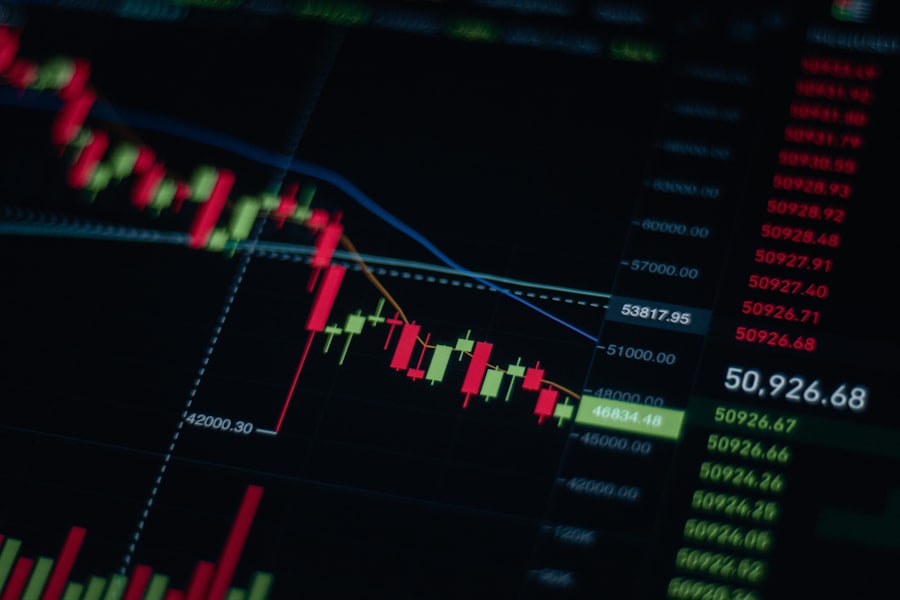
Currency markets are particularly sensitive to geopolitical tensions, as they reflect the relative strength of economies and their political stability. When geopolitical risks arise, investors often flock to safe-haven currencies such as the U.S. dollar or Swiss franc, leading to fluctuations in exchange rates.
For instance, during times of crisis or uncertainty, the demand for these currencies typically increases as investors seek security for their assets. Moreover, central banks may respond to geopolitical developments by adjusting monetary policy to stabilize their economies. For example, if a country faces significant geopolitical risks that threaten economic growth, its central bank may lower interest rates to stimulate investment and consumption.
Such actions can further influence currency values and create opportunities for traders who are adept at reading the signals from both geopolitical events and central bank policies.
Geopolitical Analysis and the Energy Sector
The energy sector is profoundly influenced by geopolitical analysis due to its reliance on global supply chains and international relations. Geopolitical events such as conflicts in oil-producing regions or changes in government policies can have immediate effects on energy prices and production levels. For instance, tensions in the Middle East often lead to fluctuations in crude oil prices as investors react to potential supply disruptions.
Additionally, energy companies must navigate a complex landscape of regulations and political considerations when operating internationally.
By understanding the geopolitical context in which they operate, energy firms can make more informed decisions regarding exploration, production, and distribution.
Geopolitical Analysis and Global Trade
Global trade is intricately linked to geopolitical dynamics, as trade agreements and tariffs are often shaped by political relationships between nations. Geopolitical analysis allows businesses and investors to anticipate changes in trade policies that could impact their operations or investments. For example, shifts in diplomatic relations may lead to new trade agreements or the imposition of tariffs that alter competitive landscapes.
Moreover, geopolitical tensions can disrupt established trade routes and supply chains, leading to increased costs and delays for businesses engaged in international trade. Companies that proactively engage in geopolitical analysis are better positioned to adapt their strategies in response to changing conditions. By understanding the broader geopolitical context, businesses can identify new markets or opportunities that arise from shifts in global trade dynamics.
The Role of Geopolitical Analysis in Risk Management
Effective risk management requires a comprehensive understanding of geopolitical factors that could impact financial performance. Organizations that incorporate geopolitical analysis into their risk management frameworks are better equipped to identify potential threats and develop contingency plans. This proactive approach enables businesses to navigate uncertainties with greater resilience.
For instance, companies operating in politically unstable regions may implement strategies such as diversifying their supply chains or investing in local partnerships to mitigate risks associated with geopolitical tensions. By continuously monitoring geopolitical developments and assessing their potential impact on operations, organizations can enhance their ability to respond effectively to unforeseen challenges.
Geopolitical Analysis and the Future of Global Finance
As the world becomes increasingly interconnected, the role of geopolitical analysis in global finance is likely to grow even more significant. Emerging powers such as China and India are reshaping the global economic landscape, leading to new challenges and opportunities for investors and businesses alike. Understanding these shifts will be crucial for navigating an evolving financial environment characterized by rapid change.
Furthermore, technological advancements are transforming how geopolitical analysis is conducted. Big data analytics and artificial intelligence are enabling analysts to process vast amounts of information quickly, providing real-time insights into geopolitical developments. As these tools become more sophisticated, they will enhance decision-making capabilities for investors seeking to navigate complex global markets.
The Importance of Geopolitical Analysis in Financial Decision Making
In conclusion, geopolitical analysis is an indispensable component of financial decision-making in today’s interconnected world. By understanding the intricate relationships between geography, politics, and economics, stakeholders can make informed choices that account for potential risks and opportunities. From investment strategies to risk management frameworks, incorporating geopolitical analysis enhances the ability to navigate an increasingly complex financial landscape.
As global dynamics continue to evolve due to emerging powers and technological advancements, the importance of geopolitical analysis will only increase. Investors who prioritize this analysis will be better positioned to adapt their strategies in response to changing conditions and capitalize on emerging opportunities within the global finance arena. Ultimately, recognizing the significance of geopolitical factors is essential for anyone seeking success in today’s multifaceted financial environment.
In the realm of geopolitical analysis and finance, understanding the intricate relationships between global events and market movements is crucial. A relevant article that delves into these dynamics can be found at this link, where it explores the impact of recent geopolitical tensions on financial markets and investment strategies. This analysis provides valuable insights for investors looking to navigate the complexities of today’s economic landscape.
FAQs
What is geopolitical analysis in finance?
Geopolitical analysis in finance involves examining how political events, government policies, international relations, and global conflicts impact financial markets, investment decisions, and economic stability.
Why is geopolitical analysis important for investors?
Geopolitical analysis helps investors understand risks and opportunities arising from political developments, such as trade wars, sanctions, elections, or conflicts, enabling better-informed investment strategies and risk management.
Which factors are considered in geopolitical analysis for finance?
Key factors include political stability, government regulations, international trade agreements, diplomatic relations, military conflicts, sanctions, and global economic policies that can influence market conditions and asset values.
How do geopolitical events affect financial markets?
Geopolitical events can cause market volatility, affect currency exchange rates, disrupt supply chains, influence commodity prices, and alter investor sentiment, leading to fluctuations in stock, bond, and commodity markets.
What tools are used in geopolitical analysis for finance?
Analysts use a combination of political risk assessment models, scenario planning, data analytics, expert reports, news monitoring, and economic indicators to evaluate the potential impact of geopolitical events on financial markets.
Can geopolitical analysis predict market movements?
While geopolitical analysis can identify potential risks and trends, it cannot predict market movements with certainty due to the complexity and unpredictability of political events and their economic consequences.
Who performs geopolitical analysis in the finance sector?
Geopolitical analysts, financial strategists, risk managers, and economists within investment firms, banks, consulting agencies, and government institutions typically conduct geopolitical analysis to guide financial decision-making.
How does geopolitical analysis differ from economic analysis?
Geopolitical analysis focuses on political and strategic factors affecting markets, while economic analysis centers on economic data, trends, and indicators. Both are complementary in assessing overall market conditions.
What are some recent examples of geopolitical events impacting finance?
Examples include trade tensions between major economies, Brexit negotiations, sanctions on countries like Russia or Iran, and conflicts in the Middle East, all of which have influenced global markets and investment flows.
How can businesses use geopolitical analysis?
Businesses use geopolitical analysis to anticipate regulatory changes, assess market entry risks, manage supply chain disruptions, and develop contingency plans to mitigate the impact of political uncertainties on operations and profitability.