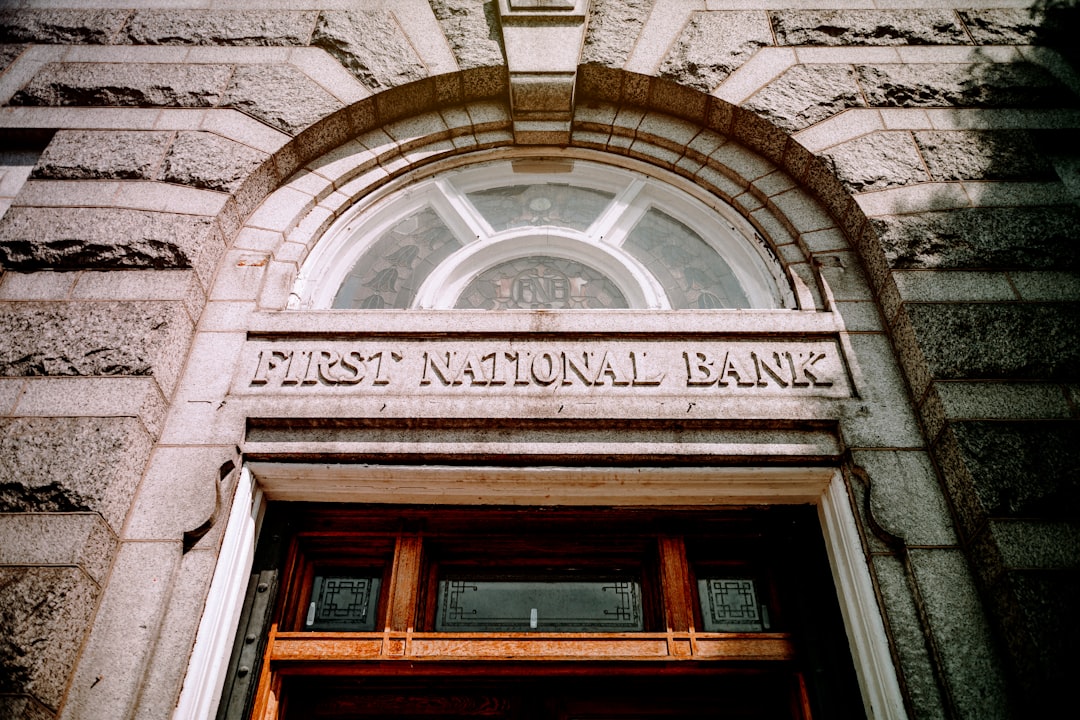
The banking system serves as a fundamental component of modern economies, providing essential services such as deposit-taking, lending, and payment processing. Following the 2008 global financial crisis, which exposed structural weaknesses including excessive risk-taking and inadequate capital reserves, regulatory bodies worldwide have implemented comprehensive reforms. These include the Basel III framework, which requires banks to maintain higher capital ratios and improved liquidity standards.
The financial services landscape has undergone significant transformation with the emergence of financial technology (fintech) companies, digital payment systems, and blockchain-based currencies. According to industry data, global fintech investment reached $105 billion in 2020, reflecting growing market demand for alternative financial solutions. Traditional banks now compete with peer-to-peer lending platforms, mobile payment applications, and cryptocurrency exchanges that offer faster transaction processing and lower fees.
Consumer behavior studies indicate increasing preference for digital banking services, with mobile banking adoption rates exceeding 75% in developed markets as of 2023. This technological shift has prompted traditional financial institutions to invest heavily in digital infrastructure and develop new service delivery models. Regulatory frameworks are simultaneously evolving to address emerging risks while fostering innovation, including the development of central bank digital currencies (CBDCs) and updated licensing requirements for fintech companies.
Key Takeaways
- Banking reform is essential to address systemic issues and improve financial inclusion.
- Technology and fintech innovations are driving significant changes in banking services and customer experience.
- Transparency, accountability, and ethical principles are critical for rebuilding trust in the banking sector.
- Regulatory changes and government involvement play a key role in shaping the future of banking.
- Sustainable banking practices and emerging trends will define the evolution of the industry.
The Role of Technology in Banking Reform
Technology has emerged as a driving force behind the transformation of the banking sector. Innovations such as artificial intelligence, blockchain, and mobile banking applications are reshaping how financial institutions operate and interact with their customers. These advancements have the potential to streamline processes, reduce costs, and enhance security, ultimately leading to a more efficient banking system.
For instance, AI-driven algorithms can analyze vast amounts of data to identify patterns and trends, enabling banks to make more informed lending decisions and mitigate risks. Furthermore, technology has democratized access to financial services. With the proliferation of smartphones and internet connectivity, individuals in remote or underserved areas can now access banking services that were previously out of reach.
Digital wallets and online banking platforms have made it easier for consumers to manage their finances, transfer money, and make payments without the need for physical bank branches. As technology continues to evolve, it will play an increasingly vital role in driving banking reform and ensuring that financial services are accessible to all.
Addressing the Issue of Financial Inclusion

Financial inclusion remains a pressing challenge for many economies worldwide. Millions of individuals lack access to basic banking services, which hinders their ability to save, invest, and participate fully in the economy. This exclusion disproportionately affects marginalized communities, including low-income households and rural populations.
Addressing this issue is essential not only for promoting economic growth but also for fostering social equity. To tackle financial inclusion effectively, banks must adopt innovative approaches that cater to the unique needs of underserved populations. This may involve developing tailored products and services that consider factors such as income levels, cultural preferences, and geographical barriers.
Additionally, partnerships with fintech companies can help banks leverage technology to reach these communities more effectively. By prioritizing financial inclusion, the banking sector can contribute to building a more equitable society where everyone has the opportunity to thrive.
The Importance of Transparency and Accountability
In an era marked by increasing skepticism towards financial institutions, transparency and accountability have become paramount. Customers are demanding greater insight into how banks operate, including their lending practices, fee structures, and investment strategies. A lack of transparency can erode trust and lead to reputational damage for banks, making it essential for institutions to adopt more open practices.
Moreover, accountability mechanisms must be strengthened to ensure that banks adhere to ethical standards and regulatory requirements. This includes implementing robust internal controls and compliance frameworks that promote responsible behavior among employees and management. By fostering a culture of transparency and accountability, banks can rebuild trust with their customers and stakeholders while mitigating risks associated with unethical practices.
Reimagining Customer Experience in Banking
| Metric | Description | Pre-Reform Value | Post-Reform Value | Change (%) |
|---|---|---|---|---|
| Non-Performing Loan Ratio | Percentage of loans in default or close to being in default | 12.5% | 6.8% | -45.6% |
| Capital Adequacy Ratio | Bank’s capital expressed as a percentage of its risk-weighted assets | 8.0% | 12.5% | 56.3% |
| Return on Assets (ROA) | Indicator of bank profitability relative to total assets | 0.5% | 1.2% | 140.0% |
| Loan-to-Deposit Ratio | Ratio of bank’s total loans to its total deposits | 85% | 78% | -8.2% |
| Number of Banks | Total number of licensed banks in the system | 120 | 95 | -20.8% |
| Financial Inclusion Rate | Percentage of population with access to banking services | 55% | 72% | 30.9% |
The customer experience in banking has traditionally been characterized by lengthy processes and bureaucratic hurdles. However, as consumer expectations evolve, banks must reimagine how they engage with their clients. A seamless and personalized customer experience is no longer a luxury; it is a necessity for retaining customers in a competitive market.
To enhance customer experience, banks can leverage data analytics to gain insights into individual preferences and behaviors. This information can be used to tailor products and services that meet specific needs while also streamlining interactions through user-friendly digital platforms. Additionally, incorporating feedback mechanisms allows banks to continuously improve their offerings based on customer input.
By prioritizing customer experience, banks can foster loyalty and drive long-term success.
The Impact of Regulatory Changes on Banking

Regulatory changes play a crucial role in shaping the banking landscape. In response to past crises and emerging challenges, governments and regulatory bodies have implemented new frameworks aimed at enhancing stability and protecting consumers. These regulations often require banks to adopt stricter capital requirements, improve risk management practices, and enhance transparency.
While regulatory changes can pose challenges for banks in terms of compliance costs and operational adjustments, they also present opportunities for innovation. Institutions that embrace regulatory changes as catalysts for improvement can differentiate themselves in the market. By proactively adapting to new regulations, banks can enhance their reputation as responsible financial institutions committed to safeguarding their customers’ interests.
The Role of Sustainable Banking Practices
Sustainable banking practices are gaining traction as consumers become increasingly aware of environmental and social issues. Banks are recognizing their responsibility to contribute positively to society by financing projects that promote sustainability and ethical practices. This shift towards sustainable banking not only aligns with consumer values but also mitigates risks associated with climate change and social inequality.
To implement sustainable practices effectively, banks must integrate environmental, social, and governance (ESG) criteria into their decision-making processes. This includes assessing the impact of lending decisions on communities and the environment while actively seeking opportunities to support green initiatives. By prioritizing sustainability, banks can position themselves as leaders in responsible finance while attracting socially conscious customers.
The Influence of Fintech on Banking Reform
Fintech companies have emerged as significant disruptors in the banking sector, challenging traditional institutions with innovative solutions that prioritize convenience and accessibility. These agile startups leverage technology to offer services such as digital payments, online lending, and robo-advisory platforms that cater to evolving consumer demands. As a result, traditional banks are compelled to adapt or risk losing market share.
The influence of fintech extends beyond competition; it also drives collaboration between established banks and emerging startups. Many traditional institutions are recognizing the value of partnering with fintech companies to enhance their service offerings and improve operational efficiency. By embracing fintech innovations, banks can accelerate their reform efforts while delivering enhanced value to their customers.
The Case for Ethical Banking Principles
Ethical banking principles are gaining prominence as consumers demand greater accountability from financial institutions. These principles emphasize responsible lending practices, fair treatment of customers, and a commitment to social responsibility. Banks that adopt ethical practices not only build trust with their clients but also contribute positively to society by supporting initiatives that promote economic development and social equity.
Implementing ethical banking principles requires a cultural shift within institutions that prioritizes integrity over profit maximization. This involves training employees on ethical decision-making and establishing clear guidelines for responsible behavior. By embedding ethical principles into their operations, banks can differentiate themselves in a crowded market while fostering long-term relationships with customers who share similar values.
The Role of Government in Banking Reform
Government intervention plays a critical role in shaping the future of banking reform. Policymakers have the responsibility to create an environment that fosters innovation while ensuring consumer protection and financial stability.
Governments can also support banking reform by investing in financial literacy programs that empower consumers to make informed decisions about their finances. By promoting education around banking products and services, policymakers can help bridge the gap between consumers and financial institutions.
The Future of Banking: Trends and Predictions
As the banking sector continues to evolve, several trends are likely to shape its future trajectory. The integration of advanced technologies such as artificial intelligence and machine learning will enable banks to enhance risk management capabilities while personalizing customer experiences at an unprecedented scale. Additionally, the rise of decentralized finance (DeFi) may challenge traditional banking models by offering alternative solutions that bypass conventional intermediaries.
Furthermore, sustainability will remain a key focus area as consumers increasingly prioritize ethical considerations in their financial decisions. Banks that embrace sustainable practices will not only attract socially conscious customers but also mitigate risks associated with climate change. In conclusion, the future of banking is poised for transformation driven by technological advancements, changing consumer expectations, and a growing emphasis on ethical practices.
As stakeholders across the industry work together to address these challenges and opportunities, they will shape a more inclusive, transparent, and sustainable banking system that meets the needs of society as a whole.
In the ongoing discussion about banking system reform, a particularly insightful article can be found on the Real Lore and Order website. This piece delves into the complexities of current banking practices and suggests innovative reforms that could enhance financial stability and consumer protection. For more details, you can read the article [here](https://www.realloreandorder.com/).
FAQs
What is banking system reform?
Banking system reform refers to the process of making changes to the regulations, policies, and structures governing banks and financial institutions to improve their stability, efficiency, and ability to serve the economy.
Why are banking system reforms necessary?
Reforms are necessary to address issues such as financial instability, non-performing loans, inadequate regulatory oversight, and to promote transparency, competition, and financial inclusion within the banking sector.
What are common objectives of banking system reform?
Common objectives include enhancing the resilience of banks, improving risk management, increasing access to banking services, fostering economic growth, and protecting depositors’ interests.
Who typically implements banking system reforms?
Banking system reforms are usually implemented by government authorities, central banks, financial regulatory agencies, and sometimes international organizations like the IMF or World Bank.
What are some examples of banking system reforms?
Examples include strengthening capital requirements, improving supervisory frameworks, restructuring troubled banks, introducing deposit insurance schemes, and promoting digital banking services.
How do banking reforms impact consumers?
Reforms can lead to safer banking environments, better customer service, more product choices, and increased access to credit, but they may also result in stricter lending criteria or changes in fees.
What challenges are associated with banking system reform?
Challenges include resistance from stakeholders, the complexity of implementing new regulations, potential short-term disruptions, and ensuring reforms are adapted to the specific economic context.
How long does it take to see the effects of banking system reform?
The timeline varies widely; some reforms may show results within months, while others, especially structural changes, can take several years to fully materialize.
Can banking system reform prevent financial crises?
While reforms can reduce the risk and severity of financial crises by promoting stability and sound practices, they cannot completely eliminate the possibility of crises.
What role does technology play in banking system reform?
Technology facilitates reforms by enabling digital banking, improving regulatory compliance through better data analytics, enhancing security, and expanding financial inclusion through mobile and online platforms.