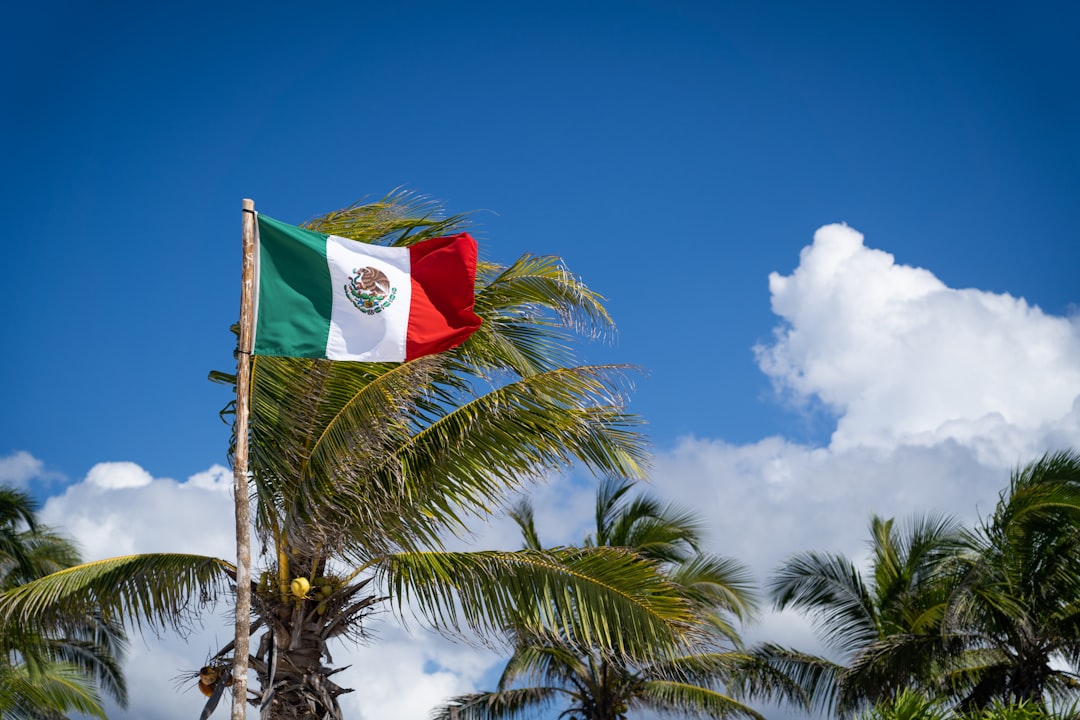
Mexican nearshoring companies have emerged as pivotal players in the global supply chain landscape, particularly in the wake of increasing demand for efficiency and cost-effectiveness. Nearshoring refers to the practice of relocating business operations to a nearby country, which, in the case of the United States, often means Mexico. This strategic move allows companies to benefit from reduced shipping times and costs while maintaining proximity to their primary markets.
The Mexican nearshoring sector encompasses a wide range of industries, including manufacturing, technology, and logistics, making it a versatile option for businesses looking to optimize their operations. The growth of Mexican nearshoring companies can be attributed to several factors, including Mexico’s favorable trade agreements, skilled labor force, and competitive labor costs. The United States-Mexico-Canada Agreement (USMCA) has further solidified Mexico’s position as an attractive destination for nearshoring by providing tariff-free access to the North American market.
Additionally, Mexico’s geographical proximity to the U.S. allows for quicker turnaround times and more efficient supply chain management. As companies increasingly seek to mitigate risks associated with global supply chains, understanding the dynamics of Mexican nearshoring becomes essential for investors and business leaders alike.
Key Takeaways
- Mexican nearshoring companies offer cost-effective solutions for businesses looking to outsource their operations to a nearby location.
- Investing in Mexican nearshoring companies can lead to reduced transportation costs, shorter lead times, and improved communication and cultural alignment.
- Before investing in Mexican nearshoring companies, it is important to consider factors such as political stability, infrastructure, labor force, and security risks.
- The Mexican nearshoring industry can be evaluated based on factors like market size, growth rate, competition, and technological advancements.
- Risks associated with investing in Mexican nearshoring companies include currency fluctuations, geopolitical instability, and legal and regulatory challenges.
Benefits of Investing in Mexican Nearshoring Companies
Investing in Mexican nearshoring companies offers a multitude of advantages that can significantly enhance a business’s operational efficiency and profitability. One of the most compelling benefits is the cost savings associated with labor and production. Compared to other countries, Mexico provides a skilled workforce at a fraction of the cost, allowing companies to maintain high-quality standards while reducing overall expenses.
This financial advantage is particularly appealing for industries such as manufacturing and assembly, where labor costs can significantly impact profit margins. In addition to cost savings, investing in Mexican nearshoring companies can lead to improved supply chain resilience. The COVID-19 pandemic highlighted vulnerabilities in global supply chains, prompting many businesses to reconsider their sourcing strategies.
By nearshoring operations to Mexico, companies can reduce their dependency on distant suppliers and mitigate risks related to transportation delays and geopolitical tensions. Furthermore, the ability to respond quickly to market changes and customer demands is enhanced when operations are located closer to the end consumer, making Mexican nearshoring an attractive option for businesses aiming for agility in their operations.
Factors to Consider Before Investing in Mexican Nearshoring Companies
Before diving into investments in Mexican nearshoring companies, several critical factors warrant careful consideration. First and foremost is the evaluation of the specific industry landscape within Mexico. Different sectors may experience varying levels of growth and stability, influenced by local regulations, market demand, and competition.
Investors should conduct thorough market research to identify which industries are thriving and align with their investment goals. Another essential factor is understanding the cultural and operational nuances of doing business in Mexico. While the country offers numerous advantages, it also presents unique challenges such as language barriers, differing business practices, and regulatory complexities.
Investors must be prepared to navigate these challenges by building strong relationships with local partners and stakeholders. Engaging with experienced consultants or legal advisors familiar with the Mexican market can provide valuable insights and facilitate smoother entry into the nearshoring landscape.
Evaluating the Mexican Nearshoring Industry
| Metrics | 2018 | 2019 | 2020 |
|---|---|---|---|
| Number of Nearshoring Companies | 120 | 135 | 150 |
| Employment in Nearshoring Industry (thousands) | 250 | 275 | 300 |
| Revenue Generated (in millions) | 3,500 | 3,800 | 4,200 |
| Customer Satisfaction Rate (%) | 85 | 87 | 89 |
A comprehensive evaluation of the Mexican nearshoring industry requires an analysis of its current state and future prospects. The industry has witnessed significant growth over the past decade, driven by factors such as globalization, technological advancements, and shifts in consumer behavior. Key sectors within the nearshoring landscape include electronics manufacturing, automotive production, and information technology services.
Each of these sectors presents unique opportunities for investors looking to capitalize on Mexico’s strategic advantages. Moreover, the Mexican government has actively promoted foreign investment through various incentives and initiatives aimed at enhancing infrastructure and workforce development. This supportive environment has attracted numerous multinational corporations seeking to establish or expand their operations in Mexico.
As a result, the nearshoring industry is poised for continued growth, making it an attractive area for investment. However, investors should remain vigilant about potential market fluctuations and evolving consumer preferences that could impact industry dynamics.
Risks Associated with Investing in Mexican Nearshoring Companies
While investing in Mexican nearshoring companies presents numerous opportunities, it is not without its risks. One significant concern is political instability and changes in government policies that could affect foreign investment. Investors must stay informed about the political climate in Mexico and be prepared for potential shifts that could impact their operations or profitability.
Additionally, issues related to corruption and bureaucratic inefficiencies can pose challenges for businesses operating in the region. Another risk factor is the potential for economic fluctuations that could affect demand for products and services produced by nearshoring companies. Economic downturns or changes in consumer behavior can lead to reduced orders and revenue losses for businesses reliant on nearshoring strategies.
Investors should conduct thorough due diligence and consider diversifying their portfolios to mitigate these risks effectively.
Key Players in the Mexican Nearshoring Market
The Mexican nearshoring market is characterized by a diverse array of key players ranging from established multinational corporations to emerging local firms. Major global companies such as General Motors, Ford, and Siemens have long recognized Mexico’s strategic advantages and have established significant manufacturing operations within the country. These corporations benefit from Mexico’s skilled labor force and favorable trade agreements while contributing to local economic development.
In addition to large multinationals, numerous small and medium-sized enterprises (SMEs) are making their mark in the nearshoring landscape. These companies often specialize in niche markets or provide tailored services that cater to specific client needs. The presence of both large corporations and SMEs creates a dynamic ecosystem that fosters innovation and competition within the industry.
Legal and Regulatory Considerations for Investing in Mexican Nearshoring Companies
Navigating the legal and regulatory landscape is crucial for investors looking to establish a foothold in Mexican nearshoring companies. The country has made significant strides in improving its business environment through reforms aimed at enhancing transparency and reducing bureaucratic hurdles. However, investors must remain vigilant about compliance with local laws and regulations governing foreign investment, labor practices, and environmental standards.
Understanding intellectual property rights is also essential for businesses operating in Mexico’s nearshoring sector. Protecting proprietary technologies and innovations is critical for maintaining a competitive edge in today’s fast-paced market. Investors should seek legal counsel with expertise in Mexican law to ensure compliance with all relevant regulations while safeguarding their intellectual property interests.
Financial Analysis of Mexican Nearshoring Companies
Conducting a thorough financial analysis of potential investments in Mexican nearshoring companies is vital for informed decision-making. Investors should assess key financial metrics such as revenue growth, profit margins, and return on investment (ROI) to gauge a company’s performance relative to its peers. Additionally, evaluating cash flow statements can provide insights into a company’s liquidity position and ability to meet short-term obligations.
Investors should also consider external factors that may impact financial performance, such as currency fluctuations and changes in trade policies. The value of the Mexican peso against other currencies can significantly influence profit margins for companies engaged in international trade. By conducting comprehensive financial analyses that account for both internal performance metrics and external economic conditions, investors can make more informed decisions regarding their investments in Mexican nearshoring companies.
Growth Potential of Mexican Nearshoring Companies
The growth potential of Mexican nearshoring companies remains robust as businesses increasingly recognize the advantages of relocating operations closer to key markets. The ongoing trend toward digital transformation and automation further enhances this potential by enabling companies to streamline processes and improve efficiency. As technology continues to evolve, Mexican nearshoring firms are well-positioned to leverage these advancements to drive innovation and competitiveness.
Moreover, Mexico’s strategic location serves as a gateway to both North American and Latin American markets, providing companies with access to diverse consumer bases. As global supply chains continue to adapt to changing market dynamics, businesses that invest in Mexican nearshoring are likely to benefit from increased demand for localized production capabilities. This growth trajectory presents significant opportunities for investors seeking long-term returns in a rapidly evolving landscape.
Tips for Successful Investing in Mexican Nearshoring Companies
For investors looking to succeed in the Mexican nearshoring market, several key strategies can enhance their chances of achieving favorable outcomes. First, conducting thorough due diligence is paramount; this includes researching potential partners, understanding market trends, and evaluating financial performance metrics. Engaging local experts who possess knowledge of the regulatory environment can also provide valuable insights that inform investment decisions.
Building strong relationships with local stakeholders is another critical component of successful investing in Mexico’s nearshoring sector. Establishing trust with suppliers, customers, and government officials can facilitate smoother operations and enhance collaboration opportunities. Additionally, staying adaptable and responsive to changing market conditions will enable investors to navigate challenges effectively while capitalizing on emerging opportunities within the dynamic landscape of Mexican nearshoring.
Case Studies of Successful Investments in Mexican Nearshoring Companies
Examining case studies of successful investments in Mexican nearshoring companies provides valuable insights into best practices and strategies that have yielded positive results. For instance, a prominent U.S.
By leveraging Mexico’s skilled workforce and proximity to its primary market, the company achieved significant cost savings while improving delivery times.
Another notable example involves a technology firm that expanded its software development operations into Mexico through strategic partnerships with local talent pools. This move not only allowed the company to tap into a diverse range of skills but also positioned it favorably within the growing tech ecosystem in Mexico City. By fostering collaboration with local universities and tech hubs, the firm was able to innovate rapidly while benefiting from lower operational costs compared to its home country.
In conclusion, investing in Mexican nearshoring companies presents a compelling opportunity for businesses seeking efficiency, cost savings, and access to new markets. However, careful consideration of various factors—including industry dynamics, legal considerations, financial performance metrics, and potential risks—is essential for successful investment outcomes. By leveraging insights from case studies and adopting best practices tailored to the unique characteristics of the Mexican market, investors can position themselves for success within this dynamic landscape.
If you’re interested in exploring investment opportunities in Mexican nearshoring companies, you might find valuable insights in a related article on the topic. For a deeper understanding of the economic landscape and strategic advantages of investing in Mexico, consider reading this article that delves into the nuances of nearshoring and its potential benefits. This resource provides a comprehensive overview of the factors driving the growth of nearshoring in Mexico, making it a must-read for potential investors looking to capitalize on this trend.
FIND OUT! Why America’s 🇺🇸 Factories Are Moving to Mexico
FAQs
What is nearshoring?
Nearshoring is the practice of transferring business processes or services to a nearby country, typically one that shares a border with the company’s home country. This is often done to take advantage of lower costs, proximity, and cultural similarities.
Why invest in Mexican nearshoring companies?
Investing in Mexican nearshoring companies can be attractive due to Mexico’s proximity to the United States, lower labor costs compared to the US, a skilled workforce, and a growing economy. Additionally, investing in nearshoring companies can provide diversification and potential growth opportunities for investors.
What are the potential risks of investing in Mexican nearshoring companies?
Some potential risks of investing in Mexican nearshoring companies include political and economic instability, currency exchange rate fluctuations, regulatory changes, and security concerns. It’s important for investors to conduct thorough research and due diligence before making any investment decisions.
How can investors invest in Mexican nearshoring companies?
Investors can invest in Mexican nearshoring companies through various means, including purchasing stocks of publicly traded companies, investing in private equity or venture capital funds focused on nearshoring, or exploring opportunities in the Mexican real estate market related to nearshoring operations.
What are some key factors to consider when investing in Mexican nearshoring companies?
Key factors to consider when investing in Mexican nearshoring companies include the company’s financial performance, industry trends, competitive landscape, regulatory environment, management team, and potential risks and opportunities associated with nearshoring in Mexico. It’s also important to consider the overall economic and political climate in Mexico.