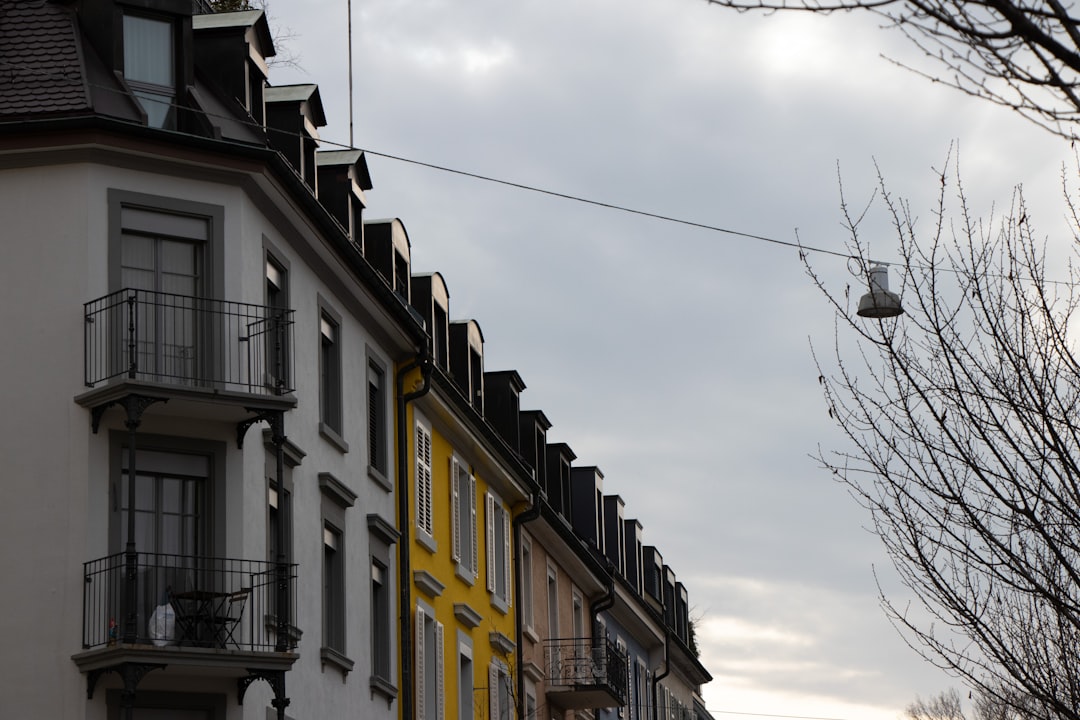
The current rental market is characterized by rapid changes and intense competition. Rental property demand has increased significantly due to various economic and social factors that have influenced housing preferences. A growing number of individuals and families are choosing to rent instead of purchasing homes, making the rental market a critical focus for both tenants and property owners.
Rental prices in numerous urban areas have reached record highs, creating substantial challenges for renters seeking affordable housing options. Supply and demand dynamics are fundamental drivers in this market environment. Many cities face shortages of available rental units, resulting in competitive bidding situations and increased competition among prospective tenants.
Multiple applicants frequently compete for individual properties, which often drives rental prices higher. This competitive market environment requires tenants to understand current market conditions to make well-informed housing decisions.
Key Takeaways
- Rental demand is surging due to various economic and social factors, impacting market dynamics.
- The pandemic has significantly influenced rental prices, causing notable fluctuations in many cities.
- Renters face challenges such as affordability issues and increased competition in high-demand areas.
- Real estate investors and government policies play crucial roles in shaping rental price trends.
- Effective strategies, including negotiation and financial planning, are essential for securing affordable rentals.
Factors Contributing to the Surging Demand for Rentals
Several factors are driving the surging demand for rentals, and recognizing these can provide valuable insights into your own housing search. One significant contributor is the shift in lifestyle preferences, particularly among younger generations. Many millennials and Gen Z individuals prioritize flexibility and mobility over long-term commitments, leading them to favor renting over homeownership.
As you consider your own living situation, you may find that the appeal of a rental property lies in its ability to offer you the freedom to relocate without the burdens of a mortgage. Additionally, economic factors play a pivotal role in shaping rental demand. The rising cost of homeownership, coupled with student loan debt and stagnant wages, has made it increasingly difficult for many to enter the housing market.
As you assess your financial situation, you may realize that renting is not only more feasible but also aligns better with your current lifestyle. This trend has resulted in a growing number of individuals seeking rental properties, further intensifying competition and driving up prices.
Impact of the Pandemic on Rental Prices
The COVID-19 pandemic has had a profound impact on rental prices, creating a unique set of challenges and opportunities for renters. Initially, as lockdowns were implemented and economic uncertainty loomed, many landlords were forced to lower their prices or offer incentives to attract tenants. You may have noticed that some urban areas experienced temporary declines in rental rates as people fled to suburban or rural locations in search of more space and affordability.
However, as the world began to adapt to the new normal, the rental market rebounded with surprising speed. With remote work becoming more prevalent, many individuals found themselves reevaluating their living situations. As you consider your own housing needs, you might find that the desire for larger living spaces or homes with dedicated office areas has fueled demand in certain markets.
Consequently, rental prices in these sought-after areas have surged once again, reflecting the changing priorities of renters in a post-pandemic world.
Cities Experiencing the Highest Rental Price Increases
As you explore potential rental options, it’s essential to be aware of which cities are experiencing the highest rental price increases. Major metropolitan areas such as San Francisco, New York City, and Los Angeles have long been known for their exorbitant rents, but recent trends indicate that even smaller cities are witnessing significant price hikes. For instance, cities like Austin and Nashville have become popular destinations for young professionals seeking vibrant cultural scenes and job opportunities, leading to increased competition and rising rents.
In your search for affordable housing, it may be beneficial to consider emerging markets where rental prices are still relatively reasonable compared to larger cities. Cities like Charlotte or Denver are gaining traction among renters looking for a balance between urban amenities and affordability. By broadening your search parameters and exploring these up-and-coming areas, you may discover hidden gems that offer both quality living spaces and more manageable rental prices.
Challenges Faced by Renters in the Current Market
| Factor | Description | Impact on Rent Prices | Example Metrics |
|---|---|---|---|
| Housing Supply Shortage | Insufficient new housing units being built to meet demand | Increases competition, driving rents higher | New housing starts down 15% over last 5 years |
| Increased Demand | Population growth and urbanization leading to more renters | Higher demand pushes rents upward | Urban population growth at 3% annually |
| Inflation and Construction Costs | Rising costs for materials and labor increase development expenses | Developers raise rents to cover higher costs | Construction costs up 20% in past 2 years |
| Low Vacancy Rates | Few available rental units in the market | Landlords can charge higher rents due to scarcity | Vacancy rates below 3% in major cities |
| Interest Rate Increases | Higher mortgage rates increase landlord financing costs | Costs passed on to renters through higher rents | Mortgage rates increased by 2% in last year |
| Regulatory Constraints | Zoning laws and building restrictions limit new developments | Limits supply, contributing to rent increases | Permitting delays average 6 months longer |
| Short-Term Rentals | Conversion of long-term rentals to short-term platforms like Airbnb | Reduces long-term rental stock, increasing rents | 10% of rental units converted to short-term rentals |
Navigating the current rental market comes with its fair share of challenges, and understanding these obstacles can help you better prepare for your search. One significant issue is the lack of available inventory in many desirable neighborhoods. As you begin your hunt for a new place, you may find that suitable properties are quickly snatched up by other eager renters, leaving you feeling frustrated and overwhelmed.
Moreover, rising rental prices can create financial strain for many individuals and families. You might find yourself grappling with tough decisions about how much of your budget to allocate toward housing while still maintaining a comfortable lifestyle. This balancing act can be particularly challenging in competitive markets where landlords often expect higher rents than what is deemed reasonable.
Being aware of these challenges can empower you to approach your search with realistic expectations and a strategic mindset.
Strategies for Finding Affordable Rentals in a Competitive Market

In a competitive rental market, employing effective strategies can significantly enhance your chances of finding an affordable place to live. One approach is to expand your search criteria beyond traditional neighborhoods or popular areas. By considering up-and-coming neighborhoods or suburbs that are well-connected to public transportation, you may uncover hidden opportunities that offer lower rents without sacrificing convenience.
Additionally, leveraging technology can be a game-changer in your search for rentals. Utilizing online platforms and apps designed for apartment hunting can help you stay updated on new listings and streamline your search process. You might also consider networking with friends or colleagues who may have leads on available rentals or even reaching out directly to landlords or property managers about upcoming vacancies.
By being proactive and resourceful, you can increase your chances of finding an affordable rental in a competitive market.
The Role of Real Estate Investors in Driving Rental Prices
Real estate investors play a significant role in shaping the rental market landscape, often influencing rental prices through their investment strategies. As you delve deeper into your understanding of the market, you may notice that institutional investors have increasingly entered the residential rental space, purchasing large portfolios of properties to rent out at premium rates. This trend can contribute to rising rents as investors seek to maximize their returns on investment.
Moreover, the presence of real estate investors can lead to gentrification in certain neighborhoods, further driving up rental prices and displacing long-term residents. As you consider your own housing options, it’s essential to be aware of how these dynamics may impact your search for affordable rentals. Understanding the motivations behind real estate investment can help you navigate potential challenges while also identifying opportunities in less competitive markets.
Government Policies and Initiatives to Address Rising Rental Prices
In response to the escalating rental prices affecting many communities, various government policies and initiatives have emerged aimed at addressing this pressing issue. Rent control measures have been implemented in some cities as a way to stabilize housing costs and protect tenants from exorbitant rent increases. As you explore your options as a renter, it’s worth researching whether such policies exist in your desired area and how they might impact your rental experience.
Additionally, some local governments are investing in affordable housing initiatives designed to increase the availability of low-income housing options. These programs often involve partnerships with developers to create new units or rehabilitate existing properties. By staying informed about these initiatives, you can better understand the resources available to you as a renter and potentially access more affordable housing options.
The Future Outlook for Rental Prices
Looking ahead, the future outlook for rental prices remains uncertain but is likely influenced by several key factors. Economic conditions will play a crucial role in determining how rental markets evolve over time. If inflation continues to rise or if interest rates increase significantly, potential homebuyers may remain sidelined, keeping demand for rentals high.
As you consider your own housing plans, it’s essential to stay attuned to economic trends that could impact your rental options. Additionally, demographic shifts will continue to shape the rental landscape as younger generations prioritize flexibility and urban living. This ongoing trend may sustain demand for rentals in urban centers while also creating opportunities in suburban areas as remote work becomes more entrenched in corporate culture.
By keeping an eye on these trends, you can better position yourself within the evolving rental market.
Tips for Negotiating Rental Prices in a Competitive Market
When faced with rising rental prices in a competitive market, knowing how to negotiate effectively can make all the difference in securing an affordable lease. One strategy is to conduct thorough research on comparable properties in the area before entering negotiations. By understanding what similar units are renting for, you can present a compelling case when discussing pricing with landlords or property managers.
Additionally, consider offering longer lease terms or demonstrating your reliability as a tenant through references or proof of income stability. Landlords may be more inclined to negotiate if they see you as a responsible tenant who will take care of their property. As you approach negotiations with confidence and preparation, you’ll increase your chances of reaching an agreement that works for both parties.
The Importance of Financial Planning for Renters in a High-priced Rental Market
In today’s high-priced rental market, financial planning is more critical than ever for renters like yourself. Establishing a clear budget that accounts for not only rent but also utilities, groceries, transportation, and other living expenses is essential for maintaining financial stability. You might find it helpful to track your spending habits over time to identify areas where you can cut back or save more effectively.
Moreover, building an emergency fund can provide peace of mind as unexpected expenses arise during your renting journey. Having savings set aside can help cushion any financial shocks while ensuring that you’re prepared for potential rent increases or other unforeseen costs associated with renting. By prioritizing financial planning now, you’ll be better equipped to navigate the challenges of today’s competitive rental market while securing a comfortable living situation that aligns with your budgetary goals.
The recent surge in rent prices can be attributed to a variety of factors, including increased demand and limited housing supply. For a deeper understanding of the dynamics at play, you can read more in the article available at Real Lore and Order, which explores the underlying causes of the current rental market crisis.
FAQs
What are the main factors causing rent prices to increase?
Several factors contribute to rising rent prices, including increased demand for rental housing, limited housing supply, higher construction and maintenance costs, inflation, and changes in local economic conditions such as job growth and population increases.
How does housing supply affect rent prices?
When the supply of available rental units is low compared to demand, landlords can charge higher rents. Limited new construction, zoning restrictions, and delays in building permits can all reduce housing supply, driving up rent prices.
Does inflation impact rent prices?
Yes, inflation can lead to higher rent prices. As the cost of goods and services rises, landlords may increase rents to cover higher expenses such as property maintenance, utilities, and taxes.
How do local economic conditions influence rent prices?
Strong local economies with job growth and population increases often see higher demand for rental housing, which can push rents upward. Conversely, areas with economic decline may experience stagnant or falling rents.
Are rent prices rising everywhere or only in certain areas?
Rent price increases are often more pronounced in urban centers and regions with strong job markets and limited housing supply. However, trends can vary widely depending on local factors such as government policies, economic conditions, and housing availability.
What role do government policies play in rent price changes?
Government policies such as rent control, zoning laws, and housing subsidies can influence rent prices. For example, rent control can limit increases, while restrictive zoning can reduce housing supply and contribute to higher rents.
Can rising construction costs affect rent prices?
Yes, higher costs for materials, labor, and land can increase the expense of building new rental properties. These increased costs are often passed on to tenants in the form of higher rents.
How does population growth impact rent prices?
Population growth increases demand for housing. If the supply of rental units does not keep pace with the growing population, rent prices tend to rise due to increased competition for available units.
Are there any short-term factors that can cause rent prices to spike?
Short-term factors such as natural disasters, sudden economic changes, or shifts in migration patterns can temporarily reduce housing availability or increase demand, leading to rent price spikes.
What can renters do to cope with rising rent prices?
Renters can consider negotiating lease terms, seeking housing in less expensive areas, sharing housing costs with roommates, or exploring rental assistance programs offered by governments or nonprofits.