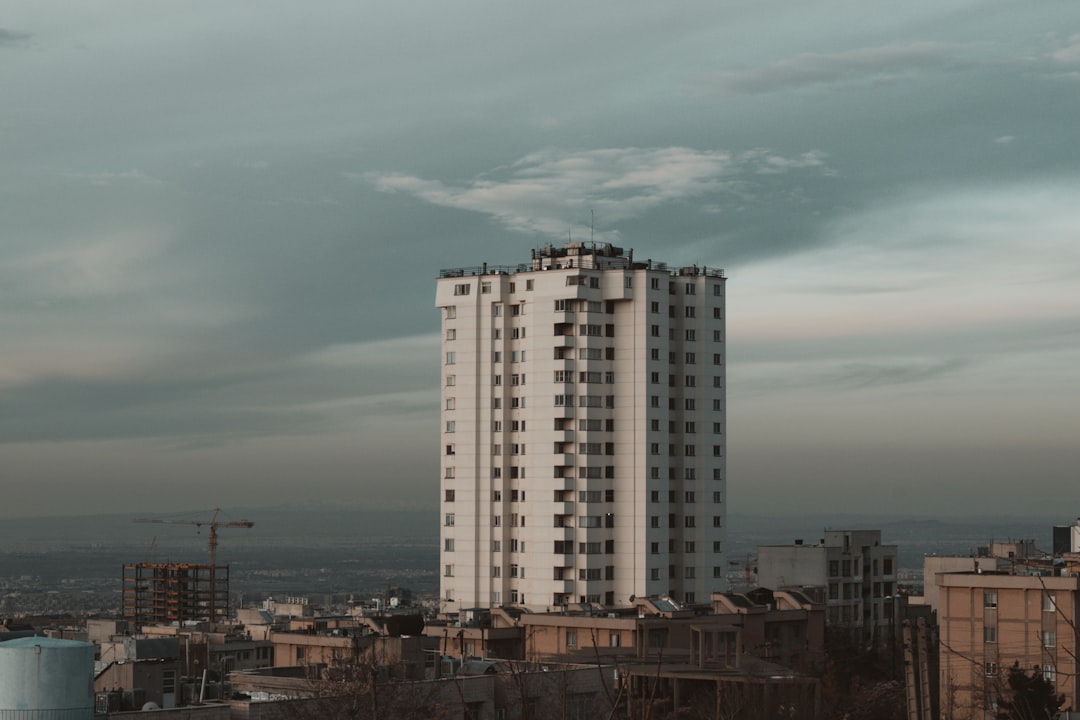
The housing crisis affects millions of individuals and families across numerous communities worldwide. This documentary examines the multifaceted nature of housing insecurity through personal accounts, expert analysis, and visual documentation. The film presents the experiences of people facing homelessness or living in inadequate housing conditions, highlighting the human impact of this widespread issue.
The documentary explores the systemic factors contributing to housing instability, including economic policies, market dynamics, and institutional responses. Through interviews with housing advocates, policy experts, and affected individuals, the film provides insight into the structural causes of housing insecurity and its effects on communities. The documentary addresses housing as both a practical necessity and a fundamental human need, examining how lack of stable housing affects health, education, employment, and social stability.
The film presents data and case studies that illustrate the scope and consequences of the housing crisis across different demographics and geographic regions.
Key Takeaways
- The documentary explores the deep-rooted housing crisis and its historical background.
- It highlights the causes and widespread impact on communities and individuals.
- Government responses and the influence of big corporations are critically examined.
- Personal stories and activism efforts showcase the human side and push for change.
- Proposed solutions and a call to action emphasize the need for urgent intervention and future planning.
Historical Context of the Housing Crisis
To fully grasp the current housing crisis, it is essential to understand its historical roots. The evolution of housing policies over the decades has significantly shaped the landscape we see today. From post-World War II suburban expansion to the urban decay of the 1970s and 1980s, each era has left its mark on housing availability and affordability.
You may find it enlightening to learn how government initiatives, such as redlining and discriminatory lending practices, have systematically marginalized certain communities, creating a legacy of inequality that persists to this day. Moreover, the economic shifts that have occurred over the last few decades have exacerbated these issues. The rise of globalization and the decline of manufacturing jobs have led to increased economic disparity.
As you delve into this historical context, you will begin to see how these factors have contributed to a perfect storm of housing instability. The documentary highlights key moments in history that have shaped public perception and policy regarding housing, providing you with a comprehensive understanding of how we arrived at this critical juncture.
Causes of the Housing Crisis

As you explore the causes of the housing crisis, it becomes clear that this issue is multifaceted and deeply intertwined with various socio-economic factors. One significant contributor is the skyrocketing cost of living in urban areas, where demand for housing often outstrips supply. You may find it alarming to discover how gentrification has displaced long-standing residents, pushing them out of neighborhoods they have called home for generations.
This phenomenon not only affects individuals but also erodes community ties and cultural heritage. Additionally, the documentary sheds light on the role of income inequality in exacerbating housing challenges. With wages stagnating while housing prices soar, many individuals and families find themselves trapped in a cycle of financial instability.
You will see how this economic pressure forces people to make difficult choices, often sacrificing their health and well-being for the sake of securing a roof over their heads. By understanding these causes, you will gain insight into the systemic nature of the crisis and why it requires comprehensive solutions.
Impact on Communities and Individuals
The impact of the housing crisis extends far beyond individual families; it reverberates throughout entire communities. As you witness personal stories in the documentary, you will come to understand how housing insecurity can lead to a cascade of negative outcomes. Families facing eviction often experience heightened stress levels, which can affect mental health and overall well-being.
Children in unstable housing situations may struggle academically and socially, leading to long-term consequences that can perpetuate cycles of poverty. Moreover, communities grappling with high rates of homelessness or substandard housing often face increased crime rates and diminished social cohesion. You may find it disheartening to see how neighborhoods once vibrant with life can become shadows of their former selves when residents are forced to leave due to unaffordable rents or unsafe living conditions.
The documentary emphasizes that addressing housing insecurity is not just about providing shelter; it is about fostering healthy, thriving communities where individuals can flourish.
Government Response to the Crisis
| Metric | Value | Description |
|---|---|---|
| Documentary Title | Housing Crisis: The Struggle for Shelter | Name of the documentary |
| Release Year | 2023 | Year the documentary was released |
| Duration | 90 minutes | Total runtime of the documentary |
| Number of Interviews | 15 | Number of expert and affected individuals interviewed |
| Average Housing Cost Increase | 35% | Average increase in housing costs over the last decade |
| Homelessness Rate | 0.5% | Percentage of population experiencing homelessness in featured cities |
| Rental Vacancy Rate | 3% | Average rental vacancy rate in the areas covered |
| Viewer Rating | 8.2/10 | Average rating from viewers on popular platforms |
| Call to Action | Support affordable housing initiatives | Main message encouraged by the documentary |
In response to the growing housing crisis, government action has been both varied and often inadequate. The documentary highlights several key policies that have been implemented over the years, from affordable housing initiatives to rent control measures. However, as you will see, these efforts have frequently fallen short of addressing the root causes of the crisis.
You may find it frustrating to learn about bureaucratic hurdles that hinder effective implementation or funding shortfalls that limit the reach of these programs. Furthermore, the documentary raises critical questions about political will and accountability. Are policymakers truly committed to solving the housing crisis, or are they merely paying lip service?
As you reflect on these issues, you will be encouraged to consider how advocacy and public pressure can influence government action. The film serves as a call for greater transparency and responsiveness from those in power, urging viewers like you to hold leaders accountable for their decisions regarding housing policy.
Personal Stories and Testimonials

One of the most powerful aspects of the documentary is its focus on personal stories and testimonials from individuals directly affected by the housing crisis. As you listen to their experiences, you will be struck by their resilience and determination in the face of adversity. These narratives humanize an issue that is often reduced to statistics and headlines, allowing you to connect on a deeper level with those who are struggling.
You may find yourself moved by stories of families who have faced eviction or individuals who have experienced homelessness firsthand. Their journeys reveal not only the challenges they encounter but also their hopes for a better future. The documentary emphasizes that behind every statistic is a person with dreams, aspirations, and a desire for stability.
By sharing these stories, it aims to foster empathy and encourage viewers like you to take action in support of those affected by housing insecurity.
Advocacy and Activism
The documentary also highlights the vital role that advocacy and activism play in addressing the housing crisis. You will see how grassroots organizations and community leaders are working tirelessly to raise awareness and push for policy changes that prioritize affordable housing. Their efforts serve as a reminder that collective action can lead to meaningful change, inspiring you to consider how you might get involved in your own community.
As you watch activists share their experiences and strategies for mobilizing support, you may feel empowered to join their ranks or support their initiatives in some way. The documentary illustrates that advocacy is not limited to large organizations; even small actions can make a difference. Whether it’s attending local meetings, participating in campaigns, or simply spreading awareness through social media, your involvement can contribute to a larger movement aimed at combating housing insecurity.
Solutions and Interventions
While the documentary paints a sobering picture of the housing crisis, it also offers hope by presenting potential solutions and interventions. You will learn about innovative approaches being implemented in various communities across the country—ranging from community land trusts to cooperative housing models—that prioritize affordability and sustainability. These initiatives demonstrate that there are viable alternatives to traditional housing development that can benefit both residents and local economies.
Moreover, the film emphasizes the importance of collaboration among stakeholders—government agencies, non-profits, private developers, and community members—to create comprehensive solutions that address both immediate needs and long-term sustainability. As you consider these solutions, you may feel inspired by the possibility of creating change within your own community. The documentary encourages viewers like you to advocate for policies that support affordable housing initiatives and challenge systems that perpetuate inequality.
Role of Big Corporations and Developers
The documentary does not shy away from examining the role that big corporations and developers play in shaping the housing landscape. You will see how profit-driven motives can lead to practices that prioritize financial gain over community well-being. The film raises critical questions about corporate responsibility and accountability in an industry where decisions made by a few can have profound impacts on many.
As you reflect on this aspect of the crisis, you may find yourself questioning how much influence corporations should have over essential services like housing. The documentary encourages viewers like you to consider supporting local businesses and developers who prioritize ethical practices over profit maximization. By advocating for responsible development that considers community needs, you can contribute to a more equitable housing market.
Future Outlook and Predictions
Looking ahead, the documentary presents various predictions regarding the future of housing in light of current trends. You will learn about potential scenarios based on economic forecasts, demographic shifts, and policy changes that could either exacerbate or alleviate the crisis. As you absorb this information, it becomes clear that proactive measures are essential if we hope to create a more equitable future for all.
The film emphasizes that while challenges remain daunting, there is also room for optimism if communities come together to advocate for change. You may feel inspired by stories of resilience and innovation that suggest a brighter future is possible through collective action and commitment to social justice. By engaging with these predictions, you can better understand your role in shaping a more equitable housing landscape.
Call to Action
As the documentary draws to a close, it leaves you with a powerful call to action: your involvement matters. Whether through advocacy, education, or direct support for those affected by housing insecurity, there are countless ways for you to make a difference.
You may feel compelled to reach out to local organizations working on housing issues or participate in community discussions about affordable housing initiatives. By sharing what you’ve learned with friends and family or engaging in conversations about these critical issues on social media platforms, you can help raise awareness and inspire others to join the fight against housing insecurity. Ultimately, this documentary serves as both an eye-opener and a rallying cry—reminding you that together we can work toward a future where everyone has access to safe and affordable housing.
In exploring the complexities of the housing crisis, the documentary sheds light on various factors contributing to the current situation. For a deeper understanding of the systemic issues at play, you can read a related article that discusses the intersection of housing policies and social justice at Real Lore and Order. This resource provides valuable insights and further context to the challenges faced by communities today.
FAQs
What is a housing crisis documentary?
A housing crisis documentary is a film or video that explores issues related to housing shortages, affordability, homelessness, and the social and economic impacts of inadequate housing. These documentaries aim to raise awareness and often propose solutions to housing problems.
Why are housing crisis documentaries important?
Housing crisis documentaries are important because they highlight the challenges faced by individuals and communities due to lack of affordable and adequate housing. They help inform the public, influence policymakers, and encourage social change by presenting real-life stories and expert insights.
What topics are commonly covered in housing crisis documentaries?
Common topics include rising housing costs, homelessness, eviction, gentrification, government housing policies, urban development, housing discrimination, and the impact of housing instability on health and education.
Who typically produces housing crisis documentaries?
Housing crisis documentaries are produced by independent filmmakers, non-profit organizations, advocacy groups, journalists, and sometimes government agencies interested in raising awareness about housing issues.
Where can I watch housing crisis documentaries?
These documentaries can be found on streaming platforms like Netflix, Amazon Prime, YouTube, and Vimeo. They may also be screened at film festivals, community events, or available through educational institutions and public libraries.
How can housing crisis documentaries contribute to solutions?
By educating viewers, influencing public opinion, and motivating policymakers, these documentaries can help drive legislative changes, increase funding for affordable housing, and support community initiatives aimed at addressing housing challenges.
Are housing crisis documentaries based on real data?
Yes, reputable housing crisis documentaries typically use real data, expert interviews, case studies, and firsthand accounts to provide an accurate and comprehensive view of housing issues.
Can housing crisis documentaries help those affected by housing problems?
While documentaries primarily raise awareness, they can also provide resources, highlight support services, and inspire community action that benefits individuals facing housing difficulties.