
In recent years, Mexico has emerged as a significant player in the global manufacturing landscape, capturing the attention of businesses and investors alike. This shift can be attributed to a combination of factors, including its strategic geographical location, favorable trade agreements, and a burgeoning labor force. As companies seek to diversify their supply chains and reduce reliance on traditional manufacturing powerhouses, Mexico’s role has become increasingly prominent.
The country is not only positioned as a nearshore alternative to Asia but is also developing its own unique manufacturing identity. The rise of Mexico as a manufacturing hub is further fueled by its proximity to the United States, which allows for reduced shipping times and costs. This geographical advantage has made it an attractive option for American companies looking to relocate or expand their operations.
Additionally, Mexico’s participation in trade agreements such as the United States-Mexico-Canada Agreement (USMCA) has solidified its status as a key player in North American manufacturing. As global dynamics continue to evolve, Mexico’s growing role in this sector is likely to reshape the landscape of international trade and production.
Key Takeaways
- Mexico has emerged as a key player in global manufacturing, attracting investment and attention from multinational companies.
- When comparing Mexico and China’s manufacturing capabilities, Mexico offers proximity to the US market, lower transportation costs, and a skilled labor force.
- Advantages of manufacturing in Mexico over China include lower labor costs, reduced shipping times, and a more favorable trade relationship with the US.
- Challenges in shifting manufacturing from China to Mexico include supply chain disruptions, infrastructure limitations, and potential trade tensions with China.
- US-China trade tensions have led to increased interest in Mexico as a manufacturing destination, with companies seeking to diversify their production bases.
- The Mexican government has implemented initiatives and policies to attract manufacturing investment, including tax incentives and infrastructure development.
- Case studies of companies successfully transitioning manufacturing operations to Mexico demonstrate the country’s potential as a manufacturing hub in the Americas.
- Mexico has the potential to become a leading manufacturing hub in the Americas, leveraging its strategic location and trade agreements.
- Mexico offers a skilled labor force for the manufacturing industry, with a growing emphasis on technical and engineering education.
- Environmental and sustainability considerations are increasingly important in Mexico’s manufacturing sector, with a focus on renewable energy and waste management.
- The future outlook for Mexico’s role in the global manufacturing landscape is promising, with continued growth and investment expected in the coming years.
Comparison of Mexico and China’s manufacturing capabilities
When comparing the manufacturing capabilities of Mexico and China, several key differences emerge that highlight the strengths and weaknesses of each country. China has long been regarded as the world’s factory due to its vast production capacity, advanced infrastructure, and established supply chains. The country boasts a diverse range of industries, from electronics to textiles, and has developed a reputation for producing goods at scale and at competitive prices.
However, this dominance has come with challenges, including rising labor costs, regulatory hurdles, and increasing scrutiny over environmental practices.
While it may not match China’s sheer scale, Mexico excels in sectors such as automotive, aerospace, and electronics.
The country’s manufacturing ecosystem is characterized by a strong emphasis on quality and innovation, supported by a skilled workforce that is increasingly adept at advanced manufacturing techniques. Furthermore, Mexico’s ability to quickly adapt to changing market demands positions it as a viable alternative for companies looking to optimize their production processes.
Advantages of manufacturing in Mexico over China
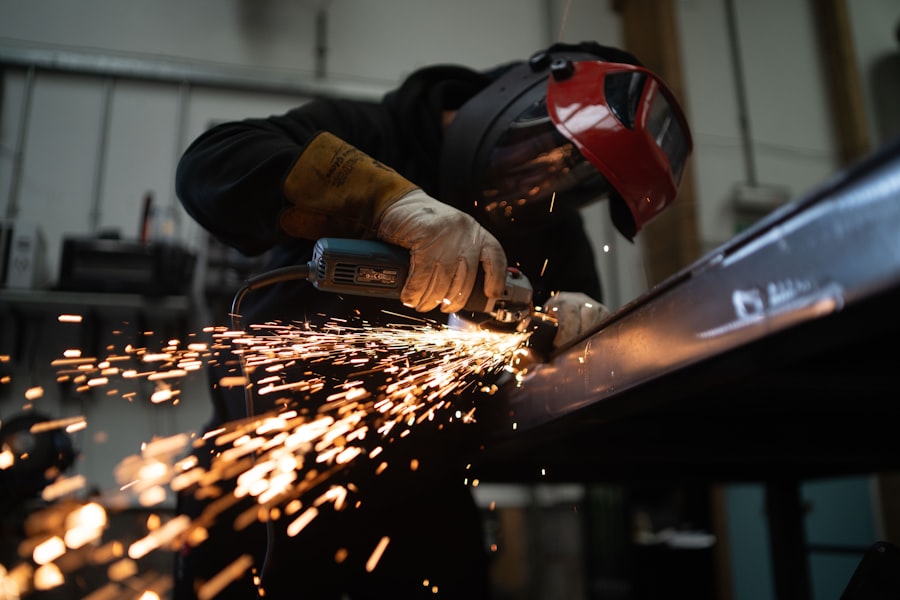
Manufacturing in Mexico presents several advantages over China that are driving companies to consider relocating their operations. One of the most significant benefits is the reduced lead time associated with shipping products to the U.S. market. With shorter transit distances and streamlined logistics, companies can respond more rapidly to consumer demands and market fluctuations. This agility is particularly crucial in industries where time-to-market is a competitive advantage. Additionally, Mexico’s labor costs remain competitive compared to China, especially when considering the rising wages in Chinese manufacturing hubs. While labor costs in Mexico are on the rise as well, they still offer a cost-effective solution for companies looking to maintain profitability without sacrificing quality. Moreover, Mexico’s labor force is increasingly skilled, with a growing emphasis on technical education and vocational training programs that align with industry needs. This combination of cost-effectiveness and skill availability makes Mexico an attractive destination for manufacturers seeking to optimize their operations.
Challenges and obstacles in shifting manufacturing from China to Mexico
| Challenges and Obstacles | Description |
|---|---|
| Logistics | Managing transportation and supply chain complexities |
| Regulatory Compliance | Adhering to different regulations and standards in Mexico |
| Costs | Higher labor and operational costs compared to China |
| Infrastructure | Developing and maintaining suitable infrastructure for manufacturing |
| Skilled Labor | Finding and training a skilled workforce in Mexico |
Despite the numerous advantages of relocating manufacturing operations to Mexico, several challenges and obstacles must be navigated. One of the primary concerns is the existing infrastructure in certain regions of Mexico, which may not be as developed as that found in China. While major cities like Monterrey and Guadalajara boast modern facilities and transportation networks, other areas may lack the necessary resources to support large-scale manufacturing operations.
Another significant challenge is the regulatory environment in Mexico, which can be complex and sometimes unpredictable.
Additionally, while Mexico’s labor force is skilled, there may still be gaps in specific technical expertise required for advanced manufacturing processes.
Addressing these challenges will be crucial for companies looking to successfully transition their operations from China to Mexico.
Impact of US-China trade tensions on Mexico’s manufacturing industry
The ongoing trade tensions between the United States and China have had a profound impact on global supply chains, creating both challenges and opportunities for Mexico’s manufacturing industry. As tariffs on Chinese goods have increased, many American companies have sought alternatives to mitigate costs and maintain competitiveness. This shift has led to a surge in interest in Mexican manufacturing as businesses look for nearshore solutions that allow them to avoid tariffs while still accessing skilled labor and quality production.
Moreover, the trade tensions have prompted companies to reevaluate their supply chain strategies, leading to a broader trend of diversification away from reliance on a single country for manufacturing needs. As a result, Mexico has positioned itself as an attractive option for businesses seeking stability and reliability in their supply chains. The country’s ability to offer favorable trade terms under agreements like USMCA further enhances its appeal as a manufacturing destination during these uncertain times.
Government initiatives and policies to attract manufacturing investment in Mexico
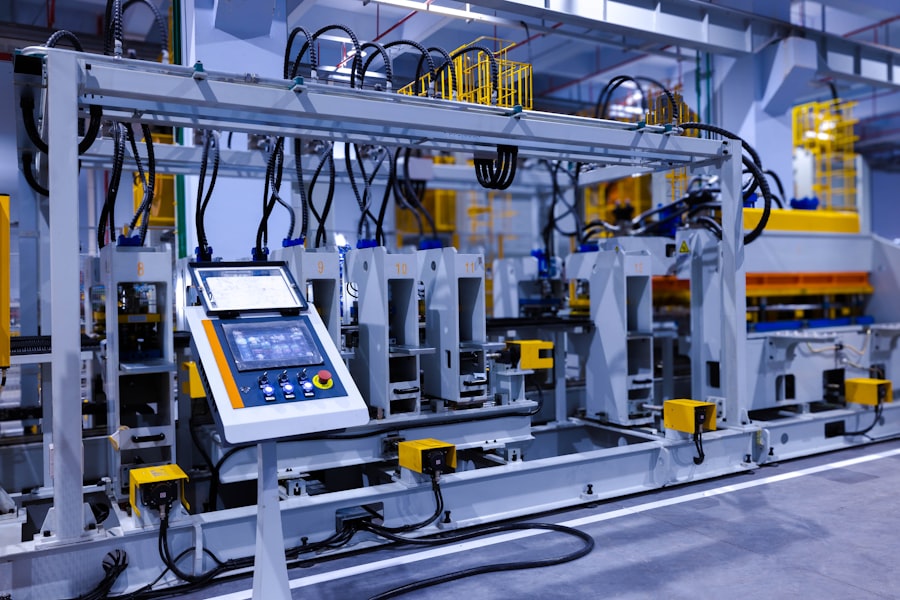
Recognizing the potential for growth in the manufacturing sector, the Mexican government has implemented various initiatives and policies aimed at attracting foreign investment. These efforts include tax incentives, streamlined permitting processes, and support for infrastructure development in key industrial regions. By creating a more business-friendly environment, the government aims to encourage both domestic and foreign companies to invest in Mexican manufacturing.
Additionally, the government has prioritized education and workforce development programs to ensure that the labor force is equipped with the skills needed for modern manufacturing jobs. Collaborations between educational institutions and industry stakeholders have led to the establishment of training programs that focus on advanced manufacturing techniques and technologies. These initiatives not only enhance the skill set of the workforce but also demonstrate the government’s commitment to fostering a competitive manufacturing environment.
Case studies of companies successfully transitioning manufacturing operations to Mexico
Several companies have successfully transitioned their manufacturing operations from China to Mexico, showcasing the potential benefits of this strategic move. One notable example is an American electronics manufacturer that relocated its production facility from Shenzhen to Tijuana. By making this shift, the company was able to significantly reduce shipping times to its U.S.
customers while also benefiting from lower labor costs and improved quality control measures. Another case study involves an automotive parts supplier that moved its operations from China to Monterrey. The company cited the availability of skilled labor and proximity to major automotive manufacturers in the region as key factors in its decision-making process.
The transition not only resulted in cost savings but also allowed for greater collaboration with local partners and suppliers, ultimately enhancing the company’s competitiveness in the North American market.
Potential for Mexico to become a leading manufacturing hub in the Americas
As global dynamics continue to shift, Mexico has the potential to emerge as a leading manufacturing hub in the Americas. The combination of favorable trade agreements, a skilled workforce, and strategic geographical positioning creates an environment ripe for growth in various sectors. With increasing interest from foreign investors and companies looking to diversify their supply chains, Mexico stands poised to capitalize on these trends.
Furthermore, as sustainability becomes an increasingly important consideration for manufacturers worldwide, Mexico’s commitment to environmental practices could enhance its appeal as a responsible manufacturing destination. By investing in green technologies and sustainable practices, Mexico can position itself as a forward-thinking hub that aligns with global trends toward responsible production.
Labor force and skills availability in Mexico for manufacturing industry
The availability of a skilled labor force is one of Mexico’s most significant advantages in attracting manufacturing investment. The country boasts a young population eager to enter the workforce, coupled with educational institutions that are increasingly focused on technical training relevant to modern manufacturing needs. This emphasis on education ensures that companies can find qualified workers who are capable of operating advanced machinery and implementing innovative production techniques.
Moreover, many regions in Mexico have established specialized training programs that cater specifically to industries such as automotive, aerospace, and electronics. These programs often involve partnerships between educational institutions and industry leaders, ensuring that graduates possess the skills necessary for success in their chosen fields. As companies continue to seek out locations with access to a skilled workforce, Mexico’s commitment to workforce development will play a crucial role in its ability to attract and retain manufacturing investment.
Environmental and sustainability considerations in Mexico’s manufacturing sector
As global awareness of environmental issues continues to grow, sustainability has become an essential consideration for manufacturers worldwide. In this context, Mexico is making strides toward adopting more sustainable practices within its manufacturing sector. Many companies are increasingly prioritizing environmentally friendly processes and materials as they seek to align with global sustainability goals.
The Mexican government has also recognized the importance of sustainability in attracting foreign investment. Initiatives aimed at promoting green technologies and reducing carbon footprints are gaining traction across various industries. By fostering an environment that encourages sustainable practices, Mexico can enhance its reputation as a responsible manufacturing destination while also contributing positively to global environmental efforts.
Future outlook for Mexico’s role in global manufacturing landscape
Looking ahead, Mexico’s role in the global manufacturing landscape appears promising as it continues to adapt to changing market dynamics and capitalize on emerging opportunities. The ongoing shifts in supply chain strategies driven by geopolitical factors are likely to further enhance Mexico’s appeal as a nearshore alternative for companies seeking stability and efficiency. As investments in infrastructure development and workforce training continue, Mexico is well-positioned to strengthen its position as a leading manufacturing hub in the Americas.
By embracing innovation and sustainability while addressing existing challenges, Mexico can solidify its status as a key player in global manufacturing for years to come. The future holds great potential for this vibrant nation as it navigates the complexities of an ever-evolving global economy.
In recent years, Mexico has emerged as a formidable contender in the global manufacturing landscape, increasingly being seen as a viable alternative to China. This shift is driven by various factors, including proximity to the United States, competitive labor costs, and favorable trade agreements. An insightful article discussing this trend can be found on Real Lore and Order, which delves into the dynamics of Mexico’s growing manufacturing sector and its implications for global trade. For a deeper understanding of how Mexico is positioning itself as a manufacturing powerhouse, you can read more in this related article.
FIND OUT! Why America’s 🇺🇸 Factories Are Moving to Mexico
FAQs
What is the current situation of manufacturing in China?
China has been a dominant force in global manufacturing for several decades, with its low labor costs and vast industrial infrastructure attracting many companies to outsource their production to the country.
Why are companies considering moving their manufacturing operations from China to Mexico?
Several factors are driving companies to consider relocating their manufacturing operations from China to Mexico, including rising labor costs in China, trade tensions between China and the United States, and the desire to shorten supply chains and reduce shipping times.
What are the advantages of manufacturing in Mexico compared to China?
Manufacturing in Mexico offers several advantages, including proximity to the United States, lower shipping costs, a skilled labor force, and trade agreements that provide preferential access to key markets.
What industries are most likely to relocate manufacturing operations from China to Mexico?
Industries such as automotive, electronics, aerospace, and medical devices are among those most likely to relocate manufacturing operations from China to Mexico due to the need for proximity to the US market and the advantages of the US-Mexico-Canada Agreement (USMCA).
What are the potential challenges of moving manufacturing operations from China to Mexico?
Challenges of moving manufacturing operations from China to Mexico may include navigating complex regulations, ensuring supply chain continuity, and managing the transition of production equipment and workforce.