
Infrastructure serves as the backbone of modern society, encompassing the fundamental systems and structures that support economic activity and enhance the quality of life. It includes transportation networks, utilities, communication systems, and public facilities, all of which are essential for the functioning of communities and nations.
For instance, transportation infrastructure such as roads, bridges, and railways facilitates the movement of goods and people, while utility infrastructure provides essential services like water, electricity, and waste management. Moreover, infrastructure is not merely a collection of physical assets; it is a dynamic system that requires ongoing maintenance, investment, and innovation. The interplay between different types of infrastructure can significantly impact economic growth and social well-being.
For example, efficient transportation systems can reduce travel time and costs, thereby enhancing productivity. Conversely, inadequate infrastructure can lead to congestion, increased operational costs, and diminished quality of life. Therefore, a comprehensive understanding of infrastructure is crucial for stakeholders involved in planning, developing, and managing these vital systems.
Key Takeaways
- Grasp fundamental concepts and technical skills essential for effective infrastructure management.
- Apply best practices and project management techniques to plan and execute resilient infrastructure systems.
- Utilize advanced technologies and sustainable solutions to optimize infrastructure performance and environmental impact.
- Ensure compliance with regulations and enhance risk management to safeguard infrastructure operations.
- Promote strong collaboration, communication, and leadership within teams to drive successful infrastructure development.
Developing Technical Skills in Infrastructure Management
To effectively manage infrastructure projects, professionals must cultivate a diverse set of technical skills. These skills encompass a range of disciplines, including engineering, project management, finance, and environmental science. A solid foundation in engineering principles is essential for understanding the design and functionality of various infrastructure components.
This knowledge enables managers to make informed decisions regarding construction methods, materials selection, and maintenance strategies. In addition to engineering expertise, proficiency in project management is critical for overseeing complex infrastructure initiatives. This includes skills in scheduling, budgeting, resource allocation, and risk assessment.
Infrastructure managers must also be adept at utilizing software tools that facilitate project tracking and reporting. Furthermore, an understanding of financial principles is necessary to secure funding and manage costs effectively throughout the project lifecycle. By developing these technical skills, professionals can enhance their ability to deliver successful infrastructure projects that meet community needs and regulatory requirements.
Implementing Best Practices in Infrastructure Planning

Implementing best practices in infrastructure planning is vital for ensuring that projects are completed on time, within budget, and to the required standards. One key aspect of effective planning is conducting thorough feasibility studies that assess the viability of proposed projects. These studies should evaluate factors such as economic impact, environmental considerations, and community needs.
By gathering comprehensive data and engaging stakeholders early in the planning process, infrastructure managers can make informed decisions that align with broader strategic goals. Another best practice involves adopting a systems-thinking approach to infrastructure planning. This perspective emphasizes the interconnectedness of various infrastructure components and encourages planners to consider how changes in one area may affect others.
For instance, expanding a transportation network may necessitate upgrades to utility systems to accommodate increased demand. By recognizing these interdependencies, planners can develop more holistic solutions that optimize resource use and enhance overall system performance. Additionally, incorporating public input into the planning process fosters transparency and builds community support for infrastructure initiatives.
Building Resilient Infrastructure Systems
Resilience in infrastructure refers to the ability of systems to withstand and recover from disruptions caused by natural disasters, economic shifts, or technological changes. Building resilient infrastructure systems requires a proactive approach that anticipates potential challenges and incorporates adaptive strategies into design and planning processes. For example, incorporating climate resilience measures—such as elevated roadways in flood-prone areas—can mitigate the impact of extreme weather events on transportation networks.
Furthermore, resilience can be enhanced through redundancy and flexibility in infrastructure design. This might involve creating alternative routes for transportation or diversifying energy sources to reduce dependence on a single supply chain. By investing in resilient infrastructure, communities can not only protect their assets but also ensure continuity of services during crises.
This forward-thinking approach ultimately contributes to long-term sustainability and economic stability.
Leveraging Technology for Infrastructure Optimization
| Competence Area | Expertise Level | Key Metrics | Typical Tools/Technologies | Performance Indicators |
|---|---|---|---|---|
| Network Infrastructure | Advanced | Uptime %, Latency (ms), Throughput (Gbps) | Cisco, Juniper, Wireshark | 99.99% uptime, <50ms latency |
| Cloud Infrastructure | Expert | Resource Utilization %, Cost Efficiency, Deployment Time | AWS, Azure, Google Cloud | Optimal resource use, <5 min deployment |
| Data Center Management | Intermediate | Power Usage Effectiveness (PUE), Cooling Efficiency | DCIM Tools, Schneider Electric | PUE < 1.5, minimal downtime |
| Security Infrastructure | Advanced | Incident Response Time, Number of Breaches | Firewalls, SIEM, IDS/IPS | Response < 15 min, zero breaches |
| Infrastructure Automation | Expert | Deployment Frequency, Error Rate | Ansible, Terraform, Jenkins | High deployment frequency, <1% error rate |
The integration of technology into infrastructure management has revolutionized how projects are planned, executed, and maintained. Advanced technologies such as Geographic Information Systems (GIS), Building Information Modeling (BIM), and Internet of Things (IoT) devices enable professionals to gather real-time data and make data-driven decisions. For instance, GIS can be used to analyze spatial data for optimal site selection or route planning, while BIM facilitates collaboration among stakeholders by providing a shared digital representation of a project.
Moreover, IoT devices can monitor infrastructure performance continuously, allowing for predictive maintenance that minimizes downtime and extends asset lifespan. By leveraging these technologies, infrastructure managers can optimize operations, reduce costs, and enhance service delivery. The adoption of smart technologies also paves the way for innovative solutions that address emerging challenges such as urbanization and climate change.
Enhancing Project Management Skills in Infrastructure Development
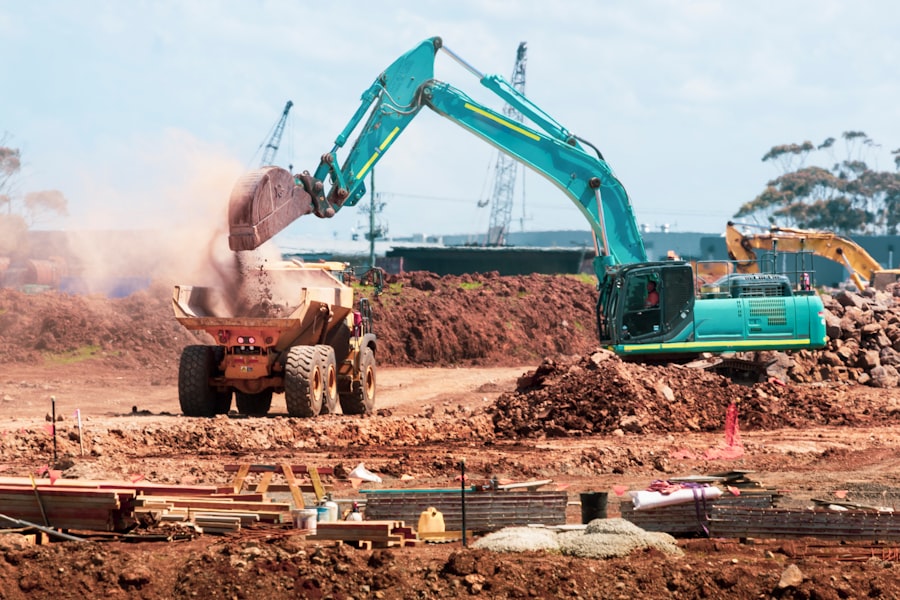
Effective project management is crucial for the successful delivery of infrastructure projects. Professionals in this field must possess strong organizational skills to coordinate multiple tasks and stakeholders simultaneously. This includes developing detailed project plans that outline timelines, budgets, and resource allocations while also identifying potential risks and mitigation strategies.
Additionally, communication skills are paramount in project management. Infrastructure managers must engage with diverse stakeholders—including government agencies, contractors, community members, and investors—to ensure alignment on project goals and expectations. Regular updates and transparent reporting foster trust and collaboration among all parties involved.
By enhancing their project management skills, professionals can navigate the complexities of infrastructure development more effectively and drive projects toward successful completion.
Ensuring Regulatory Compliance in Infrastructure Projects
Navigating the regulatory landscape is a critical aspect of infrastructure development that requires careful attention to detail. Compliance with local, state, and federal regulations ensures that projects meet safety standards and environmental protections while also securing necessary permits and approvals. Infrastructure managers must stay informed about relevant laws and regulations that govern their projects to avoid costly delays or legal challenges.
This proactive approach allows managers to address potential compliance issues before they escalate into significant obstacles. By prioritizing regulatory compliance throughout the project lifecycle, professionals can mitigate risks and enhance the overall success of their infrastructure initiatives.
Improving Risk Management in Infrastructure Operations
Risk management is an essential component of effective infrastructure operations that involves identifying potential threats and implementing strategies to mitigate their impact. Infrastructure managers must conduct thorough risk assessments to evaluate vulnerabilities related to natural disasters, technological failures, or financial uncertainties. By understanding these risks, they can develop contingency plans that outline response strategies in case of disruptions.
Additionally, fostering a culture of safety within organizations is crucial for minimizing operational risks. This includes providing training for employees on safety protocols and encouraging open communication about potential hazards. By prioritizing risk management practices, infrastructure professionals can enhance operational resilience and ensure the continued delivery of essential services even in challenging circumstances.
Fostering Collaboration and Communication in Infrastructure Teams
Collaboration and communication are vital elements in the successful execution of infrastructure projects. Given the complexity of these initiatives—often involving multiple stakeholders with diverse expertise—effective teamwork is essential for achieving project goals. Infrastructure managers should promote an inclusive environment where team members feel empowered to share ideas and contribute to problem-solving efforts.
Regular meetings and collaborative tools can facilitate communication among team members while ensuring everyone remains aligned on project objectives. Additionally, leveraging technology platforms that enable real-time information sharing can enhance coordination across different teams and departments. By fostering a culture of collaboration and open communication, infrastructure professionals can drive innovation and improve project outcomes.
Embracing Sustainable and Green Infrastructure Solutions
The growing emphasis on sustainability has led to a shift toward green infrastructure solutions that prioritize environmental stewardship alongside economic development. Embracing sustainable practices involves integrating eco-friendly materials, energy-efficient technologies, and nature-based solutions into infrastructure design and construction processes. For instance, incorporating green roofs or permeable pavements can help manage stormwater runoff while enhancing urban biodiversity.
Moreover, sustainable infrastructure solutions contribute to long-term cost savings by reducing energy consumption and maintenance needs over time. By prioritizing sustainability in their projects, infrastructure managers not only address pressing environmental challenges but also create resilient systems that benefit future generations. This commitment to green practices aligns with global efforts to combat climate change while promoting social equity within communities.
Nurturing Leadership and Decision-Making in Infrastructure Management
Effective leadership is crucial for guiding teams through the complexities of infrastructure management. Leaders must possess strong decision-making skills that enable them to navigate challenges while balancing competing priorities such as budget constraints, stakeholder expectations, and regulatory requirements. By fostering a clear vision for their projects and inspiring team members to work toward common goals, leaders can drive successful outcomes.
Additionally, nurturing leadership qualities within teams encourages professional growth and empowers individuals to take ownership of their roles. Providing mentorship opportunities and promoting continuous learning fosters an environment where team members feel valued and motivated to contribute their best efforts. By cultivating strong leadership within infrastructure management teams, organizations can enhance their capacity to deliver impactful projects that meet community needs effectively.
In conclusion, understanding the intricacies of infrastructure management requires a multifaceted approach that encompasses technical skills development, best practices implementation, risk management strategies, collaboration enhancement, sustainability considerations, and strong leadership cultivation. As communities continue to evolve and face new challenges, investing in these areas will be essential for building resilient infrastructure systems that support economic growth while prioritizing environmental stewardship.
Infrastructure competence expertise is crucial for the successful development and maintenance of modern urban environments. A related article that delves into the intricacies of this topic can be found at Real Lore and Order, where it discusses the importance of skilled professionals in ensuring that infrastructure projects meet both current and future needs. This resource provides valuable insights into the challenges and best practices associated with infrastructure development.
FAQs
What is infrastructure competence?
Infrastructure competence refers to the skills, knowledge, and expertise required to design, build, manage, and maintain physical and organizational structures and facilities essential for the operation of a society or enterprise. This includes areas such as transportation systems, utilities, communication networks, and public services.
Why is infrastructure expertise important?
Infrastructure expertise is crucial because it ensures that infrastructure projects are planned and executed efficiently, safely, and sustainably. Experts help optimize resource use, comply with regulations, mitigate risks, and enhance the longevity and functionality of infrastructure systems.
What types of professionals are involved in infrastructure competence?
Professionals involved include civil engineers, project managers, urban planners, architects, environmental specialists, construction managers, and IT infrastructure experts. Each brings specialized knowledge to different aspects of infrastructure development and maintenance.
How can organizations develop infrastructure competence?
Organizations can develop infrastructure competence by investing in employee training, hiring experienced professionals, adopting best practices and standards, leveraging technology, and fostering collaboration across departments and with external partners.
What are the key components of infrastructure expertise?
Key components include technical knowledge of materials and construction methods, project management skills, understanding of regulatory and safety standards, risk assessment capabilities, and proficiency in using modern tools and technologies for design and monitoring.
How does infrastructure competence impact economic development?
Strong infrastructure competence leads to reliable and efficient infrastructure systems, which support economic activities by improving transportation, communication, and utilities. This, in turn, attracts investment, creates jobs, and enhances quality of life.
What challenges are associated with maintaining infrastructure competence?
Challenges include keeping up with rapidly evolving technologies, addressing aging infrastructure, managing budget constraints, ensuring sustainability, and adapting to changing regulatory environments and societal needs.
Can infrastructure competence be certified or standardized?
Yes, there are certifications and standards for infrastructure professionals and organizations, such as Project Management Professional (PMP), Certified Construction Manager (CCM), and ISO standards related to quality and environmental management, which help validate competence and ensure consistent practices.