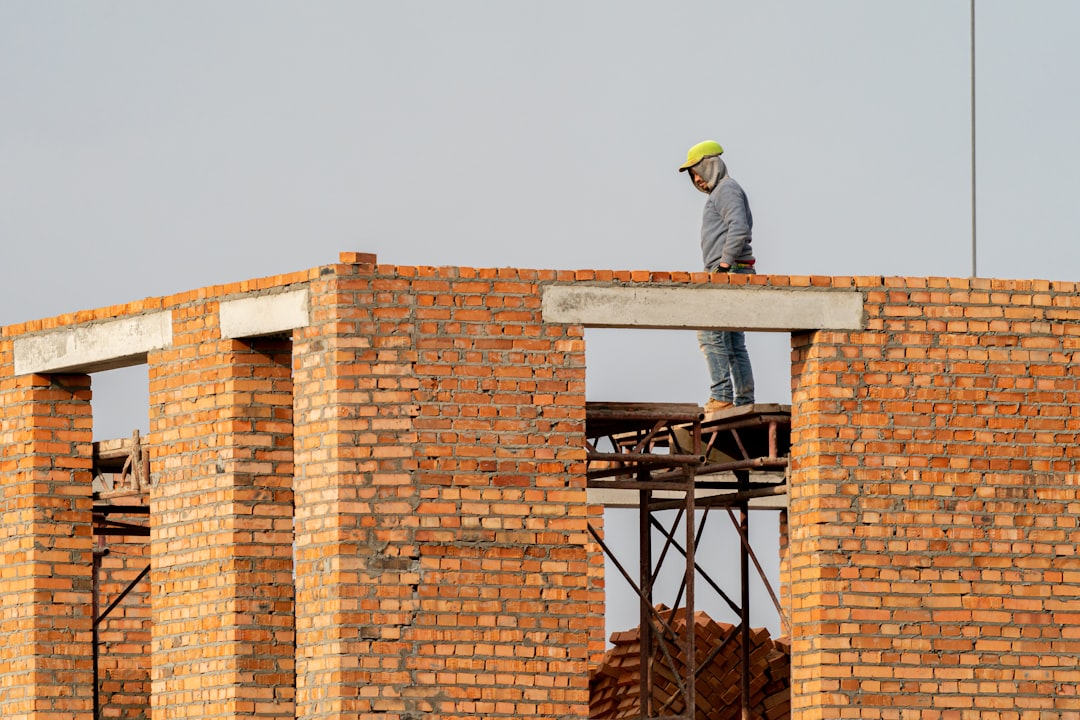
Institutional competence rebuilding is a multifaceted process that involves reassessing and enhancing the capabilities of an organization to meet its goals effectively. This concept is particularly relevant in environments characterized by rapid change, where institutions must adapt to new challenges and expectations. The rebuilding process often requires a thorough evaluation of existing structures, practices, and outcomes to identify areas that need improvement.
By understanding the dynamics of institutional competence, organizations can better position themselves to respond to both internal and external pressures, ensuring they remain relevant and effective. At its core, institutional competence rebuilding is about fostering resilience and adaptability. Organizations must recognize that their current competencies may not suffice in the face of evolving demands.
This realization prompts a critical examination of their operational frameworks, leadership styles, and resource allocations. By embracing a mindset geared towards continuous improvement, institutions can cultivate a culture that not only acknowledges past shortcomings but also actively seeks innovative solutions to enhance their overall effectiveness.
Key Takeaways
- Recognizing institutional weaknesses is crucial for effective competence rebuilding.
- Developing and implementing a comprehensive plan targets key improvement areas.
- Building a culture of accountability and fostering a growth mindset drive lasting change.
- Investing in training and leveraging technology enhance organizational efficiency.
- Establishing clear performance metrics helps sustain momentum for long-term success.
The Importance of Recognizing Weaknesses
Recognizing weaknesses within an institution is a crucial step in the rebuilding process. Acknowledging areas of deficiency allows organizations to confront uncomfortable truths about their operations and performance. This self-awareness is essential for fostering a culture of transparency and accountability, where individuals feel empowered to speak up about issues that may hinder progress.
By identifying weaknesses, institutions can prioritize their efforts and allocate resources more effectively, ensuring that they address the most pressing challenges first. Moreover, recognizing weaknesses is not merely about highlighting failures; it is also an opportunity for growth and development. When institutions take the time to analyze their shortcomings, they can uncover valuable insights that inform their strategic direction.
This process encourages a proactive approach to problem-solving, where organizations can implement targeted interventions designed to strengthen their capabilities. Ultimately, acknowledging weaknesses serves as a catalyst for change, driving institutions toward a more robust and resilient future.
Identifying Key Areas for Improvement

Once weaknesses have been recognized, the next step involves identifying key areas for improvement. This process requires a comprehensive assessment of various aspects of the institution, including its processes, personnel, and overall strategic direction. Engaging stakeholders at all levels can provide valuable perspectives on where improvements are needed most.
By fostering an inclusive environment for feedback, organizations can gain insights that may not be apparent from a top-down approach. In addition to stakeholder input, data analysis plays a critical role in pinpointing areas for enhancement. Institutions can leverage performance metrics, surveys, and other evaluative tools to gather quantitative and qualitative data that highlight specific challenges.
This evidence-based approach ensures that decisions are grounded in reality rather than assumptions. By systematically identifying key areas for improvement, organizations can develop targeted strategies that address their unique needs and set the stage for successful rebuilding efforts.
Developing a Comprehensive Rebuilding Plan
A comprehensive rebuilding plan serves as a roadmap for institutions seeking to enhance their competencies. This plan should outline clear objectives, strategies, and timelines for achieving desired outcomes. It is essential for the plan to be flexible enough to adapt to changing circumstances while remaining focused on the overarching goals of the organization.
Engaging stakeholders in the development of this plan fosters a sense of ownership and commitment, increasing the likelihood of successful implementation. In crafting the rebuilding plan, institutions should prioritize alignment with their mission and vision. This alignment ensures that all efforts are directed toward fulfilling the organization’s core purpose while addressing identified weaknesses.
By establishing clear benchmarks, organizations can celebrate successes along the way and make necessary adjustments if certain strategies are not yielding the expected results.
Implementing Strategies for Change
| Metric | Description | Measurement Method | Target Value | Current Status |
|---|---|---|---|---|
| Staff Training Completion Rate | Percentage of institutional staff completing competency development programs | Training attendance records and certification | 90% | 75% |
| Process Efficiency Improvement | Increase in operational efficiency through process optimization | Time tracking and output analysis | 20% improvement | 12% improvement |
| Policy Implementation Rate | Percentage of new policies effectively implemented within the institution | Policy compliance audits | 95% | 80% |
| Stakeholder Satisfaction | Level of satisfaction among stakeholders regarding institutional performance | Surveys and feedback forms | 85% positive feedback | 70% positive feedback |
| Resource Allocation Efficiency | Effectiveness in allocating resources to priority areas | Budget analysis and project outcomes | Optimal allocation with less than 5% variance | 8% variance |
| Leadership Development Index | Progress in developing leadership competencies within the institution | Leadership training participation and performance reviews | High competency in 80% of leaders | 65% competency |
Implementing strategies for change is often one of the most challenging aspects of institutional competence rebuilding. It requires not only careful planning but also effective communication and collaboration among all stakeholders. Leaders must articulate the rationale behind the changes being made and how they align with the institution’s goals.
This transparency helps to build trust and buy-in from employees, who may be apprehensive about new initiatives. Moreover, successful implementation hinges on providing adequate resources and support throughout the transition process. Institutions should consider establishing dedicated teams or task forces responsible for overseeing specific initiatives within the rebuilding plan.
These teams can facilitate training sessions, provide ongoing feedback, and address any concerns that arise during implementation. By fostering a collaborative environment where everyone feels invested in the change process, organizations can enhance their chances of achieving meaningful results.
Building a Culture of Accountability
A culture of accountability is vital for sustaining institutional competence rebuilding efforts over time. When individuals within an organization understand their roles and responsibilities, they are more likely to take ownership of their work and contribute positively to the institution’s goals. Establishing clear expectations and consequences for performance fosters an environment where accountability is valued and practiced at all levels.
To build this culture, leaders must model accountability through their actions and decisions. By demonstrating transparency in their own work and holding themselves accountable for outcomes, leaders set a powerful example for others to follow.
By cultivating a culture where accountability is embraced rather than feared, institutions can create an environment conducive to continuous improvement and success.
Fostering a Growth Mindset
Fostering a growth mindset is essential for institutions undergoing competence rebuilding. A growth mindset encourages individuals to view challenges as opportunities for learning and development rather than insurmountable obstacles. This perspective shift can significantly impact how employees approach their work and engage with change initiatives.
When individuals believe that their abilities can be developed through effort and perseverance, they are more likely to embrace new ideas and contribute positively to the organization’s evolution. To cultivate a growth mindset within an institution, leaders should promote an environment that values experimentation and innovation. Encouraging employees to take calculated risks and learn from failures fosters resilience and adaptability.
Providing opportunities for professional development further supports this mindset by equipping individuals with the skills they need to navigate change effectively. By embedding a growth mindset into the organizational culture, institutions can empower their workforce to embrace challenges and drive meaningful progress.
Investing in Training and Development
Investing in training and development is a critical component of institutional competence rebuilding. As organizations seek to enhance their capabilities, equipping employees with the necessary skills and knowledge becomes paramount. Training programs should be tailored to address identified weaknesses while also aligning with the institution’s strategic objectives.
By prioritizing professional development, organizations demonstrate their commitment to fostering a skilled workforce capable of driving change. Moreover, training initiatives should encompass various formats to accommodate diverse learning styles and preferences. Workshops, online courses, mentorship programs, and collaborative projects can all contribute to a comprehensive training strategy.
Additionally, ongoing evaluation of training effectiveness ensures that programs remain relevant and impactful over time. By investing in training and development, institutions not only enhance individual competencies but also strengthen their overall capacity to adapt and thrive in an ever-changing landscape.
Leveraging Technology for Efficiency
In today’s digital age, leveraging technology is essential for enhancing institutional efficiency during competence rebuilding efforts. Technology can streamline processes, improve communication, and facilitate data-driven decision-making. By adopting innovative tools and platforms, organizations can optimize their operations while freeing up valuable resources for strategic initiatives.
For instance, implementing project management software can enhance collaboration among teams by providing real-time updates on progress and facilitating task assignments. Additionally, data analytics tools enable institutions to gather insights into performance metrics, helping them identify trends and make informed decisions. By embracing technology as an enabler of efficiency, organizations can position themselves for success in their rebuilding endeavors.
Establishing Clear Performance Metrics
Establishing clear performance metrics is crucial for measuring progress during institutional competence rebuilding efforts. These metrics provide tangible benchmarks against which organizations can assess their performance over time. By defining specific indicators related to key objectives outlined in the rebuilding plan, institutions can track their advancements and identify areas requiring further attention.
Moreover, performance metrics should be communicated transparently across all levels of the organization. When employees understand how their contributions align with broader goals, they are more likely to feel motivated and engaged in their work. Regularly reviewing these metrics allows organizations to celebrate successes while also addressing any challenges that may arise along the way.
By prioritizing clear performance metrics, institutions can ensure accountability and maintain focus on their rebuilding objectives.
Sustaining Momentum for Long-Term Success
Sustaining momentum for long-term success requires ongoing commitment from all stakeholders involved in institutional competence rebuilding efforts. Organizations must recognize that rebuilding is not a one-time initiative but rather an ongoing journey toward continuous improvement. To maintain momentum, leaders should regularly communicate progress updates and celebrate milestones achieved along the way.
Additionally, fostering a culture of adaptability ensures that institutions remain responsive to changing circumstances even after initial rebuilding efforts have been completed. Encouraging feedback from employees allows organizations to identify emerging challenges or opportunities for further enhancement continually. By embedding sustainability into their rebuilding strategies, institutions can create a resilient framework capable of thriving in an ever-evolving landscape.
In conclusion, institutional competence rebuilding is a complex yet essential process that requires careful planning, execution, and ongoing evaluation. By recognizing weaknesses, identifying key areas for improvement, developing comprehensive plans, implementing strategies for change, building cultures of accountability, fostering growth mindsets, investing in training and development, leveraging technology efficiently, establishing clear performance metrics, and sustaining momentum over time—organizations can position themselves for long-term success in an increasingly dynamic world.
In the context of institutional competence rebuilding, the article on Real Lore and Order provides valuable insights into the strategies that organizations can adopt to enhance their effectiveness and resilience. By examining case studies and best practices, the article highlights the importance of adaptive leadership and continuous learning in fostering a culture of competence within institutions.
FAQs
What is institutional competence rebuilding?
Institutional competence rebuilding refers to the process of restoring and enhancing the capabilities, skills, and effectiveness of institutions, particularly after periods of decline, crisis, or significant change. It involves strengthening organizational structures, improving governance, and developing human resources to ensure institutions can fulfill their mandates efficiently.
Why is institutional competence rebuilding important?
Institutional competence rebuilding is crucial for ensuring that institutions can effectively deliver services, implement policies, and support development goals. It helps restore public trust, promotes good governance, and enhances the overall stability and functionality of political, social, and economic systems.
Which sectors commonly require institutional competence rebuilding?
Sectors that often require institutional competence rebuilding include government agencies, public administration, healthcare systems, educational institutions, judicial bodies, and non-governmental organizations, especially in post-conflict or post-crisis environments.
What are the key components of institutional competence rebuilding?
Key components include capacity building through training and education, organizational restructuring, policy and procedural reforms, leadership development, resource allocation improvements, and the establishment of accountability and monitoring mechanisms.
Who typically leads institutional competence rebuilding efforts?
Rebuilding efforts are usually led by a combination of internal institutional leaders, government authorities, international organizations, development agencies, and sometimes external consultants or experts specializing in institutional development.
How long does institutional competence rebuilding take?
The duration varies widely depending on the institution’s size, the extent of damage or decline, available resources, and the complexity of reforms. It can range from several months to many years.
What challenges are commonly faced during institutional competence rebuilding?
Common challenges include resistance to change, limited financial and human resources, political interference, lack of clear leadership, inadequate stakeholder engagement, and difficulties in sustaining reforms over time.
Can institutional competence rebuilding be measured or evaluated?
Yes, progress can be measured through performance indicators such as improved service delivery, enhanced governance practices, increased staff skills, better resource management, and positive feedback from stakeholders and beneficiaries.
Is institutional competence rebuilding relevant only in developing countries?
No, while it is often emphasized in developing or post-conflict countries, institutional competence rebuilding can be relevant in any context where institutions face challenges, including developed countries undergoing reforms or organizational restructuring.
What role does technology play in institutional competence rebuilding?
Technology can support rebuilding by improving communication, data management, transparency, and service delivery. It also facilitates training and capacity building through e-learning platforms and helps modernize institutional processes.