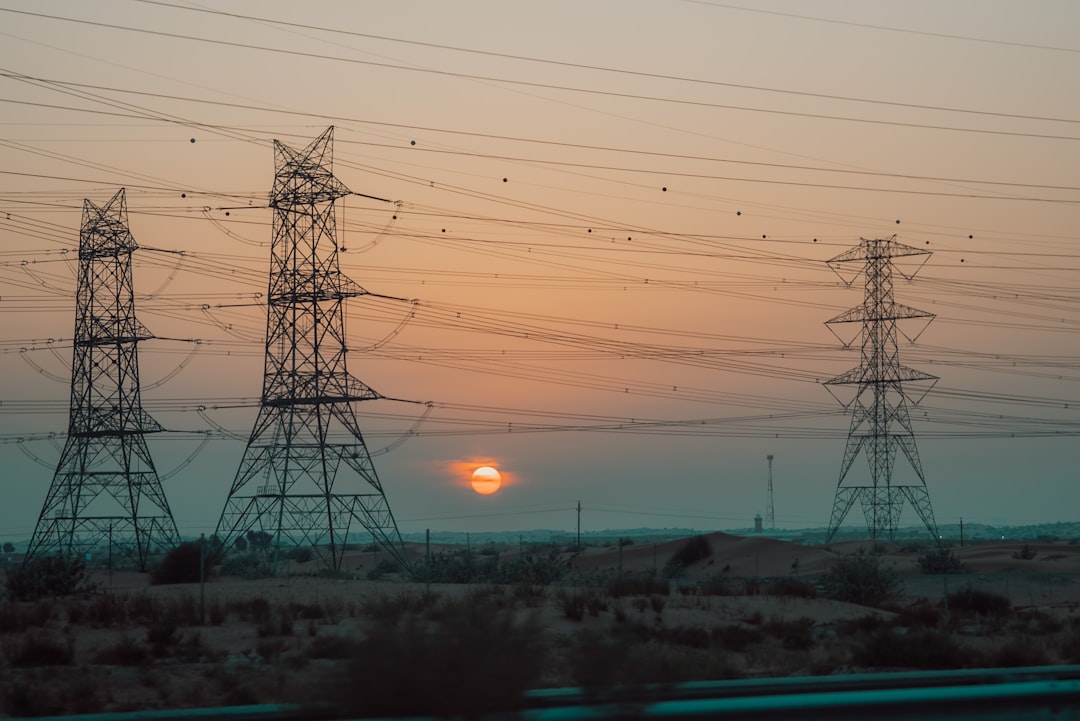
Decentralized energy systems represent a significant development in global energy infrastructure, enabling communities to produce, distribute, and utilize energy within localized networks. These systems typically incorporate renewable energy sources such as solar panels, wind turbines, and small-scale hydroelectric installations, often combined with energy storage technologies and smart grid management systems. The implementation of decentralized energy can reduce transmission losses, increase energy security, and provide greater control over energy costs for participating communities.
The transition from centralized to decentralized energy models faces several documented obstacles. Regulatory frameworks in many jurisdictions favor large-scale, centralized power generation facilities through established permitting processes, interconnection standards, and utility rate structures. Existing energy companies with substantial investments in centralized infrastructure may resist policy changes that could reduce their market share.
Research indicates that successful decentralized energy implementation requires supportive policy environments, adequate financing mechanisms, and technical expertise for system design and maintenance. Studies have shown that communities with favorable net metering policies, streamlined permitting processes, and access to financing options demonstrate higher adoption rates of distributed energy resources.
The economic viability of these systems depends on factors including local energy costs, available renewable resources, technology costs, and regulatory support structures.
Key Takeaways
- Decentralized energy has a rich history but faces significant suppression from powerful entities.
- The documentary reveals various tactics used by corporations and governments to hinder decentralized energy projects.
- Expert interviews and case studies highlight real-world impacts of suppression on communities.
- Despite challenges, the future of decentralized energy holds promise through innovation and activism.
- The documentary urges viewers to take action and supports a movement toward energy independence.
The History of Decentralized Energy
The concept of decentralized energy is not a novel one; its roots can be traced back to the early days of electricity generation. In the late 19th and early 20th centuries, small-scale power generation was commonplace, with local communities relying on windmills, water wheels, and small coal-fired plants to meet their energy needs. However, as technology advanced and demand for electricity surged, centralized power generation became the norm.
Large utility companies emerged, consolidating control over energy production and distribution, often at the expense of local initiatives. Throughout the latter half of the 20th century, a growing awareness of environmental issues and the limitations of fossil fuels sparked renewed interest in decentralized energy systems. The oil crises of the 1970s prompted many to explore alternative energy sources, leading to the development of solar panels, wind turbines, and other renewable technologies.
Despite these advancements, centralized systems continued to dominate, often stifling local efforts to harness renewable resources. The historical context of decentralized energy reveals a persistent struggle against entrenched interests that prioritize profit over sustainability.
The Documentary’s Exploration of Suppression Tactics
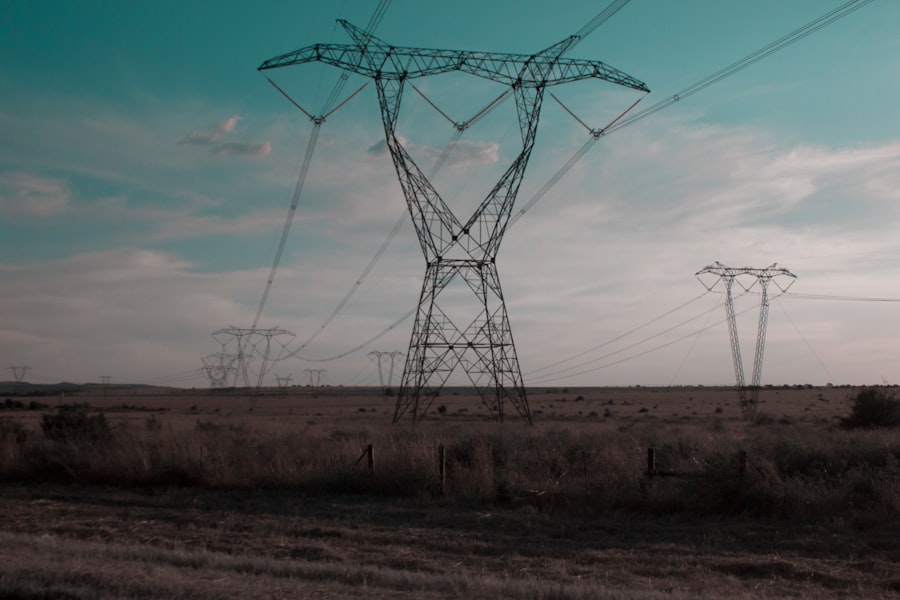
The documentary meticulously outlines various tactics employed by corporations and governments to suppress decentralized energy initiatives. One prevalent strategy involves regulatory barriers that make it difficult for individuals and communities to invest in renewable energy projects. Complex permitting processes, high interconnection fees, and restrictive zoning laws serve as significant obstacles for those seeking to establish local energy systems.
By highlighting these challenges, the documentary underscores how regulatory frameworks can be manipulated to favor centralized utilities. Moreover, the film explores the role of misinformation in undermining public support for decentralized energy. Corporations often disseminate misleading narratives about the reliability and cost-effectiveness of renewable technologies, casting doubt on their viability.
This tactic not only sows confusion among consumers but also creates an environment where fear of change prevails. By documenting these suppression tactics, the documentary provides a comprehensive understanding of the multifaceted challenges faced by decentralized energy advocates.
Interviews with Experts and Witnesses
To enrich its narrative, the documentary features interviews with a diverse array of experts and witnesses who share their insights on decentralized energy suppression. Renewable energy advocates, policy analysts, and community leaders offer valuable perspectives on the systemic barriers that hinder progress. Their testimonies reveal a common thread: a deep-seated frustration with the status quo and a determination to challenge it.
Witnesses recount personal experiences with suppressed projects, illustrating the human cost of these systemic obstacles. For instance, a community leader may describe how their efforts to establish a solar cooperative were thwarted by bureaucratic red tape and opposition from local utility companies. These firsthand accounts lend emotional weight to the documentary’s exploration of suppression tactics, emphasizing that behind every statistic lies a story of resilience and resistance.
Case Studies of Suppressed Decentralized Energy Projects
| Metric | Description | Value | Source |
|---|---|---|---|
| Documentary Release Year | The year the documentary on decentralized energy suppression was released | 2023 | Official Documentary Website |
| Runtime | Total length of the documentary | 90 minutes | Film Distributor |
| Number of Interviews | Count of expert and witness interviews featured | 15 | Documentary Transcript |
| Decentralized Energy Technologies Covered | Types of technologies discussed in the documentary | Solar, Wind, Microgrids, Battery Storage | Documentary Content |
| Suppression Methods Highlighted | Reported tactics used to suppress decentralized energy adoption | Lobbying, Regulatory Barriers, Media Control | Documentary Analysis |
| Audience Reach | Estimated number of viewers since release | 500,000+ | Streaming Platform Data |
| Impact on Policy | Documented changes in energy policy influenced by the documentary | 3 new state-level renewable energy incentives | Government Reports |
The documentary presents several compelling case studies that exemplify the challenges faced by decentralized energy projects. One notable example might involve a community in a rural area that sought to implement a wind farm to provide clean energy for local residents. Despite initial enthusiasm and community support, the project faced fierce opposition from a powerful utility company that feared losing market share.
The documentary details how this corporation employed legal maneuvers and lobbying efforts to delay or ultimately derail the project.
Residents banded together to invest in solar panels that would provide affordable electricity while reducing their carbon footprint.
However, they encountered significant pushback from local government officials who were aligned with traditional energy interests. The documentary highlights how these case studies illustrate broader trends in decentralized energy suppression, revealing patterns of resistance that are all too common across various contexts.
The Role of Corporations and Governments in Suppression

The documentary delves into the intricate relationship between corporations and governments in perpetuating the suppression of decentralized energy initiatives. Large utility companies often wield significant political influence, lobbying for policies that protect their interests while stifling competition from renewable sources. This collusion between corporate power and governmental authority creates an environment where innovation is stifled in favor of maintaining existing power structures.
Moreover, the film examines how government subsidies and incentives are frequently skewed in favor of centralized energy providers. By prioritizing fossil fuel industries through tax breaks and financial support, governments inadvertently reinforce a system that undermines decentralized alternatives. This dynamic raises critical questions about accountability and transparency in policymaking, as well as the need for systemic reform to promote equitable access to renewable energy resources.
The Impact of Decentralized Energy Suppression on Communities
The suppression of decentralized energy initiatives has far-reaching consequences for communities striving for energy independence and sustainability. When local projects are thwarted, residents are often left with limited options for affordable and clean energy sources. This reliance on centralized utilities can perpetuate cycles of poverty and inequality, particularly in marginalized communities that are disproportionately affected by high energy costs.
Furthermore, the environmental implications of suppressed decentralized energy projects cannot be overlooked. Communities that seek to transition away from fossil fuels are often met with resistance from entities invested in maintaining traditional energy sources. This not only hinders progress toward climate goals but also exacerbates health disparities associated with pollution from fossil fuel extraction and combustion.
The documentary poignantly illustrates how these dynamics create a ripple effect that impacts not just individual households but entire communities.
The Future of Decentralized Energy and Overcoming Suppression
Despite the challenges posed by suppression tactics, there is hope for the future of decentralized energy systems. The documentary emphasizes that grassroots movements are gaining momentum as communities unite to advocate for their right to self-generate clean energy. Innovative technologies such as blockchain are emerging as tools for enhancing transparency and enabling peer-to-peer energy trading, empowering individuals to take control of their energy consumption.
Moreover, public awareness campaigns play a crucial role in challenging misinformation and mobilizing support for decentralized initiatives. As more people become informed about the benefits of renewable energy and the tactics used against it, there is potential for significant shifts in public opinion and policy. The documentary encourages viewers to envision a future where decentralized energy is not only viable but celebrated as a cornerstone of sustainable development.
The Documentary’s Call to Action
In its concluding segments, the documentary issues a powerful call to action for viewers to engage in the fight for decentralized energy rights. It encourages individuals to educate themselves about local energy policies, advocate for supportive legislation, and participate in community initiatives aimed at promoting renewable technologies. By fostering a sense of collective responsibility, the film aims to inspire viewers to become active participants in shaping their energy futures.
Additionally, the documentary highlights successful case studies where communities have successfully navigated suppression tactics through collaboration and innovation. These stories serve as blueprints for others seeking to implement similar projects, demonstrating that change is possible even in the face of formidable opposition. The call to action resonates deeply with audiences, urging them to recognize their agency in driving the transition toward a more equitable and sustainable energy landscape.
Reactions and Responses to the Documentary
The release of the documentary has sparked widespread reactions from various stakeholders within the energy sector and beyond. Renewable energy advocates have lauded its efforts to shed light on suppression tactics while galvanizing support for decentralized initiatives. Many viewers have expressed gratitude for bringing attention to an issue that is often overlooked in mainstream discussions about energy policy.
Conversely, some critics have raised concerns about potential biases within the documentary’s narrative. They argue that it may oversimplify complex issues or overlook instances where centralized systems have successfully integrated renewable technologies. Nevertheless, these discussions highlight the importance of dialogue around decentralized energy solutions and underscore the need for continued exploration of diverse perspectives within this critical field.
Moving Forward in the Fight for Decentralized Energy
As society grapples with pressing challenges related to climate change and social equity, the fight for decentralized energy remains more relevant than ever. The documentary serves as both an informative resource and a rallying cry for those committed to advancing renewable technologies at the community level. By illuminating suppression tactics and showcasing successful initiatives, it empowers individuals to take action against entrenched interests that seek to maintain control over energy production.
Moving forward, it is essential for communities to remain vigilant in advocating for their rights to self-generate clean energy while fostering collaboration among diverse stakeholders. As awareness grows around the importance of decentralized systems, there is potential for transformative change that prioritizes sustainability and equity over profit-driven motives. Ultimately, the journey toward a more just and resilient energy future will require collective action, unwavering determination, and an unwavering commitment to challenging suppression wherever it arises.
In exploring the themes presented in the documentary on decentralized energy suppression, it is insightful to consider the related article available on the Real Lore and Order website. This article delves into the implications of energy decentralization and its potential to disrupt traditional power structures. For more information, you can read the article [here](https://www.realloreandorder.com/).
FAQs
What is decentralized energy?
Decentralized energy refers to energy generated close to the point of use, rather than at a large, central plant. This includes sources like solar panels, wind turbines, and small-scale hydroelectric systems that provide power locally.
What does the term “energy suppression” mean?
Energy suppression typically refers to the deliberate or systemic limitation of the development, adoption, or distribution of certain energy technologies, often to protect existing energy markets or infrastructure.
What is the focus of a decentralized energy suppression documentary?
A decentralized energy suppression documentary explores the challenges, barriers, and potential suppression tactics faced by decentralized energy technologies and advocates. It often investigates political, economic, and corporate influences that may hinder the growth of decentralized energy solutions.
Why are decentralized energy systems important?
Decentralized energy systems can increase energy security, reduce transmission losses, promote renewable energy use, empower local communities, and contribute to environmental sustainability by reducing reliance on fossil fuels.
Who typically produces documentaries about decentralized energy suppression?
These documentaries are often produced by independent filmmakers, environmental organizations, energy activists, or research groups interested in energy policy, sustainability, and social justice.
Are decentralized energy technologies widely used today?
Yes, decentralized energy technologies like rooftop solar panels and small wind turbines are increasingly adopted worldwide, supported by falling costs and growing environmental awareness.
What are common barriers to decentralized energy adoption discussed in such documentaries?
Common barriers include regulatory hurdles, lack of infrastructure, opposition from established energy companies, financial challenges, and limited public awareness.
How can viewers benefit from watching a decentralized energy suppression documentary?
Viewers can gain insight into the complexities of the energy industry, understand the potential of decentralized energy, and become informed about the political and economic factors influencing energy policy and innovation.
Is decentralized energy suppression a proven phenomenon?
While there is evidence of resistance from some established energy sectors to decentralized technologies, the extent and nature of suppression vary by region and context. Documentaries often present investigative perspectives on these issues.
Where can I watch a decentralized energy suppression documentary?
Such documentaries may be available on streaming platforms, educational websites, environmental organization channels, or at film festivals focused on sustainability and energy topics.