The history of energy technology development is marked by both innovation and commercial competition. In the late 19th and early 20th centuries, pioneers like Nikola Tesla and Thomas Edison established foundational concepts in electrical systems. Tesla’s work on wireless energy transmission and Edison’s electric grid development created the framework for modern electrical infrastructure.
As these technologies developed, they attracted significant commercial interest from industrial entities seeking market advantages. Over time, numerous inventors have proposed alternative energy technologies with varying degrees of scientific validity. These ranged from theoretical perpetual motion devices to improvements in solar energy capture.
Many faced legitimate scientific scrutiny, while others encountered market resistance from established energy providers protecting their commercial interests. The interplay between technical validation, economic viability, and market forces has significantly influenced which energy technologies received development support and which remained unexplored or underfunded. This historical context helps explain the evolution of our current energy production and consumption systems, which reflect both technological capabilities and economic priorities that emerged through decades of development.
Key Takeaways
- Suppressed energy technologies have a long history of being hidden or ignored despite their potential.
- Big corporations and governments have played significant roles in preventing the development and adoption of these technologies.
- Inventors and innovators behind suppressed energy technologies often face legal, ethical, and financial challenges.
- Unleashing suppressed energy technologies could offer major environmental benefits and transform society.
- Overcoming current barriers requires coordinated efforts in research, policy reform, and public awareness to unlock future energy innovations.
The Impact of Suppressed Energy Technology on Society
The impact of suppressed energy technology on society is profound and multifaceted. On one hand, the lack of access to innovative energy solutions has perpetuated reliance on fossil fuels and traditional energy sources, contributing to environmental degradation and climate change. The continued use of outdated technologies has hindered progress toward a sustainable future, leaving communities vulnerable to the fluctuations of global energy markets.
As a result, many regions have experienced economic stagnation, limited access to affordable energy, and increased social inequality. Conversely, the potential benefits of unleashing suppressed energy technologies could lead to transformative changes in society. Imagine a world where clean, renewable energy is abundant and accessible to all.
Such advancements could reduce energy costs, create jobs in emerging industries, and foster economic growth. Furthermore, the democratization of energy production through decentralized systems could empower communities, allowing them to take control of their energy needs and reduce their carbon footprints. The societal implications of harnessing these technologies are immense, with the potential to reshape economies and improve quality of life on a global scale.
The Role of Big Corporations in Suppressing Energy Technology
Big corporations have played a significant role in the suppression of energy technology throughout history. These entities often prioritize profit over innovation, leading to a reluctance to embrace new technologies that could disrupt their established business models. For instance, major oil and gas companies have historically invested heavily in lobbying efforts to maintain their dominance in the energy sector.
This has resulted in policies that favor fossil fuels while sidelining alternative energy sources that could threaten their market share. Moreover, the influence of big corporations extends beyond mere lobbying; it also encompasses strategic acquisitions and investments in research and development. By acquiring promising startups or innovative technologies, these corporations can either integrate them into their existing operations or shelve them entirely to eliminate competition.
This practice stifles innovation and limits the potential for groundbreaking advancements in energy technology. As a result, society is left grappling with outdated systems while the potential for cleaner, more efficient alternatives remains untapped.
The Inventors and Innovators Behind Suppressed Energy Technology
Throughout history, numerous inventors and innovators have emerged with ideas that could revolutionize energy technology. Figures like Nikola Tesla, who envisioned wireless power transmission, and Howard Hughes, who explored alternative fuels, represent just a fraction of those who have sought to challenge the status quo. These individuals often faced significant obstacles in bringing their ideas to fruition, ranging from financial constraints to outright sabotage by powerful interests.
In more recent times, innovators such as Elon Musk have sought to push the boundaries of what is possible in energy technology. Through ventures like Tesla Motors and SolarCity, Musk has championed electric vehicles and solar energy solutions that challenge traditional paradigms. However, even contemporary innovators encounter resistance from entrenched industries that fear disruption.
The stories of these inventors highlight not only their brilliance but also the systemic barriers that continue to hinder progress in energy technology.
The Potential Benefits of Unleashing Suppressed Energy Technology
| Invention | Type of Energy Technology | Year Developed | Inventor(s) | Suppression Reason | Current Status |
|---|---|---|---|---|---|
| Free Energy Generator | Electromagnetic Energy | 1950 | John Searl | Conflict with established energy industries | Unproven, limited public access |
| Overunity Motor | Mechanical/Electrical Energy | 1970 | Stanley Meyer | Patent disputes and industry pressure | Patent revoked, technology not commercialized |
| Cold Fusion Reactor | Nuclear Energy | 1989 | Martin Fleischmann & Stanley Pons | Scientific skepticism and funding withdrawal | Research ongoing but controversial |
| Zero Point Energy Extractor | Quantum Energy | 1990s | Various anonymous inventors | Classified and restricted by governments | Not publicly available |
| Hydrogen Fuel Cell Car | Hydrogen Energy | 1966 | General Motors (GM) | Oil industry lobbying and infrastructure challenges | Limited commercial use, growing interest |
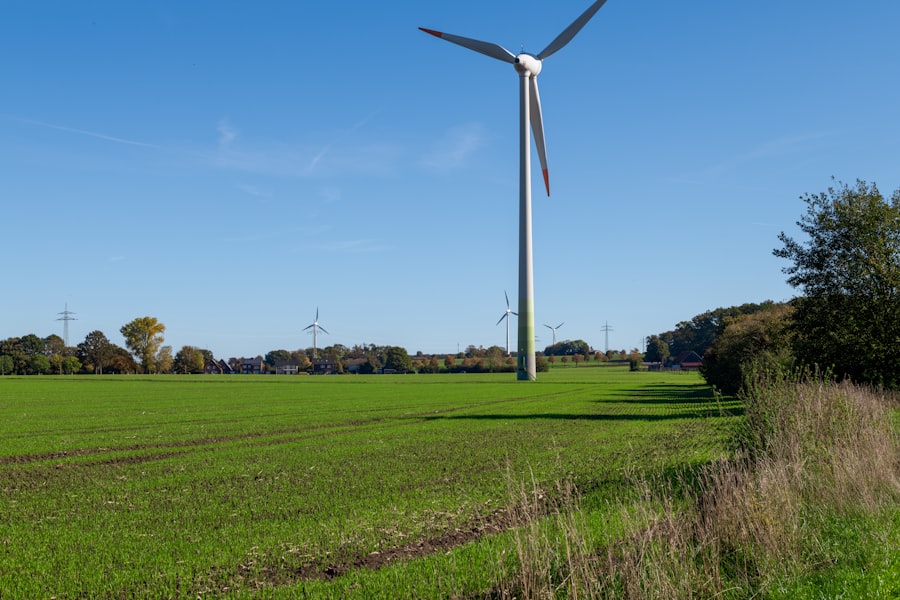
The potential benefits of unleashing suppressed energy technology are vast and varied. One of the most significant advantages lies in the ability to transition toward sustainable energy sources that can mitigate climate change. Technologies such as advanced solar panels, wind turbines, and geothermal systems have already demonstrated their capacity to provide clean energy at scale.
By fully embracing these innovations, society could drastically reduce its carbon emissions and lessen its dependence on fossil fuels. Additionally, unleashing suppressed energy technologies could lead to economic revitalization through job creation in emerging sectors. As new industries develop around renewable energy solutions, opportunities for skilled labor will expand, fostering economic growth in regions that have historically relied on fossil fuel extraction.
Furthermore, increased access to affordable energy could enhance quality of life for millions around the globe, particularly in underserved communities where energy poverty remains a pressing issue.
The Environmental Implications of Suppressed Energy Technology
The environmental implications of suppressed energy technology are critical to understanding the broader consequences of maintaining the status quo. The continued reliance on fossil fuels has led to significant environmental degradation, including air and water pollution, habitat destruction, and climate change. By suppressing innovative technologies that could provide cleaner alternatives, society risks exacerbating these issues and jeopardizing the planet’s health for future generations.
Conversely, embracing suppressed energy technologies could yield substantial environmental benefits. Renewable energy sources such as solar, wind, and hydroelectric power produce little to no greenhouse gas emissions during operation. By transitioning to these cleaner alternatives, society could significantly reduce its carbon footprint and mitigate the impacts of climate change.
Additionally, many suppressed technologies focus on improving energy efficiency, which can further decrease resource consumption and waste generation. The environmental case for unleashing these innovations is compelling and underscores the urgent need for action.
The Legal and Ethical Considerations of Unleashing Suppressed Energy Technology
The legal and ethical considerations surrounding the unleashing of suppressed energy technology are complex and multifaceted.
However, this pursuit must be balanced with considerations regarding intellectual property rights and fair competition within the marketplace.
Legal frameworks often lag behind technological advancements, creating challenges for innovators seeking to bring their ideas to market. Patent laws can sometimes stifle innovation by granting monopolies over certain technologies or processes, making it difficult for new entrants to compete. Additionally, ethical dilemmas arise when considering the potential consequences of rapidly deploying new technologies without fully understanding their long-term impacts on society and the environment.
Striking a balance between fostering innovation and ensuring responsible development is essential for navigating these complex issues.
The Current State of Suppressed Energy Technology Research and Development
The current state of research and development in suppressed energy technology reflects a growing awareness of the need for sustainable solutions. In recent years, there has been an uptick in investment from both public and private sectors aimed at exploring alternative energy sources and improving existing technologies. Initiatives focused on renewable energy research are gaining traction as governments recognize the urgency of addressing climate change.
However, despite this progress, significant barriers remain in place that hinder widespread adoption of innovative technologies. Funding disparities often exist between traditional fossil fuel projects and renewable initiatives, with established industries receiving preferential treatment in terms of subsidies and support. Additionally, regulatory hurdles can slow down the deployment of new technologies as they navigate complex approval processes.
The current landscape presents both opportunities for advancement and challenges that must be addressed to fully realize the potential of suppressed energy technologies.
The Role of Government in Suppressing Energy Technology
Governments play a pivotal role in either suppressing or promoting energy technology through policy decisions and regulatory frameworks. In many cases, government policies have favored established fossil fuel industries at the expense of emerging renewable technologies. This has created an environment where innovation struggles to thrive due to lack of support or funding.
Conversely, governments also have the power to enact policies that encourage research and development in renewable energy sectors. By providing incentives for clean technology investments or implementing stricter regulations on carbon emissions, governments can create a more favorable landscape for innovation. The challenge lies in overcoming entrenched interests that resist change while simultaneously fostering an environment conducive to sustainable advancements.
Overcoming Barriers to Unleashing Suppressed Energy Technology
Overcoming barriers to unleashing suppressed energy technology requires a multifaceted approach involving collaboration among various stakeholders. One key strategy involves increasing public awareness about the benefits of renewable energy solutions and advocating for policy changes that support innovation. Grassroots movements can play a crucial role in pushing for legislative reforms that prioritize sustainable practices over fossil fuel dependency.
Additionally, fostering partnerships between governments, private enterprises, and research institutions can facilitate knowledge sharing and resource allocation necessary for advancing new technologies. By creating collaborative ecosystems that encourage experimentation and risk-taking, society can break free from the constraints imposed by traditional industries resistant to change.
The Future of Energy Technology and the Potential for Unleashing Suppressed Inventions
The future of energy technology holds immense promise as society stands on the brink of a transformative shift toward sustainability. With increasing awareness about climate change and its impacts on global ecosystems, there is a growing demand for innovative solutions that can address these challenges head-on. Unleashing suppressed inventions has the potential not only to revolutionize how energy is produced but also how it is consumed.
As advancements continue in fields such as battery storage technology, smart grids, and decentralized power generation systems, society may soon witness a paradigm shift away from centralized fossil fuel reliance toward a more resilient network powered by renewable sources. The potential benefits are vast—cleaner air quality, reduced greenhouse gas emissions, enhanced economic opportunities—and they underscore an urgent need for action now more than ever before. In conclusion, while history has shown that suppressed energy technology has faced significant challenges from powerful interests seeking to maintain control over traditional systems, there remains hope for a brighter future driven by innovation and collaboration across sectors.
By addressing legal barriers while fostering an environment conducive to experimentation and growth within renewable industries—society can unlock untapped potential waiting just beneath the surface—ushering in an era defined by sustainable practices capable of meeting humanity’s needs without compromising our planet’s health or future generations’ prospects.
In exploring the topic of suppressed inventions in energy technology, one can gain valuable insights from the article available on the Real Lore and Order website. This article delves into various innovative energy solutions that have been overlooked or stifled by mainstream industries. For more information, you can read the full article [here](https://www.realloreandorder.com/).
FAQs
What are suppressed inventions in energy technology?
Suppressed inventions in energy technology refer to innovations or discoveries related to energy generation, storage, or efficiency that are believed to have been deliberately withheld from public use or commercial development. This suppression is often attributed to various factors, including economic interests, political agendas, or corporate control.
Why would energy technologies be suppressed?
Energy technologies might be suppressed to protect existing industries, such as fossil fuels, from competition. Powerful stakeholders may fear that new, disruptive technologies could undermine their market dominance or profitability. Additionally, concerns about national security, regulatory challenges, or incomplete scientific validation can also contribute to suppression.
Are there documented cases of suppressed energy inventions?
There are anecdotal reports and conspiracy theories about suppressed energy inventions, but verifiable, documented cases are rare. Some historical examples include early developments in alternative energy that faced commercial or political obstacles. However, many claims lack concrete evidence or peer-reviewed validation.
How can suppressed energy technologies impact society if released?
If genuinely effective suppressed energy technologies were released, they could potentially revolutionize energy production by providing cleaner, cheaper, and more sustainable power sources. This could reduce dependence on fossil fuels, lower greenhouse gas emissions, and promote energy independence.
What types of energy technologies are often mentioned as being suppressed?
Technologies frequently cited include free energy devices, cold fusion, advanced battery systems, over-unity machines (devices that produce more energy than they consume), and certain forms of renewable energy innovations. Many of these remain controversial or unproven in mainstream science.
How can the public verify claims about suppressed energy inventions?
Verification involves reviewing scientific literature, patents, and credible research studies. Independent replication of experiments and peer-reviewed validation are essential. Skepticism is advised when evaluating extraordinary claims without substantial evidence.
Is it possible that some inventions are delayed rather than suppressed?
Yes, some technologies may face delays due to technical challenges, regulatory hurdles, or lack of funding rather than intentional suppression. Developing new energy technologies often requires extensive research, testing, and infrastructure changes, which can slow their adoption.
What role do governments and corporations play in the development of energy technologies?
Governments and corporations can both support and hinder energy technology development. They provide funding, set regulations, and influence market conditions. While they may promote innovation, they can also resist disruptive technologies that threaten existing economic interests.
Where can I learn more about energy technology innovations?
Reliable information can be found through scientific journals, government energy departments, reputable news outlets, and academic institutions specializing in energy research. Organizations like the U.S. Department of Energy and the International Energy Agency publish up-to-date reports on energy technologies.