
Metering system control surveillance plays a pivotal role in the management of resources across various industries, particularly in utilities such as water, electricity, and gas. This system encompasses the monitoring and regulation of metering devices that measure consumption, ensuring accuracy and reliability in data collection. As industries evolve and the demand for efficient resource management increases, the significance of metering system control surveillance becomes more pronounced.
It not only aids in operational efficiency but also enhances customer satisfaction by providing transparent and accurate billing. The advent of advanced technologies has transformed traditional metering systems into sophisticated networks capable of real-time data transmission and analysis. This evolution has led to the development of smart metering systems that integrate seamlessly with control surveillance mechanisms.
By leveraging these technologies, organizations can gain insights into consumption patterns, detect anomalies, and optimize resource allocation. The integration of metering system control surveillance is thus essential for modern operations, ensuring that organizations can meet regulatory requirements while maximizing their operational capabilities.
Key Takeaways
- Efficient metering system control surveillance is crucial for accurate monitoring and operational efficiency.
- Key components include sensors, data acquisition units, and control software.
- Implementing surveillance systems offers benefits like reduced errors, enhanced security, and cost savings.
- Regular maintenance and adopting best practices help overcome common challenges and optimize system performance.
- Emerging technologies and case studies highlight future trends and successful applications in metering system control surveillance.
Importance of Efficient Metering System Control Surveillance
Efficient metering system control surveillance is crucial for several reasons. Firstly, it ensures the accuracy of measurements, which is fundamental for billing and resource management.
By implementing robust surveillance mechanisms, organizations can minimize errors and ensure that customers are billed fairly based on their actual consumption. This accuracy fosters trust between service providers and consumers, which is essential for long-term relationships. Moreover, efficient surveillance contributes to operational efficiency by enabling organizations to identify trends and patterns in resource usage.
By analyzing data collected from metering systems, companies can make informed decisions regarding resource allocation and management. This proactive approach not only helps in reducing waste but also enhances sustainability efforts by promoting responsible consumption. In an era where environmental concerns are paramount, organizations that prioritize efficient metering system control surveillance position themselves as leaders in sustainability and corporate responsibility.
Understanding the Components of a Metering System
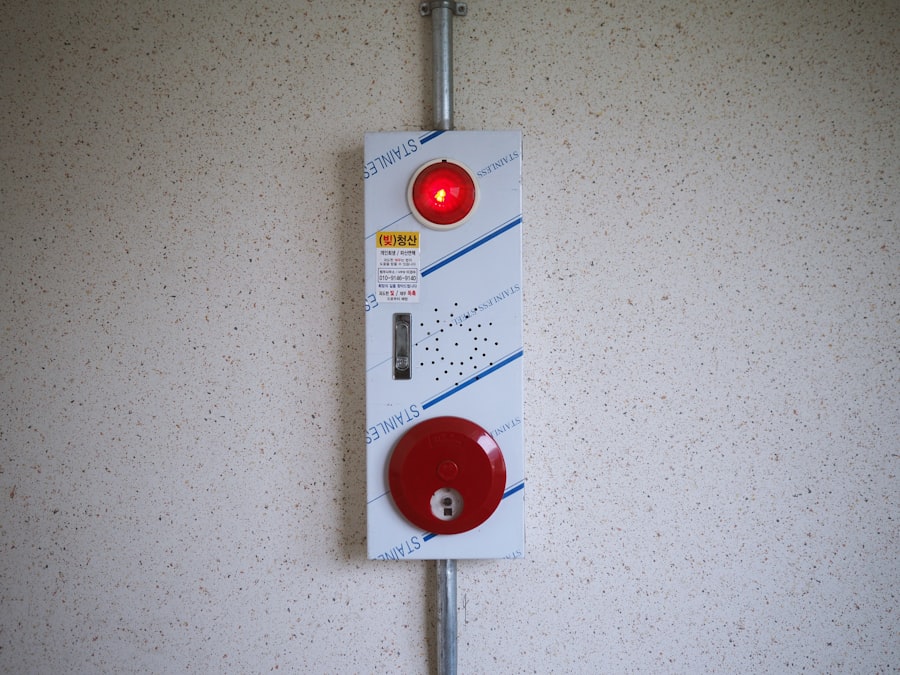
A metering system comprises several key components that work together to ensure accurate measurement and reporting of resource consumption. At its core, the system includes metering devices such as flow meters, energy meters, and gas meters, each designed to measure specific types of resources. These devices capture data on consumption levels and transmit it to a central control unit for analysis.
The accuracy and reliability of these meters are paramount, as they form the foundation of the entire metering system. In addition to the metering devices themselves, a comprehensive metering system also includes communication infrastructure that facilitates data transmission. This may involve wired or wireless networks that connect meters to a central database or cloud-based platform.
Data analytics software is another critical component, enabling organizations to process and interpret the vast amounts of data generated by metering devices. Together, these components create a cohesive system that not only measures consumption but also provides actionable insights for improving operational efficiency.
Benefits of Implementing Metering System Control Surveillance
Implementing metering system control surveillance offers numerous benefits that extend beyond mere accuracy in measurements. One significant advantage is enhanced operational efficiency. By continuously monitoring resource consumption, organizations can identify inefficiencies and areas for improvement.
For instance, if a particular area shows unusually high water usage, it may indicate leaks or wastage that need addressing. This proactive approach allows organizations to take corrective actions before issues escalate into more significant problems. Another benefit is improved customer engagement and satisfaction.
With accurate metering data at their disposal, organizations can provide customers with detailed insights into their consumption patterns. This transparency empowers consumers to make informed decisions about their usage, fostering a sense of responsibility towards resource conservation. Additionally, accurate billing based on real-time data reduces disputes and enhances trust between service providers and customers, ultimately leading to stronger relationships.
Key Features to Look for in a Metering System Control Surveillance
| Metric | Description | Unit | Typical Range | Importance |
|---|---|---|---|---|
| Meter Accuracy | Degree to which the meter measures the true value of consumption | Percentage (%) | ±0.1% to ±1% | High |
| Data Transmission Latency | Time delay between meter reading and data receipt at control center | Milliseconds (ms) | 50 – 500 ms | Medium |
| Data Integrity Rate | Percentage of data packets received without errors | Percentage (%) | 99.9% – 100% | High |
| System Uptime | Percentage of time the metering system is operational | Percentage (%) | 99.5% – 99.999% | Critical |
| Alarm Response Time | Time taken to respond to system alerts or faults | Seconds (s) | 5 – 60 s | High |
| Number of Unauthorized Access Attempts | Count of detected unauthorized access or tampering attempts | Count | 0 – 5 per month | Critical |
| Energy Consumption Recorded | Total energy consumption measured by the system | kWh | Varies by installation | High |
| Communication Protocols Supported | Types of communication standards used (e.g., Zigbee, Modbus) | List | Varies | Medium |
When selecting a metering system control surveillance solution, several key features should be considered to ensure optimal performance. Firstly, scalability is essential; as organizations grow or change their operations, their metering systems should be able to adapt accordingly. A scalable solution allows for the addition of new meters or integration with other systems without significant disruptions.
Another critical feature is real-time data monitoring capabilities. The ability to access up-to-the-minute information on resource consumption enables organizations to respond swiftly to anomalies or inefficiencies. Additionally, user-friendly interfaces are vital for ensuring that staff can easily navigate the system and extract meaningful insights from the data collected.
Finally, robust security measures must be in place to protect sensitive data from unauthorized access or cyber threats, ensuring the integrity of the entire metering system.
Best Practices for Maintaining an Efficient Metering System Control Surveillance
To maintain an efficient metering system control surveillance, organizations should adhere to several best practices. Regular calibration and maintenance of metering devices are crucial to ensure their accuracy over time. Scheduled inspections can help identify potential issues before they affect performance, thereby minimizing downtime and ensuring reliable data collection.
Training staff on the proper use and maintenance of metering systems is another essential practice. Well-informed personnel are better equipped to identify anomalies in data or operational inefficiencies. Furthermore, organizations should establish clear protocols for data management and analysis to ensure consistency in reporting and decision-making processes.
By fostering a culture of continuous improvement and accountability, organizations can enhance the effectiveness of their metering system control surveillance.
Common Challenges and Solutions in Metering System Control Surveillance
Despite its many benefits, implementing metering system control surveillance can present challenges. One common issue is the integration of new technologies with existing systems. Organizations may struggle with compatibility between legacy systems and modern metering solutions, leading to inefficiencies or data silos.
To address this challenge, organizations should conduct thorough assessments of their current infrastructure before implementing new technologies, ensuring that any new systems can seamlessly integrate with existing ones. Another challenge is data overload; with vast amounts of information generated by metering devices, organizations may find it difficult to extract actionable insights. To combat this issue, investing in advanced data analytics tools can help streamline data processing and visualization.
These tools can filter out noise from the data and highlight key trends or anomalies that require attention, enabling organizations to focus on what matters most.
How to Optimize Metering System Control Surveillance for Maximum Efficiency
Optimizing metering system control surveillance involves leveraging technology and best practices to enhance performance continually. One effective strategy is implementing predictive analytics capabilities within the metering system. By analyzing historical data trends, organizations can forecast future consumption patterns and adjust their operations accordingly.
This proactive approach not only improves efficiency but also aids in resource planning. Additionally, fostering collaboration between departments can enhance the effectiveness of metering system control surveillance. By sharing insights from different areas of the organization—such as operations, finance, and customer service—teams can develop a more comprehensive understanding of resource usage and identify opportunities for improvement.
Regular cross-departmental meetings focused on reviewing metering data can facilitate this collaboration and drive continuous improvement efforts.
Case Studies of Successful Implementation of Metering System Control Surveillance
Several organizations have successfully implemented metering system control surveillance with remarkable results. For instance, a major utility company adopted a smart metering solution that integrated real-time monitoring capabilities with advanced analytics tools. This implementation allowed them to identify inefficiencies in their distribution network quickly and address issues such as leaks or equipment failures before they escalated into costly outages.
Another case study involves a manufacturing firm that utilized a comprehensive metering system to monitor energy consumption across its facilities. By analyzing the data collected from various meters, the company identified specific machines that were consuming excessive energy due to outdated technology. Upgrading these machines not only reduced energy costs but also improved overall production efficiency, demonstrating the tangible benefits of effective metering system control surveillance.
Future Trends in Metering System Control Surveillance Technology
As technology continues to advance, several trends are emerging in the field of metering system control surveillance. One notable trend is the increasing adoption of Internet of Things (IoT) devices within metering systems. These devices enable seamless communication between meters and central control units, allowing for real-time monitoring and analysis from virtually anywhere.
The integration of IoT technology enhances responsiveness and provides organizations with greater flexibility in managing resources. Another trend is the growing emphasis on sustainability and environmental responsibility within metering systems. Organizations are increasingly seeking solutions that not only optimize resource usage but also contribute to reducing their carbon footprint.
Innovations such as renewable energy integration into smart grids are becoming more prevalent as companies strive to align their operations with sustainability goals while maintaining efficiency.
The Impact of Efficient Metering System Control Surveillance on Operations
In conclusion, efficient metering system control surveillance is integral to modern operations across various industries. Its importance lies not only in ensuring accurate measurements but also in enhancing operational efficiency, customer satisfaction, and sustainability efforts. By understanding the components of a metering system and implementing best practices for maintenance and optimization, organizations can reap significant benefits.
As technology continues to evolve, embracing innovations such as IoT devices and advanced analytics will further enhance the capabilities of metering systems. Organizations that prioritize efficient metering system control surveillance position themselves for success in an increasingly competitive landscape while contributing positively to environmental sustainability efforts. Ultimately, the impact of effective metering system control surveillance extends beyond operational metrics; it shapes the future of resource management in a world where efficiency and responsibility are paramount.
In the realm of metering system control surveillance, understanding the intricacies of data management and monitoring is crucial for ensuring efficiency and accuracy. A related article that delves into these topics can be found at Real Lore and Order, where it discusses the latest advancements in surveillance technologies and their applications in metering systems. This resource provides valuable insights for professionals looking to enhance their control mechanisms and improve overall system performance.
FAQs
What is a metering system control and surveillance?
Metering system control and surveillance refers to the processes and technologies used to monitor, manage, and ensure the accuracy and reliability of metering systems, typically in utilities such as electricity, gas, or water supply.
Why is metering system control important?
Metering system control is important to ensure accurate measurement of consumption, prevent fraud or tampering, maintain system integrity, and support efficient billing and resource management.
What components are involved in metering system surveillance?
Components typically include metering devices (such as smart meters), communication networks, data collection systems, monitoring software, and security mechanisms to detect anomalies or unauthorized access.
How does surveillance improve metering accuracy?
Surveillance helps detect errors, tampering, or faults in metering devices early, allowing for timely maintenance or correction, which improves overall measurement accuracy and reliability.
What technologies are used in metering system control and surveillance?
Technologies include smart meters, remote monitoring systems, data analytics, automated alerts, secure communication protocols, and sometimes artificial intelligence for anomaly detection.
Can metering system surveillance prevent energy theft?
Yes, surveillance systems can identify unusual consumption patterns or tampering attempts, helping utilities detect and prevent energy theft or unauthorized usage.
Is metering system control applicable only to electricity?
No, metering system control and surveillance are applicable to various utilities including electricity, gas, water, and heat supply systems.
How does metering system control benefit consumers?
Consumers benefit from accurate billing, timely detection of faults, improved service reliability, and sometimes access to detailed consumption data for better energy management.
What role does data security play in metering system surveillance?
Data security is critical to protect sensitive consumption data, prevent unauthorized access, and ensure the integrity and confidentiality of metering information.
Are there regulatory standards for metering system control and surveillance?
Yes, many countries have regulatory standards and guidelines to ensure metering accuracy, data privacy, and system security in metering system control and surveillance.