
The North American supply chain has undergone significant transformations over the decades, evolving from rudimentary systems reliant on manual processes to sophisticated networks that leverage advanced technologies. In the early days, supply chains were primarily linear, characterized by a straightforward flow of goods from manufacturers to consumers. This model was often plagued by inefficiencies, as communication gaps and logistical challenges hindered timely deliveries.
However, as globalization took hold and consumer expectations shifted, the need for more dynamic and responsive supply chains became apparent. Companies began to recognize that a well-structured supply chain could serve as a competitive advantage, prompting them to innovate and adapt. As the 21st century approached, the advent of the internet and digital technologies catalyzed a new era in supply chain management.
The introduction of enterprise resource planning (ERP) systems allowed businesses to integrate various functions, from procurement to inventory management, into a cohesive framework. This integration not only streamlined operations but also enhanced visibility across the supply chain. Companies could now track shipments in real-time, anticipate demand fluctuations, and respond more effectively to market changes.
The evolution of the North American supply chain reflects a broader trend towards interconnectedness and agility, setting the stage for further advancements in technology and strategy.
Key Takeaways
- The North American supply chain has evolved significantly over the years, adapting to changing consumer demands and technological advancements.
- Embracing technology is crucial for effective supply chain management, enabling better visibility, efficiency, and decision-making.
- Automation plays a key role in revolutionizing the supply chain, improving speed, accuracy, and reducing labor costs.
- Sustainable practices are increasingly important in the North American supply chain, with a focus on reducing environmental impact and promoting ethical sourcing.
- E-commerce has had a significant impact on supply chain operations, driving the need for faster, more flexible, and cost-effective logistics solutions.
Embracing Technology in Supply Chain Management
In recent years, the integration of technology into supply chain management has become paramount for organizations striving to maintain a competitive edge. The rise of digital tools has transformed traditional practices, enabling companies to optimize their operations and enhance customer satisfaction. Technologies such as cloud computing, artificial intelligence (AI), and the Internet of Things (IoT) have emerged as game-changers in the supply chain landscape.
By harnessing these innovations, businesses can achieve greater efficiency, reduce costs, and improve decision-making processes. Cloud-based solutions have revolutionized data storage and accessibility, allowing stakeholders across the supply chain to collaborate seamlessly. With real-time data at their fingertips, companies can make informed decisions that drive operational excellence.
Furthermore, AI algorithms can analyze vast amounts of data to identify patterns and trends, enabling predictive analytics that enhance demand forecasting. As organizations continue to embrace technology, they are not only streamlining their supply chains but also positioning themselves for future growth in an increasingly digital marketplace.
The Role of Automation in Revolutionizing the Supply Chain
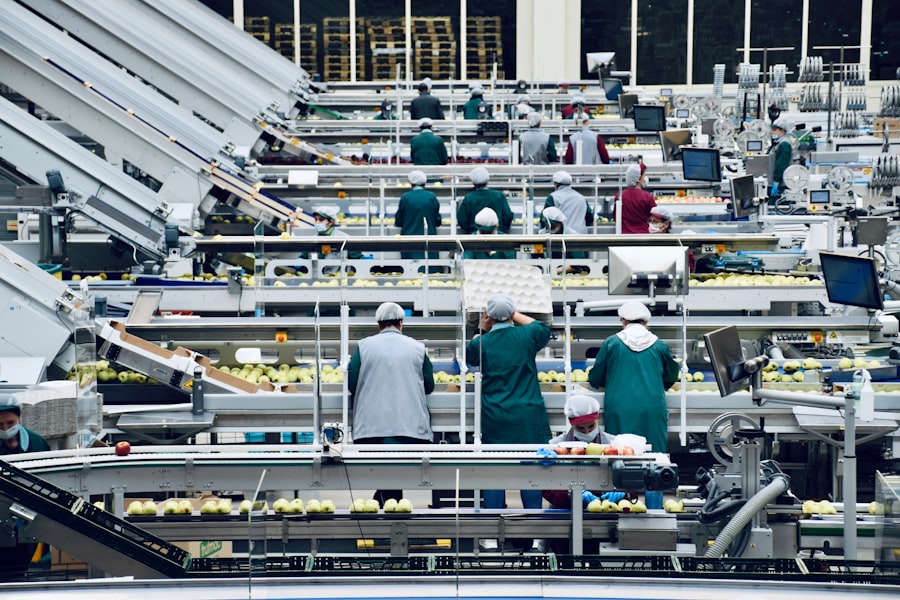
Automation has emerged as a pivotal force in reshaping supply chain operations, driving efficiency and accuracy while minimizing human error. The implementation of automated systems has allowed companies to streamline repetitive tasks, such as order processing and inventory management. By reducing reliance on manual labor, organizations can allocate resources more effectively and focus on strategic initiatives that foster innovation and growth.
Robotics and automated guided vehicles (AGVs) are now commonplace in warehouses and distribution centers, enhancing productivity and reducing operational costs. Moreover, automation facilitates faster response times to market demands. With automated systems in place, businesses can quickly adapt to changes in consumer preferences or unexpected disruptions in the supply chain.
This agility is crucial in today’s fast-paced environment, where delays can result in lost sales and diminished customer loyalty. As automation continues to evolve, it is expected to play an even more significant role in optimizing supply chain processes, ultimately leading to improved service levels and enhanced customer experiences.
Sustainable Practices in the North American Supply Chain
| Metrics | Data |
|---|---|
| Percentage of suppliers with sustainable practices | 75% |
| Reduction in carbon emissions | 20% from 2019 to 2021 |
| Recycling rate | 60% |
| Number of electric vehicles in the supply chain | 100 |
As environmental concerns gain prominence globally, sustainable practices have become integral to the North American supply chain. Companies are increasingly recognizing the importance of minimizing their ecological footprint while meeting consumer demands for environmentally friendly products. This shift towards sustainability encompasses various aspects of the supply chain, from sourcing raw materials to transportation and packaging.
Organizations are adopting practices such as using renewable energy sources, optimizing transportation routes to reduce emissions, and implementing recycling programs within their operations. Furthermore, consumers are becoming more discerning about the brands they support, often favoring those that demonstrate a commitment to sustainability. This trend has prompted companies to not only adopt eco-friendly practices but also communicate their efforts transparently to build trust with their customers.
By integrating sustainability into their supply chain strategies, businesses can enhance their brand reputation while contributing positively to the environment. The focus on sustainable practices is not merely a trend; it represents a fundamental shift in how companies approach their operations in an increasingly eco-conscious world.
The Impact of E-commerce on Supply Chain Operations
The rise of e-commerce has fundamentally altered the landscape of supply chain operations in North America. As online shopping becomes increasingly prevalent, businesses must adapt their supply chains to meet the demands of a digital-first consumer base. E-commerce has introduced new challenges, such as the need for faster delivery times and more flexible return policies.
To remain competitive, companies are re-evaluating their logistics strategies and investing in technologies that enhance their ability to fulfill orders efficiently. One significant impact of e-commerce on supply chains is the growing importance of last-mile delivery solutions. As consumers expect quick and reliable delivery options, businesses are exploring innovative approaches to optimize this final leg of the journey.
From utilizing local distribution centers to partnering with third-party logistics providers, companies are finding ways to enhance their delivery capabilities while managing costs effectively. The integration of e-commerce into supply chain operations is not just about meeting current demands; it also requires a forward-thinking approach that anticipates future trends in consumer behavior.
Enhancing Efficiency Through Data Analytics and Predictive Modeling

Data analytics has emerged as a cornerstone of modern supply chain management, enabling organizations to make data-driven decisions that enhance efficiency and effectiveness. By leveraging advanced analytics tools, companies can gain valuable insights into their operations, identifying areas for improvement and optimizing processes accordingly.
The ability to analyze historical data alongside real-time information empowers organizations to anticipate fluctuations in demand and respond proactively. For instance, by utilizing predictive analytics, companies can optimize their inventory management strategies, reducing excess stock while ensuring they have sufficient products on hand to meet customer needs. This level of precision not only minimizes costs but also enhances customer satisfaction by ensuring timely deliveries.
As data analytics continues to evolve, its role in shaping efficient supply chains will only become more pronounced.
The Importance of Collaboration and Partnerships in Supply Chain Innovation
Collaboration has become a vital component of successful supply chain management in North America. As businesses face increasingly complex challenges, fostering partnerships with suppliers, logistics providers, and even competitors can lead to innovative solutions that drive efficiency and resilience. Collaborative approaches enable organizations to share resources, knowledge, and best practices, ultimately enhancing their collective capabilities.
For instance, by collaborating with technology providers or research institutions, companies can stay at the forefront of industry advancements and implement cutting-edge solutions within their supply chains. This spirit of collaboration extends beyond traditional boundaries; cross-industry partnerships can lead to groundbreaking innovations that redefine supply chain practices altogether.
Addressing Challenges and Risks in the Modern Supply Chain
Despite advancements in technology and strategy, modern supply chains face a myriad of challenges and risks that require careful management. Disruptions caused by natural disasters, geopolitical tensions, or global pandemics can have far-reaching consequences on supply chain operations. Companies must develop robust risk management strategies that enable them to identify potential threats and respond effectively when disruptions occur.
Moreover, cybersecurity threats pose an increasing risk as supply chains become more interconnected through digital platforms. Protecting sensitive data and ensuring the integrity of operations is paramount for organizations striving to maintain trust with their customers and partners. By investing in comprehensive risk assessment frameworks and contingency plans, businesses can enhance their resilience against unforeseen challenges while safeguarding their supply chain integrity.
The Future of Last-Mile Delivery and Customer Experience
As e-commerce continues to flourish, the future of last-mile delivery is poised for transformation. Companies are exploring innovative solutions that prioritize speed and convenience while enhancing the overall customer experience. The rise of same-day delivery services and advanced tracking technologies has set new expectations for consumers who demand transparency throughout the delivery process.
To meet these evolving expectations, businesses are investing in diverse delivery options that cater to varying customer preferences. From drone deliveries to autonomous vehicles, organizations are experimenting with cutting-edge technologies that promise to revolutionize last-mile logistics. Additionally, enhancing communication with customers during the delivery process fosters trust and satisfaction, ultimately leading to increased loyalty.
Adapting to Consumer Trends and Demands in the Supply Chain
In an era characterized by rapid change, adapting to consumer trends is essential for success within the North American supply chain. As preferences shift towards personalized experiences and sustainable products, companies must remain agile in their approach to meet these demands effectively. Understanding consumer behavior through market research and data analysis allows organizations to tailor their offerings accordingly.
Moreover, transparency has become a key factor influencing consumer choices. Customers increasingly seek information about product origins, manufacturing processes, and sustainability efforts before making purchasing decisions. By embracing transparency within their supply chains—such as providing detailed product information or showcasing ethical sourcing practices—companies can build stronger connections with consumers while differentiating themselves from competitors.
Creating a Resilient and Agile Supply Chain for the Future
Looking ahead, creating a resilient and agile supply chain will be paramount for organizations navigating an increasingly complex landscape. The ability to adapt quickly to changing market conditions will determine success in an environment marked by uncertainty. Companies must invest in technologies that enhance visibility across their supply chains while fostering a culture of innovation that encourages continuous improvement.
Building resilience also involves diversifying suppliers and logistics partners to mitigate risks associated with over-reliance on single sources. By establishing robust contingency plans and maintaining flexibility within their operations, organizations can better withstand disruptions while ensuring continuity of service for their customers. Ultimately, a resilient and agile supply chain will not only enhance operational efficiency but also position companies for sustainable growth in an ever-evolving marketplace.
In exploring the future of the North American supply chain, it’s essential to consider the broader context of logistics and trade dynamics that shape this critical sector. An insightful article that delves into these themes can be found on Real Lore and Order. This piece provides a comprehensive analysis of the current trends and challenges facing supply chains across the continent, offering valuable perspectives on how businesses can adapt to evolving market demands. For a deeper understanding, you can read the full article by visiting Real Lore and Order.
FIND OUT! Why America’s 🇺🇸 Factories Are Moving to Mexico
FAQs
What is the current state of the North American supply chain?
The North American supply chain is currently facing challenges such as labor shortages, transportation disruptions, and increasing demand for e-commerce fulfillment.
How is technology impacting the future of the North American supply chain?
Technology such as artificial intelligence, blockchain, and Internet of Things (IoT) is expected to revolutionize the North American supply chain by improving efficiency, visibility, and transparency.
What are the key trends shaping the future of the North American supply chain?
Key trends shaping the future of the North American supply chain include sustainability, reshoring, and the adoption of advanced analytics for demand forecasting and inventory management.
What are the potential risks and challenges for the future of the North American supply chain?
Potential risks and challenges for the future of the North American supply chain include geopolitical uncertainties, natural disasters, and cybersecurity threats.
How are companies adapting to the changing landscape of the North American supply chain?
Companies are adapting to the changing landscape of the North American supply chain by investing in automation, diversifying sourcing strategies, and collaborating with partners to build more resilient supply chains.