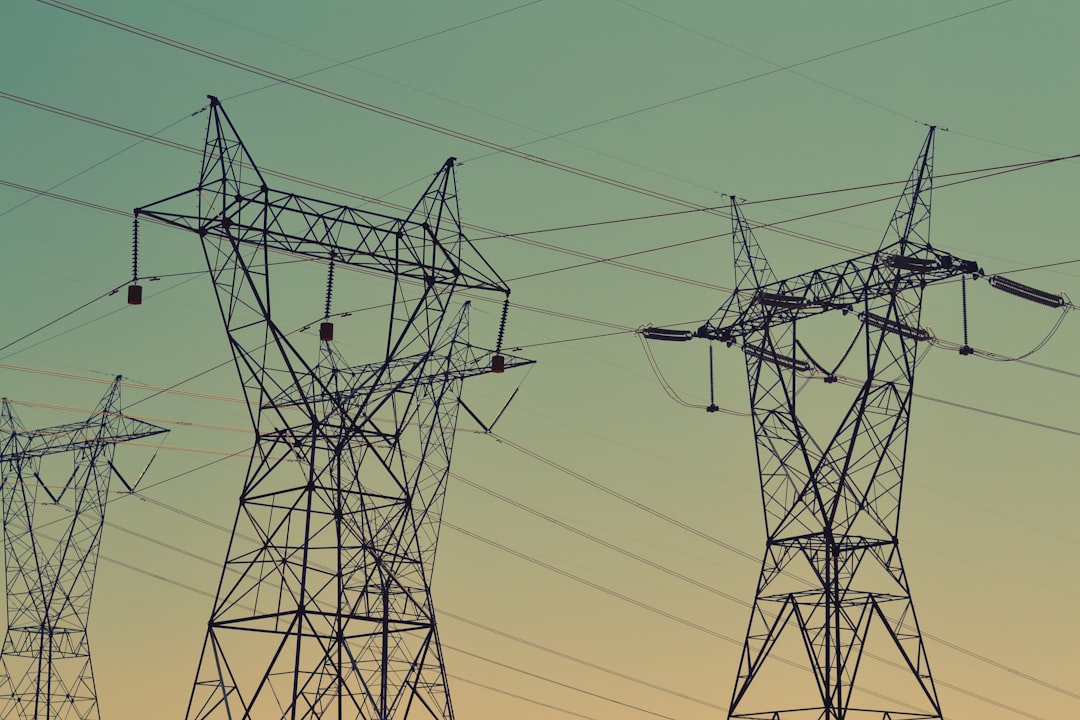
In the modern world, the reliance on centralized power grids has become a defining characteristic of industrialized societies. These vast networks of electricity generation, transmission, and distribution are designed to deliver power from a limited number of large-scale facilities to millions of consumers. This system has enabled unprecedented levels of convenience and comfort, allowing homes, businesses, and industries to operate seamlessly.
However, this dependency on a centralized model raises significant concerns regarding its sustainability and resilience in the face of various challenges. The centralization of power generation has led to economies of scale, making it possible to produce electricity at lower costs. Yet, this very efficiency comes with a price.
As societies have become increasingly interconnected through these grids, they have also become more vulnerable to disruptions. The intricate web of transmission lines and substations that crisscross regions can be easily affected by natural disasters, technical failures, or even human error. As such, understanding the implications of this dependency is crucial for policymakers, businesses, and citizens alike.
Key Takeaways
- Centralized power grids are vulnerable to failures that can cause widespread social, economic, and national security risks.
- Cybersecurity threats and technological vulnerabilities pose significant dangers to centralized power infrastructure.
- Environmental impacts from centralized grids include pollution and resource depletion, exacerbating ecological concerns.
- Alternatives like decentralized and renewable energy systems can reduce dependency and enhance resilience.
- Proactive mitigation steps are essential to safeguard against power grid failures and ensure stable energy access.
Vulnerabilities of Centralized Power Grids
Centralized power grids are inherently vulnerable due to their reliance on a limited number of generation sources. When a significant power plant experiences an outage or failure, the repercussions can ripple throughout the entire grid, leading to widespread blackouts. This vulnerability is exacerbated by aging infrastructure that may not be adequately maintained or upgraded to meet current demands.
Many grids were designed decades ago and are now struggling to cope with the increasing energy consumption driven by technological advancements and population growth. Moreover, centralized grids are susceptible to external threats, including natural disasters such as hurricanes, earthquakes, and floods. These events can damage critical infrastructure, leading to prolonged outages and significant recovery efforts.
Additionally, the concentration of power generation in specific locations makes these facilities prime targets for sabotage or terrorism. The potential for a single point of failure to disrupt an entire region’s power supply highlights the fragility of this centralized approach.
Impacts of Centralized Power Grid Failures
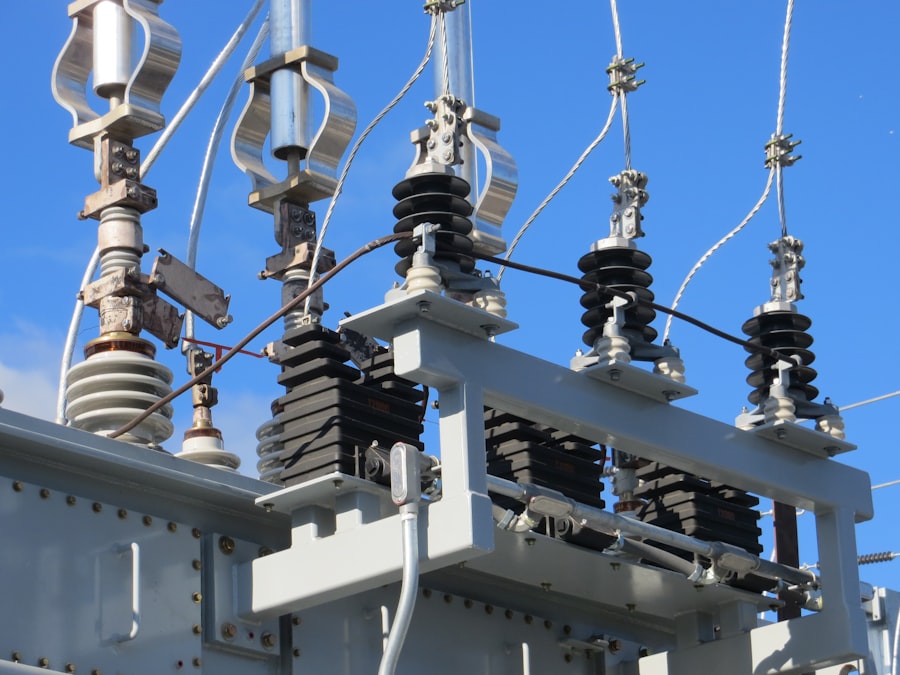
The consequences of failures within centralized power grids can be far-reaching and devastating. When a blackout occurs, it disrupts not only the daily lives of individuals but also the operations of businesses and essential services. Hospitals may struggle to maintain critical functions without power, while transportation systems can come to a standstill.
The cascading effects can lead to economic losses that extend well beyond the immediate area affected by the outage. In addition to economic ramifications, power grid failures can have profound social impacts. Communities may experience heightened anxiety and uncertainty during prolonged outages, particularly in extreme weather conditions.
Vulnerable populations, such as the elderly or those with medical needs, may face life-threatening situations without access to electricity for heating or cooling. The psychological toll of such disruptions can linger long after the lights come back on, affecting community cohesion and trust in public institutions.
Economic Risks of Centralized Power Grid Dependency
The economic risks associated with centralized power grid dependency are multifaceted and significant. Businesses rely heavily on a stable power supply for their operations; any disruption can lead to lost productivity and revenue. For industries that require continuous power—such as manufacturing or data centers—the stakes are even higher.
A single outage can result in costly downtime and damage to equipment, leading to long-term financial repercussions. Furthermore, the costs associated with restoring power after a failure can be astronomical.
This creates a cycle where economic vulnerability is compounded by increased costs for households and businesses alike. As energy prices fluctuate due to market conditions or regulatory changes, the financial burden on consumers can become untenable, further exacerbating economic disparities within society.
National Security Concerns
| Metric | Description | Typical Value | Unit | Impact on Centralized Power Grid Dependency |
|---|---|---|---|---|
| Grid Reliability | Percentage of time the grid supplies power without interruption | 99.9 | % uptime | Higher reliability increases dependency on centralized grid |
| Energy Source Mix | Proportion of energy generated from centralized sources (coal, gas, nuclear) | 70 | % of total generation | Higher centralized generation increases dependency |
| Distributed Generation Penetration | Percentage of energy generated from decentralized sources (solar, wind, local) | 15 | % of total generation | Higher penetration reduces dependency |
| Grid Infrastructure Age | Average age of transmission and distribution infrastructure | 30 | years | Older infrastructure may increase risk and dependency |
| Peak Demand | Maximum power demand on the grid during peak hours | 10000 | MW | Higher peak demand can increase dependency on centralized grid |
| Energy Storage Capacity | Installed capacity of grid-connected energy storage systems | 500 | MW | Higher storage capacity can reduce dependency |
| Grid Interconnection Level | Number of interconnections with neighboring grids | 5 | connections | More interconnections can increase reliability and dependency |
The national security implications of centralized power grid dependency cannot be overstated. A reliable electricity supply is critical for national defense operations and emergency response capabilities. Disruptions in power can hinder communication systems, transportation networks, and other essential services that are vital during crises.
As such, ensuring the resilience of power grids is not just an economic issue but also a matter of national security. Moreover, centralized grids are attractive targets for cyberattacks and physical sabotage. As technology evolves, so too do the methods employed by malicious actors seeking to exploit vulnerabilities within these systems.
Therefore, safeguarding the integrity of power grids is essential for maintaining national security in an increasingly complex global landscape.
Environmental Risks Associated with Centralized Power Grids
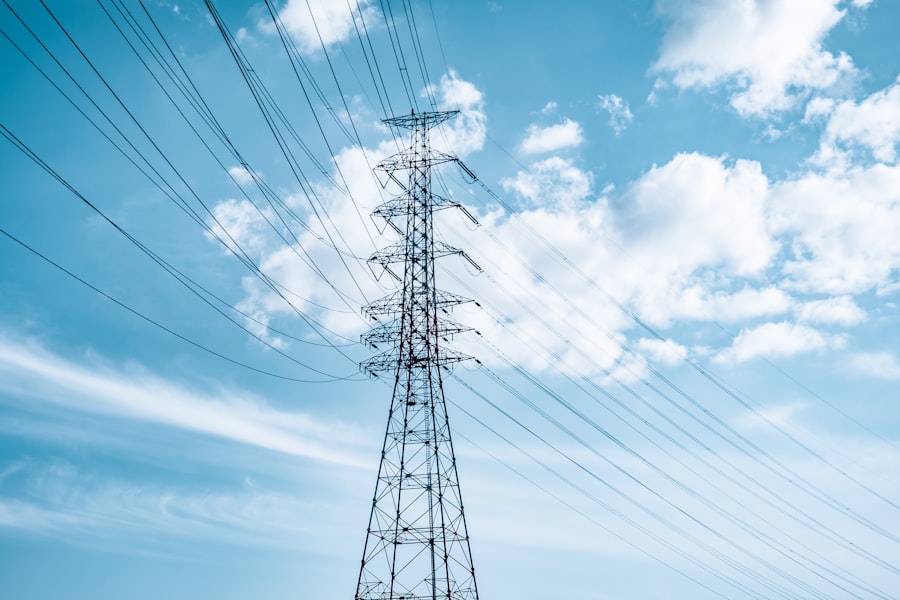
The environmental risks tied to centralized power grids are significant and often overlooked in discussions about energy policy. Many centralized systems rely heavily on fossil fuels for electricity generation, contributing to greenhouse gas emissions and climate change. The extraction and transportation of these fuels also pose environmental hazards, including oil spills and habitat destruction.
Additionally, centralized power generation often leads to inefficiencies in energy use. Transmission losses occur as electricity travels long distances from generation sites to consumers, resulting in wasted energy that could otherwise be harnessed more effectively through localized solutions. The environmental impact of this inefficiency is compounded by the need for extensive infrastructure development—such as new transmission lines—that can disrupt ecosystems and contribute to land degradation.
Social and Humanitarian Impacts of Power Grid Failures
The social implications of power grid failures extend beyond mere inconvenience; they can exacerbate existing inequalities within communities. Low-income households often lack the resources to cope with extended outages, facing challenges such as food spoilage or inadequate heating during cold weather. In contrast, wealthier individuals may have access to backup generators or alternative energy sources that allow them to maintain their quality of life during disruptions.
Humanitarian concerns also arise in the wake of power outages, particularly in regions prone to extreme weather events or natural disasters. Emergency response efforts can be severely hampered when communication systems fail due to lack of electricity. This can delay assistance for those in need and complicate recovery efforts in affected areas.
The social fabric of communities can fray under the strain of repeated outages, leading to increased tensions and diminished trust among residents.
Technological Vulnerabilities and Cybersecurity Risks
As technology continues to advance, so too do the vulnerabilities associated with centralized power grids. The integration of smart grid technologies has introduced new efficiencies but also increased exposure to cyber threats. Hackers can exploit weaknesses in software systems or network protocols to gain unauthorized access to critical infrastructure, potentially leading to catastrophic failures.
The consequences of a successful cyberattack on a power grid could be devastating. Beyond immediate disruptions in service, such attacks could compromise sensitive data related to national security or personal information about consumers. The potential for widespread chaos resulting from a cyber incident underscores the urgent need for robust cybersecurity measures within the energy sector.
Alternatives to Centralized Power Grid Dependency
In light of the vulnerabilities associated with centralized power grids, exploring alternatives has become increasingly important. Decentralized energy systems—such as microgrids—offer promising solutions by allowing communities to generate and manage their own electricity locally. These systems can enhance resilience by reducing reliance on distant generation sources and minimizing transmission losses.
Renewable energy sources like solar and wind power also present viable alternatives that align with sustainability goals while reducing environmental impacts. By investing in distributed generation technologies, communities can harness local resources and create more resilient energy systems that are less susceptible to large-scale failures.
Steps to Mitigate the Dangers of Centralized Power Grid Dependency
To address the dangers posed by centralized power grid dependency, several proactive steps can be taken by governments, utilities, and communities alike. First and foremost is the need for investment in infrastructure upgrades that enhance resilience against natural disasters and technical failures. This includes reinforcing existing facilities and developing new technologies that improve grid reliability.
Additionally, fostering collaboration between public and private sectors can lead to innovative solutions that address vulnerabilities while promoting sustainability. Policymakers should prioritize incentives for renewable energy adoption and decentralized energy systems that empower communities to take control of their energy needs. Public awareness campaigns can also play a crucial role in educating citizens about energy conservation practices and emergency preparedness strategies.
Conclusion and Call to Action
In conclusion, while centralized power grids have served as the backbone of modern electricity distribution, their vulnerabilities pose significant risks that cannot be ignored. From economic impacts to national security concerns and environmental consequences, the challenges associated with this dependency are multifaceted and urgent. It is imperative for stakeholders at all levels—governments, businesses, and individuals—to recognize these risks and take action toward creating more resilient energy systems.
The transition toward decentralized energy solutions is not merely an option; it is a necessity for ensuring a sustainable future. By investing in infrastructure improvements, embracing renewable energy technologies, and fostering community engagement in energy management, society can mitigate the dangers associated with centralized power grid dependency. The time for action is now; collective efforts will pave the way for a more secure and sustainable energy landscape for generations to come.
The increasing dependency on centralized power grids raises concerns about energy security and resilience, particularly in the face of natural disasters and cyber threats. A related article that delves into the implications of this dependency can be found at this link. It discusses the vulnerabilities associated with centralized systems and explores potential alternatives that could enhance energy independence and sustainability.
FAQs
What is a centralized power grid?
A centralized power grid is an electrical system where electricity is generated at large, central power plants and then transmitted over long distances through high-voltage transmission lines to distribution networks that deliver power to consumers.
Why do many regions rely on centralized power grids?
Centralized power grids have historically been favored because they allow for large-scale generation, which can be more efficient and cost-effective. They also enable easier management and coordination of electricity supply across wide areas.
What are the main risks associated with dependency on a centralized power grid?
Dependency on a centralized power grid can lead to vulnerabilities such as widespread outages if a major power plant or transmission line fails, susceptibility to natural disasters, cyberattacks, and difficulties in integrating renewable energy sources.
How does centralized power grid dependency affect energy resilience?
High dependency on centralized grids can reduce energy resilience because disruptions at a single point can impact large numbers of consumers. Decentralized or distributed energy systems can enhance resilience by providing alternative power sources closer to the point of use.
Can centralized power grids integrate renewable energy?
Yes, centralized power grids can integrate renewable energy sources like wind and solar, but it often requires upgrades to grid infrastructure and management systems to handle variability and distributed generation.
What are some alternatives to centralized power grids?
Alternatives include decentralized or distributed energy systems, such as microgrids, rooftop solar panels, and local energy storage, which can operate independently or in conjunction with the main grid to improve reliability and reduce dependency.
How does centralized power grid dependency impact energy security?
Centralized grids can pose energy security challenges because a failure or attack on critical infrastructure can disrupt power supply to large areas. Diversifying energy sources and decentralizing generation can mitigate these risks.
What measures are being taken to reduce dependency on centralized power grids?
Measures include investing in smart grid technologies, promoting distributed energy resources, enhancing grid flexibility, improving energy storage solutions, and encouraging policies that support renewable energy integration and grid modernization.