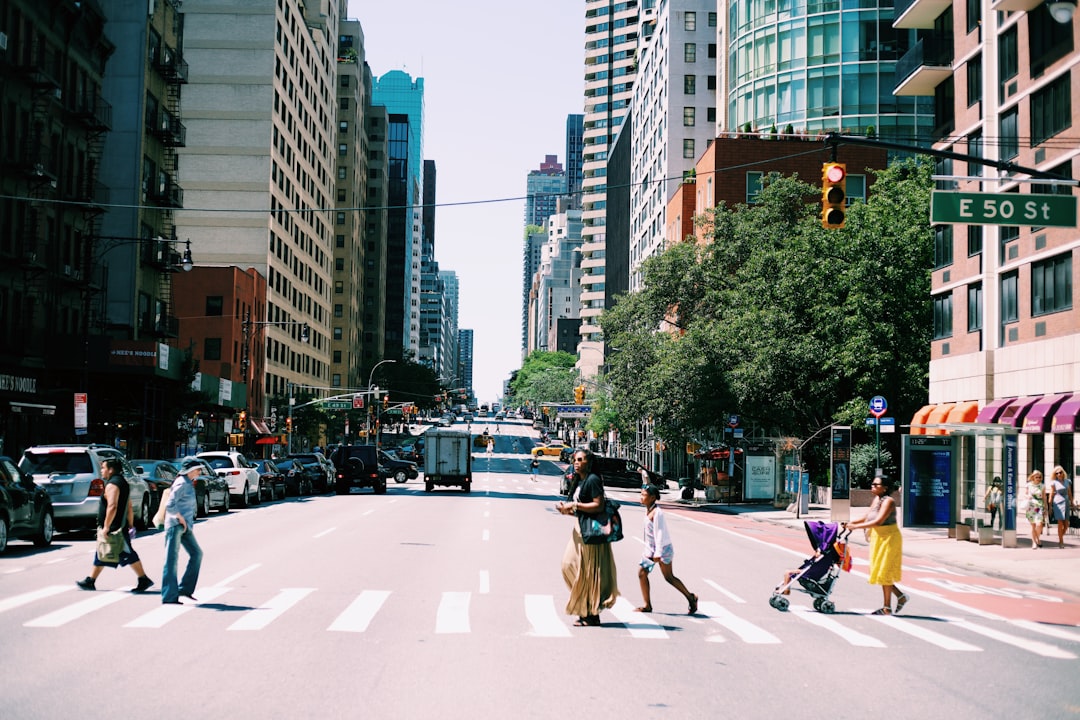
Irreversible climate change represents one of the most pressing challenges of the 21st century, posing significant threats to ecosystems, economies, and human health. This phenomenon is characterized by changes in climate patterns that cannot be reversed within a human timescale, primarily due to the accumulation of greenhouse gases in the atmosphere. As global temperatures rise, the consequences become increasingly severe, leading to extreme weather events, rising sea levels, and disruptions to natural habitats.
The urgency of addressing these changes is underscored by scientific consensus, which warns that without immediate and substantial action, the impacts will be felt for generations to come. Cities, as hubs of human activity and innovation, are particularly vulnerable to the effects of irreversible climate change. With over half of the world’s population residing in urban areas, the implications of climate change on cities are profound.
Urban centers are not only responsible for a significant portion of global carbon emissions but also face unique challenges such as heat islands, flooding, and infrastructure strain. Understanding the dynamics of irreversible climate change within urban environments is crucial for developing effective strategies to mitigate its impacts and adapt to new realities.
Key Takeaways
- Irreversible climate change poses significant and lasting threats to urban environments worldwide.
- Cities are experiencing tangible signs of irreversible climate change, including extreme weather events and rising sea levels.
- Urban populations face severe consequences such as displacement, health risks, and economic challenges due to climate impacts.
- Effective mitigation requires coordinated government policies, community engagement, and innovative technological solutions.
- Global collaboration is essential to develop and implement strategies that address the irreversible effects of climate change in cities.
The Impact of Climate Change on Cities
The impact of climate change on cities is multifaceted, affecting various aspects of urban life. One of the most immediate concerns is the increase in extreme weather events, such as hurricanes, floods, and heatwaves. These events can lead to significant damage to infrastructure, disrupt essential services, and pose risks to public safety.
For instance, heavy rainfall can overwhelm drainage systems, resulting in urban flooding that affects homes, businesses, and transportation networks. As cities continue to grow and develop, the strain on existing infrastructure becomes more pronounced, making them increasingly susceptible to climate-related disasters. Moreover, climate change exacerbates existing social inequalities within urban populations.
Vulnerable communities often bear the brunt of environmental changes due to limited resources and inadequate infrastructure. Low-income neighborhoods may lack access to air conditioning during heatwaves or be situated in flood-prone areas without adequate protection. This disparity highlights the need for targeted interventions that address both climate resilience and social equity.
As cities grapple with these challenges, it becomes evident that a comprehensive approach is necessary to ensure that all residents can adapt to the changing climate.
Signs of Irreversible Climate Change in Cities
Cities around the world are already witnessing tangible signs of irreversible climate change. Rising temperatures are leading to more frequent and intense heatwaves, which can have dire consequences for public health. Urban heat islands—areas that experience significantly higher temperatures than their rural surroundings—are becoming more pronounced as concrete and asphalt absorb and retain heat.
This phenomenon not only increases energy consumption for cooling but also poses health risks, particularly for vulnerable populations such as the elderly and those with pre-existing health conditions. Additionally, sea-level rise is a critical concern for coastal cities. As polar ice melts and ocean waters expand due to warming, cities like Miami, New Orleans, and Jakarta face increasing risks of flooding and erosion.
Saltwater intrusion into freshwater supplies further complicates the situation, threatening drinking water sources and agricultural productivity. These signs serve as stark reminders that climate change is not a distant threat but a current reality that demands immediate attention from urban planners and policymakers.
The Consequences of Irreversible Climate Change for Urban Populations
The consequences of irreversible climate change for urban populations are far-reaching and complex. One significant impact is the potential for displacement due to rising sea levels and extreme weather events. As certain areas become uninhabitable, residents may be forced to relocate, leading to increased pressure on housing markets in other regions.
This displacement can exacerbate existing social tensions and create challenges for local governments in providing adequate services and support for newcomers. Furthermore, the economic implications of climate change are profound. Cities that rely heavily on tourism or agriculture may see declines in revenue as natural disasters disrupt these industries.
Job losses can lead to increased poverty rates and strain social services, creating a cycle of vulnerability that is difficult to break. The long-term economic stability of urban areas hinges on their ability to adapt to these changes and invest in resilient infrastructure that can withstand future challenges.
Case Studies of Cities Facing Irreversible Climate Change
| City | Country | Average Annual Temperature (°C) | Sea Level Rise Risk (meters by 2100) | Population (millions) | Percentage of Area at Risk (%) | Year Estimated to Reach Point of No Return |
|---|---|---|---|---|---|---|
| Miami | USA | 25.6 | 2.5 | 6.1 | 30 | 2050 |
| Jakarta | Indonesia | 27.0 | 3.0 | 10.5 | 40 | 2045 |
| Venice | Italy | 15.5 | 1.5 | 0.26 | 50 | 2060 |
| New Orleans | USA | 20.3 | 2.0 | 1.0 | 35 | 2055 |
| Bangkok | Thailand | 28.0 | 2.8 | 8.3 | 45 | 2048 |
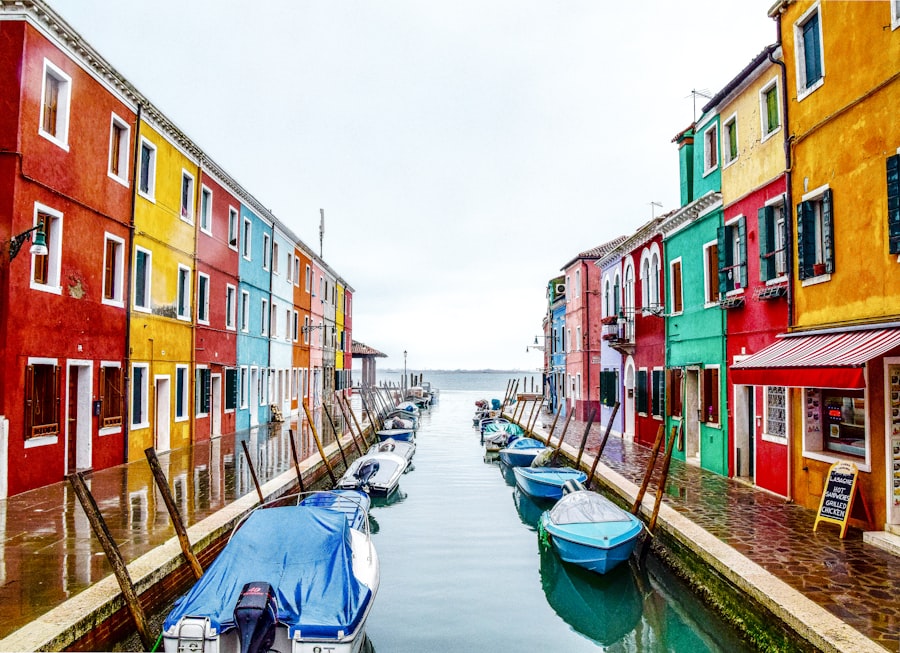
Several cities around the globe exemplify the challenges posed by irreversible climate change. For instance, Venice has long been known for its picturesque canals; however, rising sea levels threaten its very existence. The city has implemented a series of flood barriers known as MOSE to protect against high tides, but these measures are not foolproof.
As climate change continues to accelerate, Venice faces an uncertain future that could see it submerged if proactive measures are not taken. Another poignant example is Jakarta, which is sinking at an alarming rate due to excessive groundwater extraction and rising sea levels. The Indonesian capital is projected to be partially underwater by 2050 if current trends continue.
In response, the government has proposed ambitious plans to relocate the capital to Borneo while investing in flood control measures for Jakarta. These case studies illustrate the urgent need for innovative solutions tailored to each city’s unique circumstances while highlighting the global nature of this crisis.
Strategies for Mitigating the Effects of Irreversible Climate Change in Cities

To effectively mitigate the effects of irreversible climate change in cities, a multifaceted approach is essential. One key strategy involves enhancing green infrastructure, such as parks and green roofs, which can help absorb rainwater and reduce urban heat. By integrating nature into urban planning, cities can improve air quality while providing residents with recreational spaces that promote well-being.
Additionally, investing in sustainable transportation systems is crucial for reducing carbon emissions. Expanding public transit options, promoting cycling and walking paths, and encouraging electric vehicle use can significantly decrease reliance on fossil fuels. Cities like Amsterdam have successfully implemented such strategies, resulting in lower emissions and improved quality of life for residents.
By prioritizing sustainability in urban design, cities can create environments that are not only resilient but also livable.
The Role of Government and Policy in Addressing Irreversible Climate Change in Cities
Government action plays a pivotal role in addressing irreversible climate change within urban settings. Policymakers must prioritize climate resilience in their agendas by enacting regulations that promote sustainable development practices. This includes implementing building codes that require energy-efficient designs and incentivizing renewable energy use among businesses and residents.
Moreover, collaboration between different levels of government—local, regional, and national—is essential for creating comprehensive climate action plans. By pooling resources and expertise, cities can develop more effective strategies for adaptation and mitigation.
The Importance of Community Engagement in Addressing Irreversible Climate Change in Cities
Community engagement is a critical component in addressing irreversible climate change at the city level. Residents must be actively involved in discussions about climate action plans to ensure that their needs and concerns are heard. By fostering a sense of ownership over local initiatives, communities are more likely to support and participate in sustainability efforts.
Educational programs can also play a vital role in raising awareness about climate change impacts and solutions. Workshops, public forums, and outreach campaigns can empower residents with knowledge about how they can contribute to mitigation efforts at home and within their neighborhoods. When communities come together to advocate for change, they create a powerful force that can influence policy decisions and drive meaningful action.
Technological Innovations for Adapting to Irreversible Climate Change in Cities
Technological innovations offer promising solutions for cities grappling with irreversible climate change. Smart city technologies—such as sensors for monitoring air quality or traffic patterns—can provide valuable data that informs urban planning decisions. By leveraging technology, cities can optimize resource use and enhance their resilience against climate-related challenges.
Additionally, advancements in renewable energy technologies present opportunities for cities to reduce their carbon footprints significantly. Solar panels, wind turbines, and energy storage systems can be integrated into urban infrastructure to create sustainable energy sources that power homes and businesses while minimizing environmental impact.
The Need for Global Collaboration in Addressing Irreversible Climate Change in Cities
Addressing irreversible climate change requires global collaboration among nations, cities, and organizations. Climate change knows no borders; therefore, collective action is essential for achieving meaningful progress. International agreements like the Paris Agreement highlight the importance of countries committing to emission reduction targets while sharing best practices for adaptation.
Cities can also play a vital role in this global effort by participating in networks that facilitate knowledge exchange and collaboration on sustainability initiatives. Initiatives such as C40 Cities Climate Leadership Group bring together urban leaders from around the world to share strategies for reducing emissions and enhancing resilience. By working together on a global scale, cities can amplify their impact and drive systemic change.
Taking Action to Address Irreversible Climate Change in Cities
In conclusion, addressing irreversible climate change in cities is an urgent imperative that requires immediate action from all sectors of society. The impacts are already being felt across urban landscapes worldwide, threatening public health, economic stability, and social equity. However, through innovative strategies that prioritize sustainability, community engagement, government action, technological advancements, and global collaboration, cities can build resilience against these challenges.
As urban populations continue to grow and climate change accelerates, it is crucial for city leaders and residents alike to recognize their role in shaping a sustainable future. By taking proactive steps today—whether through policy changes or grassroots initiatives—cities can pave the way toward a more resilient tomorrow where all inhabitants thrive despite the realities of irreversible climate change.
In exploring the concept of “point of no return” cities, it’s fascinating to consider how urban environments can reach critical thresholds beyond which recovery becomes increasingly difficult. A related article that delves into the implications of urban decline and resilience can be found here. This piece provides valuable insights into the challenges faced by cities on the brink and the strategies that may help them navigate these precarious situations.
FAQs
What does the term “point of no return cities” mean?
“Point of no return cities” refers to urban areas that have reached a critical threshold in environmental, social, or economic conditions, beyond which recovery or reversal of negative impacts becomes extremely difficult or impossible.
Which factors contribute to a city reaching the point of no return?
Factors include severe environmental degradation, such as air and water pollution, loss of green spaces, overpopulation, inadequate infrastructure, climate change effects like rising sea levels, and unsustainable resource consumption.
Are there specific cities identified as point of no return cities?
While there is no official list, some cities frequently cited in studies and reports include those facing extreme climate risks, such as Jakarta, Venice, and parts of New Orleans, due to flooding, subsidence, or other irreversible environmental challenges.
What are the consequences for cities that reach the point of no return?
Consequences can include mass displacement of residents, economic decline, loss of biodiversity, increased health problems, and diminished quality of life, potentially leading to the abandonment of affected urban areas.
Can point of no return cities recover or adapt?
Recovery is challenging but not always impossible. Adaptation strategies like improved urban planning, investment in resilient infrastructure, environmental restoration, and sustainable policies can help mitigate some impacts, though success varies by city and situation.
How can cities prevent reaching the point of no return?
Prevention involves proactive measures such as reducing carbon emissions, enhancing green spaces, improving waste management, enforcing environmental regulations, and engaging communities in sustainable development practices.
Is climate change a major factor in the concept of point of no return cities?
Yes, climate change significantly contributes to the risks faced by many cities, especially through rising sea levels, increased frequency of extreme weather events, and temperature changes that exacerbate existing vulnerabilities.
Who studies and monitors the status of point of no return cities?
Organizations such as the United Nations, environmental NGOs, urban planners, and academic institutions conduct research and monitoring to assess risks and develop strategies for cities at risk of reaching critical thresholds.