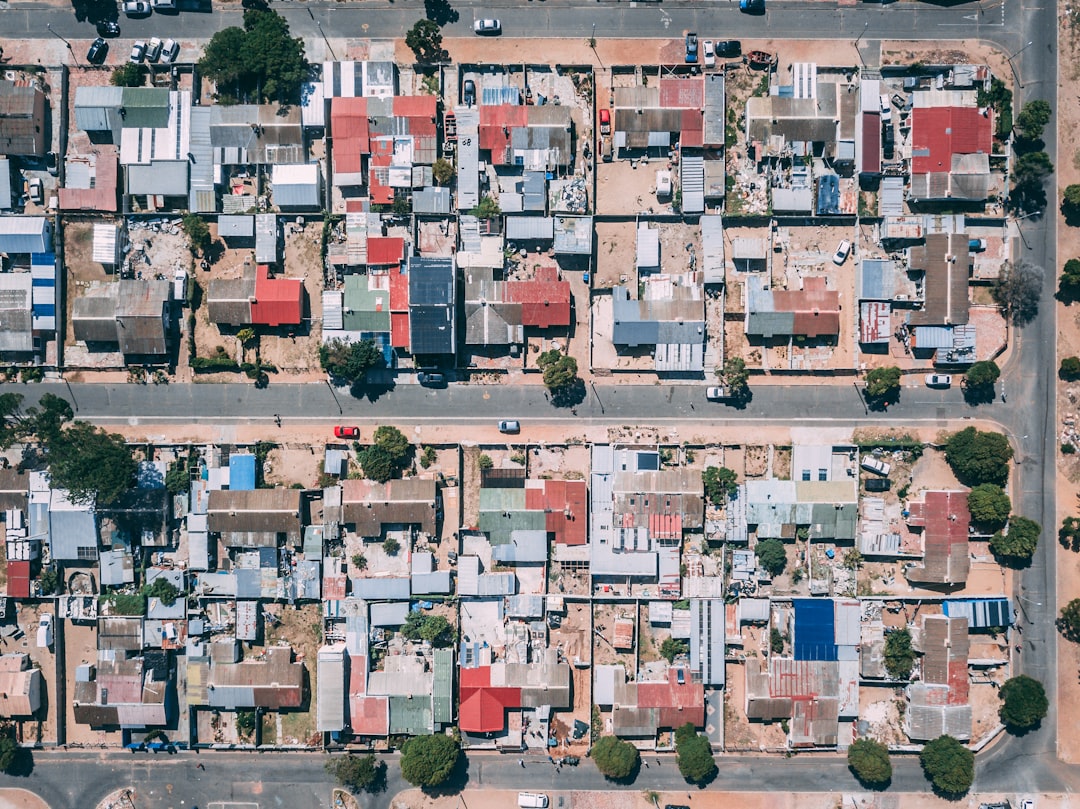
The demand for affordable housing has increased significantly in recent years due to multiple converging factors. Economic conditions, demographic changes, and ongoing urbanization have created substantial pressure on housing markets. Urban population growth continues as cities attract new residents seeking employment and opportunities, while housing supply has not kept pace with this demand.
Income stagnation combined with rising housing costs has widened the gap between what many households can afford and available housing options. The COVID-19 pandemic amplified existing housing affordability challenges. Employment disruptions and income reductions affected millions of households, increasing the number of people requiring affordable housing assistance.
Economic uncertainty during the pandemic period led to greater demand for lower-cost housing alternatives as households adjusted to changed financial circumstances. Current housing policy discussions focus on both increasing the supply of affordable units and ensuring long-term sustainability of housing programs. Policymakers and housing advocates emphasize the need for comprehensive approaches that address immediate housing needs while supporting stable community development and economic mobility for residents.
Key Takeaways
- The demand for affordable housing is rapidly increasing due to population growth and economic pressures.
- Shortages stem from high construction costs, limited land availability, and regulatory barriers.
- Lack of affordable housing negatively impacts community health, education, and economic stability.
- Government policies and private developers play crucial roles in expanding affordable housing options.
- Innovative approaches and nonprofit efforts are essential to address challenges and promote social equity.
Factors Contributing to the Shortage of Affordable Housing
Several factors contribute to the ongoing shortage of affordable housing, creating a complex web of challenges that policymakers and communities must navigate.
As property values soar in urban centers, many developers opt for luxury projects that promise higher returns on investment, leaving affordable housing options behind.
Additionally, zoning regulations and land-use policies often hinder the development of affordable housing. Many municipalities impose strict zoning laws that limit the types of housing that can be built in certain areas, effectively restricting the supply of affordable units. These regulations can create barriers for developers who wish to invest in affordable housing projects, further exacerbating the shortage.
The interplay between market forces and regulatory frameworks creates a challenging environment for those seeking to address the affordable housing crisis.
Impact of the Affordable Housing Crisis on Communities

The impact of the affordable housing crisis extends far beyond individual households; it reverberates throughout entire communities. When families are unable to find affordable housing, they often face displacement, leading to increased homelessness and instability. This instability can have cascading effects on local economies, as families struggle to maintain employment and access essential services.
Schools may also suffer when students are frequently moved or forced to change schools due to housing insecurity, disrupting their education and social development. Moreover, communities with a lack of affordable housing often experience increased social tensions and inequality. As wealthier individuals move into neighborhoods, long-time residents may be pushed out due to rising rents and property taxes.
This gentrification can erode the cultural fabric of communities, leading to a loss of diversity and social cohesion. The affordable housing crisis thus poses a significant threat not only to individual well-being but also to the overall health and vibrancy of communities.
Government Initiatives and Policies to Address the Shortage
In response to the growing affordable housing crisis, various government initiatives and policies have been implemented at local, state, and federal levels. One common approach is the introduction of tax incentives for developers who commit to building affordable units. These incentives can help offset construction costs and encourage private investment in affordable housing projects.
Additionally, some governments have established funding programs specifically aimed at supporting the development of low-income housing. Another strategy involves the use of inclusionary zoning policies, which require developers to include a certain percentage of affordable units in new residential projects. This approach aims to create mixed-income communities and ensure that affordable housing is integrated into desirable neighborhoods.
While these initiatives represent important steps toward addressing the shortage, challenges remain in their implementation and effectiveness, necessitating ongoing evaluation and adjustment.
The Role of Private Developers in Providing Affordable Housing
| Metric | Value | Unit | Year | Source |
|---|---|---|---|---|
| Number of Affordable Housing Units Needed | 7,000,000 | Units | 2023 | National Low Income Housing Coalition |
| Percentage of Renters Cost-Burdened | 48 | % | 2022 | U.S. Census Bureau |
| Average Rent Increase (Year-over-Year) | 5.2 | % | 2023 | Zillow Research |
| Median Household Income | 70,784 | USD | 2022 | U.S. Census Bureau |
| Median Rent for 2-Bedroom Apartment | 1,450 | USD | 2023 | Zillow Research |
| Percentage of Affordable Housing Lost (Last Decade) | 15 | % | 2013-2023 | Urban Institute |
| Average Wait Time for Public Housing | 2.5 | Years | 2023 | HUD |
Private developers play a crucial role in addressing the affordable housing crisis, as they possess the resources and expertise necessary to create new housing units. However, their involvement often hinges on financial viability and market conditions. Many developers are hesitant to invest in affordable housing due to perceived risks and lower profit margins compared to luxury developments.
To encourage private sector participation, it is essential for governments to create an environment that fosters collaboration between public entities and private developers. Innovative financing models can also incentivize private developers to engage in affordable housing projects. For instance, public-private partnerships can leverage both public funding and private investment to create sustainable housing solutions.
Challenges Faced by Low-Income Individuals and Families in Finding Affordable Housing

Low-income individuals and families face numerous challenges when searching for affordable housing, often leading to frustration and despair. One significant barrier is the lack of available units that meet their financial constraints. With limited options in many urban areas, families may find themselves competing for a dwindling supply of affordable rentals or homes for sale.
This competition can drive prices up even further, making it increasingly difficult for those on tight budgets to secure stable housing. Additionally, discrimination in the rental market can further complicate the search for affordable housing. Many low-income individuals face biases based on their income level, race, or family status, which can lead to unfair treatment by landlords or property managers.
This discrimination not only limits their options but also perpetuates cycles of poverty and inequality within communities. Addressing these challenges requires comprehensive strategies that promote fair housing practices and increase access to resources for those in need.
Innovative Solutions to Increase the Supply of Affordable Housing
To combat the shortage of affordable housing, innovative solutions are emerging that aim to increase supply while addressing community needs. One such solution is the concept of micro-housing or tiny homes, which offers smaller living spaces at lower costs. These compact units can be built quickly and efficiently, providing an alternative for individuals seeking affordable options without sacrificing quality of life.
Another promising approach is community land trusts (CLTs), which allow communities to collectively own land while providing affordable housing options for residents. By removing land from the speculative market, CLTs can stabilize housing costs and ensure long-term affordability. This model empowers communities to take control of their housing futures while fostering a sense of ownership and investment in local development.
The Connection between Affordable Housing and Economic Stability
Affordable housing is intrinsically linked to economic stability at both individual and community levels. When families have access to stable and affordable living conditions, they are better positioned to invest in their education, health care, and overall well-being. This stability allows individuals to pursue job opportunities without the constant worry of housing insecurity, ultimately contributing to a more productive workforce.
At a broader level, communities with sufficient affordable housing options tend to experience greater economic resilience. When residents are not burdened by excessive housing costs, they have more disposable income to spend on local goods and services, stimulating economic growth within their neighborhoods. Thus, investing in affordable housing is not merely a social imperative; it is also an economic strategy that benefits entire communities.
The Importance of Affordable Housing in Promoting Social Equity
Affordable housing plays a vital role in promoting social equity by ensuring that all individuals have access to safe and stable living conditions regardless of their socioeconomic status. When people are housed affordably, they are more likely to participate fully in their communities—engaging in local governance, accessing educational opportunities, and contributing to civic life. This participation fosters a sense of belonging and empowerment among residents.
Moreover, equitable access to affordable housing can help break down systemic barriers that perpetuate inequality. By providing low-income families with opportunities for stable housing in diverse neighborhoods, society can work toward dismantling segregation and fostering inclusivity. Ultimately, affordable housing serves as a foundation upon which social equity can be built.
The Role of Nonprofit Organizations in Addressing the Affordable Housing Crisis
Nonprofit organizations have emerged as key players in addressing the affordable housing crisis by providing essential services and advocacy efforts aimed at increasing access to safe and affordable homes. Many nonprofits focus on developing new housing units or rehabilitating existing properties to meet community needs. They often work closely with local governments and community members to ensure that their efforts align with the specific challenges faced by residents.
In addition to development efforts, nonprofits play a crucial role in advocating for policy changes that support affordable housing initiatives. By raising awareness about the importance of affordable housing and mobilizing community support, these organizations can influence local policies and funding decisions that impact housing availability. Their commitment to social justice drives many nonprofits’ missions as they strive to create lasting change within communities.
The Future of Affordable Housing: Trends and Projections
Looking ahead, the future of affordable housing will likely be shaped by evolving trends and projections influenced by demographic shifts, technological advancements, and changing economic conditions. As urbanization continues unabated, cities will need innovative strategies to accommodate growing populations while ensuring affordability remains a priority. One potential trend is the increased use of technology in construction processes—such as modular building techniques—that can reduce costs and expedite development timelines.
Additionally, as remote work becomes more prevalent, there may be shifts in demand for housing types as individuals seek homes outside traditional urban centers while still requiring access to essential services. Ultimately, addressing the affordable housing crisis will require collaboration among various stakeholders—governments, private developers, nonprofits, and community members—to create sustainable solutions that meet current needs while anticipating future challenges. The path forward will necessitate creativity, commitment, and a shared vision for equitable access to safe and affordable homes for all individuals and families.
The affordable housing shortage continues to be a pressing issue in many urban areas, impacting low-income families and individuals. For a deeper understanding of the factors contributing to this crisis, you can read a related article that explores various solutions and initiatives aimed at addressing the housing deficit. Check it out here: Affordable Housing Solutions.
FAQs
What is affordable housing?
Affordable housing refers to residential units that are priced to be within the financial reach of individuals and families with low to moderate incomes, typically costing no more than 30% of their income.
What causes the affordable housing shortage?
The shortage is caused by factors such as rising construction costs, limited land availability, zoning restrictions, insufficient government funding, and increased demand due to population growth.
Who is most affected by the affordable housing shortage?
Low-income families, seniors, people with disabilities, and essential workers are among the groups most impacted by the lack of affordable housing options.
What are the consequences of an affordable housing shortage?
Consequences include increased homelessness, overcrowding, longer commutes, financial strain on families, and negative impacts on health and education outcomes.
How can governments address the affordable housing shortage?
Governments can implement policies such as increasing funding for affordable housing projects, relaxing zoning laws, offering tax incentives to developers, and supporting public-private partnerships.
What role do non-profit organizations play in affordable housing?
Non-profits often develop, manage, and advocate for affordable housing, providing resources and support to low-income residents and influencing housing policy.
Is affordable housing shortage a global issue?
Yes, many countries around the world face challenges related to affordable housing, though the severity and specific causes vary by region.
How does affordable housing impact the economy?
Affordable housing supports economic stability by enabling workers to live near jobs, reducing commute times, and increasing disposable income, which benefits local businesses.
Can affordable housing be environmentally sustainable?
Yes, affordable housing can incorporate green building practices and energy-efficient designs to reduce environmental impact and lower utility costs for residents.
What are some common solutions to increase affordable housing supply?
Solutions include building more units, converting existing buildings, implementing rent control measures, and encouraging mixed-income developments.