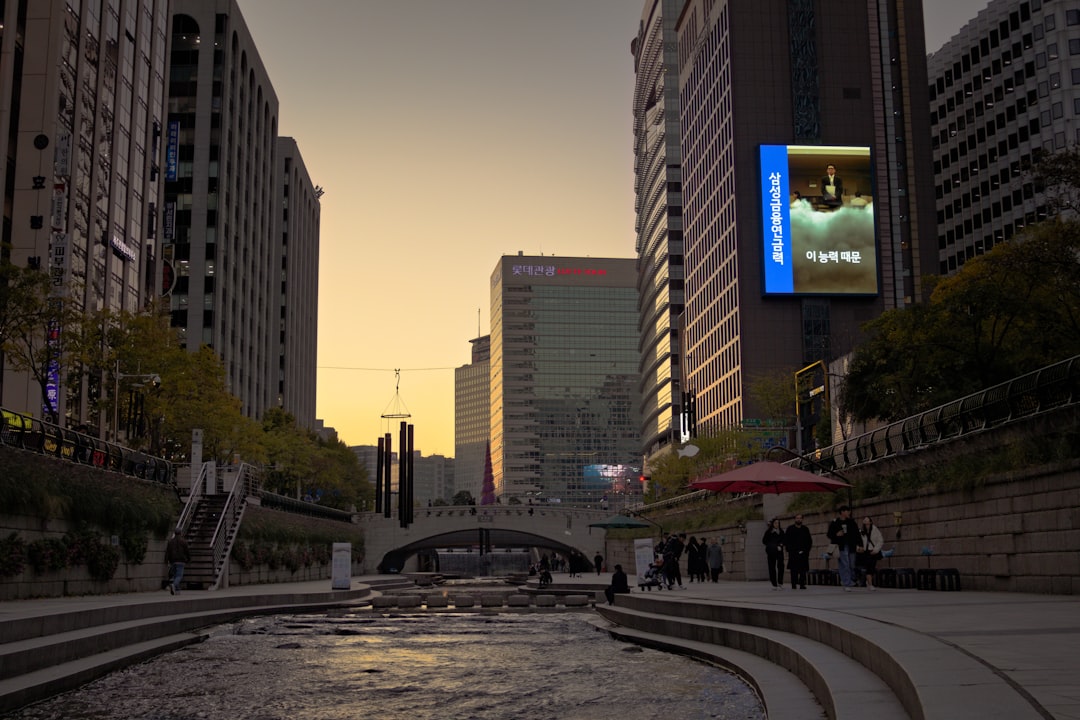
Downtown revitalization transforms urban centers into dynamic hubs of activity, culture, and community engagement. Cities facing economic decline, demographic changes, and evolving consumer preferences increasingly turn to downtown revitalization strategies as effective solutions. These initiatives typically employ comprehensive approaches to reinvigorate underutilized spaces, creating environments conducive to business development, residential engagement, and cultural expression.
The benefits include increased property values and improved quality of life for urban residents. Revitalization projects often function as drivers for wider urban renewal. Strategic investments in infrastructure, public spaces, and community facilities create attractive environments that appeal to both residents and visitors.
This attraction generates economic activity, creates employment opportunities, and enhances municipal tax bases. Downtown revitalization extends beyond economic improvements to foster social integration and cultural development. When diverse populations converge in these revitalized spaces, they develop stronger community bonds and civic pride, essential elements for sustainable urban environments.
Key Takeaways
- Downtown revitalization holds potential to boost economic growth and community vibrancy.
- Effective urban planning is crucial for sustainable and inclusive revitalization projects.
- Economic challenges, including funding and market shifts, often hinder revitalization success.
- Gentrification can lead to displacement, requiring balanced policies to protect existing residents.
- Community engagement and small businesses play key roles in creating authentic and resilient downtown areas.
The Role of Urban Planning in Revitalization Efforts
Urban planning plays a pivotal role in the success of downtown revitalization initiatives. Effective urban planning involves a comprehensive understanding of the unique characteristics and needs of a community. Planners must assess existing infrastructure, land use patterns, and demographic trends to develop strategies that align with the aspirations of local residents and businesses.
This process often includes stakeholder engagement, where community members are invited to share their visions for the future of their downtown areas. By incorporating local input, planners can create revitalization plans that are not only practical but also resonate with the community’s identity. Furthermore, urban planning facilitates the integration of various elements essential for a thriving downtown.
This includes transportation networks that connect neighborhoods to the downtown core, pedestrian-friendly designs that encourage foot traffic, and mixed-use developments that combine residential, commercial, and recreational spaces. A well-planned downtown can enhance accessibility and mobility, making it easier for people to navigate the area. Ultimately, effective urban planning lays the groundwork for successful revitalization by ensuring that developments are sustainable, inclusive, and reflective of the community’s values.
Economic Challenges in Downtown Revitalization
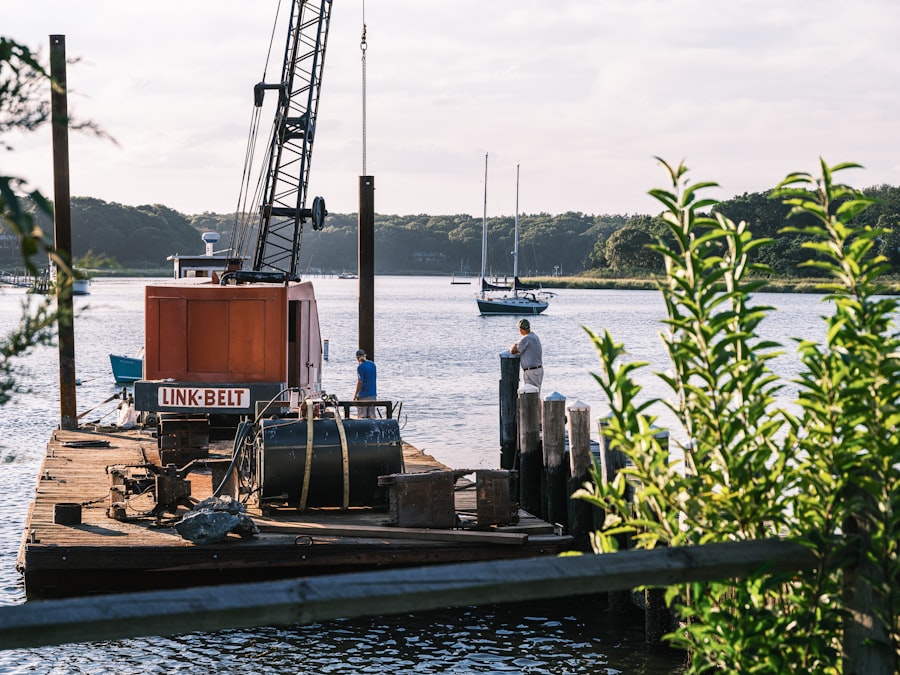
Despite the potential benefits of downtown revitalization, economic challenges often pose significant obstacles. One of the primary issues is securing funding for revitalization projects. Many cities face budget constraints and competing priorities, making it difficult to allocate resources for comprehensive redevelopment efforts.
Additionally, attracting private investment can be challenging in areas with a history of economic decline or high vacancy rates. Investors may be hesitant to commit capital without clear evidence of potential returns, creating a cycle of stagnation that hinders progress. Moreover, the economic landscape is constantly evolving, influenced by factors such as technological advancements and shifts in consumer behavior.
For instance, the rise of e-commerce has transformed retail dynamics, leading to vacant storefronts in many downtown areas. Revitalization efforts must adapt to these changes by fostering diverse economic opportunities that go beyond traditional retail. This may involve promoting creative industries, technology hubs, or experiential businesses that cater to modern consumer preferences.
Addressing these economic challenges requires innovative thinking and collaboration among public and private stakeholders to create a resilient and adaptable downtown economy.
Social and Cultural Factors in Revitalization Efforts
Social and cultural factors play a crucial role in shaping the success of downtown revitalization initiatives. A vibrant downtown is not solely defined by its physical attributes; it is also characterized by the social interactions and cultural expressions that occur within its spaces. Revitalization efforts must prioritize inclusivity and diversity to ensure that all community members feel represented and engaged.
This can involve creating public spaces that host cultural events, art installations, and community gatherings that reflect the unique identity of the area. Additionally, fostering a sense of community ownership is essential for sustainable revitalization. When residents feel invested in their downtown’s future, they are more likely to participate in its development and maintenance.
This sense of ownership can be cultivated through initiatives such as community-led design workshops or local business support programs. By empowering residents to take an active role in shaping their environment, revitalization efforts can create lasting connections between people and place, ultimately enhancing the social fabric of the downtown area.
The Impact of Gentrification on Downtown Areas
| Metric | Description | Example Data | Impact on Revitalization |
|---|---|---|---|
| Vacancy Rate | Percentage of unoccupied commercial or residential properties | 35% | High vacancy discourages investment and reduces foot traffic |
| Business Closure Rate | Annual percentage of businesses shutting down | 20% | Indicates economic instability and lack of sustainable growth |
| Crime Rate | Incidents per 1,000 residents annually | 75 | High crime deters visitors and potential residents |
| Public Investment | Funds allocated by government for revitalization efforts | Low or inconsistent | Insufficient funding limits infrastructure and service improvements |
| Population Decline | Percentage decrease in downtown residents over 5 years | 15% | Declining population reduces economic activity and vibrancy |
| Pedestrian Traffic | Average daily foot traffic count | 500 people/day | Low pedestrian activity signals lack of engagement and vitality |
| Community Engagement | Level of resident and business participation in revitalization | Minimal | Low engagement leads to misaligned projects and poor outcomes |
Gentrification is a complex phenomenon that often accompanies downtown revitalization efforts. While it can lead to increased investment and improved infrastructure, it also raises concerns about displacement and loss of cultural identity. As property values rise and new businesses move in, long-time residents may find themselves priced out of their neighborhoods.
This tension between revitalization and gentrification highlights the need for equitable development practices that prioritize the needs of existing residents while attracting new investment. To mitigate the negative impacts of gentrification, cities must adopt policies that promote affordable housing and support for low-income residents. This may include implementing inclusionary zoning measures that require developers to allocate a portion of new units for affordable housing or providing financial assistance programs for low-income families facing displacement.
Additionally, fostering partnerships with local organizations can help ensure that revitalization efforts are inclusive and benefit all community members rather than exacerbating existing inequalities.
Government Policies and Downtown Revitalization
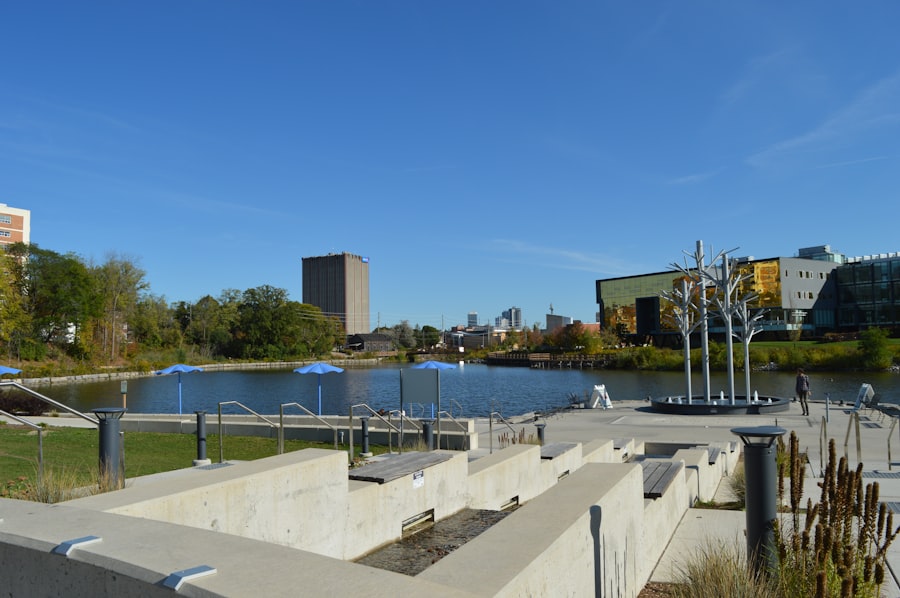
Government policies play a critical role in shaping the landscape of downtown revitalization efforts. Local governments often serve as key facilitators by providing funding, resources, and regulatory frameworks that support redevelopment initiatives. Policies such as tax incentives for businesses or grants for public infrastructure improvements can stimulate investment in downtown areas.
Furthermore, zoning regulations can be adjusted to encourage mixed-use developments that promote walkability and accessibility. However, effective government policies must also address the potential pitfalls associated with revitalization efforts. Policymakers need to strike a balance between encouraging development and protecting the interests of existing residents.
This may involve implementing measures to prevent displacement or ensuring that new developments align with community needs. Engaging with stakeholders throughout the policy-making process is essential to create a shared vision for downtown revitalization that reflects the aspirations of all community members.
The Role of Small Businesses in Revitalization Efforts
Small businesses are often at the heart of successful downtown revitalization efforts. They contribute to the unique character of an area while providing essential goods and services to residents and visitors alike. Supporting small businesses can create a vibrant atmosphere that attracts foot traffic and fosters community engagement.
Local shops, cafes, and artisans not only enhance the aesthetic appeal of downtown but also serve as gathering places where social interactions occur. To promote small business growth during revitalization efforts, cities can implement programs that provide resources such as grants or low-interest loans for entrepreneurs looking to establish or expand their operations. Additionally, creating business incubators or co-working spaces can foster collaboration among small business owners while providing them with access to shared resources.
By prioritizing small businesses in revitalization strategies, cities can cultivate a diverse economic landscape that reflects the unique identity of their downtown areas.
Community Engagement and Downtown Revitalization
Community engagement is a cornerstone of successful downtown revitalization initiatives. Involving residents in the planning process ensures that their voices are heard and their needs are addressed. Effective engagement strategies can take many forms, including public meetings, surveys, workshops, and online platforms where community members can share their ideas and feedback.
By fostering open dialogue between city officials, planners, and residents, revitalization efforts can be more responsive to local concerns. Moreover, community engagement helps build trust among stakeholders and fosters a sense of ownership over revitalization projects.
This collaborative approach not only enhances the effectiveness of revitalization efforts but also strengthens community bonds and promotes social cohesion.
Environmental Considerations in Downtown Revitalization
Environmental considerations are increasingly important in downtown revitalization efforts as cities strive for sustainability and resilience in their development practices. Incorporating green spaces, promoting energy-efficient buildings, and enhancing public transportation options are essential components of environmentally conscious revitalization strategies. Green infrastructure not only improves aesthetics but also contributes to better air quality and stormwater management.
Additionally, prioritizing sustainable practices can attract environmentally conscious businesses and residents who value eco-friendly living. Cities can implement policies that encourage sustainable building practices or incentivize developers to incorporate green technologies into their projects. By integrating environmental considerations into revitalization efforts, cities can create healthier urban environments while addressing climate change challenges.
Lessons Learned from Failed Revitalization Efforts
Examining failed revitalization efforts provides valuable insights into what strategies may not work effectively in certain contexts. Many past initiatives have fallen short due to a lack of community involvement or failure to address the needs of existing residents.
Additionally, failed efforts may highlight the importance of adaptability in response to changing economic conditions or community dynamics. Cities must be willing to reassess their strategies based on feedback from stakeholders and evolving circumstances. Learning from past mistakes allows cities to refine their approaches to revitalization, ensuring that future initiatives are more inclusive, sustainable, and responsive to community needs.
The Future of Downtown Revitalization: A New Approach
The future of downtown revitalization lies in adopting innovative approaches that prioritize inclusivity, sustainability, and community engagement. As cities continue to evolve in response to global challenges such as climate change and economic inequality, revitalization efforts must adapt accordingly. Emphasizing collaboration among stakeholders—government agencies, businesses, residents—will be crucial in creating holistic strategies that benefit all members of the community.
Furthermore, leveraging technology can enhance engagement efforts by providing platforms for real-time feedback and collaboration among stakeholders. Smart city initiatives may also play a role in optimizing urban infrastructure while promoting sustainability through data-driven decision-making processes. Ultimately, embracing a new approach to downtown revitalization will require cities to remain flexible and responsive while fostering environments where diverse communities can thrive together in shared spaces.
Downtown revitalization efforts can often face significant challenges, leading to failures that impact local communities. A related article that delves into the complexities and pitfalls of such initiatives can be found at Real Lore and Order. This resource provides insights into various case studies and analyses that highlight the factors contributing to unsuccessful revitalization projects.
FAQs
What is downtown revitalization?
Downtown revitalization refers to the process of improving and renewing the economic, social, and physical aspects of a city’s central business district to attract businesses, residents, and visitors.
What are common goals of downtown revitalization projects?
Common goals include boosting local economy, increasing property values, enhancing public safety, improving infrastructure, promoting cultural activities, and creating a vibrant community atmosphere.
What factors can lead to the failure of downtown revitalization efforts?
Failures can result from lack of community support, insufficient funding, poor planning, inadequate infrastructure, failure to address underlying economic issues, and neglecting the needs of local residents and businesses.
How does lack of funding impact downtown revitalization?
Insufficient funding can limit the scope and quality of improvements, delay projects, reduce maintenance, and ultimately discourage investment and participation from businesses and residents.
Why is community involvement important in downtown revitalization?
Community involvement ensures that revitalization efforts meet the needs and desires of local residents and businesses, fostering a sense of ownership and support that is critical for long-term success.
Can downtown revitalization fail even with strong initial investment?
Yes, strong initial investment alone does not guarantee success. Without sustainable planning, ongoing management, and community engagement, revitalization projects may not achieve lasting positive outcomes.
What role does economic diversity play in downtown revitalization?
Economic diversity helps create a resilient downtown by attracting a variety of businesses and industries, reducing dependence on a single sector, and providing a broader range of services and employment opportunities.
How can poor planning contribute to downtown revitalization failure?
Poor planning can lead to mismatched developments, inadequate infrastructure, traffic congestion, and failure to address social issues, all of which can deter investment and reduce the appeal of the downtown area.
Are there examples of downtown revitalization failures?
Yes, there are documented cases where revitalization efforts have failed due to factors like economic downturns, mismanagement, or lack of community support, resulting in abandoned projects or continued decline.
What lessons can be learned from downtown revitalization failures?
Key lessons include the importance of inclusive planning, securing sustainable funding, addressing social and economic challenges, fostering community engagement, and maintaining flexibility to adapt to changing conditions.