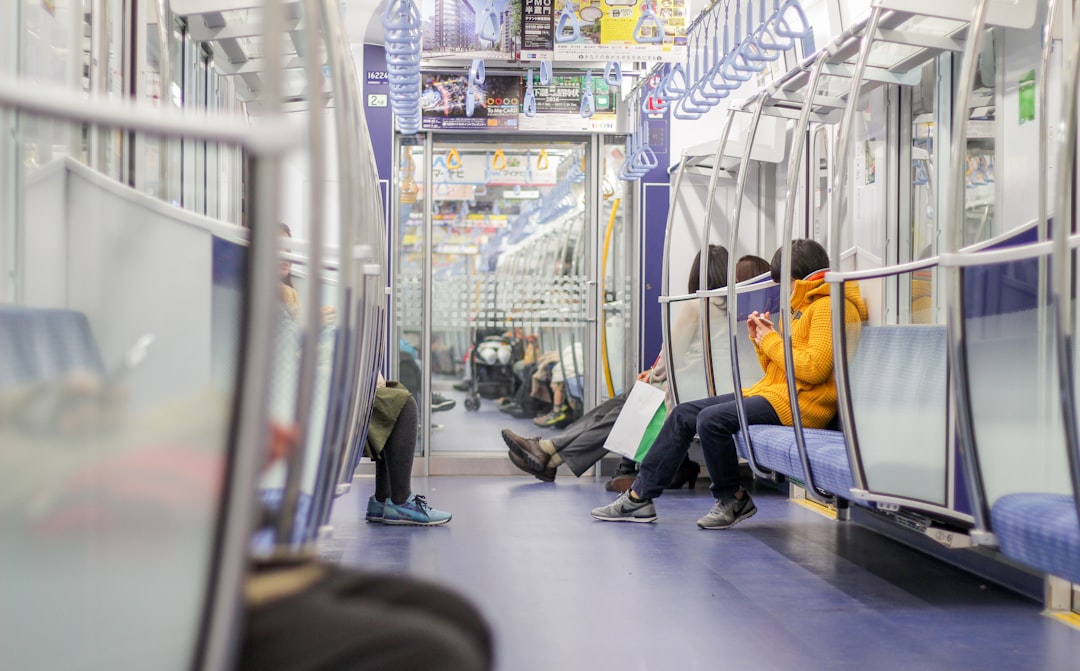
Public transit ridership has decreased significantly in numerous cities over recent years. This decline affects urban planning initiatives, policy development, and community transportation access, as public transit serves as a fundamental component of sustainable urban infrastructure. Multiple factors contribute to reduced bus, train, and subway usage, including economic conditions, population shifts, technological developments, and changes in urban development patterns.
Analyzing these contributing factors is necessary for creating effective approaches to restore and increase public transit utilization. Declining transit ridership impacts extend beyond statistical measurements and indicate broader social transformations and urban challenges. Cities currently face increasing traffic congestion, elevated air pollution levels, and climate change pressures, making efficient and accessible public transportation systems more essential.
Reduced ridership threatens the economic sustainability of transit operations and compromises efforts to establish equitable and environmentally sustainable urban communities. Comprehensive examination of the underlying causes and identification of viable solutions are required to restore public transit effectiveness and usage levels.
Key Takeaways
- Transit ridership decline is influenced by economic, demographic, technological, environmental, and urban development factors.
- Economic challenges and changing population patterns reduce reliance on public transportation.
- Advances in technology and environmental awareness shape how people choose transit options.
- Improving accessibility, affordability, and sustainability are key solutions to increase transit use.
- Collaboration among government, businesses, and communities is essential to revitalize public transportation.
Economic Factors Contributing to the Decline
Economic factors play a significant role in shaping transit ridership patterns. One of the most prominent influences is the rise of remote work and flexible employment arrangements. As more individuals transition to telecommuting or hybrid work models, the daily commute has diminished for a substantial portion of the workforce.
This shift has led to a decrease in demand for public transportation services, particularly during peak hours when ridership traditionally peaks. Consequently, transit agencies have faced challenges in maintaining their operational budgets, leading to service cuts and reduced frequency, which further discourages potential riders. Additionally, the economic landscape has shifted dramatically due to inflation and rising living costs.
Many individuals are prioritizing their spending, often opting for personal vehicles over public transit due to perceived convenience and comfort. The cost of maintaining a car may seem more manageable than navigating public transportation systems that may not meet their needs effectively. This economic calculus has resulted in a decline in ridership as people weigh their options based on financial considerations.
Furthermore, the economic downturns experienced during crises such as the COVID-19 pandemic have exacerbated these trends, leading to long-lasting changes in commuting behaviors.
Demographic Changes and Their Impact on Transit Ridership
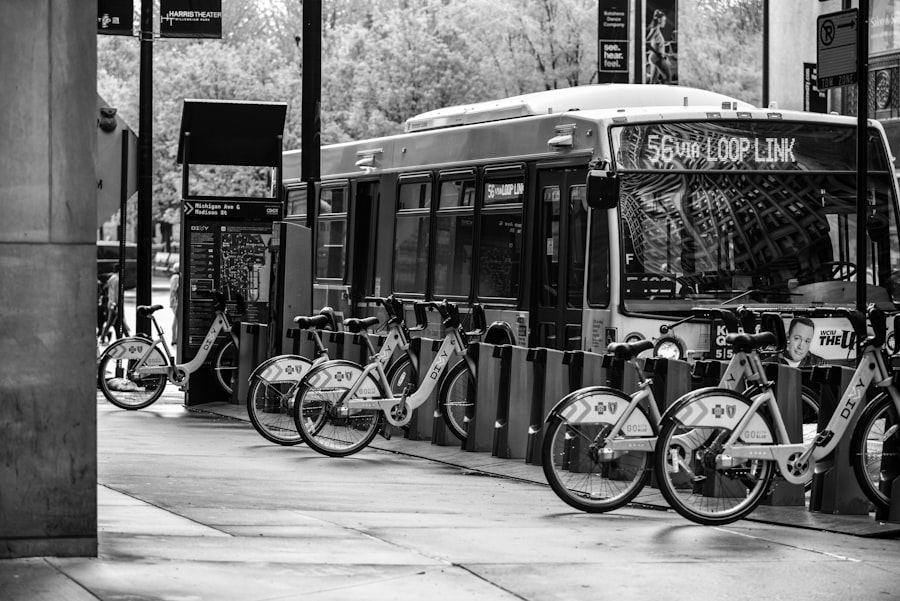
Demographic shifts have also significantly influenced transit ridership patterns. Urban areas are witnessing changes in population dynamics, with younger generations often favoring urban living and alternative modes of transportation. Millennials and Generation Z tend to prioritize experiences over possessions, leading them to seek out walkable neighborhoods with access to amenities rather than relying solely on personal vehicles.
This shift has created opportunities for public transit systems to attract younger riders who value sustainability and convenience. However, it is essential to recognize that not all demographic groups share the same relationship with public transportation. Older adults and low-income communities often rely heavily on transit services for their daily needs.
As cities become more diverse, understanding the unique needs of various demographic groups is crucial for tailoring transit services effectively. Failure to address these needs can result in further declines in ridership among vulnerable populations who depend on public transportation for access to jobs, healthcare, and education.
Technological Advancements and Their Effect on Transit Usage
The rapid advancement of technology has transformed how individuals navigate urban environments, impacting transit ridership in both positive and negative ways. On one hand, the proliferation of ride-sharing services and mobile applications has provided commuters with convenient alternatives to traditional public transportation. Services like Uber and Lyft have gained popularity by offering door-to-door convenience that appeals to those who prioritize flexibility over cost-effectiveness.
This shift has led some individuals to forgo public transit altogether in favor of these on-demand services. Conversely, technology also presents opportunities for enhancing public transportation systems. Innovations such as real-time tracking apps, contactless payment options, and improved scheduling algorithms can significantly improve the user experience for transit riders.
By leveraging technology to streamline operations and enhance accessibility, transit agencies can attract riders who may have previously opted for private vehicles or ride-sharing services. The challenge lies in effectively integrating these technological advancements into existing systems while ensuring that they remain affordable and accessible to all users.
Environmental Concerns and Their Influence on Transit Ridership
| Year | City | Average Daily Ridership (millions) | Percentage Change from Previous Year | Primary Cause of Decline |
|---|---|---|---|---|
| 2018 | New York City | 5.5 | -2% | Increased ride-sharing services |
| 2019 | Chicago | 1.3 | -3% | Service disruptions and maintenance |
| 2020 | San Francisco | 0.4 | -75% | COVID-19 pandemic |
| 2021 | Los Angeles | 0.7 | -50% | Remote work trends |
| 2022 | Washington D.C. | 0.9 | -20% | Safety concerns and service cuts |
Environmental concerns have increasingly influenced public attitudes toward transportation choices. As awareness of climate change and air quality issues grows, many individuals are seeking sustainable alternatives to reduce their carbon footprints. Public transportation is often viewed as a more environmentally friendly option compared to single-occupancy vehicles, which contribute significantly to greenhouse gas emissions.
However, despite this awareness, the decline in ridership suggests that many individuals still prioritize convenience over environmental considerations. To effectively leverage environmental concerns as a catalyst for increased transit usage, agencies must communicate the benefits of public transportation more effectively. Initiatives that highlight the positive impact of reduced vehicle emissions and improved air quality can resonate with environmentally conscious individuals.
Additionally, integrating green technologies into transit systems—such as electric buses or solar-powered stations—can further enhance the appeal of public transportation as a sustainable choice.
Urban Development and Its Role in the Decline of Transit Ridership
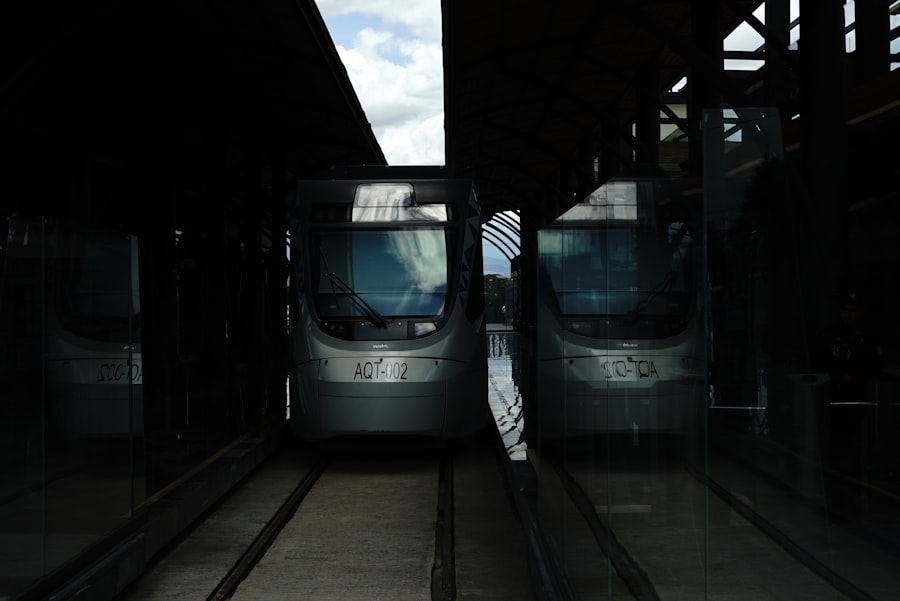
Urban development patterns have a profound impact on transit ridership trends. In many cities, sprawling suburban developments have emerged as a response to population growth and housing demand. These developments often prioritize car-centric infrastructure over walkable neighborhoods with robust public transportation options.
As a result, individuals living in these areas may find themselves reliant on personal vehicles for their daily commutes, leading to decreased demand for public transit services. Moreover, zoning regulations and land-use policies can either facilitate or hinder transit-oriented development. Cities that prioritize mixed-use developments with easy access to public transportation tend to experience higher ridership levels.
To reverse the decline in transit usage, urban planners must focus on creating environments that encourage public transportation use through thoughtful design and strategic investments in infrastructure.
Solutions to the Decline of Transit Ridership
Addressing the decline in transit ridership requires a multifaceted approach that considers the diverse factors at play. One potential solution is enhancing service frequency and reliability. By ensuring that buses and trains run on time and at regular intervals, transit agencies can make public transportation a more attractive option for commuters who may otherwise be deterred by long wait times or inconsistent schedules.
Additionally, improving marketing efforts can help raise awareness about the benefits of public transportation. Campaigns that highlight cost savings, environmental advantages, and convenience can resonate with potential riders who may not fully understand the value of using public transit. Engaging with communities through outreach programs can also foster a sense of ownership and pride in local transit systems, encouraging greater usage.
Improving Accessibility and Convenience of Public Transportation
Accessibility is a critical factor in encouraging greater transit ridership. Public transportation systems must be designed with inclusivity in mind, ensuring that individuals with disabilities or mobility challenges can navigate services easily.
Convenience is equally important; transit agencies should consider integrating services that cater to diverse commuting needs. For instance, offering express routes during peak hours or providing last-mile solutions—such as bike-sharing programs or shuttle services—can bridge gaps in connectivity and make public transportation more appealing to a broader audience.
Addressing Affordability Issues for Transit Users
Affordability remains a significant barrier for many potential transit users. Rising fares can deter low-income individuals from utilizing public transportation services they rely on for essential travel needs. To address this issue, transit agencies should explore options such as fare subsidies or sliding-scale pricing models that take into account riders’ income levels.
Additionally, partnerships with local businesses or community organizations can help provide financial assistance or incentives for low-income riders. By prioritizing affordability within their pricing structures, transit agencies can foster greater equity in access to public transportation while simultaneously increasing overall ridership.
Promoting Sustainable Transportation Options
Promoting sustainable transportation options is essential for addressing both environmental concerns and declining ridership trends. Public transit systems should actively promote their role in reducing traffic congestion and lowering emissions by highlighting success stories and data-driven outcomes related to sustainability efforts. Furthermore, integrating alternative modes of transportation—such as biking or walking—into public transit planning can create a more holistic approach to urban mobility.
Initiatives like bike lanes connected to transit hubs or pedestrian-friendly infrastructure can encourage individuals to consider public transportation as part of a broader sustainable lifestyle.
Collaborative Efforts between Government, Businesses, and Communities to Boost Transit Ridership
Collaboration among various stakeholders is crucial for revitalizing public transit systems and boosting ridership levels. Government agencies must work alongside businesses and community organizations to develop comprehensive strategies that address local needs while promoting public transportation as a viable option. Engaging with community members through forums or surveys can provide valuable insights into barriers faced by potential riders while fostering a sense of ownership over local transit systems.
By creating partnerships that leverage resources and expertise from multiple sectors, cities can develop innovative solutions that enhance public transportation accessibility and appeal. In conclusion, addressing the decline in transit ridership requires a multifaceted approach that considers economic factors, demographic changes, technological advancements, environmental concerns, urban development patterns, accessibility issues, affordability challenges, sustainable options, and collaborative efforts among stakeholders. By understanding these complexities and implementing targeted strategies, cities can work towards revitalizing their public transportation systems while promoting greater usage among residents.
The decline in transit ridership has become a pressing issue for urban planners and policymakers, prompting a closer examination of the factors contributing to this trend. A related article that delves into the complexities of this phenomenon can be found at Real Lore and Order, where various aspects of public transportation challenges are explored in detail. Understanding these dynamics is crucial for developing effective strategies to revitalize transit systems and encourage greater use among commuters.
FAQs
What is transit ridership decline?
Transit ridership decline refers to a decrease in the number of passengers using public transportation systems such as buses, trains, subways, and trams over a specific period.
What are common causes of transit ridership decline?
Common causes include increased use of personal vehicles, changes in work patterns such as remote work, service reductions or reliability issues, rising fares, safety concerns, and competition from alternative transportation modes like ride-sharing and biking.
How has the COVID-19 pandemic affected transit ridership?
The COVID-19 pandemic led to a significant drop in transit ridership worldwide due to lockdowns, social distancing measures, and increased remote work, with many systems experiencing declines of 50% or more during peak periods.
What are the impacts of transit ridership decline?
Impacts include reduced revenue for transit agencies, potential service cuts, increased traffic congestion and pollution if riders switch to cars, and challenges in maintaining equitable access to transportation for all populations.
How do transit agencies respond to ridership declines?
Agencies may respond by adjusting service levels, implementing marketing campaigns, improving safety and cleanliness, offering fare discounts, investing in technology, and redesigning routes to better meet current travel patterns.
Is transit ridership decline a global trend?
While many cities worldwide have experienced declines, the trend varies by region and city. Some areas have seen ridership recover or grow due to investments in transit infrastructure and changing urban development patterns.
Can transit ridership decline be reversed?
Yes, ridership can recover through strategies such as improving service quality, enhancing safety, integrating new technologies, promoting transit-oriented development, and addressing the needs of diverse rider groups.
What role does urban planning play in transit ridership?
Urban planning influences transit ridership by shaping land use, density, and connectivity. Compact, mixed-use developments near transit hubs tend to support higher ridership levels.
How do fare changes affect transit ridership?
Fare increases can discourage ridership, especially among low-income riders, while fare reductions or free transit programs can encourage more people to use public transportation.
What data sources are used to measure transit ridership?
Transit ridership is measured using automated passenger counters, farebox data, ticket sales, mobile device tracking, and surveys conducted by transit agencies and research organizations.