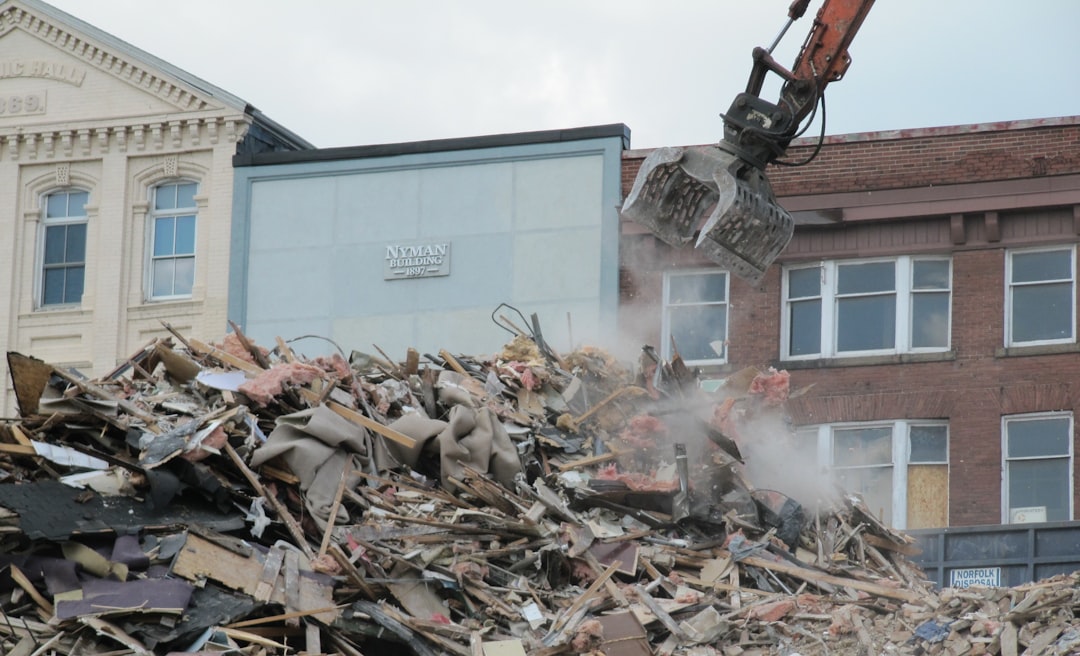
The housing crisis has emerged as one of the most pressing social issues of the 21st century, affecting millions of individuals and families across urban landscapes. This crisis is characterized by a significant imbalance between the supply of affordable housing and the demand for it, leading to skyrocketing rents and home prices that far exceed the financial capabilities of average citizens. As cities continue to grow and attract new residents, the existing housing stock often fails to keep pace, resulting in a scarcity of affordable options.
This situation is exacerbated by various factors, including stagnant wages, rising construction costs, and a lack of comprehensive housing policies that prioritize low-income families. Moreover, the housing crisis is not merely a matter of economics; it has profound social implications. Communities are increasingly fragmented as long-time residents are forced to relocate due to unaffordable rents or the sale of their homes.
This displacement disrupts social networks and erodes the cultural fabric of neighborhoods, leading to a loss of identity and community cohesion. Understanding the complexities of the housing crisis is essential for developing effective solutions that address both the immediate needs of those affected and the systemic issues that contribute to this ongoing challenge.
Key Takeaways
- Gentrification significantly affects housing affordability and often leads to displacement of long-term residents.
- Government policies play a crucial role in managing and mitigating the negative impacts of gentrification.
- Community resistance and cultural preservation efforts are vital in maintaining neighborhood identity amid change.
- Economic inequality is both a cause and consequence of gentrification, deepening social divides.
- Sustainable strategies and inclusive planning are essential for building equitable communities and ensuring future affordable housing.
Gentrification: What It Means for Communities
Gentrification is a multifaceted phenomenon that often arises in urban areas undergoing revitalization. It typically involves an influx of more affluent residents into historically lower-income neighborhoods, leading to increased property values and changes in the local economy. While gentrification can bring about positive developments such as improved infrastructure, new businesses, and enhanced public services, it also poses significant challenges for existing residents.
The term itself has garnered a mixed reputation; for some, it signifies progress and renewal, while for others, it represents a threat to their homes and way of life. The impact of gentrification on communities can be profound. As wealthier individuals move in, they often bring with them different cultural norms and expectations that can clash with those of long-standing residents.
This cultural shift can lead to tensions within the community, as new businesses cater to affluent tastes while displacing local establishments that have served the neighborhood for generations. Furthermore, the transformation of public spaces and amenities can alienate long-time residents who feel that their needs and preferences are being overlooked in favor of newcomers. Thus, gentrification is not merely an economic process; it is also a social one that reshapes the very essence of communities.
The Impact of Gentrification on Housing Affordability
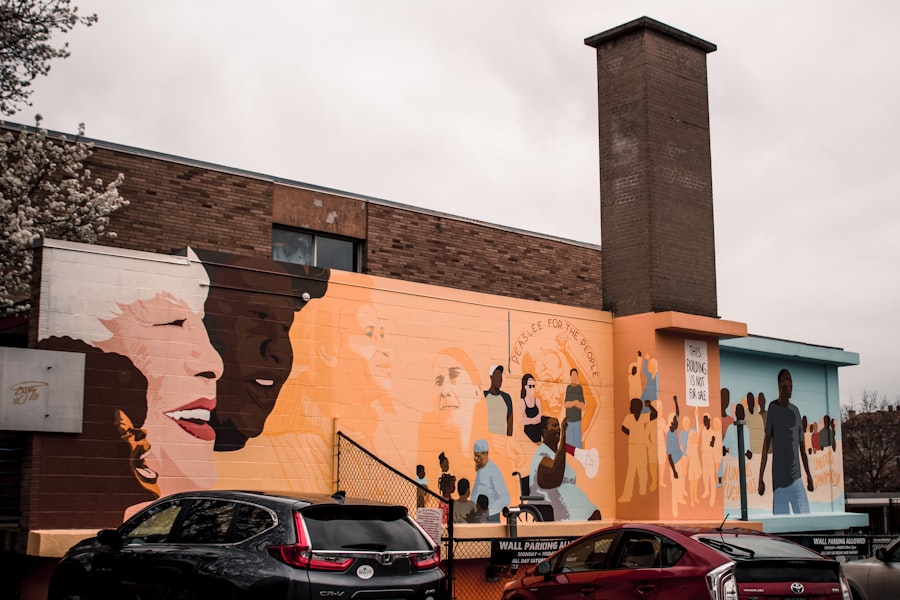
One of the most significant consequences of gentrification is its impact on housing affordability. As neighborhoods become more desirable due to an influx of wealthier residents, property values tend to rise sharply. This increase in demand often leads landlords to raise rents, making it increasingly difficult for low- and moderate-income families to afford housing in their own neighborhoods.
The result is a growing divide between those who can afford to live in gentrifying areas and those who cannot, exacerbating existing inequalities within urban environments. In many cases, the rise in housing costs outpaces wage growth, leaving many families struggling to make ends meet. This situation forces some residents to make difficult choices, such as sacrificing other essential expenses like healthcare or education in order to pay rent.
For others, the only option may be to leave their homes altogether, leading to a cycle of displacement that further erodes community stability. The challenge of maintaining affordable housing in gentrifying neighborhoods is thus a critical issue that requires urgent attention from policymakers and community leaders alike.
Displacement and Gentrification: A Growing Concern
Displacement is one of the most alarming aspects of gentrification, as it directly affects the lives of countless individuals and families. As property values rise and rents increase, long-time residents often find themselves priced out of their own neighborhoods. This phenomenon can lead to a sense of loss and dislocation, as people are forced to leave behind not only their homes but also their social networks and support systems.
The emotional toll of displacement can be profound, contributing to feelings of anxiety, depression, and social isolation. Moreover, displacement does not occur in isolation; it often has ripple effects throughout the broader community. As families are pushed out, local schools may see declining enrollment, businesses may struggle to survive without their traditional customer base, and community organizations may lose their relevance as demographics shift.
The cumulative impact of displacement can lead to a decline in community cohesion and resilience, making it increasingly difficult for remaining residents to advocate for their needs and interests. Addressing displacement is thus a critical component of any strategy aimed at mitigating the negative effects of gentrification.
The Role of Government Policies in Addressing Gentrification
| Metric | Description | Example Data | Source/Year |
|---|---|---|---|
| Median Rent Increase | Percentage increase in median rent prices over a decade | 35% | Urban Housing Report, 2023 |
| Displacement Rate | Percentage of original residents forced to move due to rising costs | 18% | City Housing Survey, 2022 |
| Affordable Housing Units Lost | Number of affordable housing units lost due to redevelopment | 1,200 units | Housing Policy Review, 2023 |
| Homeownership Rate Decline | Decrease in percentage of residents owning homes in gentrified areas | 12% | National Housing Study, 2021 |
| Increase in Property Values | Average percentage increase in property values in gentrified neighborhoods | 45% | Real Estate Market Analysis, 2023 |
| Population Change | Change in low-income population in gentrified areas | -25% | Demographic Report, 2022 |
| New Development Projects | Number of new housing development projects initiated in affected areas | 15 projects | City Planning Department, 2023 |
Government policies play a crucial role in shaping the dynamics of gentrification and its associated challenges. Local governments have the power to implement zoning regulations, tax incentives, and affordable housing initiatives that can either exacerbate or alleviate the pressures faced by vulnerable communities. For instance, policies that promote mixed-income developments can help ensure that low-income families have access to housing in gentrifying neighborhoods while also benefiting from improved infrastructure and services.
However, many cities have struggled to adopt effective policies that balance the interests of developers with those of existing residents. In some cases, policies may inadvertently encourage gentrification by prioritizing market-rate developments over affordable housing options. Additionally, insufficient tenant protections can leave renters vulnerable to eviction and displacement as landlords seek to capitalize on rising property values.
To effectively address gentrification, policymakers must prioritize inclusive strategies that protect existing residents while fostering sustainable growth.
Community Resistance to Gentrification
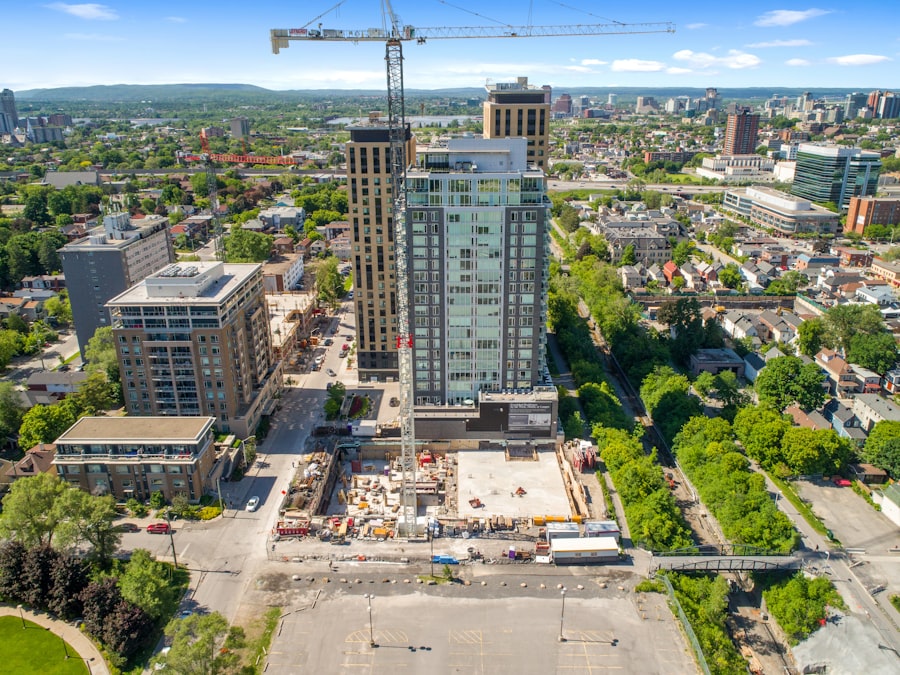
In response to the challenges posed by gentrification, many communities have mobilized to resist displacement and advocate for their rights. Grassroots organizations and neighborhood coalitions have emerged as powerful voices in the fight against gentrification, working to raise awareness about its impacts and push for policy changes that prioritize affordable housing. These groups often engage in direct action, such as organizing protests or community meetings, to amplify their message and build solidarity among residents.
Community resistance takes many forms, from advocating for stronger tenant protections to demanding greater investment in public services that benefit all residents. By fostering a sense of collective identity and purpose, these movements empower individuals to take an active role in shaping their neighborhoods’ futures. Moreover, community resistance can lead to innovative solutions that prioritize equity and inclusivity, demonstrating that residents have valuable insights into what their neighborhoods need most.
The Connection Between Gentrification and Economic Inequality
Gentrification is intricately linked to broader patterns of economic inequality that persist within urban environments. As wealthier individuals move into lower-income neighborhoods, they often bring with them resources and opportunities that were previously unavailable to long-time residents. While this influx can lead to economic development and job creation, it can also exacerbate existing disparities by pushing marginalized communities further out of reach from these benefits.
The relationship between gentrification and economic inequality is complex; while some argue that gentrification can stimulate local economies, others contend that it primarily serves the interests of affluent newcomers at the expense of long-standing residents. This dynamic raises important questions about who benefits from urban development and who is left behind. Addressing these disparities requires a nuanced understanding of how gentrification interacts with systemic issues such as race, class, and access to resources.
Gentrification and Cultural Preservation
Cultural preservation is another critical aspect of the conversation surrounding gentrification. As neighborhoods undergo transformation due to an influx of wealthier residents, there is often a corresponding shift in cultural identity. Long-standing traditions, local businesses, and community events may be overshadowed or replaced by new establishments catering to affluent tastes.
This loss can be deeply felt by residents who have invested their lives in building a vibrant community culture. Efforts to preserve cultural heritage amidst gentrification are essential for maintaining a sense of identity within neighborhoods. Community-led initiatives aimed at celebrating local history and traditions can help foster pride among residents while also educating newcomers about the significance of these cultural elements.
By promoting inclusivity and respect for diverse backgrounds, communities can work towards a future where both new and old residents coexist harmoniously.
Strategies for Mitigating the Effects of Gentrification
To effectively mitigate the negative effects of gentrification, a multifaceted approach is necessary—one that involves collaboration among various stakeholders including government agencies, community organizations, developers, and residents themselves. Strategies may include implementing rent control measures or establishing community land trusts that prioritize affordable housing development over market-driven projects. Additionally, creating policies that incentivize developers to include affordable units in new constructions can help ensure that low-income families are not left behind.
Education plays a vital role in these efforts as well; raising awareness about the impacts of gentrification can empower residents to advocate for their needs more effectively. Workshops on tenant rights or financial literacy can equip individuals with the tools they need to navigate an increasingly complex housing landscape. Ultimately, fostering collaboration among diverse stakeholders will be key in developing sustainable solutions that prioritize equity and inclusivity.
The Future of Affordable Housing in Gentrifying Neighborhoods
The future of affordable housing in gentrifying neighborhoods remains uncertain but holds potential for positive change if approached thoughtfully. As cities grapple with rising housing costs and increasing demand for affordable options, innovative solutions must be prioritized. This may involve rethinking zoning laws to allow for greater density or mixed-use developments that incorporate affordable units alongside market-rate housing.
Furthermore, public-private partnerships can play a crucial role in addressing housing shortages by leveraging resources from both sectors to create sustainable solutions.
Building Equitable and Inclusive Communities: A Call to Action
In conclusion, addressing the challenges posed by gentrification requires a collective commitment to building equitable and inclusive communities. This call to action extends beyond policymakers; it encompasses residents, community organizations, developers, and advocates who share a vision for vibrant neighborhoods where everyone has a place. By prioritizing affordable housing initiatives, fostering cultural preservation efforts, and promoting community engagement, stakeholders can work together towards creating sustainable solutions that benefit all members of society.
As cities continue to evolve amidst changing demographics and economic pressures, it is essential that they do so with an eye towards equity and inclusivity. The fight against gentrification is not merely about preserving homes; it is about safeguarding the very essence of communities—their culture, identity, and resilience in the face of change. Through collaboration and advocacy, there lies hope for a future where all individuals can thrive within their neighborhoods without fear of displacement or loss.
The ongoing housing crisis and the issue of gentrification have become increasingly pressing topics in urban development discussions.