
Urban planning policies constitute the fundamental framework governing the structure, development, and management of cities and towns. These policies include comprehensive regulations, guidelines, and strategic approaches designed to establish functional, sustainable, and well-designed urban environments. With continued urban growth and transformation, effective urban planning has become increasingly critical.
Contemporary challenges including rapid urbanization, climate change, and social inequality require comprehensive urban planning approaches that emphasize sustainability and inclusivity. Urban planning policies significantly impact residents’ quality of life beyond visual considerations. Through addressing transportation systems, housing development, public space allocation, and environmental considerations, these policies can establish thriving communities that serve diverse population needs.
As cities navigate the complexities of contemporary urban life, developing and implementing effective urban planning policies is essential for maintaining livable and resilient urban areas capable of addressing future challenges.
Key Takeaways
- Urban planning is essential for promoting sustainable development by integrating environmental, social, and economic factors.
- Successful sustainable urban planning includes community engagement, technology use, and careful evaluation of environmental impacts.
- Case studies highlight effective policies that balance growth with sustainability and social equity.
- Challenges in implementation often involve addressing social equity and economic constraints.
- The future of urban planning relies on innovative approaches that prioritize sustainability and inclusive development.
The Role of Urban Planning in Sustainable Development
Urban planning is intrinsically linked to sustainable development, as it provides the framework for balancing economic growth, social equity, and environmental protection. Sustainable development in urban contexts involves creating spaces that not only accommodate current populations but also consider the needs of future generations.
The role of urban planning in sustainable development is multifaceted. It involves integrating land use with transportation planning to reduce reliance on automobiles, thereby decreasing greenhouse gas emissions. Additionally, urban planners must consider green spaces and biodiversity within city limits, ensuring that natural ecosystems are preserved and enhanced.
By prioritizing sustainable practices in urban design, planners can create environments that encourage walking, cycling, and the use of public transportation, ultimately leading to healthier lifestyles for residents.
Key Components of Sustainable Urban Planning
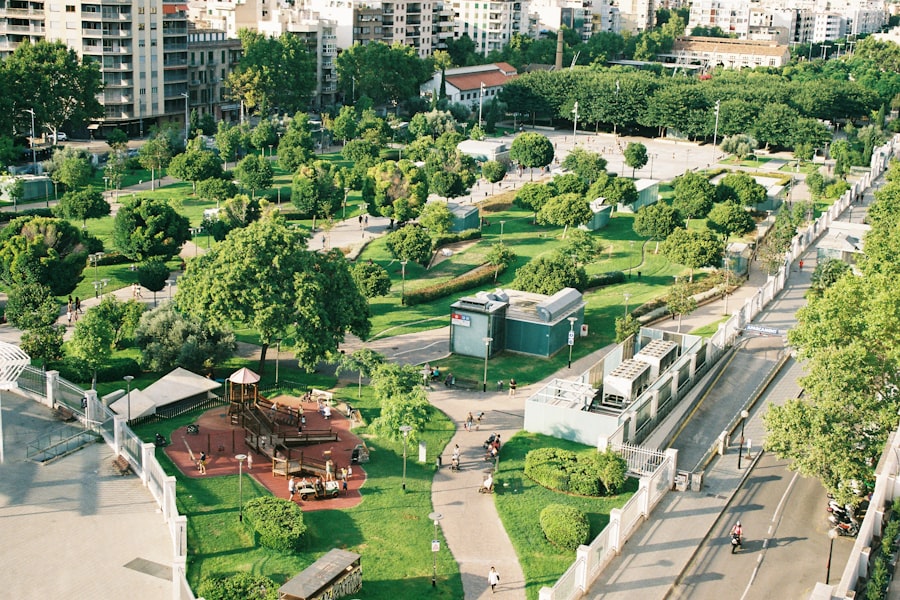
Sustainable urban planning encompasses several key components that work together to create resilient and thriving communities. One of the most critical elements is land use planning, which involves zoning regulations that dictate how land can be utilized. Effective land use planning promotes mixed-use developments that combine residential, commercial, and recreational spaces, reducing the need for long commutes and fostering a sense of community.
Another essential component is infrastructure development. Sustainable urban planning requires investment in public transportation systems, energy-efficient buildings, and waste management solutions.
Furthermore, incorporating green technologies such as renewable energy sources and sustainable drainage systems can significantly contribute to a city’s overall sustainability goals.
Case Studies of Successful Urban Planning Policies
Examining successful case studies can provide valuable insights into effective urban planning policies. One notable example is Copenhagen, Denmark, which has implemented a comprehensive cycling infrastructure that encourages residents to choose biking over driving. The city’s commitment to sustainability is evident in its goal to become carbon neutral by 2025.
Through extensive investment in bike lanes, public transportation, and pedestrian-friendly spaces, Copenhagen has transformed its urban landscape into one that prioritizes environmental health and quality of life. Another exemplary case is Singapore, which has integrated nature into its urban fabric through innovative green building practices and extensive park systems. The city-state has adopted policies that promote vertical gardens and green roofs, enhancing biodiversity while providing residents with access to nature within an urban setting.
Singapore’s approach demonstrates how thoughtful urban planning can lead to a harmonious coexistence between nature and urban development.
Challenges in Implementing Sustainable Urban Planning Policies
| Metric | Description | Typical Data Source | Unit of Measurement | Relevance to Urban Planning Policy |
|---|---|---|---|---|
| Population Density | Number of people living per unit area | Census Data, GIS | People per square kilometer | Helps determine land use and infrastructure needs |
| Land Use Distribution | Proportion of land allocated to residential, commercial, industrial, and green spaces | City Planning Records, Satellite Imagery | Percentage (%) of total land area | Guides zoning and development regulations |
| Public Transit Accessibility | Percentage of population within walking distance to public transit stops | Transit Authority Data, GIS | Percentage (%) of population | Measures effectiveness of transit-oriented development policies |
| Green Space per Capita | Amount of public green space available per resident | Municipal Parks Data, GIS | Square meters per person | Assesses quality of urban environment and livability |
| Housing Affordability Index | Ratio of median housing price to median household income | Real Estate Data, Census | Index value (ratio) | Evaluates effectiveness of affordable housing policies |
| Traffic Congestion Level | Average delay time per vehicle during peak hours | Traffic Sensors, GPS Data | Minutes per kilometer | Informs transportation planning and congestion mitigation |
| Air Quality Index (AQI) | Measurement of air pollution levels | Environmental Monitoring Stations | AQI scale (0-500) | Monitors environmental impact of urban policies |
| Walkability Score | Assessment of how friendly an area is to walking | GIS, Surveys | Score (0-100) | Supports pedestrian-friendly urban design policies |
Despite the clear benefits of sustainable urban planning policies, numerous challenges hinder their implementation. One significant obstacle is the resistance from stakeholders who may prioritize short-term economic gains over long-term sustainability goals. Developers and businesses often seek immediate returns on investment, which can conflict with the broader vision of sustainable development.
This tension can lead to compromises that undermine the effectiveness of urban planning initiatives. Additionally, funding constraints pose a considerable challenge for many municipalities attempting to implement sustainable practices. Limited budgets can restrict the ability to invest in necessary infrastructure improvements or innovative projects that promote sustainability.
Furthermore, political will is essential for driving change; without strong leadership committed to sustainable urban planning, initiatives may falter or fail altogether.
The Importance of Community Engagement in Urban Planning

Community engagement is a vital aspect of successful urban planning policies. Involving residents in the decision-making process fosters a sense of ownership and accountability among community members. When individuals feel their voices are heard and their needs are considered, they are more likely to support and participate in initiatives aimed at improving their neighborhoods.
Effective community engagement also leads to more informed decision-making. Local residents possess unique insights into their communities’ challenges and opportunities, which can inform planners’ strategies. By facilitating open dialogues through workshops, surveys, and public meetings, urban planners can gather valuable feedback that enhances the relevance and effectiveness of their policies.
The Role of Technology in Urban Planning for Sustainable Development
Technology plays an increasingly pivotal role in shaping sustainable urban planning practices. Geographic Information Systems (GIS) allow planners to analyze spatial data effectively, enabling them to make informed decisions about land use and resource allocation. By visualizing data related to demographics, environmental conditions, and infrastructure needs, planners can develop targeted strategies that address specific community challenges.
Moreover, smart city technologies are revolutionizing how urban areas operate. Innovations such as smart traffic management systems can optimize traffic flow and reduce congestion while minimizing emissions. Additionally, data analytics can help cities monitor energy consumption patterns and identify opportunities for efficiency improvements.
By harnessing technology’s potential, urban planners can create more responsive and adaptive environments that align with sustainability goals.
Evaluating the Environmental Impact of Urban Planning Policies
Assessing the environmental impact of urban planning policies is crucial for ensuring that development aligns with sustainability objectives. Environmental impact assessments (EIAs) provide a systematic approach for evaluating potential effects on ecosystems, air quality, water resources, and community health before projects are approved. By identifying potential negative impacts early in the planning process, cities can implement mitigation strategies to minimize harm.
Furthermore, ongoing monitoring is essential for evaluating the effectiveness of implemented policies. Cities must establish metrics to measure progress toward sustainability goals continually. This data-driven approach allows planners to adjust strategies as needed based on real-world outcomes, ensuring that urban development remains aligned with environmental priorities.
Addressing Social Equity in Urban Planning
Social equity is a fundamental consideration in sustainable urban planning policies. Historically marginalized communities often face disproportionate challenges related to access to resources, services, and opportunities. Urban planners must prioritize inclusivity by ensuring that all voices are represented in the planning process and that policies address systemic inequalities.
Strategies for promoting social equity include affordable housing initiatives, equitable transportation access, and the creation of public spaces that serve diverse populations. By actively working to dismantle barriers faced by disadvantaged groups, urban planners can foster more equitable communities where all residents have the opportunity to thrive.
Economic Considerations in Urban Planning for Sustainable Development
Economic considerations are integral to successful urban planning for sustainable development. Planners must balance the need for economic growth with environmental stewardship and social equity. Sustainable economic development involves creating job opportunities while minimizing negative impacts on the environment.
Investing in green infrastructure can yield significant economic benefits over time. For instance, energy-efficient buildings not only reduce operational costs but also attract businesses seeking sustainable practices. Additionally, promoting local businesses through mixed-use developments can stimulate economic activity while fostering community connections.
By aligning economic goals with sustainability objectives, urban planners can create resilient economies that benefit both current residents and future generations.
The Future of Urban Planning for Sustainable Development
The future of urban planning lies in its ability to adapt to emerging challenges while prioritizing sustainability at its core. As cities continue to grow and evolve in response to global trends such as climate change and population shifts, innovative approaches will be necessary to address these complexities effectively. Collaboration among stakeholders will be essential for shaping resilient urban environments.
Public-private partnerships can facilitate investment in sustainable infrastructure while engaging communities in the decision-making process ensures that diverse perspectives are considered. Furthermore, integrating technology into urban planning will enable cities to become more responsive to changing needs while enhancing overall quality of life. In conclusion, sustainable urban planning policies are vital for creating livable cities that meet the needs of current and future generations.
By addressing environmental impacts, promoting social equity, engaging communities, leveraging technology, and considering economic factors, urban planners can pave the way for a more sustainable future. As cities navigate the challenges ahead, a commitment to innovative and inclusive planning will be essential for fostering resilient communities worldwide.
In the realm of urban planning policy analysis, understanding the implications of zoning laws is crucial for sustainable development. A related article that delves into this topic can be found at