
Small Business Closure Trends: A Comprehensive Analysis
In recent years, small businesses have experienced significant transformations, resulting in higher closure rates across various sectors. These enterprises, which form a critical component of economic infrastructure, now face multiple challenges that increase their vulnerability. The patterns of small business closures represent more than statistical data—they reflect broader economic conditions, shifting consumer preferences, and industry evolution.
A thorough understanding of these trends is essential for entrepreneurs, policymakers, and economic analysts as they address the complexities of contemporary markets. The increasing rate of small business closures has initiated important discussions regarding entrepreneurial sustainability and resilience. While some closures represent normal business cycle progression, others indicate fundamental economic and societal challenges.
As small enterprises continue to navigate various pressures, analyzing the driving factors behind these trends and identifying viable survival strategies becomes increasingly important. This examination explores the multidimensional nature of small business closures, including contributing factors, economic influences, sector-specific patterns, and the impact of government regulatory frameworks.
Key Takeaways
- Small business closures are influenced by a mix of economic conditions, industry specifics, and government policies.
- Technological advancements and changing consumer behavior significantly impact small business survival rates.
- Urban and rural areas experience different closure trends due to varying market dynamics and resources.
- Strategic adaptation and innovation are key for small businesses to thrive despite closure challenges.
- Case studies highlight successful approaches that small businesses use to navigate competitive and changing markets.
Factors Contributing to Small Business Closures
Several factors contribute to the increasing rate of small business closures, each interwoven with the complexities of operating in a competitive environment. One primary factor is financial instability. Many small businesses operate on thin margins and lack access to sufficient capital.
When unexpected expenses arise or sales decline, these businesses often struggle to stay afloat. The inability to secure loans or attract investors can lead to a downward spiral, ultimately resulting in closure. Another significant factor is the changing consumer landscape.
As consumer preferences evolve, small businesses must adapt quickly to remain relevant. The rise of e-commerce and digital platforms has shifted shopping habits, leaving traditional brick-and-mortar stores at a disadvantage. Small businesses that fail to embrace technology or innovate their offerings may find themselves unable to compete with larger retailers that can leverage economies of scale and advanced marketing strategies.
This disconnect between consumer expectations and business capabilities can lead to a decline in customer loyalty and, ultimately, closure.
Impact of Economic Conditions on Small Business Closure Trends
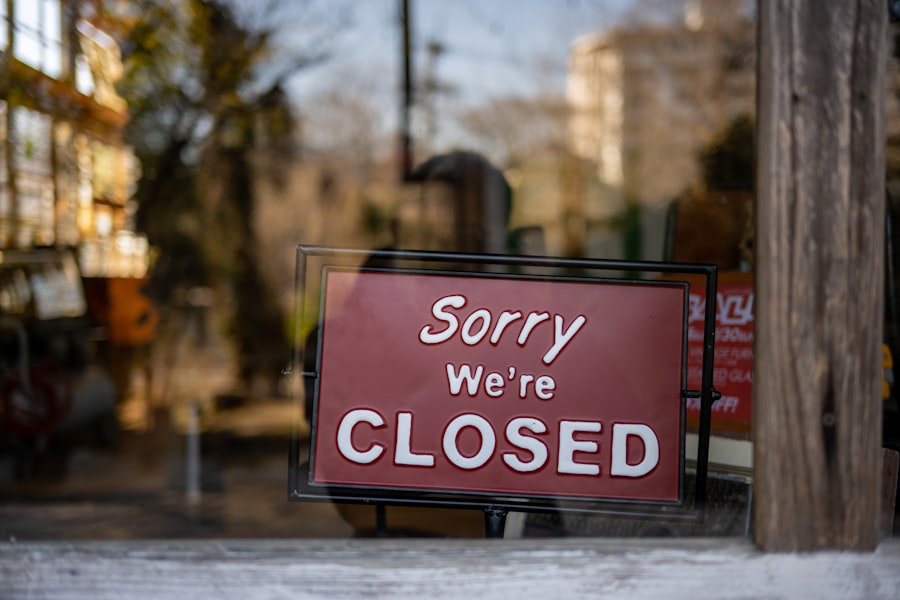
Economic conditions play a pivotal role in shaping small business closure trends. During periods of economic downturn, such as recessions or financial crises, small businesses often bear the brunt of reduced consumer spending. As disposable incomes shrink, consumers prioritize essential purchases over discretionary spending, leading to decreased sales for many small enterprises.
This decline can create a ripple effect, where reduced revenue leads to layoffs, further diminishing consumer spending power and creating a cycle of economic contraction. Conversely, during times of economic growth, small businesses may experience increased opportunities for expansion and innovation. However, even in favorable conditions, external factors such as inflation or supply chain disruptions can pose significant challenges.
For instance, rising costs for raw materials or labor can erode profit margins, forcing some businesses to make difficult decisions regarding staffing or pricing strategies. Understanding how these economic fluctuations impact small business viability is essential for developing effective support systems and policies.
Understanding Industry-specific Small Business Closure Trends
The trends surrounding small business closures can vary significantly across different industries. For example, the retail sector has faced unprecedented challenges due to the rise of e-commerce giants and changing consumer preferences. Many small retailers have struggled to compete with online platforms that offer convenience and often lower prices.
As a result, numerous local shops have closed their doors, unable to adapt to the rapidly changing retail landscape. In contrast, certain industries have shown resilience amid closure trends. For instance, health and wellness businesses have seen growth as consumers increasingly prioritize their well-being.
Gyms, health food stores, and wellness services have thrived in recent years, demonstrating that industry-specific dynamics can influence closure rates. By analyzing these trends within specific sectors, stakeholders can better understand the unique challenges and opportunities that small businesses face.
The Role of Government Policies in Small Business Closures
| Year | Number of Small Businesses Closed | Closure Rate (%) | Primary Reasons for Closure | Average Business Age at Closure (Years) |
|---|---|---|---|---|
| 2020 | 120,000 | 12.5 | Economic downturn, COVID-19 impact | 5.2 |
| 2021 | 95,000 | 9.8 | Supply chain issues, reduced demand | 5.5 |
| 2022 | 80,000 | 8.3 | Labor shortages, rising costs | 6.0 |
| 2023 | 85,000 | 8.7 | Market competition, inflation | 6.3 |
Government policies play a crucial role in shaping the environment in which small businesses operate. Supportive policies can foster growth and sustainability, while restrictive regulations may hinder entrepreneurial efforts. For instance, access to funding through grants or low-interest loans can provide small businesses with the necessary capital to weather economic storms.
Conversely, excessive regulations or high taxation can create barriers that disproportionately affect smaller enterprises. During crises such as the COVID-19 pandemic, government intervention became vital for many small businesses struggling to survive. Programs aimed at providing financial assistance or temporary relief helped mitigate some of the adverse effects of lockdowns and reduced consumer activity.
However, the effectiveness of these policies often depends on timely implementation and accessibility for those in need. Understanding how government actions influence small business closures is essential for creating a supportive ecosystem that encourages entrepreneurship.
Effects of Technological Advancements on Small Business Closure Trends

Technological advancements have transformed the way businesses operate and interact with consumers. While technology offers numerous opportunities for growth and efficiency, it also presents challenges that can contribute to small business closures. For instance, businesses that fail to adopt digital tools may find themselves at a competitive disadvantage against tech-savvy competitors who leverage online marketing and e-commerce platforms.
Moreover, automation and artificial intelligence are reshaping industries by streamlining operations and reducing labor costs. While these advancements can enhance productivity for some businesses, they may also lead to job losses and increased pressure on smaller enterprises that cannot afford such technologies. The ability to adapt to technological changes is crucial for small businesses seeking to thrive in an increasingly digital world.
The dynamics of small business closures differ significantly between urban and rural areas. Urban centers often provide a larger customer base and greater access to resources; however, they also come with heightened competition and higher operational costs. In densely populated areas, small businesses may struggle to differentiate themselves amidst a sea of options available to consumers.
This intense competition can lead to higher closure rates as businesses fight for market share. Conversely, rural areas face unique challenges that can contribute to small business closures as well. Limited access to capital, fewer customers, and a lack of infrastructure can hinder growth opportunities for rural entrepreneurs.
Additionally, rural businesses may struggle with attracting talent due to limited job prospects in their communities. Understanding these regional differences is essential for developing targeted support strategies that address the specific needs of small businesses in various locales.
The Importance of Consumer Behavior in Small Business Closure Trends
Consumer behavior plays a pivotal role in determining the success or failure of small businesses. Shifts in consumer preferences can significantly impact sales and profitability. For instance, an increasing emphasis on sustainability has led many consumers to seek out eco-friendly products and services.
Small businesses that align their offerings with these values may find new opportunities for growth; however, those that fail to adapt may face declining sales. Moreover, consumer loyalty is crucial for small businesses striving to maintain a steady revenue stream. Building strong relationships with customers through personalized service and community engagement can foster loyalty that helps sustain a business during challenging times.
Conversely, negative experiences or a lack of engagement can lead consumers to seek alternatives elsewhere, contributing to closure rates among struggling enterprises.
Strategies for Small Businesses to Survive in a Competitive Market
To navigate the challenges posed by closure trends, small businesses must adopt proactive strategies aimed at enhancing resilience and competitiveness.
By identifying emerging trends or unmet needs within their communities, small businesses can position themselves as valuable resources rather than mere competitors.
Additionally, investing in digital marketing and e-commerce capabilities is essential for reaching modern consumers effectively. Establishing an online presence allows small businesses to tap into new markets and engage with customers beyond their immediate geographic area. Furthermore, leveraging social media platforms can enhance brand visibility and foster community connections that drive customer loyalty.
Case Studies of Successful Small Businesses Amid Closure Trends
Examining case studies of successful small businesses provides valuable insights into effective strategies for overcoming closure trends. For instance, a local bakery that embraced online ordering during the pandemic not only survived but thrived by expanding its customer base beyond walk-in traffic. By leveraging social media marketing and engaging with customers through virtual events, this bakery created a loyal following that supported its growth.
Another example is a boutique clothing store that pivoted its business model by offering personalized styling services through virtual consultations. By adapting to changing consumer preferences and utilizing technology creatively, this boutique not only retained its existing clientele but also attracted new customers seeking unique shopping experiences.
Navigating the Future of Small Business Closure Trends
As small business closure trends continue to evolve in response to various economic, technological, and societal factors, it becomes increasingly important for entrepreneurs and policymakers alike to remain vigilant and adaptable. Understanding the complexities surrounding these closures is essential for fostering an environment where small businesses can thrive rather than merely survive. By addressing the unique challenges faced by different industries and regions while promoting supportive government policies and encouraging innovation, stakeholders can work together to create a more resilient ecosystem for small businesses.
Ultimately, navigating the future of small business closure trends requires collaboration, creativity, and a commitment to fostering entrepreneurship as a vital component of economic growth and community development.
Recent studies have highlighted the concerning trends in small business closure patterns, particularly in the wake of economic fluctuations. For a deeper understanding of these dynamics, you can explore the article on small business challenges and resilience strategies at realloreandorder.
com/’>Real Lore and Order. This resource provides valuable insights into the factors influencing business sustainability and the common hurdles faced by entrepreneurs today.
FAQs
What are common reasons for small business closures?
Common reasons for small business closures include insufficient capital, poor cash flow management, lack of market demand, increased competition, and operational challenges. External factors such as economic downturns, changes in regulations, and unexpected events like pandemics can also contribute.
How long do most small businesses typically operate before closing?
Many small businesses close within the first five years of operation. Studies show that approximately 20% fail within the first year, and about 50% close by the fifth year. Longevity varies widely depending on industry, management, and market conditions.
Are there specific industries where small businesses are more likely to close?
Yes, certain industries experience higher closure rates. For example, small businesses in retail, hospitality, and food services often face higher risks due to intense competition and changing consumer preferences. Conversely, sectors like healthcare and professional services tend to have lower closure rates.
What patterns are observed in small business closures during economic recessions?
During economic recessions, small business closures typically increase due to reduced consumer spending, tighter credit conditions, and supply chain disruptions. Businesses with limited financial reserves or those heavily reliant on discretionary spending are particularly vulnerable.
How do small business closure patterns vary by geographic location?
Closure patterns can vary significantly by region due to differences in economic conditions, local regulations, market size, and access to resources. Urban areas may have higher competition but also more opportunities, while rural areas might face challenges related to market access and workforce availability.
What role does business planning play in preventing small business closures?
Effective business planning is crucial in reducing the risk of closure. It helps entrepreneurs anticipate challenges, manage finances, understand market demand, and develop strategies for growth and sustainability. Lack of planning is a common factor in many small business failures.
Can small business closures be reversed or avoided?
In some cases, closures can be avoided or reversed through restructuring, securing additional funding, pivoting business models, or improving management practices. Early identification of problems and seeking professional advice can increase the chances of survival.
How do small business closure patterns impact the economy?
Small business closures can lead to job losses, reduced economic activity, and decreased innovation. However, closures also allow for market adjustments, freeing resources for new ventures and potentially leading to stronger businesses in the long term.