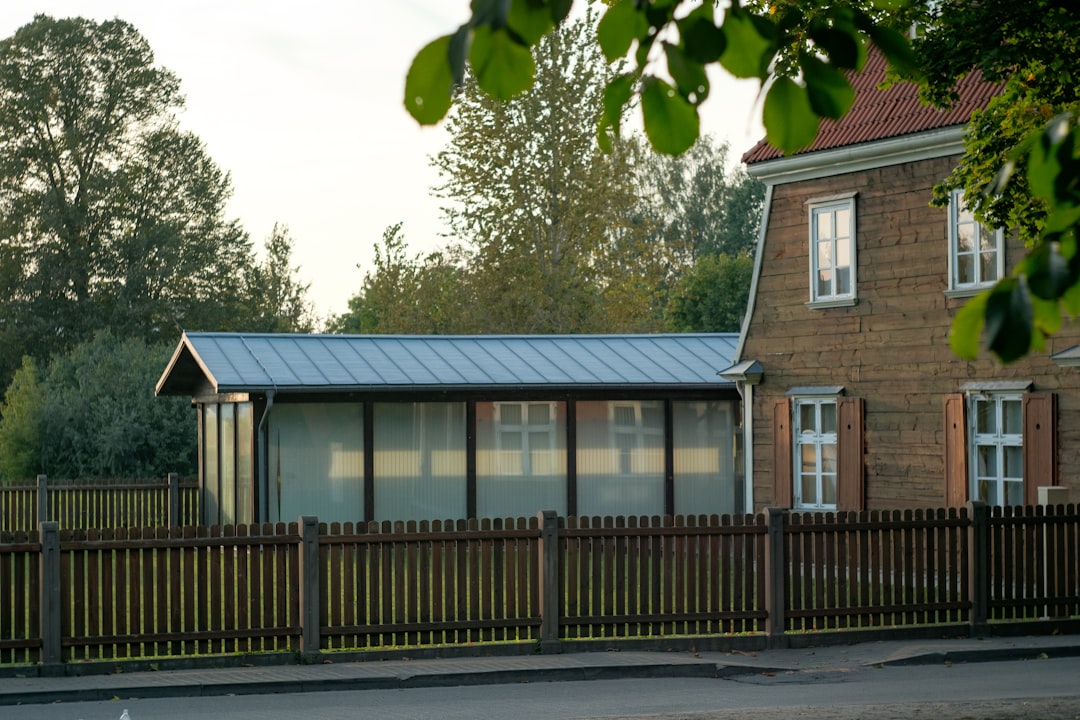
Urban property prices have increased substantially in recent years, transforming neighborhoods nationwide. This price growth stems from multiple factors: rising housing demand, constrained supply, and population migration to cities. As people relocate to urban areas for employment and lifestyle opportunities, competition for available properties has intensified, driving prices higher and reducing homeownership accessibility for existing residents.
Rising property values reflect broader economic patterns and attract real estate investors and developers seeking profit opportunities. This investment activity frequently triggers gentrification, fundamentally altering community demographics as higher-income residents replace long-term inhabitants. The resulting price increases reshape both the economic structure and social composition of neighborhoods, creating tension between urban development and residential displacement.
Key Takeaways
- Property prices and taxes are rising, impacting affordability for long-time residents.
- New businesses, amenities, and retail options are transforming the neighborhood’s commercial landscape.
- Renovations and development projects are increasing, leading to demographic and cultural shifts.
- Public infrastructure investments and heightened police presence are reshaping community dynamics.
- Changes in local art, entertainment, and cultural scenes reflect evolving neighborhood identities.
New Businesses and Amenities
As property prices rise and neighborhoods undergo transformation, new businesses and amenities often emerge to cater to the evolving demographic landscape. Entrepreneurs are drawn to these areas, recognizing the potential for profit in a burgeoning market. Cafés, boutiques, and fitness studios begin to populate once-quiet streets, offering residents a variety of options that enhance their quality of life.
This influx of new establishments not only provides convenience but also fosters a sense of community as residents gather in shared spaces. Moreover, the introduction of modern amenities can significantly elevate the appeal of a neighborhood. Parks, recreational facilities, and cultural venues often accompany new developments, creating vibrant environments that attract both new residents and visitors.
These enhancements contribute to a neighborhood’s identity, making it a desirable place to live and work. However, while these changes can invigorate an area, they may also alienate long-time residents who feel disconnected from the evolving landscape.
Displacement of Long-time Residents
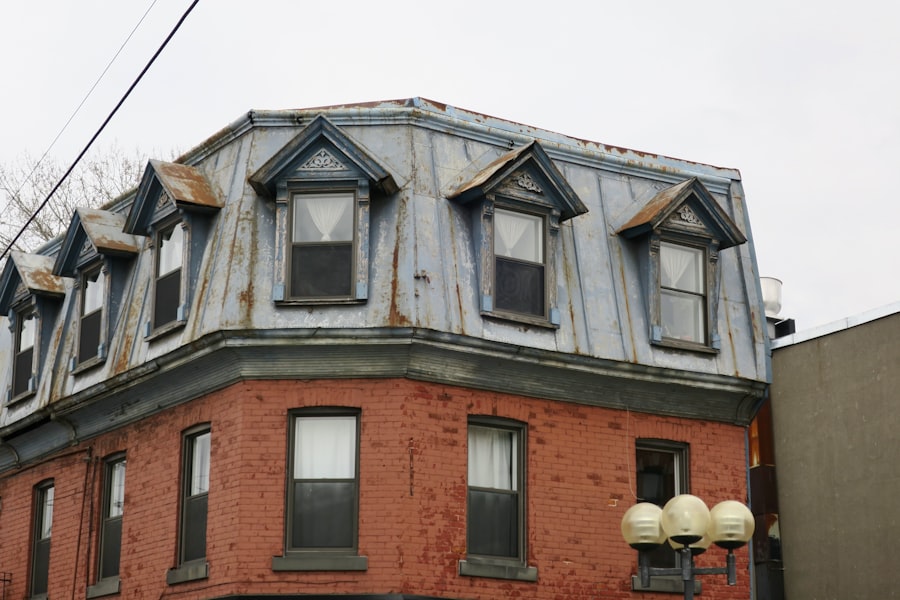
The rapid transformation of neighborhoods often leads to the displacement of long-time residents who can no longer afford to live in their homes. As property values soar and rents increase, many individuals find themselves priced out of their own communities. This phenomenon raises critical questions about equity and access in urban environments.
Long-standing residents who have contributed to the cultural fabric of a neighborhood may be forced to relocate, disrupting established social networks and community ties. Displacement is not merely a financial issue; it carries profound emotional and psychological consequences as well. For many individuals, their homes represent stability and belonging.
When they are uprooted from familiar surroundings, it can lead to feelings of loss and disconnection. The challenge lies in balancing the benefits of urban development with the need to preserve the history and identity of communities. Policymakers and community leaders must grapple with finding solutions that protect vulnerable populations while still fostering growth and innovation.
Increase in Renovations and Development
The rise in property prices often triggers a wave of renovations and new developments as homeowners and investors seek to capitalize on the increased value of real estate. Older homes are frequently remodeled or rebuilt entirely, reflecting contemporary design trends and modern amenities. This trend not only enhances the aesthetic appeal of neighborhoods but also contributes to the overall economic vitality of an area.
As properties are upgraded, they attract higher-income residents who are willing to pay a premium for modern living spaces. However, this surge in renovations can also lead to tensions within communities. Long-time residents may feel that their homes are being overshadowed by new constructions that do not align with the historical character of the neighborhood.
The clash between preservation and modernization becomes a focal point for community discussions, as stakeholders navigate the complexities of maintaining a sense of place while accommodating growth. Ultimately, finding a balance between development and preservation is essential for fostering inclusive communities that honor their past while embracing the future.
Changes in Demographics
| Indicator | Description | Typical Metric | Data Source |
|---|---|---|---|
| Median Household Income | Average income level of households in the neighborhood | Increase over time (e.g., % change in 5 years) | Census Data, IRS Tax Records |
| Property Values | Market value of residential properties | Median home price or % increase in property values | Real Estate Listings, County Assessor |
| Rent Prices | Average monthly rent for residential units | Median rent or % rent increase | Rental Market Surveys, Housing Authorities |
| Educational Attainment | Percentage of residents with college degrees or higher | % of population with bachelor’s degree or above | Census Data, Educational Surveys |
| Demographic Shifts | Changes in racial/ethnic composition of residents | % change in population groups over time | Census Data |
| New Business Openings | Number of new businesses established in the area | Count of new business licenses issued annually | Local Business Registries |
| Displacement Rates | Number of residents moving out due to rising costs | Eviction rates or % population turnover | Housing Authorities, Tenant Surveys |
| Crime Rates | Incidence of reported crimes in the neighborhood | Number of crimes per 1,000 residents | Police Reports, Public Safety Data |
The demographic shifts accompanying rising property prices are profound and multifaceted. As neighborhoods become more desirable due to new businesses and amenities, they attract a diverse array of residents, including young professionals, families, and retirees seeking urban lifestyles. This influx often leads to a more heterogeneous population, with varying cultural backgrounds and socioeconomic statuses coexisting within the same community.
These demographic changes can enrich neighborhoods by introducing new perspectives and ideas. However, they can also create challenges related to social cohesion and integration. Long-time residents may feel a sense of loss as their communities evolve, leading to potential tensions between newcomers and established residents.
Addressing these dynamics requires intentional efforts to foster inclusivity and understanding among diverse groups, ensuring that all voices are heard in shaping the future of the neighborhood.
Cultural Shifts
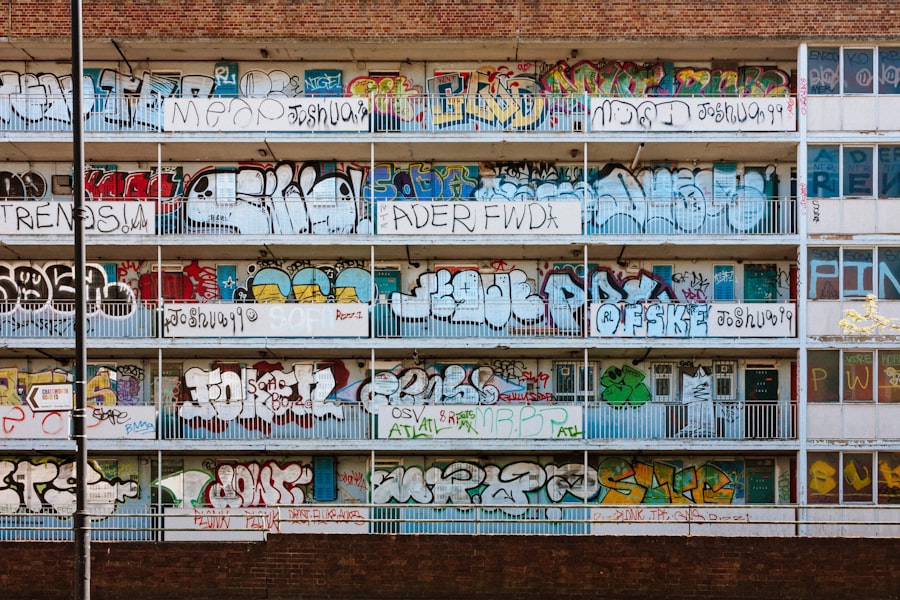
As neighborhoods undergo demographic changes driven by rising property prices, cultural shifts inevitably follow. New residents bring with them different values, lifestyles, and preferences that can alter the cultural landscape of an area. This transformation may manifest in various ways, from changes in local traditions to shifts in artistic expression.
For instance, as younger populations move in, there may be an increased demand for contemporary art galleries, music venues, and cultural events that reflect their interests. While these cultural shifts can invigorate a neighborhood’s identity, they may also lead to tensions with long-time residents who feel that their traditions are being overshadowed or marginalized. The challenge lies in finding ways to celebrate diversity while honoring the history and heritage of established communities.
Collaborative efforts between newcomers and long-time residents can help bridge cultural divides, fostering an environment where different perspectives coexist harmoniously.
Investment in Public Infrastructure
The rise in property prices often prompts increased investment in public infrastructure as local governments seek to accommodate growing populations and enhance quality of life. Upgrades to transportation systems, parks, and public spaces become essential components of urban planning efforts aimed at supporting sustainable growth. Improved infrastructure not only benefits residents but also attracts further investment from businesses looking to capitalize on enhanced accessibility.
However, this investment must be carefully managed to ensure that it serves all members of the community equitably. Long-time residents may feel overlooked if infrastructure improvements primarily cater to newer populations or if they lead to increased property taxes without corresponding benefits. Engaging community members in the planning process is crucial for creating infrastructure that meets diverse needs while fostering a sense of ownership among all residents.
Shift in Retail and Dining Options
As neighborhoods evolve due to rising property prices and demographic changes, retail and dining options often shift dramatically. New businesses catering to affluent consumers may replace long-standing establishments that once served the local community. This transformation can lead to a loss of beloved local shops and restaurants that have been integral to the neighborhood’s identity.
The challenge lies in striking a balance between attracting new businesses while preserving the unique character of local establishments that have stood the test of time. Community engagement is essential in this process; by supporting local entrepreneurs alongside new ventures, neighborhoods can cultivate a diverse retail landscape that reflects both tradition and innovation.
Increase in Property Taxes
The rise in property prices often leads to an increase in property taxes, which can place additional financial burdens on homeowners and renters alike. As municipalities adjust tax rates based on escalating property values, long-time residents may find themselves struggling to keep up with rising costs. This situation can exacerbate feelings of displacement as individuals are forced to make difficult decisions about their housing situations.
Moreover, increased property taxes can create disparities within communities as wealthier residents may be better equipped to absorb these costs compared to lower-income households. Policymakers must consider equitable solutions that address the needs of all residents while ensuring that essential services remain funded. Implementing measures such as tax relief programs or community land trusts can help mitigate the impact of rising taxes on vulnerable populations.
Changes in Local Art and Entertainment Scene
The transformation of neighborhoods due to rising property prices often brings about significant changes in the local art and entertainment scene. As new residents with different tastes move in, there is typically an increased demand for contemporary art galleries, performance spaces, and cultural events that reflect their interests. This shift can lead to a flourishing creative environment that attracts artists and performers seeking inspiration from diverse communities.
However, these changes can also result in tensions with long-time residents who may feel that their cultural expressions are being overshadowed or commodified by newer trends. The challenge lies in fostering an inclusive arts scene that honors both established traditions and emerging voices. Collaborative initiatives between artists from different backgrounds can help bridge generational divides while creating opportunities for dialogue and understanding within the community.
Increase in Police Presence
As neighborhoods experience rapid change due to rising property prices and demographic shifts, there is often an increase in police presence aimed at maintaining order and addressing concerns related to crime or safety. While some residents may welcome this heightened security as a means of protecting their investments and ensuring community safety, others may view it as an unwelcome intrusion into their daily lives. The challenge lies in balancing safety concerns with community trust-building efforts.
Increased police presence can sometimes lead to tensions between law enforcement and marginalized communities who may feel targeted or over-policed. Engaging residents in discussions about public safety strategies is essential for fostering positive relationships between law enforcement agencies and community members. By prioritizing transparency and accountability, neighborhoods can work towards creating safe environments that respect the rights and dignity of all residents.
In conclusion, rising property prices have far-reaching implications for urban neighborhoods, influencing everything from demographics to cultural dynamics.
Navigating these complexities requires thoughtful engagement from all stakeholders—residents, policymakers, developers—to ensure that communities evolve in ways that honor their histories while embracing future possibilities.
Neighborhood gentrification is a complex issue that can be assessed through various indicators, such as changes in property values, demographic shifts, and local business transformations. For a deeper understanding of these indicators and their implications, you can refer to the article on this topic at this link. This resource provides valuable insights into the dynamics of gentrification and its impact on communities.
FAQs
What is neighborhood gentrification?
Neighborhood gentrification is the process by which a previously lower-income urban area experiences an influx of more affluent residents, leading to increased property values, changes in the local culture, and often the displacement of long-term, lower-income residents.
What are common indicators of neighborhood gentrification?
Common indicators include rising property values and rents, increased investment in local infrastructure, changes in the types of businesses (such as more cafes and boutiques), demographic shifts toward higher-income or younger residents, and improvements in public services and amenities.
How can changes in housing prices signal gentrification?
A significant and sustained increase in housing prices and rental rates often signals gentrification, as wealthier individuals move into the area, driving up demand and costs for housing.
Why are demographic changes important indicators of gentrification?
Demographic changes, such as an increase in residents with higher education levels, higher incomes, or different racial or ethnic compositions, can indicate gentrification as new populations replace or displace existing residents.
Can changes in local businesses indicate gentrification?
Yes, the arrival of new businesses like upscale restaurants, coffee shops, art galleries, and boutique stores often reflects gentrification, as these businesses cater to the tastes and spending power of newer, more affluent residents.
Is displacement a direct indicator of gentrification?
Displacement of long-term, lower-income residents is a common consequence of gentrification, though it may not always be immediately visible. Tracking eviction rates and changes in rental affordability can help identify displacement trends.
How do public investment and infrastructure improvements relate to gentrification?
Increased public investment in infrastructure, parks, schools, and transportation can both signal and accelerate gentrification by making neighborhoods more attractive to higher-income residents.
Are there quantitative measures used to identify gentrification?
Yes, researchers often use quantitative measures such as changes in median income, educational attainment, housing costs, property values, and demographic data over time to identify and analyze gentrification trends.
Can gentrification have positive effects on neighborhoods?
Gentrification can lead to improved public services, reduced crime rates, and economic development. However, these benefits often come with challenges such as displacement and loss of cultural identity.
How can communities monitor gentrification indicators?
Communities can monitor gentrification by tracking local housing market data, demographic changes from census reports, business turnover, and public investment projects to understand how their neighborhood is evolving.