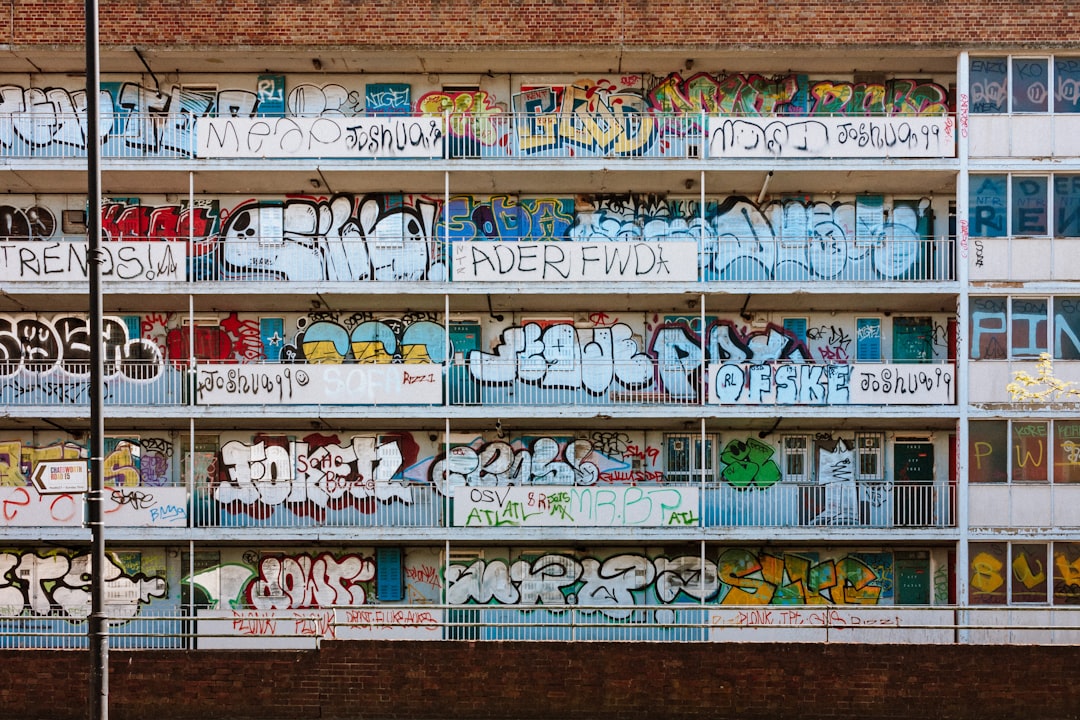
Gentrification is an urban development process in which higher-income residents move into previously lower-income neighborhoods, resulting in increased property values and often the displacement of existing residents. This demographic and economic transformation has become a significant concern for urban planners and policymakers worldwide as cities experience rapid growth and development. The gentrification process typically involves several measurable changes within a neighborhood.
Property values and rental costs increase as demand from higher-income residents grows. New businesses, restaurants, and services often emerge to serve the changing demographic, while existing establishments may close due to rising commercial rents or shifting customer bases. Infrastructure improvements and increased investment in public amenities frequently accompany these changes.
The effects of gentrification vary significantly among different community members. Long-term residents may benefit from improved services, reduced crime rates, and better-maintained public spaces. However, many face challenges including increased housing costs that may force relocation, loss of culturally significant businesses and gathering places, and changes to the neighborhood’s social character.
Research indicates that gentrification disproportionately affects low-income communities and communities of color, raising concerns about housing affordability and community displacement. These impacts have prompted discussions about inclusive development strategies, affordable housing preservation, and community-centered planning approaches that balance neighborhood improvement with resident retention.
Key Takeaways
- Gentrification leads to significant demographic shifts and rising property values in neighborhoods.
- Long-time residents often face displacement due to increased living costs.
- New developments and investments bring infrastructure improvements and changes in local businesses.
- Cultural shifts alter the neighborhood’s identity and perception among residents and outsiders.
- Community engagement and activism play crucial roles in addressing gentrification’s impacts.
Changes in Demographics
One of the most significant aspects of gentrification is the shift in demographics that often accompanies it. As higher-income individuals relocate to previously underinvested neighborhoods, the population composition begins to change dramatically. This influx can lead to a more diverse mix of residents in terms of age, race, and socioeconomic status.
However, it can also result in tensions as long-time residents feel their community identity is being threatened by newcomers who may not share their cultural background or values. The demographic changes brought about by gentrification can have profound implications for local schools, social services, and community organizations. For instance, as families with higher incomes move into an area, they may demand different educational resources or recreational facilities that cater to their needs.
This shift can strain existing services that were designed for a different population, leading to potential conflicts over resource allocation and priorities. Moreover, the changing demographics can alter the political landscape of a neighborhood, as new residents may have different voting patterns and civic engagement levels compared to those who have lived there for generations.
Increase in Property Values
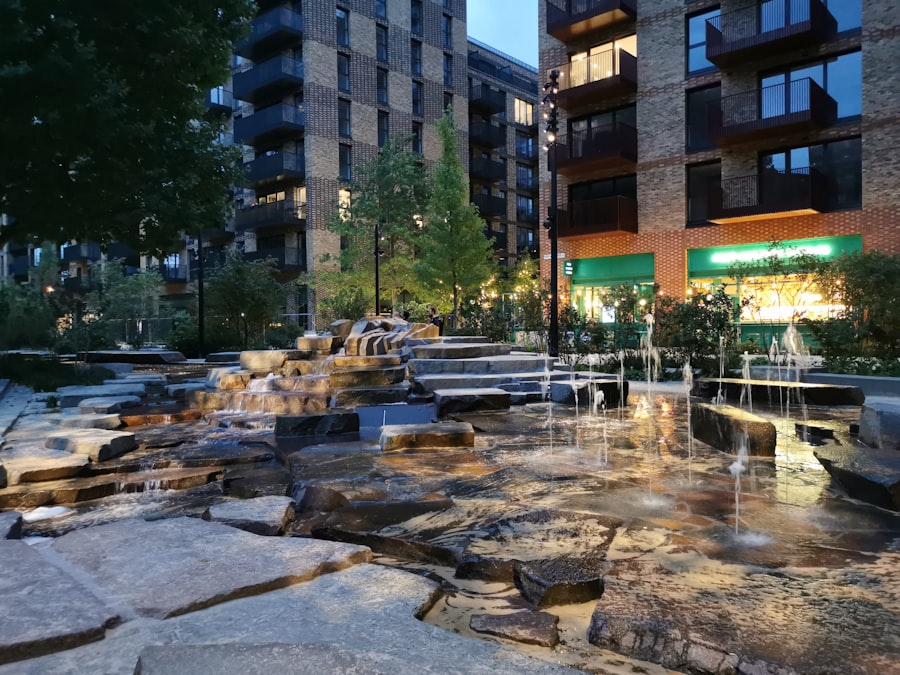
A hallmark of gentrification is the significant increase in property values that often follows the arrival of wealthier residents. As demand for housing rises in a neighborhood, property prices tend to soar, making it increasingly difficult for long-time residents to afford their homes. This escalation in property values can be attributed to various factors, including improved infrastructure, enhanced amenities, and a growing perception of the area as desirable.
The rise in property values can create a paradoxical situation where a neighborhood becomes more attractive to potential buyers while simultaneously pushing out those who have lived there for years. Long-time homeowners may find themselves in a precarious position; while their property value increases may seem beneficial on the surface, they may also face rising property taxes that threaten their financial stability. For renters, the situation is even more dire, as landlords may seize the opportunity to raise rents significantly or convert rental units into more profitable condominiums or single-family homes.
Displacement of Long-time Residents
Displacement is one of the most troubling consequences of gentrification. As neighborhoods undergo transformation and property values rise, long-time residents often find themselves unable to keep pace with the increasing costs associated with living in their own communities. This displacement can take many forms, from direct eviction due to rent increases to more subtle pressures that make it difficult for families to remain in their homes.
The emotional toll of displacement can be profound. Long-time residents often have deep-rooted connections to their neighborhoods, having built relationships with neighbors and established a sense of belonging over many years. When they are forced to leave, they not only lose their homes but also their community ties and support networks.
This loss can lead to feelings of isolation and dislocation, as individuals and families are uprooted from familiar environments and forced into unfamiliar territories.
New Development and Investment
| Indicator | Description | Typical Metric | Data Source |
|---|---|---|---|
| Median Household Income | Average income level of residents in the neighborhood | Increase in median income over time | Census Data, Local Surveys |
| Property Values | Market value of residential properties | Percentage increase in property prices | Real Estate Listings, Tax Assessments |
| Rent Prices | Average monthly rent for housing units | Rent increase rate (%) | Rental Market Reports, Housing Authorities |
| Educational Attainment | Percentage of residents with college degrees or higher | Change in % of college-educated residents | Census Data, Educational Institutions |
| Demographic Shifts | Changes in racial and ethnic composition | Percentage change in population groups | Census Data |
| Business Turnover | Rate of new businesses opening and old businesses closing | Number of new businesses per year | Local Business Registries |
| Crime Rates | Incidence of reported crimes in the neighborhood | Change in crime rate per 1,000 residents | Police Reports, Public Safety Data |
| Housing Stock Changes | Number of renovated or newly constructed housing units | Percentage increase in housing units | Building Permits, Housing Authorities |
| Public Investment | Government spending on infrastructure and amenities | Amount of investment per capita | Municipal Budgets, Public Records |
Gentrification frequently brings about new development and investment in previously neglected areas. As property values rise and demand for housing increases, developers are often drawn to these neighborhoods with plans for new construction projects that promise modern amenities and improved infrastructure. This influx of investment can lead to the revitalization of public spaces, parks, and commercial areas that had fallen into disrepair.
While new development can enhance the overall quality of life in a neighborhood by providing better housing options and improved services, it can also exacerbate existing tensions between newcomers and long-time residents. The types of developments that are prioritized often cater to the tastes and preferences of wealthier individuals rather than addressing the needs of those who have lived in the area for generations. As a result, long-time residents may feel marginalized or overlooked in the planning process, leading to calls for more inclusive development practices that consider the voices and needs of all community members.
Changes in Local Businesses
The arrival of new residents often leads to significant changes in local businesses as well. Gentrification can bring an influx of trendy cafes, boutique shops, and upscale restaurants that cater to the tastes of wealthier newcomers. While these businesses may contribute to a vibrant local economy and create job opportunities, they can also displace long-standing establishments that have served the community for years.
As local businesses adapt to changing demographics and consumer preferences, some may struggle to compete with new entrants that have greater financial backing or marketing resources.
This shift can lead to a loss of cultural heritage within the neighborhood as beloved local shops close their doors in favor of more commercially viable options that align with gentrification trends.
Infrastructure Improvements
Gentrification often coincides with significant infrastructure improvements aimed at enhancing the overall appeal of a neighborhood. These improvements can include upgraded public transportation systems, better roads, improved parks, and enhanced public services such as waste management and street cleaning. Such investments are typically made with the intention of attracting new residents and businesses while improving the quality of life for all community members.
However, while infrastructure improvements can benefit neighborhoods by making them more accessible and enjoyable places to live, they can also contribute to rising property values and increased living costs. Long-time residents may find themselves caught in a cycle where improvements intended to enhance their quality of life inadvertently lead to their displacement. As neighborhoods become more desirable due to these upgrades, they may attract wealthier individuals who are less connected to the community’s history and culture.
Cultural Shifts
Gentrification brings about significant cultural shifts within neighborhoods as new residents introduce different lifestyles, values, and preferences. These changes can manifest in various ways, from alterations in local art scenes to shifts in community events and traditions. As newcomers establish their presence in an area, they may inadvertently overshadow or replace long-standing cultural practices that have defined the neighborhood for generations.
The cultural shifts resulting from gentrification can lead to tensions between different groups within a community. Long-time residents may feel that their traditions are being eroded or disrespected by newcomers who do not understand or appreciate the history behind them. Conversely, new residents may seek to create a sense of belonging by introducing their own cultural practices and events, which can further complicate community dynamics.
Striking a balance between honoring existing cultural identities while embracing new influences is essential for fostering a cohesive community amid these changes.
Neighborhood Perception
As gentrification unfolds, perceptions of neighborhoods often shift dramatically. Areas once considered undesirable or unsafe may become viewed as trendy or up-and-coming as new investments pour in and property values rise. This change in perception can attract even more affluent residents and businesses seeking to capitalize on the newfound desirability of the area.
However, this shift in perception can also lead to stigmatization of long-time residents who may be seen as obstacles to progress or development. The narrative surrounding gentrification often focuses on the positive aspects of revitalization while downplaying or ignoring the challenges faced by those who are displaced or marginalized by these changes. It is crucial for community leaders and policymakers to recognize these dynamics and work towards fostering an inclusive narrative that acknowledges both the benefits and drawbacks of gentrification.
Community Engagement and Activism
In response to the challenges posed by gentrification, many communities have mobilized around issues related to displacement, housing affordability, and cultural preservation. Grassroots activism has emerged as a powerful force advocating for policies that protect long-time residents from being pushed out of their neighborhoods. Community organizations often work tirelessly to raise awareness about the impacts of gentrification while pushing for equitable development practices that prioritize inclusivity.
Community engagement plays a vital role in shaping how neighborhoods respond to gentrification. By fostering dialogue between residents—both new and old—community leaders can help bridge divides and create opportunities for collaboration on shared goals. Activism focused on preserving affordable housing options, protecting local businesses, and promoting cultural heritage can empower residents to take an active role in shaping their neighborhoods’ futures.
Conclusion and Implications
Gentrification is a multifaceted process that brings both opportunities and challenges to urban neighborhoods. While it can lead to revitalization and economic growth, it also raises critical questions about equity, access, and community identity. The displacement of long-time residents, changes in local businesses, cultural shifts, and evolving perceptions all highlight the complexities inherent in this phenomenon.
As cities continue to grapple with gentrification’s implications, it is essential for policymakers, urban planners, and community advocates to engage with all stakeholders involved—ensuring that development efforts prioritize inclusivity and equity. By fostering dialogue among diverse community members and advocating for policies that protect vulnerable populations while promoting sustainable growth, cities can work towards creating vibrant neighborhoods that honor both their pasts and futures. Ultimately, understanding gentrification’s nuances will be crucial for building communities that thrive amidst change rather than being torn apart by it.
Neighborhood gentrification is a complex process that can be assessed through various indicators, such as changes in property values, demographic shifts, and the influx of new businesses. For a deeper understanding of these dynamics, you can explore the article on Real Lore and Order, which provides valuable insights into the factors driving gentrification in urban areas. Check it out here: Real Lore and Order.
FAQs
What is neighborhood gentrification?
Neighborhood gentrification is the process where a previously lower-income urban area experiences an influx of more affluent residents, leading to increased property values, changes in the local culture, and often displacement of long-term, lower-income residents.
What are common indicators of neighborhood gentrification?
Common indicators include rising property values and rents, increased investment in local infrastructure, changes in the types of businesses (such as more cafes and boutiques), demographic shifts toward higher-income or younger residents, and improvements in public services.
How can changes in demographics signal gentrification?
Demographic changes such as an increase in median income, higher educational attainment, and shifts in racial or age composition can indicate gentrification, as new residents with different socioeconomic backgrounds move into the neighborhood.
Why is tracking housing prices important in identifying gentrification?
Rising housing prices and rents often reflect increased demand and investment in a neighborhood, which are key signs of gentrification. These changes can lead to displacement of existing residents who can no longer afford to live there.
Can changes in local businesses indicate gentrification?
Yes, the arrival of new businesses like upscale restaurants, coffee shops, and specialty stores replacing older, locally owned establishments often signals gentrification and changing neighborhood character.
What role do public services and infrastructure improvements play in gentrification?
Upgrades to public transportation, parks, schools, and other infrastructure can attract new residents and investors, contributing to gentrification by making the neighborhood more desirable.
Is gentrification always negative?
Gentrification can bring economic development and reduced crime, but it often leads to displacement of long-term residents and loss of cultural identity, making its impacts complex and context-dependent.
How can communities monitor gentrification effectively?
Communities can track indicators such as housing costs, demographic data, business changes, and public investment to understand gentrification trends and advocate for policies that protect vulnerable residents.
What data sources are commonly used to study gentrification?
Researchers use census data, real estate market reports, business licensing records, and local government investment records to analyze gentrification indicators.
Can gentrification be managed to minimize displacement?
Yes, through policies like affordable housing mandates, rent control, community land trusts, and inclusive zoning, cities can help manage gentrification impacts and support equitable neighborhood development.