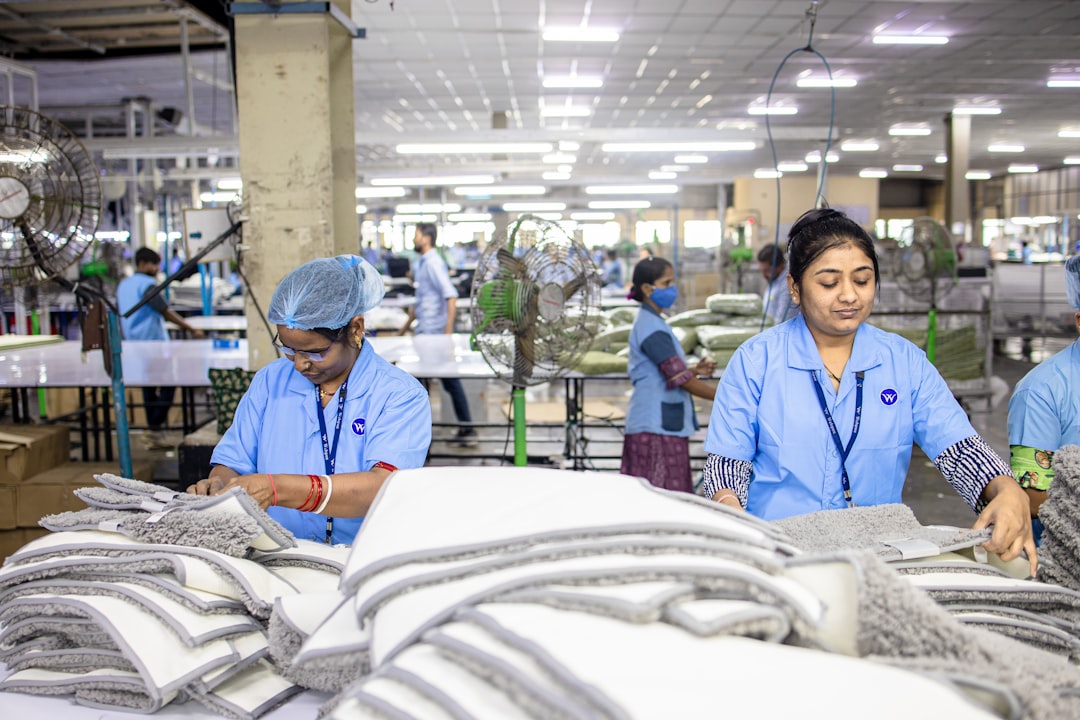
Tijuana, a vibrant city located just south of the U.S.-Mexico border, has emerged as a significant player in the global manufacturing landscape. Over the past few decades, the city has transformed from a modest border town into a bustling hub for manufacturing, attracting both domestic and international companies. The manufacturing sector in Tijuana is characterized by its diverse range of industries, including electronics, medical devices, automotive parts, and consumer goods.
This growth has not only contributed to the local economy but has also positioned Tijuana as a critical node in the North American supply chain. The city’s strategic location, coupled with its favorable economic policies, has made it an attractive destination for manufacturers seeking to capitalize on the benefits of nearshoring. As companies look to reduce costs and improve efficiency, Tijuana’s manufacturing sector continues to thrive, drawing in investments and creating job opportunities for thousands of residents.
The following sections will delve into the historical context, contributing factors, and future prospects of Tijuana’s manufacturing industry, highlighting its significance in both regional and global contexts.
Key Takeaways
- Tijuana’s manufacturing sector has experienced significant growth in recent years, becoming a key player in the global supply chain.
- The historical background of Tijuana’s manufacturing industry dates back to the 1960s, when the city became a hub for foreign investment and industrial development.
- Factors contributing to the boom in Tijuana’s manufacturing sector include its strategic location, skilled labor force, and favorable trade agreements.
- The USMCA has had a positive impact on Tijuana’s manufacturing sector, providing stability and opportunities for growth in key industries.
- Key industries driving Tijuana’s manufacturing growth include aerospace, medical devices, electronics, and automotive, attracting multinational companies to the region.
Historical Background of Tijuana’s Manufacturing Industry
The roots of Tijuana’s manufacturing industry can be traced back to the 1960s when the Mexican government implemented policies aimed at promoting foreign investment. The establishment of the maquiladora program allowed foreign companies to set up assembly plants in Mexico, taking advantage of lower labor costs while benefiting from tariff exemptions on imported materials. This initiative marked the beginning of Tijuana’s transformation into a manufacturing powerhouse, as numerous U.S.
companies flocked to the city to establish operations. Throughout the 1980s and 1990s, Tijuana’s manufacturing sector experienced exponential growth. The city became synonymous with the maquiladora model, which not only provided employment opportunities but also fostered a culture of innovation and entrepreneurship.
As more companies entered the market, Tijuana began to diversify its manufacturing capabilities, moving beyond simple assembly to include more complex production processes. This evolution laid the groundwork for the city’s current status as a leader in high-tech manufacturing and advanced industries.
Factors Contributing to the Boom in Tijuana’s Manufacturing Sector
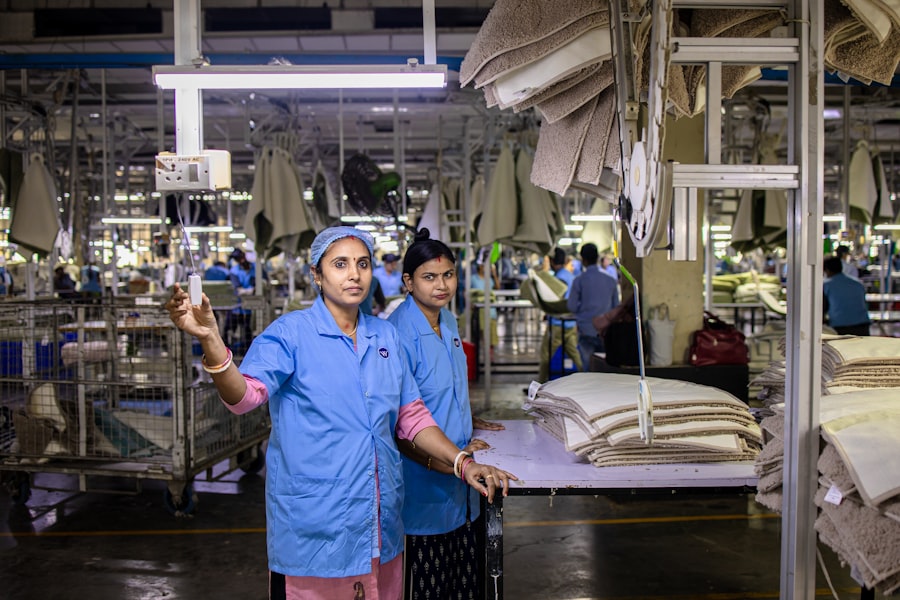
Several factors have contributed to the remarkable growth of Tijuana’s manufacturing sector over the years. One of the most significant drivers is its geographical proximity to the United States. This advantageous location allows for quick and efficient transportation of goods across the border, reducing lead times and shipping costs for manufacturers.
As a result, many companies have chosen to establish operations in Tijuana to take advantage of this logistical benefit. Additionally, Tijuana boasts a skilled labor force that is increasingly well-educated and trained in various technical fields. The presence of numerous educational institutions and vocational training programs has equipped workers with the necessary skills to meet the demands of modern manufacturing.
This availability of talent has made Tijuana an appealing destination for companies looking to invest in high-quality production capabilities. Furthermore, the city’s commitment to fostering a business-friendly environment through tax incentives and streamlined regulations has further fueled its manufacturing boom.
Impact of the USMCA on Tijuana’s Manufacturing Sector
| Metrics | Data |
|---|---|
| Increase in exports | 15% |
| Job creation | 10,000 new jobs |
| Investment in infrastructure | 50 million |
The United States-Mexico-Canada Agreement (USMCA), which replaced the North American Free Trade Agreement (NAFTA), has had a profound impact on Tijuana’s manufacturing sector. By establishing new trade rules and regulations, the USMCA aims to promote fair competition and strengthen economic ties between the three countries. For Tijuana, this agreement has opened up new opportunities for growth and expansion within the manufacturing industry.
One of the key provisions of the USMCA is its emphasis on increasing regional content requirements for automobiles and auto parts.
Additionally, the agreement has provided greater protections for intellectual property rights, fostering innovation and encouraging companies to invest in research and development within Tijuana’s manufacturing sector.
Key Industries Driving Tijuana’s Manufacturing Growth
Tijuana’s manufacturing sector is diverse, with several key industries driving its growth. The electronics industry stands out as one of the most significant contributors, with numerous companies specializing in the production of consumer electronics, telecommunications equipment, and medical devices. Major global brands have established manufacturing facilities in Tijuana, taking advantage of the city’s skilled workforce and favorable economic conditions.
Another vital industry is automotive manufacturing, which has seen substantial growth in recent years. Tijuana has become a hub for producing automotive parts and components, supplying major automakers in North America. The city’s strategic location allows for efficient transportation of these products across borders, making it an essential player in the automotive supply chain.
Additionally, industries such as aerospace and medical devices are also gaining traction in Tijuana, further diversifying its manufacturing landscape.
Challenges Faced by Tijuana’s Manufacturing Sector
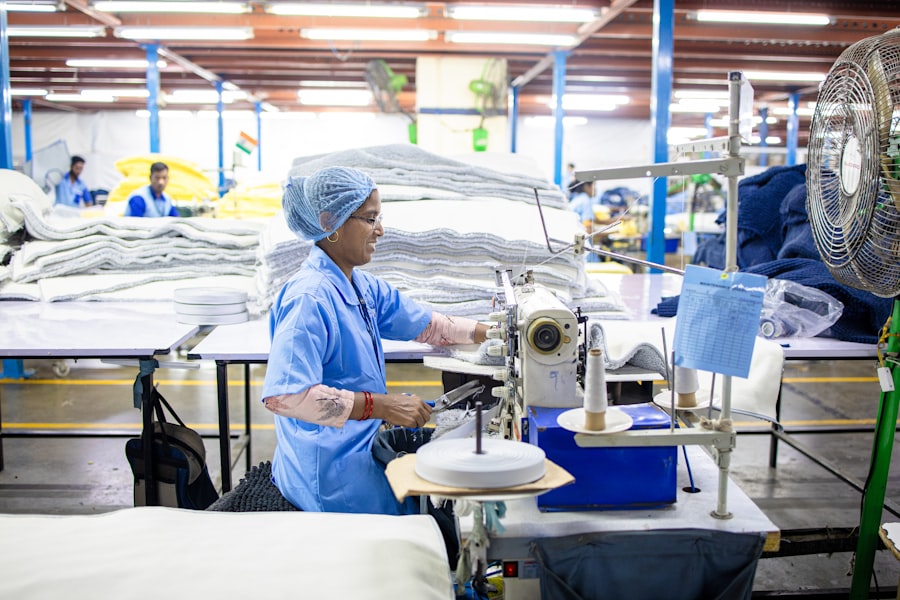
Despite its impressive growth, Tijuana’s manufacturing sector faces several challenges that could impact its future trajectory. One significant concern is the ongoing issue of security and crime in the region. While efforts have been made to improve safety conditions, concerns about violence and crime can deter potential investors and create an unstable environment for existing businesses.
As global competition intensifies, manufacturers in Tijuana must invest in advanced technologies and processes to remain competitive. This requires not only financial resources but also a commitment to workforce development and training programs that equip employees with the skills needed for emerging technologies.
Tijuana’s Role in the Global Supply Chain
Tijuana plays a crucial role in the global supply chain, serving as a vital link between North America and other international markets. Its strategic location allows for efficient transportation of goods across borders, making it an attractive destination for companies looking to optimize their supply chains. As businesses increasingly seek to reduce lead times and transportation costs, Tijuana’s manufacturing sector has become an essential component of their operations.
Moreover, Tijuana’s diverse range of industries contributes to its significance in global trade. From electronics to automotive parts, the city produces a wide array of products that are exported to markets around the world. This interconnectedness not only benefits local manufacturers but also strengthens economic ties between Mexico and its trading partners, fostering collaboration and innovation across borders.
Innovation and Technology in Tijuana’s Manufacturing Sector
Innovation and technology are at the forefront of Tijuana’s manufacturing sector as companies strive to enhance productivity and efficiency. Many manufacturers are adopting advanced technologies such as automation, robotics, and artificial intelligence to streamline their operations and reduce costs. This shift towards Industry 4.0 is transforming traditional manufacturing processes and enabling companies to remain competitive in an ever-evolving market.
Furthermore, Tijuana is witnessing a growing emphasis on research and development as manufacturers seek to create innovative products that meet changing consumer demands. Collaborations between businesses and local universities are fostering a culture of innovation, leading to the development of cutting-edge technologies and solutions within the manufacturing sector. As Tijuana continues to embrace innovation, it is well-positioned to maintain its status as a leader in high-tech manufacturing.
Labor Force and Wages in Tijuana’s Manufacturing Industry
The labor force in Tijuana’s manufacturing industry is characterized by its diversity and adaptability. With a population that includes both skilled workers and those seeking entry-level positions, manufacturers have access to a wide range of talent. The presence of educational institutions offering technical training programs has further enhanced the skill set of workers in the region.
Wages in Tijuana’s manufacturing sector have been a topic of discussion among industry stakeholders. While labor costs are generally lower than those in the United States, there is an ongoing effort to improve wages and working conditions for employees. As companies compete for skilled labor, many are recognizing the importance of offering competitive salaries and benefits packages to attract and retain talent.
Environmental and Sustainability Initiatives in Tijuana’s Manufacturing Sector
As global awareness of environmental issues continues to grow, Tijuana’s manufacturing sector is increasingly focusing on sustainability initiatives. Many companies are adopting eco-friendly practices aimed at reducing their environmental footprint while maintaining productivity levels. This includes implementing energy-efficient technologies, reducing waste through recycling programs, and utilizing sustainable materials in production processes.
Additionally, local government initiatives aimed at promoting sustainability have encouraged manufacturers to adopt greener practices. By prioritizing environmental responsibility, Tijuana’s manufacturing sector not only contributes to global sustainability efforts but also enhances its reputation as a forward-thinking hub for responsible production.
Future Outlook for Tijuana’s Manufacturing Sector
The future outlook for Tijuana’s manufacturing sector appears promising as it continues to adapt to changing market dynamics and global trends. With ongoing investments in technology and innovation, manufacturers are well-positioned to capitalize on emerging opportunities within various industries. The city’s strategic location will remain a key advantage as businesses seek efficient supply chain solutions.
Moreover, as trade agreements like the USMCA continue to shape economic relationships between Mexico and its neighbors, Tijuana stands poised to benefit from increased trade flows and investment opportunities. While challenges remain, such as security concerns and competition from other regions, Tijuana’s resilience and commitment to growth suggest that its manufacturing sector will continue to thrive in the years ahead.
The Tijuana manufacturing sector has been experiencing significant growth, driven by its strategic location and robust infrastructure. This expansion is not only boosting the local economy but also attracting international attention. For a deeper understanding of the factors contributing to this growth, you can explore a related article on the topic by visiting this link. The article provides insights into the economic dynamics and the role of cross-border trade in enhancing Tijuana’s manufacturing capabilities.
FIND OUT! Why America’s 🇺🇸 Factories Are Moving to Mexico
FAQs
What is the current state of the manufacturing sector in Tijuana?
The manufacturing sector in Tijuana is experiencing significant growth, with an increasing number of companies choosing to establish operations in the city.
What factors have contributed to the growth of the manufacturing sector in Tijuana?
Several factors have contributed to the growth of the manufacturing sector in Tijuana, including its strategic location near the U.S. border, a skilled and cost-effective labor force, and the presence of a well-developed infrastructure.
What types of industries are prominent in Tijuana’s manufacturing sector?
Tijuana’s manufacturing sector is diverse, with industries such as electronics, medical devices, aerospace, automotive, and consumer goods playing a prominent role in the city’s industrial landscape.
How has the growth of the manufacturing sector impacted Tijuana’s economy?
The growth of the manufacturing sector has had a positive impact on Tijuana’s economy, leading to job creation, increased investment, and overall economic development in the region.
What are some of the challenges facing Tijuana’s manufacturing sector?
Challenges facing Tijuana’s manufacturing sector include competition from other manufacturing hubs, the need for continued infrastructure development, and ensuring the availability of a skilled workforce to meet industry demands.