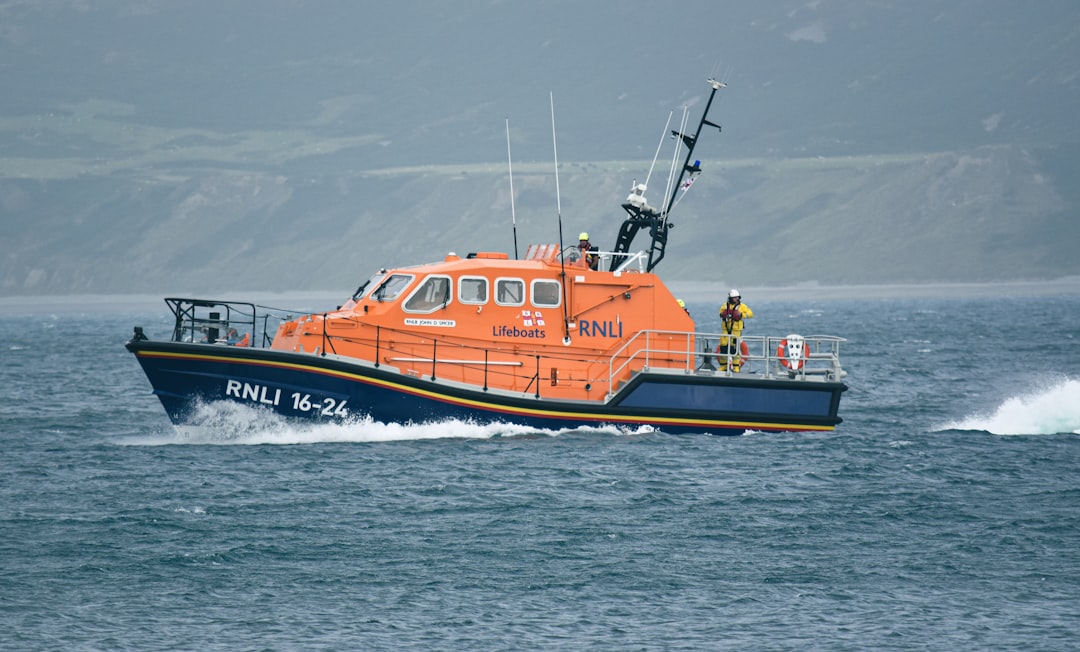
Convoy routing strategies are essential practices in maritime operations that coordinate the movement of multiple vessels traveling together to enhance security and improve logistical efficiency. This approach originated in military contexts, where ships traveled in formation to defend against hostile forces. Today, commercial shipping applies these strategies primarily to mitigate risks from piracy, severe weather, and navigational hazards.
The importance of convoy routing has increased as global trade expands and the demand for secure shipping routes grows. Modern maritime logistics requires strategic routing decisions that balance safety with operational efficiency. Understanding convoy routing practices enables maritime industry stakeholders to effectively manage contemporary shipping challenges and capitalize on emerging opportunities.
The treacherous waters of the Drake Passage are known for their unpredictable weather and challenging navigation.
Key Takeaways
- Convoy routing enhances maritime safety by organizing ships to travel together, reducing risks at sea.
- Various strategies exist, tailored to factors like weather, threat levels, and ship types.
- Technology plays a crucial role in planning and executing effective convoy routes.
- Challenges include coordination complexity and adapting to dynamic maritime conditions.
- Successful case studies demonstrate convoy routing’s effectiveness and potential for future improvements.
The Importance of Maritime Safety
Maritime safety is a cornerstone of successful shipping operations, influencing everything from cargo delivery times to the overall integrity of supply chains. The vastness of the oceans presents unique challenges, including unpredictable weather patterns, navigational hazards, and the ever-present threat of piracy. As such, ensuring the safety of vessels and their crews is paramount.
Convoy routing strategies play a crucial role in enhancing maritime safety by allowing ships to travel in groups, thereby reducing the likelihood of individual vessels becoming targets for criminal activities or falling victim to natural disasters. Moreover, the implementation of convoy routing can lead to improved communication and coordination among vessels. When ships travel together, they can share real-time information about their surroundings, including weather updates and navigational challenges.
This collective awareness fosters a safer environment for all vessels involved, as they can respond more effectively to emerging threats. In an industry where time is often equated with money, prioritizing safety through convoy routing not only protects lives but also safeguards valuable cargo and minimizes potential financial losses.
Understanding Convoy Routing
Convoy routing is a multifaceted approach that involves careful planning and coordination among multiple vessels.
This method allows for enhanced security and efficiency, as vessels can benefit from shared resources and collective decision-making.
The process of establishing a convoy typically begins with an assessment of various factors, including the types of cargo being transported, the specific routes to be taken, and potential threats along those routes. Once these elements are evaluated, shipping companies can determine the optimal number of vessels to include in a convoy and establish communication protocols to ensure seamless coordination throughout the journey. Understanding these dynamics is essential for maritime operators seeking to leverage convoy routing as a strategic advantage.
Benefits of Convoy Routing
The benefits of convoy routing extend beyond mere safety enhancements; they encompass a range of operational efficiencies that can significantly impact the bottom line for shipping companies. One of the primary advantages is the reduction in vulnerability to piracy and other criminal activities. When vessels travel in groups, they present a more formidable target for potential attackers, thereby deterring such threats and enhancing overall security.
Additionally, convoy routing can lead to improved fuel efficiency and reduced operational costs. By traveling together, vessels can optimize their speed and reduce drag through coordinated movements. This not only conserves fuel but also minimizes emissions, aligning with global efforts toward more sustainable shipping practices.
Furthermore, the shared resources among convoy members—such as navigational expertise and equipment—can lead to cost savings that benefit all participants in the journey.
Factors to Consider in Convoy Routing
| Metric | Description | Typical Value / Range | Unit | Relevance to Maritime Safety |
|---|---|---|---|---|
| Convoy Speed | Average speed maintained by the convoy during transit | 10 – 15 | knots | Ensures synchronized movement and reduces collision risk |
| Inter-ship Distance | Distance maintained between vessels in the convoy | 500 – 1000 | meters | Prevents collisions and allows maneuvering space |
| Communication Latency | Time delay in communication signals between ships | Less than 1 | second | Critical for timely coordination and safety commands |
| Number of Vessels per Convoy | Count of ships traveling together in a convoy | 5 – 20 | vessels | Impacts convoy management and navigational complexity |
| Incident Rate | Number of safety-related incidents per 1000 nautical miles | 0.1 – 0.5 | incidents/1000 nm | Indicator of convoy routing effectiveness and safety |
| Weather Impact Factor | Degree to which weather conditions affect convoy routing | Low to High | qualitative | Influences route planning and risk assessment |
| Route Deviation Rate | Percentage of convoy routes altered due to hazards or traffic | 5 – 15 | % | Reflects adaptability and safety responsiveness |
When planning a convoy routing strategy, several critical factors must be taken into account to ensure its success. First and foremost is the assessment of potential threats along the proposed route. This includes evaluating piracy hotspots, areas prone to severe weather conditions, and regions with navigational hazards such as reefs or shallow waters.
A thorough risk assessment allows maritime operators to make informed decisions about which routes to take and how many vessels should be included in the convoy. Another important consideration is the compatibility of vessels within the convoy. Differences in size, speed, and cargo type can impact the overall effectiveness of the group.
For instance, if one vessel is significantly slower than others, it may disrupt the convoy’s pace and create logistical challenges. Therefore, selecting vessels that can operate cohesively is essential for maintaining efficiency throughout the journey.
Types of Convoy Routing Strategies
There are various types of convoy routing strategies that maritime operators can employ based on their specific needs and circumstances. One common approach is the “escort convoy,” where a group of vessels is accompanied by naval or private security forces to provide additional protection against piracy or other threats. This strategy enhances security while allowing for greater flexibility in route planning.
Another strategy is the “scheduled convoy,” which involves predetermined sailing times and routes for participating vessels. This method allows for better coordination among ships and ensures that they arrive at their destinations within a specified timeframe. Scheduled convoys are particularly beneficial for transporting perishable goods or time-sensitive cargo, where delays can result in significant financial losses.
Implementing Convoy Routing Strategies
The successful implementation of convoy routing strategies requires meticulous planning and coordination among all stakeholders involved in maritime operations. It begins with establishing clear communication channels between vessels and their respective operators. Regular updates regarding weather conditions, navigational challenges, and any emerging threats are essential for maintaining situational awareness throughout the journey.
Training crews on convoy protocols is another critical aspect of implementation. All personnel must understand their roles within the convoy structure and be prepared to respond effectively to any incidents that may arise during transit. Conducting drills and simulations can help reinforce these protocols and ensure that crews are well-prepared for real-world scenarios.
Technology and Convoy Routing
In today’s digital age, technology plays an increasingly vital role in enhancing convoy routing strategies. Advanced navigation systems equipped with real-time tracking capabilities allow vessels to monitor their positions relative to one another and adjust their courses as needed. This technology not only improves safety but also facilitates better coordination among convoy members.
Moreover, communication technologies such as satellite phones and secure messaging systems enable seamless information sharing between vessels and their operators on land. This connectivity ensures that all parties remain informed about changing conditions or potential threats along the route. As technology continues to evolve, its integration into convoy routing strategies will likely lead to even greater efficiencies and safety enhancements in maritime operations.
Challenges and Limitations of Convoy Routing
Despite its numerous advantages, convoy routing is not without its challenges and limitations. One significant hurdle is the need for effective coordination among diverse vessels operated by different companies or entities. Disparities in communication protocols or operational practices can hinder collaboration and create confusion during transit.
Additionally, external factors such as geopolitical tensions or sudden changes in weather patterns can disrupt planned convoys. For instance, if a region experiences an unexpected storm or if piracy activity escalates along a particular route, it may necessitate last-minute adjustments that could compromise the effectiveness of the convoy strategy.
Case Studies of Successful Convoy Routing
Several case studies illustrate the successful application of convoy routing strategies in maritime operations. One notable example occurred during a period of heightened piracy activity off the coast of Somalia. Shipping companies banded together to form an escort convoy system that included naval escorts from various nations.
This collaborative effort significantly reduced incidents of piracy in the region while ensuring that vital supplies continued to reach affected areas. Another case study involves a major shipping company that implemented scheduled convoys for transporting perishable goods across international waters. By coordinating sailing times and routes among participating vessels, they were able to minimize delays and ensure timely deliveries while maintaining product quality.
The success of this initiative not only improved customer satisfaction but also enhanced the company’s reputation within the industry.
Conclusion and Future of Convoy Routing Strategies
As global trade continues to expand and evolve, so too will the strategies employed by maritime operators to navigate its complexities. Convoy routing stands out as a robust approach that addresses both safety concerns and operational efficiencies in an increasingly challenging environment. The lessons learned from past implementations—coupled with advancements in technology—will shape the future landscape of convoy routing strategies.
Looking ahead, it is likely that innovations such as artificial intelligence and machine learning will further enhance decision-making processes related to convoy routing. By analyzing vast amounts of data on weather patterns, piracy incidents, and vessel performance, these technologies could enable more precise route planning and risk assessment than ever before. Ultimately, as maritime operators continue to adapt to changing circumstances, convoy routing will remain a vital tool in ensuring safe and efficient shipping operations across the globe.
In the context of enhancing maritime safety through effective convoy routing, it is essential to consider various strategies and technologies that can optimize navigation and reduce risks. A related article that delves into these aspects can be found at Real Lore and Order, where it discusses innovative approaches to maritime logistics and safety protocols. This resource provides valuable insights for those interested in improving the safety and efficiency of maritime operations.
WATCH THIS! 🚢 The Red Sea is burning. Panama is drying up. And the Drake Passage
FAQs
What is convoy routing in maritime safety?
Convoy routing in maritime safety refers to the practice of organizing ships to travel together in groups or convoys along specific routes. This method enhances security, reduces the risk of accidents, and improves navigation efficiency, especially in hazardous or congested waters.
Why is convoy routing important for maritime safety?
Convoy routing is important because it helps protect vessels from threats such as piracy, collisions, and adverse weather conditions. By traveling in groups, ships can benefit from mutual support, coordinated navigation, and increased visibility to maritime authorities.
How are convoys organized in maritime operations?
Convoys are typically organized by maritime authorities or shipping companies based on factors like vessel type, destination, speed, and security requirements. Ships are assigned specific positions within the convoy and follow predetermined routes and schedules to maintain order and safety.
What types of vessels commonly use convoy routing?
Convoy routing is commonly used by commercial cargo ships, oil tankers, military vessels, and sometimes passenger ships, especially when navigating through high-risk areas such as piracy-prone regions or narrow straits.
Are there international regulations governing convoy routing?
While there is no single international regulation specifically mandating convoy routing, various maritime safety and security guidelines from organizations like the International Maritime Organization (IMO) support coordinated navigation practices. Regional authorities may also impose convoy requirements in certain areas.
How does convoy routing help in piracy prevention?
Convoy routing deters piracy by reducing the vulnerability of individual ships. Traveling in groups makes it harder for pirates to target a single vessel, and the presence of escort ships or naval patrols within convoys enhances protection.
What technologies support convoy routing in maritime safety?
Technologies such as Automatic Identification Systems (AIS), radar, satellite communication, and GPS navigation are used to coordinate convoy movements, monitor vessel positions, and ensure safe distances between ships.
Can convoy routing reduce environmental risks?
Yes, convoy routing can reduce environmental risks by minimizing the chances of collisions and groundings, which can lead to oil spills or other hazardous material releases. Coordinated routing also helps optimize fuel consumption and reduce emissions.
What challenges are associated with convoy routing?
Challenges include coordinating schedules among different vessels, maintaining communication, managing varying ship speeds, and responding to unexpected weather or security threats. Additionally, convoy routing may increase transit times for some ships.
How can ship operators participate in convoy routing programs?
Ship operators can participate by registering with maritime authorities or convoy coordination centers, adhering to convoy schedules and protocols, and maintaining communication during transit. Staying informed about regional convoy requirements is also essential.