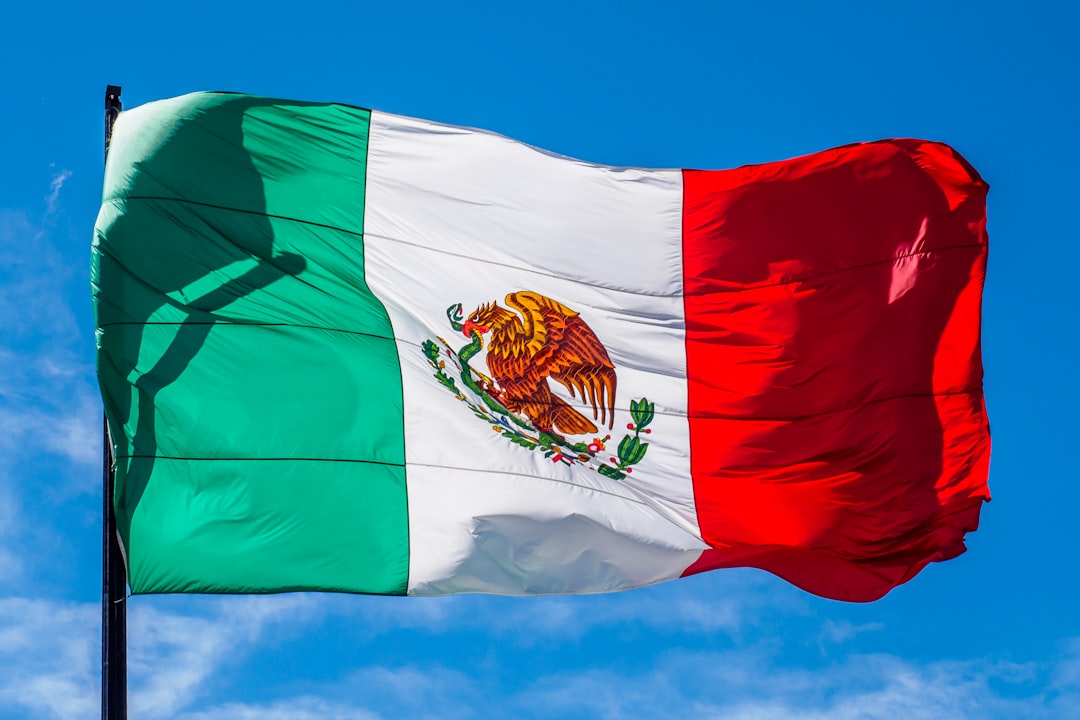
In recent years, Mexico has emerged as a significant player in the global trade arena, showcasing remarkable growth that has captured the attention of economists and policymakers alike. The country’s strategic geographical location, coupled with its robust manufacturing sector and trade agreements, has positioned it as a vital hub for international commerce. As the world becomes increasingly interconnected, Mexico’s trade dynamics have evolved, reflecting both opportunities and challenges that shape its economic landscape.
This article delves into the various facets of Mexico’s trade growth, exploring its comparisons with other major economies, the factors driving its success, and the implications of its evolving trade relationships. The growth trajectory of Mexico’s trade is not merely a reflection of its economic policies but also a testament to its adaptability in a rapidly changing global market. With a diverse range of exports, including automobiles, electronics, and agricultural products, Mexico has diversified its trade portfolio, reducing reliance on any single sector.
This diversification has been crucial in navigating the complexities of international trade, particularly in light of recent global disruptions. As Mexico continues to strengthen its trade relationships and expand its market reach, understanding the underlying factors contributing to this growth becomes essential for grasping its future potential as a global trading partner.
Key Takeaways
- Mexico has experienced significant trade growth in recent years, positioning itself as a key player in the global market.
- While China has a higher trade volume than Mexico, Mexico’s proximity to the US and its participation in USMCA make it an attractive trade partner.
- Factors contributing to Mexico’s trade success include its skilled labor force, competitive manufacturing sector, and strategic trade agreements.
- The USMCA has positively impacted Mexico’s trade position by providing stability and certainty for investors and trade partners.
- Mexico has established strong trade partnerships with countries such as the US, Canada, and Japan, contributing to its position in global supply chains.
Comparison of Mexico and China’s Trade Volume
When comparing Mexico’s trade volume with that of China, it becomes evident that both countries have carved out significant niches in the global marketplace. China, often referred to as the “world’s factory,” boasts an unparalleled trade volume that dwarfs many nations, including Mexico. In 2022, China’s total trade volume reached approximately $6 trillion, making it the largest trading nation globally.
In contrast, Mexico’s trade volume was around $1 trillion, reflecting its status as a major but smaller player in the international arena. Despite this disparity, Mexico’s growth rate in trade has been noteworthy, particularly in sectors where it competes directly with Chinese exports. The comparison between these two nations highlights not only their differing scales but also their unique strengths.
While China excels in mass production and technological innovation, Mexico has leveraged its proximity to the United States and its participation in various trade agreements to enhance its competitiveness. The North American Free Trade Agreement (NAFTA), now replaced by the United States-Mexico-Canada Agreement (USMCA), has played a pivotal role in facilitating trade between Mexico and its northern neighbor. This geographical advantage allows Mexico to serve as a critical link in supply chains that extend into the U.S.
market, providing it with opportunities that China may not easily replicate.
Factors Contributing to Mexico’s Trade Success

Several factors have contributed to Mexico’s impressive trade success over the past few decades. One of the most significant is its strategic location adjacent to the United States, which serves as both a major trading partner and a gateway to North American markets. This geographical advantage enables Mexico to benefit from reduced transportation costs and shorter delivery times, making it an attractive destination for foreign investment and manufacturing operations.
Additionally, Mexico’s well-established infrastructure, including ports and highways, facilitates efficient logistics and distribution networks that are essential for international trade. Another critical factor is Mexico’s commitment to free trade agreements that have opened up markets and reduced tariffs on a wide range of goods. The USMCA, which replaced NAFTA in 2020, has further solidified Mexico’s position as a key player in North American trade by enhancing labor standards and environmental protections while maintaining tariff-free access to the U.S.
market. Furthermore, Mexico has pursued trade agreements with other countries and regions, including the European Union and various Latin American nations, broadening its export horizons and diversifying its economic partnerships. This proactive approach to trade policy has allowed Mexico to capitalize on global demand for its products while mitigating risks associated with reliance on any single market.
Impact of USMCA on Mexico’s Trade Position
| Metrics | Before USMCA | After USMCA |
|---|---|---|
| Exports to US | 300 billion | 350 billion |
| Imports from US | 250 billion | 280 billion |
| Trade Deficit with US | 50 billion | 30 billion |
| Market Access | Restricted | Improved |
The implementation of the United States-Mexico-Canada Agreement (USMCA) has had a profound impact on Mexico’s trade position within North America and beyond. By modernizing and updating provisions from NAFTA, the USMCA has introduced new rules that promote fair competition and protect workers’ rights while ensuring continued access to one of the world’s largest consumer markets. This agreement has not only reinforced Mexico’s economic ties with the United States but has also provided a framework for addressing emerging challenges in the global economy.
One of the most significant outcomes of the USMCA is the emphasis on regional content requirements for automobiles and other manufactured goods. This stipulation encourages manufacturers to source materials and components from within North America, thereby boosting local production and creating jobs in Mexico.
The USMCA has also facilitated greater collaboration between the three member countries in areas such as labor rights and environmental sustainability, fostering a more integrated North American economy.
Analysis of Mexico’s Trade Partnerships
Mexico’s trade partnerships extend far beyond its borders with the United States and Canada; they encompass a diverse array of countries across different continents. The country’s participation in various free trade agreements has enabled it to forge strong economic ties with nations in Europe, Asia, and Latin America. For instance, Mexico’s trade relationship with the European Union is governed by a comprehensive agreement that facilitates tariff reductions and promotes cooperation in areas such as technology transfer and sustainable development.
In addition to traditional partners like the EU and North America, Mexico has also sought to strengthen its ties with emerging markets in Latin America and Asia. The Pacific Alliance—a regional integration initiative involving Mexico, Colombia, Chile, and Peru—aims to enhance economic cooperation among member states while promoting free trade and investment opportunities. This strategic focus on diversifying trade partnerships allows Mexico to mitigate risks associated with over-reliance on any single market while tapping into new sources of growth.
Mexico’s Role in North American Supply Chains

Mexico plays a crucial role in North American supply chains, serving as an essential link between raw material suppliers and end consumers across the continent. The country’s manufacturing sector has flourished due to its ability to provide cost-effective labor while maintaining high-quality production standards. Industries such as automotive manufacturing have particularly benefited from this dynamic, with many major automakers establishing production facilities in Mexico to take advantage of lower labor costs while still accessing the lucrative U.S.
market. The integration of Mexican manufacturing into North American supply chains has also been accelerated by advancements in technology and logistics. As companies increasingly adopt just-in-time inventory practices, the proximity of Mexican factories to U.S.
markets allows for rapid response times and reduced lead times for deliveries. This efficiency not only enhances competitiveness but also fosters innovation within Mexican industries as they adapt to meet evolving consumer demands. As supply chains continue to evolve in response to global challenges such as disruptions caused by pandemics or geopolitical tensions, Mexico’s role as a reliable partner within North America is likely to become even more pronounced.
Mexico’s Trade Opportunities and Challenges
While Mexico’s trade landscape is characterized by numerous opportunities for growth, it is not without its challenges. One of the most pressing issues facing Mexican exporters is competition from other emerging markets, particularly those in Asia. Countries like Vietnam have gained traction as alternative manufacturing hubs due to their lower labor costs and favorable trade agreements with key markets such as the United States.
As a result, Mexican industries must continually innovate and improve efficiency to maintain their competitive edge. Additionally, domestic challenges such as infrastructure deficits and regulatory hurdles can hinder Mexico’s ability to fully capitalize on its trade potential. While significant investments have been made in transportation infrastructure, there are still areas that require improvement to facilitate smoother logistics and distribution networks.
Addressing these challenges will be crucial for ensuring that Mexico remains an attractive destination for foreign investment and continues to thrive as a global trading partner.
Mexico’s Trade in Agriculture and Manufacturing
Mexico’s trade landscape is marked by a diverse array of sectors, with agriculture and manufacturing standing out as two key pillars of its economy. The agricultural sector plays a vital role in both domestic consumption and exports, with products such as avocados, tomatoes, and tequila gaining international recognition for their quality. The country’s favorable climate conditions allow for year-round production of various crops, making it an essential supplier for markets across North America and beyond.
On the manufacturing front, Mexico has established itself as a powerhouse in industries such as automotive production, electronics assembly, and aerospace manufacturing. The country’s skilled workforce and competitive labor costs have attracted numerous multinational corporations seeking to establish production facilities within its borders. As a result, Mexican manufacturers have become integral players in global supply chains, contributing significantly to both domestic economic growth and international trade volumes.
Mexico’s Trade Relations with the European Union
Mexico’s trade relations with the European Union (EU) have evolved significantly over the years, culminating in a comprehensive free trade agreement that facilitates economic cooperation between both parties. This agreement not only reduces tariffs on a wide range of goods but also promotes collaboration in areas such as technology transfer and sustainable development initiatives. As a result, Mexican exporters have gained greater access to European markets while benefiting from increased investment opportunities from EU-based companies.
The EU-Mexico trade relationship is characterized by mutual interests in sectors such as agriculture, manufacturing, and services. For instance, Mexican agricultural products like avocados and berries have gained popularity among European consumers due to their quality and flavor profiles. Conversely, European companies have invested heavily in Mexican industries such as automotive manufacturing and renewable energy projects.
This reciprocal relationship underscores the importance of continued dialogue and cooperation between Mexico and the EU as they navigate evolving global economic dynamics.
Mexico’s Trade Relations with Latin American Countries
Mexico’s engagement with Latin American countries reflects its commitment to regional integration and economic cooperation within the broader context of Latin America. Through initiatives such as the Pacific Alliance—a regional bloc comprising Mexico, Colombia, Chile, and Peru—Mexico aims to enhance trade relations among member states while promoting free movement of goods, services, capital, and people across borders. In addition to formal agreements like the Pacific Alliance, Mexico has also sought to strengthen bilateral trade relations with individual Latin American countries through various initiatives aimed at reducing tariffs and fostering investment opportunities.
These efforts not only bolster economic ties but also promote cultural exchange and collaboration on shared challenges such as climate change and social development issues. As Latin America continues to evolve economically, Mexico’s proactive approach to building strong relationships within the region positions it well for future growth opportunities.
Mexico’s Future as a Global Trading Partner
As Mexico navigates an increasingly complex global trading environment characterized by shifting alliances and emerging markets, its future as a global trading partner appears promising yet challenging. The country’s strategic location near the United States provides it with unique advantages that can be leveraged for continued growth in international trade. Moreover, ongoing investments in infrastructure development and workforce training will be crucial for enhancing competitiveness across various sectors.
However, addressing domestic challenges such as regulatory hurdles and competition from other emerging markets will be essential for ensuring sustained success in global commerce. By fostering innovation within its industries while strengthening partnerships both regionally and internationally, Mexico can position itself as a resilient player on the world stage. As it embraces new opportunities for collaboration and growth amidst evolving economic dynamics, Mexico stands poised to solidify its status as an influential global trading partner for years to come.
In recent years, Mexico has strategically positioned itself to surpass China as the United States’ top trading partner, a development that has significant implications for global trade dynamics. This shift is not only a testament to Mexico’s growing economic influence but also highlights the changing landscape of international trade relations. For a deeper understanding of the factors contributing to this shift and its broader impact, you can explore a related article on this topic by visiting this page. This article delves into the economic strategies and geopolitical factors that have enabled Mexico to achieve this milestone, offering valuable insights into the future of global trade.
FIND OUT! Why America’s 🇺🇸 Factories Are Moving to Mexico
FAQs
What is the current status of Mexico’s trade with China?
As of 2021, Mexico has surpassed China as the United States’ top trading partner. This is a significant shift in trade dynamics, as China had held the top position for many years.
What factors contributed to Mexico’s rise as a top trading partner?
Several factors have contributed to Mexico’s rise as a top trading partner, including its geographical proximity to the United States, the implementation of the United States-Mexico-Canada Agreement (USMCA), and the reshoring of manufacturing operations from China to Mexico.
How has the United States-Mexico-Canada Agreement (USMCA) impacted trade between Mexico and the United States?
The USMCA, which replaced the North American Free Trade Agreement (NAFTA), has facilitated increased trade between Mexico and the United States by modernizing trade rules, promoting fair competition, and providing a more stable and predictable environment for businesses.
What role has the reshoring of manufacturing operations played in Mexico’s trade with the United States?
The reshoring of manufacturing operations from China to Mexico has played a significant role in boosting Mexico’s trade with the United States. Many companies have relocated their production facilities to Mexico to take advantage of lower labor costs, proximity to the U.S. market, and the benefits of the USMCA.
What are the potential implications of Mexico’s increased trade with the United States?
Mexico’s increased trade with the United States has the potential to strengthen economic ties between the two countries, create new business opportunities, and contribute to the growth of both economies. However, it may also lead to increased competition and challenges for other trading partners.