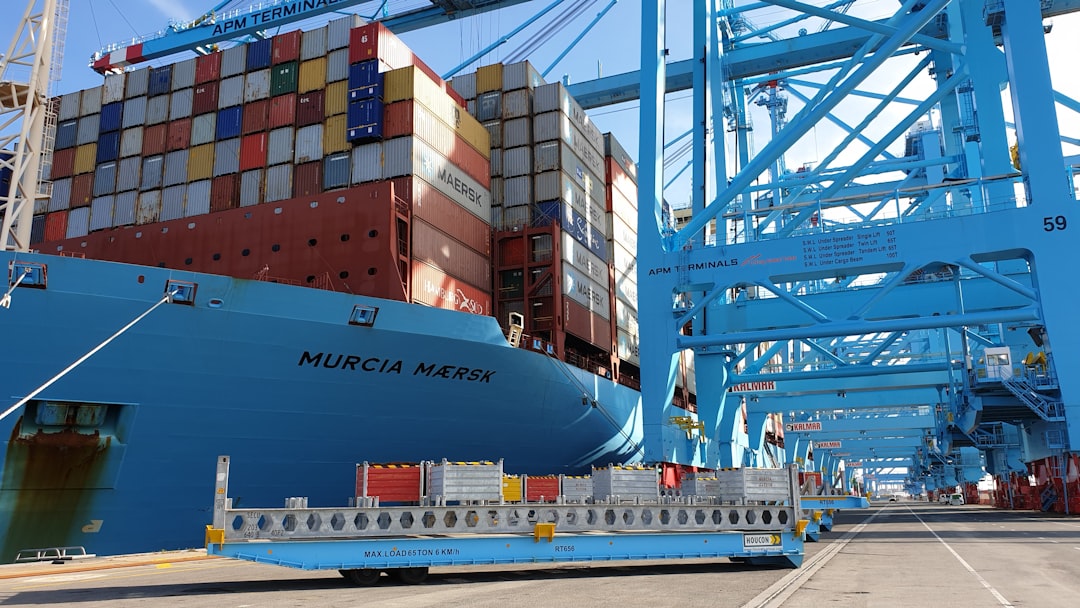
Shipping insurance provides financial protection against losses that occur during the transportation of goods. Items in transit face multiple risks, including theft, damage, and loss from unexpected events. Shipping insurance compensates the policyholder for the monetary value of goods if they are lost or damaged while being transported.
This coverage is especially valuable for expensive items, delicate products, or shipments traveling long distances, where the risk of incidents is higher. Shipping insurance offers more than physical asset protection; it provides assurance that investments are safeguarded. For businesses, this protection helps maintain customer confidence and loyalty.
When customers understand that their purchases are insured during delivery, they are more confident in making purchases, knowing they have protection if problems occur. Consequently, shipping insurance is important for all parties involved in the shipping process, including sellers, buyers, and logistics providers.
Key Takeaways
- Shipping insurance premiums depend on item value, destination, and shipping method.
- Accurate item valuation is crucial to ensure proper coverage and avoid claim disputes.
- Different types of coverage include full value, declared value, and limited liability options.
- Comparing providers and understanding policy details can help lower insurance costs.
- Proper handling of claims and awareness of common mistakes improve risk management effectiveness.
Factors Affecting Shipping Insurance Premiums
Several factors influence the premiums associated with shipping insurance, and understanding these can help individuals and businesses make informed decisions. One of the primary factors is the value of the items being shipped. Generally, the higher the value of the goods, the higher the insurance premium will be.
This is because insurers assess risk based on potential loss; thus, valuable items represent a greater financial risk to the insurer. Another significant factor is the shipping method chosen. Different modes of transportation—such as air, sea, or ground—carry varying levels of risk.
For instance, air freight may be faster but can also be more expensive due to the higher likelihood of theft at airports. Additionally, the destination plays a crucial role; shipping to remote or high-crime areas may result in higher premiums due to increased risk factors. The packaging and handling of items also affect premiums; fragile items that require special handling may incur additional costs due to the increased risk of damage. The treacherous waters of the Drake Passage are known for their unpredictable weather and challenging navigation.
Calculating Shipping Insurance Premiums

Calculating shipping insurance premiums involves a combination of assessing the value of the goods and understanding the associated risks. Insurers typically use a percentage of the declared value of the shipment to determine the premium.
However, this straightforward calculation can become more complex when additional factors come into play. Insurers may also consider historical data regarding claims for similar shipments when calculating premiums. If certain types of goods have a higher incidence of claims, insurers may adjust their rates accordingly.
Furthermore, businesses with a strong track record of safe shipping practices may qualify for discounts or lower premiums based on their claims history. Therefore, it is essential for shippers to maintain accurate records and demonstrate responsible shipping practices to potentially reduce their insurance costs.
Importance of Accurate Item Valuation
Accurate item valuation is paramount when it comes to shipping insurance. Underestimating the value of goods can lead to insufficient coverage in case of loss or damage, leaving shippers vulnerable to financial loss. Conversely, overvaluing items can result in unnecessarily high premiums that do not reflect the actual risk involved.
Therefore, shippers must take the time to assess and declare the correct value of their items before purchasing insurance. To ensure accurate valuation, shippers should consider various factors such as market value, replacement cost, and any unique characteristics that may affect an item’s worth. For instance, collectibles or antiques may have a market value that exceeds their replacement cost due to their rarity or historical significance.
Additionally, obtaining professional appraisals for high-value items can provide an objective assessment that helps in determining an accurate valuation for insurance purposes.
Types of Shipping Insurance Coverage
| Metric | Description | Example Value | Unit |
|---|---|---|---|
| Declared Value | The monetary value of the goods being shipped, declared for insurance purposes | 5000 | Currency Units |
| Base Premium Rate | Percentage rate applied to the declared value to calculate the base premium | 1.5 | % |
| Risk Factor | Multiplier based on shipping route, mode, and cargo type to adjust premium | 1.2 | Multiplier |
| Handling Fee | Fixed fee added to the premium for administrative costs | 15 | Currency Units |
| Minimum Premium | Minimum chargeable premium regardless of calculation | 25 | Currency Units |
| Calculated Premium | Base premium multiplied by risk factor plus handling fee | 105 | Currency Units |
| Final Premium | Calculated premium or minimum premium, whichever is higher | 105 | Currency Units |
Shipping insurance comes in various forms, each designed to cater to different needs and circumstances. The most common type is full coverage insurance, which protects against all risks during transit, including theft, damage, and loss. This comprehensive coverage is ideal for high-value shipments or fragile items that require extra protection.
Another type is limited coverage insurance, which typically covers only specific risks outlined in the policy. This option may be more affordable but could leave shippers exposed to certain types of losses not covered by the policy. Additionally, some carriers offer carrier liability coverage, which provides limited protection based on the carrier’s terms and conditions.
Understanding these different types of coverage allows shippers to choose the option that best aligns with their needs and risk tolerance.
Tips for Lowering Shipping Insurance Premiums

Reducing shipping insurance premiums can significantly impact overall shipping costs for businesses and individuals alike. One effective strategy is to improve packaging methods to minimize damage during transit. By using sturdy materials and ensuring that items are securely packed, shippers can reduce the likelihood of claims related to damage, which may lead to lower premiums over time.
Another tip is to establish a good relationship with shipping providers and insurers. Many companies offer loyalty programs or discounts for repeat customers or those with a history of safe shipping practices. Additionally, shippers should regularly review their insurance policies and compare rates from different providers to ensure they are getting the best deal possible.
By staying informed about market trends and available options, shippers can make strategic decisions that help lower their insurance costs.
Comparing Shipping Insurance Providers
When it comes to selecting a shipping insurance provider, thorough comparison is essential. Not all providers offer the same coverage options or pricing structures; therefore, conducting research can lead to significant savings and better protection.
In addition to reputation, shippers should compare policy details such as coverage limits, exclusions, and claims processes. Some providers may offer more comprehensive coverage at a competitive price, while others may have hidden fees or limitations that could affect overall value. By taking the time to compare multiple providers side by side, shippers can make informed choices that align with their specific needs and budget constraints.
Common Mistakes to Avoid When Calculating Shipping Insurance Premiums
Several common mistakes can lead to complications when calculating shipping insurance premiums. One frequent error is failing to accurately declare item values. As previously mentioned, underestimating an item’s worth can result in inadequate coverage during a claim situation.
Conversely, overvaluing items can lead to unnecessarily high premiums that do not reflect actual risk. Another mistake involves neglecting to read policy terms thoroughly before purchasing insurance. Many shippers assume that all risks are covered without understanding specific exclusions or limitations within their policy.
This oversight can lead to unpleasant surprises when filing claims. To avoid these pitfalls, shippers should take time to educate themselves about their policies and seek clarification from insurers when needed.
How to Handle Shipping Insurance Claims
Navigating shipping insurance claims can be a daunting process for many shippers; however, understanding how to handle claims effectively can make a significant difference in outcomes. The first step is to document everything meticulously—this includes taking photographs of damaged items and keeping records of all communications with carriers and insurers. Detailed documentation serves as crucial evidence when filing a claim.
Once documentation is complete, shippers should promptly notify their insurance provider about the incident and follow their specific claims process. Each insurer may have different requirements regarding timelines and documentation needed for claims submission. Being proactive and organized throughout this process can help expedite claim resolution and ensure that shippers receive compensation in a timely manner.
The Role of Shipping Insurance in Risk Management
Shipping insurance plays an integral role in broader risk management strategies for businesses involved in logistics and transportation. By transferring some of the financial risks associated with shipping to an insurer, companies can focus on their core operations without constantly worrying about potential losses from damaged or lost goods. Moreover, effective risk management involves not only obtaining insurance but also implementing preventive measures such as training staff on proper handling techniques and investing in quality packaging materials.
By combining insurance with proactive risk management strategies, businesses can create a comprehensive approach that minimizes exposure while maximizing operational efficiency.
Future Trends in Shipping Insurance Calculations
As technology continues to evolve within the logistics industry, so too will shipping insurance calculations and practices. One emerging trend is the use of data analytics and artificial intelligence (AI) to assess risks more accurately and tailor insurance products accordingly. By analyzing historical data on shipping incidents and claims patterns, insurers can develop more precise pricing models that reflect actual risk levels.
Additionally, advancements in tracking technology are likely to enhance transparency throughout the shipping process. Real-time tracking systems allow both shippers and insurers to monitor shipments closely, potentially reducing claims related to lost items by providing timely updates on shipment status. As these trends develop further, they will undoubtedly shape how shipping insurance is calculated and managed in the future, leading to more efficient processes and better protection for all parties involved in shipping transactions.
When considering shipping insurance premium calculations, it’s essential to understand the various factors that influence these costs. For a deeper insight into the intricacies of shipping logistics and insurance, you can refer to a related article on our website. This article provides valuable information that can help you navigate the complexities of shipping insurance. For more details, visit this link.
WATCH THIS! 🚢 The Red Sea is burning. Panama is drying up. And the Drake Passage
FAQs
What is shipping insurance premium?
Shipping insurance premium is the amount paid by the shipper or consignee to an insurance company to cover the risk of loss or damage to goods during transit.
How is the shipping insurance premium calculated?
The premium is typically calculated based on the declared value of the goods, the type of goods being shipped, the mode of transportation, the destination, and the level of coverage selected.
Does the type of goods affect the insurance premium?
Yes, certain goods that are fragile, perishable, or high-value may attract higher premiums due to increased risk.
Is the shipping route considered in premium calculations?
Yes, routes with higher risk factors such as piracy, theft, or extreme weather conditions can lead to higher insurance premiums.
Are there standard rates for shipping insurance premiums?
While some insurers offer standard rate tables, premiums often vary based on specific shipment details and risk assessments.
Can the declared value of the shipment be adjusted to lower the premium?
Yes, since premiums are often a percentage of the declared value, lowering the declared value can reduce the premium, but it also reduces the coverage amount.
Do different modes of transport affect the insurance premium?
Yes, air, sea, road, and rail transport have different risk profiles, which influence the premium rates.
Is it mandatory to have shipping insurance?
Shipping insurance is not always mandatory but is highly recommended to protect against potential financial losses during transit.
How can shippers get an accurate insurance premium quote?
Providing detailed shipment information such as value, type of goods, origin, destination, and mode of transport to the insurer helps in obtaining an accurate premium quote.
Are there additional fees besides the insurance premium?
Some policies may include administrative fees or taxes in addition to the premium, depending on the insurer and jurisdiction.