
Freight rate volatility describes the fluctuations in shipping costs driven by factors including market demand, fuel prices, and geopolitical events. This unpredictability creates operational challenges for businesses dependent on shipping, affecting budgeting accuracy and financial planning. Companies must understand the causes of freight rate volatility to manage its impact effectively.
Key drivers of rate fluctuations include seasonal demand variations, trade policy changes, and disruptions from natural disasters. The interconnected global trade system means that localized events produce widespread effects on freight rates. For example, a port strike at a major shipping hub creates congestion and delays, forcing shippers to use alternative routes or carriers at higher costs.
The expansion of e-commerce has intensified competition among logistics providers, contributing to additional rate volatility. As businesses respond to consumer demand for faster delivery, they face exposure to volatile freight rates, necessitating risk mitigation strategies.
Key Takeaways
- Freight rate volatility significantly affects supply chain costs and planning.
- Monitoring market trends and economic indicators helps anticipate rate fluctuations.
- Flexible contracts and diversified carrier partnerships enhance supply chain resilience.
- Technology enables real-time freight rate tracking for better decision-making.
- Adapting to regulations and disruptions is crucial for maintaining supply chain stability.
Impact of Freight Rate Volatility on Supply Chain Management
The impact of freight rate volatility on supply chain management is profound and multifaceted. Companies that fail to account for these fluctuations may experience increased operational costs, which can erode profit margins and hinder competitiveness. For instance, a sudden spike in freight rates can lead to unanticipated expenses that disrupt cash flow and force businesses to make difficult decisions regarding pricing strategies or inventory levels.
This unpredictability can also complicate relationships with suppliers and customers, as companies may struggle to maintain consistent pricing or delivery schedules. Furthermore, freight rate volatility can necessitate a reevaluation of supply chain strategies. Businesses may need to explore alternative sourcing options or adjust their logistics networks to minimize exposure to fluctuating rates.
This could involve diversifying transportation modes or establishing relationships with multiple carriers to ensure flexibility in the face of changing market conditions. Ultimately, the ability to adapt to freight rate volatility is essential for maintaining a resilient supply chain that can withstand external pressures and continue to meet customer demands. The treacherous waters of the Drake Passage are known for their unpredictable weather and challenging navigation.
Analyzing Market Trends and Economic Indicators

To effectively manage freight rate volatility, companies must engage in thorough analysis of market trends and economic indicators. This involves monitoring key metrics such as fuel prices, shipping capacity, and global trade volumes, which can provide valuable insights into potential rate fluctuations. For example, an increase in oil prices often correlates with higher freight rates, as carriers pass on their increased operating costs to shippers.
By staying informed about these trends, businesses can make more informed decisions regarding their logistics strategies. Additionally, understanding broader economic indicators such as GDP growth, consumer spending, and employment rates can help companies anticipate changes in demand for their products and services. A robust economy typically leads to increased demand for shipping services, which can drive up freight rates.
Conversely, economic downturns may result in decreased demand and lower rates. By analyzing these indicators, businesses can better position themselves to respond proactively to changes in the market, allowing them to mitigate the impact of freight rate volatility on their operations.
Implementing Flexible Contracting Strategies
Implementing flexible contracting strategies is a crucial step for businesses seeking to navigate the challenges posed by freight rate volatility. Traditional long-term contracts may offer stability but can also lock companies into unfavorable rates during periods of high demand or rising costs. Instead, businesses should consider adopting more flexible agreements that allow for adjustments based on market conditions.
This could involve incorporating clauses that enable renegotiation of rates or terms based on specific triggers, such as significant changes in fuel prices or shipping capacity. Moreover, fostering collaborative relationships with carriers can enhance flexibility in contracting. By engaging in open communication and establishing trust with logistics partners, companies can negotiate terms that are mutually beneficial and responsive to market dynamics.
This collaborative approach not only helps mitigate risks associated with freight rate volatility but also fosters a more resilient supply chain capable of adapting to changing circumstances.
Leveraging Technology for Real-Time Rate Monitoring
| Metric | Description | Typical Range | Importance | Measurement Frequency |
|---|---|---|---|---|
| Freight Rate Index | Composite index tracking average freight rates across major shipping routes | 500 – 3000 (index points) | High | Weekly |
| Rate Volatility (%) | Percentage change in freight rates over a specified period | 5% – 30% | High | Monthly |
| Contract Coverage Ratio | Percentage of freight volume covered by fixed-rate contracts | 20% – 80% | Medium | Quarterly |
| Spot Rate vs Contract Rate Differential | Difference between spot market rates and contracted freight rates | -15% to +15% | High | Monthly |
| Hedging Effectiveness | Percentage reduction in rate volatility due to hedging strategies | 30% – 70% | High | Annually |
| Average Contract Duration | Average length of freight contracts in months | 3 – 12 months | Medium | Annually |
| Freight Rate Forecast Accuracy | Accuracy of predicted freight rates compared to actual rates | 70% – 90% | High | Monthly |
In an era where technology plays a pivotal role in supply chain management, leveraging real-time rate monitoring tools has become essential for businesses grappling with freight rate volatility. Advanced software solutions and platforms enable companies to track shipping costs dynamically, providing insights into current market rates and trends. By utilizing these tools, businesses can make informed decisions about when to ship goods and which carriers to engage based on real-time data.
Additionally, technology can facilitate better communication between shippers and carriers, allowing for quicker responses to changes in freight rates. Automated alerts and notifications can inform businesses of significant fluctuations in rates or capacity constraints, enabling them to adjust their logistics strategies accordingly. By embracing technology for real-time monitoring, companies can enhance their agility in responding to market changes and ultimately reduce the impact of freight rate volatility on their operations.
Diversifying Carrier Partnerships
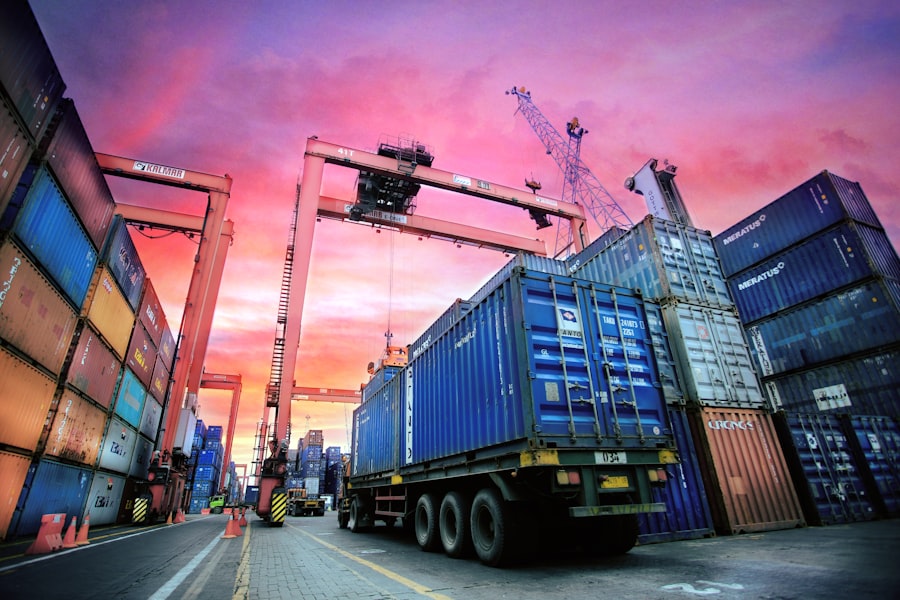
Diversifying carrier partnerships is another effective strategy for mitigating the risks associated with freight rate volatility. Relying on a single carrier can expose businesses to significant risks if that carrier experiences disruptions or raises rates unexpectedly. By establishing relationships with multiple carriers across different modes of transportation—such as trucking, rail, and air—companies can create a more resilient logistics network that is less susceptible to fluctuations in freight rates.
Moreover, diversifying carrier partnerships allows businesses to take advantage of competitive pricing and service offerings. Different carriers may have varying strengths in terms of speed, reliability, and cost-effectiveness, enabling companies to select the best option based on their specific needs at any given time. This flexibility not only helps manage costs but also enhances overall service levels, ensuring that customers receive their products on time despite the challenges posed by volatile freight rates.
Utilizing Freight Forwarding Services
Freight forwarding services play a vital role in helping businesses navigate the complexities of shipping logistics and freight rate volatility. These intermediaries specialize in coordinating the movement of goods across various transportation modes and can provide valuable expertise in managing shipping costs. By partnering with a reputable freight forwarder, companies gain access to a wealth of industry knowledge and resources that can help them optimize their logistics strategies.
Freight forwarders often have established relationships with multiple carriers, allowing them to negotiate competitive rates on behalf of their clients. This not only helps businesses secure better pricing but also provides access to a broader range of shipping options tailored to specific needs. Additionally, freight forwarders can assist with customs clearance and regulatory compliance, further streamlining the shipping process and reducing potential delays caused by bureaucratic hurdles.
Optimizing Transportation Modes and Routes
Optimizing transportation modes and routes is essential for managing freight rate volatility effectively. Different modes of transportation—such as trucking, rail, air, and maritime—offer varying cost structures and transit times. By analyzing the specific needs of their shipments and considering factors such as distance, urgency, and budget constraints, businesses can select the most appropriate mode for each shipment.
Furthermore, route optimization plays a critical role in minimizing transportation costs while ensuring timely deliveries. Advanced routing software can analyze traffic patterns, weather conditions, and other variables to identify the most efficient routes for shipments. By optimizing both transportation modes and routes, companies can reduce their exposure to fluctuating freight rates while enhancing overall supply chain efficiency.
Negotiating with Shippers and Carriers
Effective negotiation with shippers and carriers is a key component of managing freight rate volatility.
By understanding the needs and constraints of both parties, companies can negotiate terms that are fair and beneficial for everyone involved.
Additionally, being well-informed about market conditions and competitor pricing can strengthen a company’s negotiating position. Armed with data on current freight rates and trends, businesses can advocate for more favorable terms while demonstrating their commitment to long-term partnerships with carriers. This collaborative approach not only helps mitigate risks associated with rate fluctuations but also fosters trust and loyalty between shippers and carriers.
Building Resilient Supply Chain Networks
Building resilient supply chain networks is essential for companies seeking to thrive amid freight rate volatility. A resilient supply chain is characterized by its ability to adapt quickly to changing circumstances while maintaining operational efficiency. This involves not only diversifying carrier partnerships but also establishing contingency plans for potential disruptions—such as natural disasters or geopolitical events—that could impact shipping costs.
Moreover, fostering collaboration among supply chain stakeholders is crucial for enhancing resilience. By sharing information and resources with suppliers, carriers, and other partners, companies can create a more cohesive network that is better equipped to respond to challenges posed by fluctuating freight rates. This collaborative approach not only strengthens relationships but also enhances overall supply chain performance.
Adapting to Regulatory Changes and Industry Disruptions
Finally, adapting to regulatory changes and industry disruptions is vital for managing freight rate volatility effectively. The logistics industry is subject to a myriad of regulations that can impact shipping costs and practices—ranging from environmental standards to trade policies. Staying informed about these changes allows businesses to adjust their strategies accordingly and avoid potential penalties or disruptions.
Additionally, being proactive in addressing industry disruptions—such as technological advancements or shifts in consumer behavior—can help companies stay ahead of the curve. By embracing innovation and continuously evaluating their logistics strategies in light of changing regulations and market dynamics, businesses can enhance their resilience against freight rate volatility while positioning themselves for long-term success in an ever-evolving landscape.
Freight rate volatility management is a critical aspect of supply chain logistics, as fluctuations in shipping costs can significantly impact overall operational efficiency.
For more insights, check out this related article: Effective Strategies for Freight Rate Volatility Management.
WATCH THIS! 🚢 The Red Sea is burning. Panama is drying up. And the Drake Passage
FAQs
What is freight rate volatility?
Freight rate volatility refers to the fluctuations and unpredictability in the cost of shipping goods over time. These changes can be influenced by factors such as fuel prices, demand and supply imbalances, geopolitical events, and seasonal trends.
Why is managing freight rate volatility important?
Managing freight rate volatility is crucial for businesses to control shipping costs, maintain budget stability, and avoid unexpected expenses. Effective management helps companies optimize their supply chain and improve overall financial planning.
What are common causes of freight rate volatility?
Common causes include changes in fuel prices, shifts in global trade demand, port congestion, regulatory changes, natural disasters, and geopolitical tensions. These factors can lead to sudden increases or decreases in freight rates.
What strategies can be used to manage freight rate volatility?
Strategies include entering into long-term contracts or fixed-rate agreements, using freight derivatives and hedging instruments, diversifying shipping routes and carriers, and employing advanced analytics for better forecasting.
How do long-term contracts help in managing freight rate volatility?
Long-term contracts lock in freight rates for a specified period, providing cost predictability and protection against sudden market fluctuations. This helps businesses budget more effectively and reduce exposure to price spikes.
What role do freight derivatives play in volatility management?
Freight derivatives are financial instruments that allow companies to hedge against freight rate fluctuations. By using futures, options, or swaps, businesses can offset potential losses caused by adverse rate movements.
Can technology assist in managing freight rate volatility?
Yes, technology such as data analytics, artificial intelligence, and real-time market monitoring tools can help predict rate trends, optimize shipping decisions, and improve risk management related to freight costs.
Is freight rate volatility the same across all shipping modes?
No, volatility can vary between shipping modes such as ocean freight, air freight, rail, and trucking. Ocean freight rates tend to be more volatile due to global trade dynamics, while other modes may experience different patterns of fluctuation.
How does seasonality affect freight rate volatility?
Seasonal demand changes, such as holiday shopping periods or harvest seasons, can cause temporary spikes or drops in freight rates. Understanding these patterns helps businesses plan shipments and manage costs more effectively.
What impact does freight rate volatility have on supply chains?
Volatility can lead to increased transportation costs, delayed shipments, and inventory management challenges. Effective volatility management helps maintain supply chain resilience and ensures timely delivery of goods.