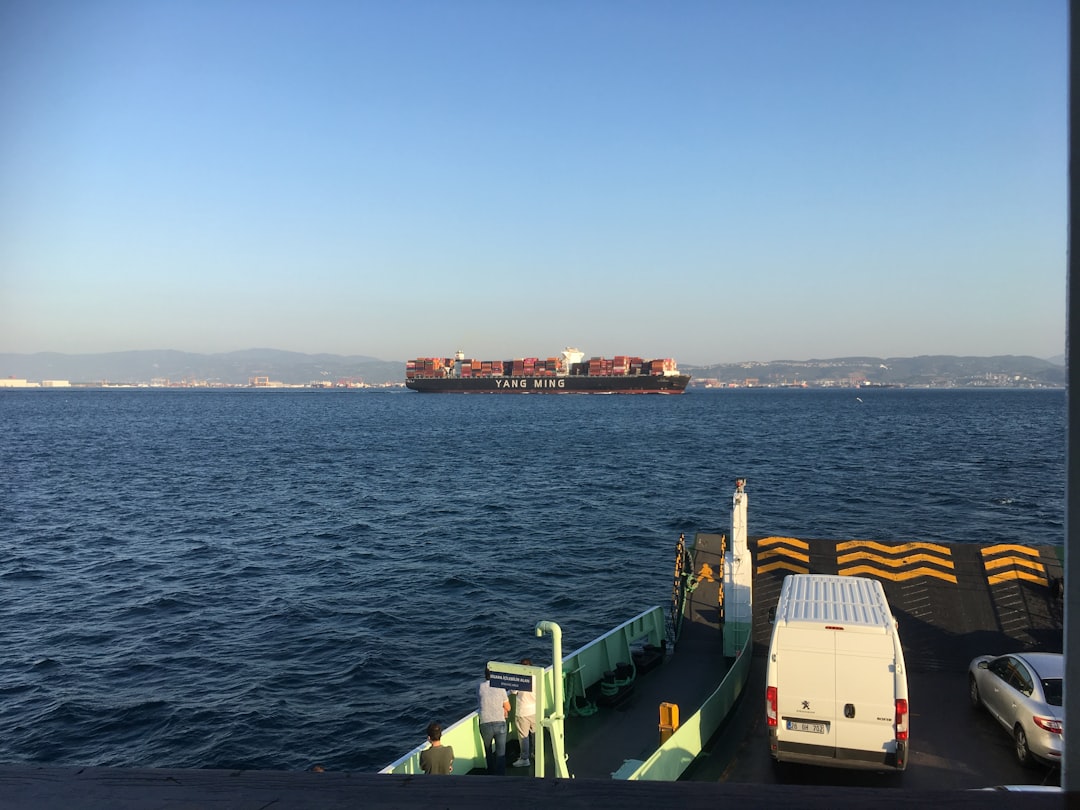
Cargo routing is a fundamental aspect of logistics and supply chain management that involves planning and executing the movement of goods between locations while ensuring timely and cost-effective delivery. The process utilizes multiple transportation modes—road, rail, air, and sea—each offering distinct advantages and presenting specific operational challenges. Mastery of cargo routing principles is essential for businesses seeking to streamline supply chain operations and improve customer satisfaction.
Cargo routing fundamentally requires making strategic decisions about optimal transportation pathways for goods. This demands thorough knowledge of transportation networks, including infrastructure capabilities, regulatory requirements, and potential transit disruptions. Proficient cargo routing minimizes delivery delays and reduces expenses related to transportation, warehousing, and material handling.
As international commerce expands, efficient cargo routing has become increasingly vital, enabling businesses to remain competitive and fulfill market demands effectively.
Key Takeaways
- Effective cargo routing requires understanding multiple factors including cost, speed, and security.
- Technology and real-time tracking enhance efficiency and transparency in cargo movement.
- Sustainable and cost-effective strategies are essential for modern cargo routing practices.
- International cargo routing demands careful consideration of regulations and cross-border challenges.
- Continuous evaluation and collaboration improve routing strategies and address emerging issues.
Factors Affecting Cargo Routing Decisions
Several factors influence cargo routing decisions, each playing a pivotal role in determining the most efficient and effective routes for transporting goods. One of the primary considerations is the nature of the cargo itself. Different types of goods have varying requirements in terms of handling, storage, and transportation conditions.
For instance, perishable items necessitate faster transit times and specific temperature controls, while bulky or heavy items may require specialized equipment for loading and unloading. Another significant factor is the geographical location of both the origin and destination points. The distance between these locations can greatly impact routing decisions, as longer distances may necessitate different modes of transport or additional stops along the way.
Additionally, regional regulations, customs procedures, and trade agreements can complicate routing choices, particularly in international shipping scenarios. Understanding these factors allows logistics professionals to devise strategies that align with both operational capabilities and customer expectations. The treacherous waters of the Drake Passage are known for their unpredictable weather and challenging navigation.
Utilizing Technology for Efficient Cargo Routing
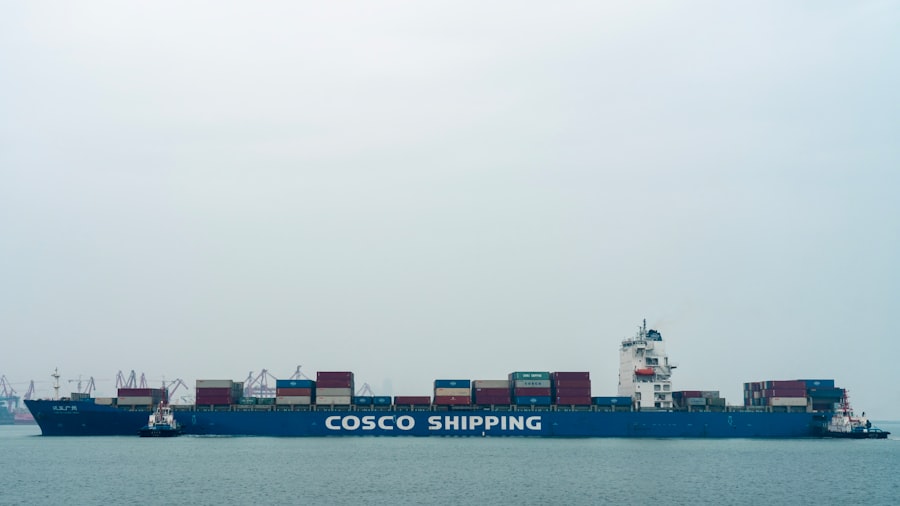
In today’s fast-paced logistics environment, technology plays a crucial role in enhancing cargo routing efficiency. Advanced software solutions and algorithms are now available to assist logistics managers in analyzing vast amounts of data to determine optimal routes. These tools can take into account various parameters such as traffic conditions, weather forecasts, and historical performance metrics to suggest the most efficient paths for cargo movement.
Moreover, technologies like artificial intelligence (AI) and machine learning are revolutionizing cargo routing by enabling predictive analytics. By analyzing past shipping patterns and current market trends, these technologies can forecast potential disruptions and suggest alternative routes proactively. This not only streamlines operations but also enhances overall supply chain resilience, allowing businesses to adapt quickly to changing circumstances.
Importance of Real-time Tracking and Monitoring
Real-time tracking and monitoring have become indispensable in modern cargo routing practices. The ability to track shipments at every stage of their journey provides logistics managers with valuable insights into the status of their cargo. This transparency allows for better decision-making and enables companies to respond swiftly to any issues that may arise during transit.
Furthermore, real-time tracking enhances customer satisfaction by providing clients with accurate updates on their shipments. Customers today expect timely information regarding their orders, and being able to offer this level of service can significantly improve a company’s reputation. Additionally, real-time data can help identify inefficiencies in the routing process, allowing businesses to make necessary adjustments to improve future operations.
Strategies for Cost-effective Cargo Routing
| Metric | Description | Unit | Typical Range | Importance |
|---|---|---|---|---|
| Transit Time | Time taken for cargo to move from origin to destination | Hours/Days | 12 – 72 hours | High |
| Cost per Shipment | Expense incurred for routing a single cargo shipment | Currency units | Varies by distance and mode | High |
| On-Time Delivery Rate | Percentage of shipments delivered on or before scheduled time | Percentage (%) | 85% – 99% | High |
| Route Utilization | Percentage of cargo capacity used on a given route | Percentage (%) | 60% – 95% | Medium |
| Fuel Consumption | Amount of fuel used per route | Liters/Gallons | Varies by distance and vehicle | Medium |
| Number of Transfers | Count of cargo handoffs between different transport modes or carriers | Count | 0 – 3 | Medium |
| Carbon Emissions | Estimated CO2 emissions per shipment | Kg CO2 | Varies by mode and distance | Medium |
| Delay Frequency | Number of delays encountered per 100 shipments | Count | 0 – 15 | High |
Cost-effectiveness is a primary concern for businesses engaged in cargo routing. To achieve this goal, logistics managers must employ various strategies that balance operational efficiency with budget constraints. One effective approach is consolidating shipments whenever possible.
By combining multiple orders into a single shipment, companies can reduce transportation costs and minimize the environmental impact associated with multiple trips. Another strategy involves negotiating favorable contracts with carriers and service providers. Building strong relationships with transportation partners can lead to better rates and more flexible service options.
Additionally, utilizing freight forwarders can provide access to a broader network of carriers and shipping options, further enhancing cost-effectiveness in cargo routing decisions.
Considerations for International Cargo Routing

International cargo routing presents unique challenges that require careful consideration. One of the foremost concerns is navigating complex customs regulations and documentation requirements in different countries. Each nation has its own set of rules governing imports and exports, which can lead to delays if not properly managed.
Logistics professionals must stay informed about these regulations to ensure compliance and avoid costly penalties. Additionally, geopolitical factors can significantly impact international cargo routing decisions. Trade agreements, tariffs, and political stability in various regions can influence shipping costs and routes.
Companies must remain agile and adaptable in their approach to international logistics, continuously assessing the global landscape to make informed routing choices that align with their business objectives.
Balancing Speed and Cost in Cargo Routing
In the realm of cargo routing, striking a balance between speed and cost is often a challenging endeavor. While faster shipping options may enhance customer satisfaction by ensuring timely deliveries, they often come at a premium price. Conversely, opting for slower shipping methods can reduce costs but may lead to dissatisfied customers if their expectations are not managed effectively.
To navigate this dilemma, logistics managers must carefully evaluate their target market’s preferences and needs. For instance, businesses serving industries where time is critical—such as e-commerce or pharmaceuticals—may prioritize speed over cost to maintain a competitive edge. On the other hand, companies operating in less time-sensitive sectors may find that cost savings are more beneficial in the long run.
Implementing Sustainable Practices in Cargo Routing
As environmental concerns continue to rise, implementing sustainable practices in cargo routing has become increasingly important for businesses. Companies are now recognizing that adopting eco-friendly strategies not only benefits the planet but can also enhance their brand image and appeal to environmentally conscious consumers. One effective approach is optimizing routes to minimize fuel consumption and emissions.
This can be achieved through advanced route planning software that identifies the most efficient paths based on real-time data. Additionally, investing in greener transportation options—such as electric vehicles or alternative fuels—can further reduce a company’s carbon footprint while demonstrating a commitment to sustainability.
Addressing Security Concerns in Cargo Routing
Security is a paramount concern in cargo routing, particularly when dealing with high-value or sensitive goods. The risk of theft or damage during transit necessitates robust security measures throughout the shipping process.
Moreover, collaboration with law enforcement agencies and industry organizations can enhance security efforts by sharing information about potential threats or vulnerabilities within the supply chain.
Collaboration and Communication in Cargo Routing
Effective collaboration and communication among all stakeholders involved in cargo routing are essential for success. This includes not only logistics managers but also carriers, suppliers, customs officials, and customers. Establishing clear lines of communication ensures that everyone is on the same page regarding shipment status, potential delays, or changes in routing plans.
Utilizing collaborative platforms that facilitate real-time information sharing can significantly enhance coordination among stakeholders. These tools allow for seamless communication and enable quick decision-making when unexpected challenges arise during transit. By fostering a culture of collaboration within the supply chain, companies can improve overall efficiency and responsiveness in their cargo routing operations.
Evaluating and Adjusting Cargo Routing Strategies
The dynamic nature of logistics necessitates continuous evaluation and adjustment of cargo routing strategies. Regularly assessing performance metrics—such as delivery times, costs, and customer feedback—can provide valuable insights into areas for improvement. By analyzing this data, logistics managers can identify trends or patterns that may indicate inefficiencies or opportunities for optimization.
Moreover, staying informed about industry developments and emerging technologies is crucial for maintaining a competitive edge in cargo routing practices. As new tools and methodologies become available, companies should be willing to adapt their strategies accordingly to leverage these advancements fully. By fostering a culture of continuous improvement within their organizations, businesses can ensure that their cargo routing practices remain effective and aligned with evolving market demands.
In conclusion, effective cargo routing is a multifaceted process influenced by various factors ranging from technology utilization to sustainability considerations. By understanding these elements and implementing strategic approaches tailored to their unique needs, businesses can optimize their logistics operations while enhancing customer satisfaction and maintaining competitiveness in an ever-evolving marketplace.
In the realm of cargo routing decision-making, understanding the intricacies of logistics and supply chain management is crucial. A related article that delves into these topics can be found at Real Lore and Order, where various strategies and technologies are discussed to optimize cargo routing and improve efficiency in transportation networks. This resource provides valuable insights for professionals looking to enhance their decision-making processes in the logistics sector.
WATCH THIS! 🚢 The Red Sea is burning. Panama is drying up. And the Drake Passage
FAQs
What is cargo routing decision making?
Cargo routing decision making refers to the process of determining the most efficient and cost-effective paths for transporting goods from their origin to their destination. This involves selecting routes, modes of transportation, and schedules to optimize delivery times and reduce expenses.
Why is cargo routing decision making important?
Effective cargo routing decision making is crucial for minimizing transportation costs, improving delivery speed, enhancing customer satisfaction, and optimizing supply chain operations. It helps businesses manage resources efficiently and respond to changing market demands.
What factors influence cargo routing decisions?
Several factors influence cargo routing decisions, including transportation costs, delivery time requirements, cargo type and volume, route availability, infrastructure quality, regulatory constraints, and environmental considerations.
What methods are used in cargo routing decision making?
Common methods include mathematical optimization models, heuristic algorithms, simulation techniques, and decision support systems. These tools help analyze complex variables and identify optimal or near-optimal routing solutions.
How does technology impact cargo routing decision making?
Technology such as GPS tracking, real-time data analytics, artificial intelligence, and transportation management systems enhances cargo routing by providing accurate information, enabling dynamic route adjustments, and improving overall decision accuracy.
What challenges are associated with cargo routing decision making?
Challenges include dealing with uncertain factors like traffic conditions, weather disruptions, fluctuating fuel prices, regulatory changes, and the complexity of coordinating multiple transportation modes and stakeholders.
Can cargo routing decision making improve sustainability?
Yes, by optimizing routes and transportation modes, cargo routing decision making can reduce fuel consumption, lower greenhouse gas emissions, and promote environmentally friendly logistics practices.
Who typically makes cargo routing decisions?
Cargo routing decisions are usually made by logistics managers, supply chain planners, transportation coordinators, or specialized software systems within companies involved in shipping and distribution.
Is cargo routing decision making relevant for all types of cargo?
Yes, cargo routing decision making is relevant for various types of cargo, including perishable goods, hazardous materials, bulk commodities, and general freight, each requiring specific considerations in routing.