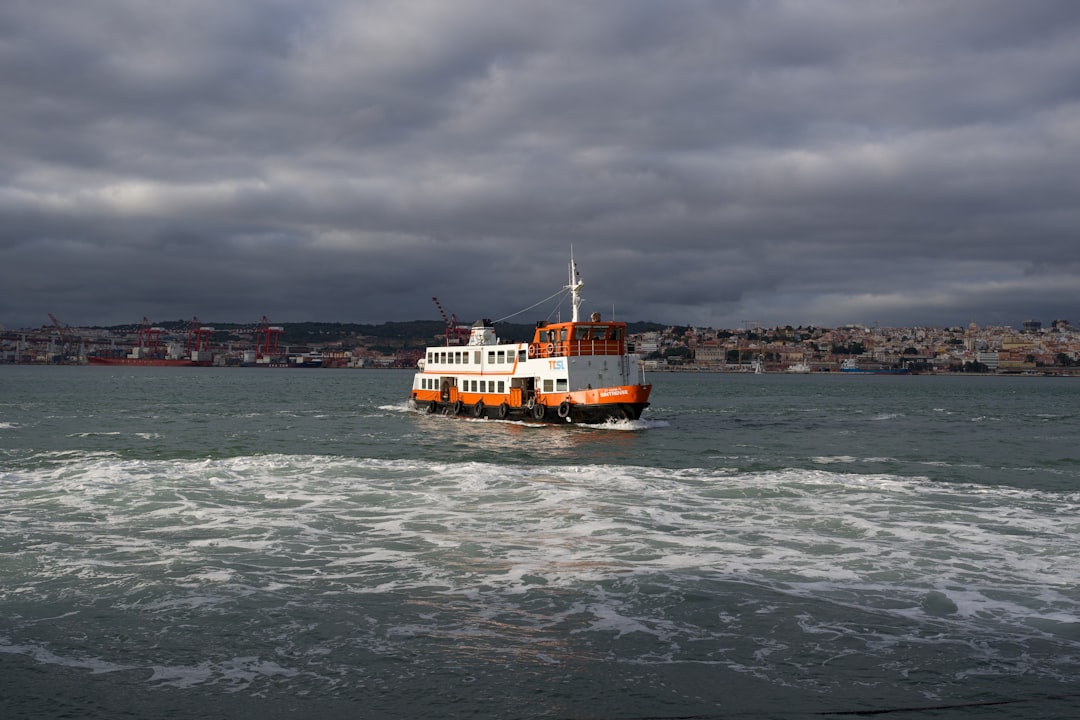
Icebreaker fleet operations are fundamental to polar exploration, providing essential support for scientific research and logistics in Earth’s most extreme environments. These specialized vessels are engineered to traverse thick sea ice, enabling researchers and explorers to reach isolated regions that would otherwise be inaccessible. Beyond transportation, icebreakers support critical investigations into climate change, marine biology, and glaciology, generating data that contributes to global understanding of environmental conditions and trends.
Icebreakers are vital for sustaining supply chains to research stations and enabling international partnerships in polar regions. Their operations allow scientists to conduct experiments and collect data throughout the year, including during severe winter conditions. The capacity to penetrate ice increases research mission efficiency and demonstrates the importance of these vessels in promoting international cooperation for advancing knowledge of polar environments.
The treacherous waters of the Drake Passage are known for their unpredictable weather and challenging navigation.
Key Takeaways
- Icebreaker fleets are crucial for enabling safe navigation and exploration in harsh polar environments.
- They play a key role in opening and maintaining shipping routes through ice-covered polar waters.
- Technological advancements have improved icebreaker design, enhancing their efficiency and operational capabilities.
- Icebreaker operations support vital climate research by providing access to remote polar areas.
- Collaborative international efforts and strict safety protocols are essential for successful and sustainable icebreaker missions.
The Role of Icebreakers in Opening Up Shipping Routes in the Polar Regions
In recent years, icebreakers have gained prominence for their role in opening up new shipping routes in the polar regions, particularly as climate change continues to alter ice patterns. The melting of Arctic ice has led to the emergence of previously inaccessible waterways, such as the Northern Sea Route and the Northwest Passage. Icebreakers are instrumental in ensuring safe passage for commercial vessels through these routes, which significantly reduce travel time between major markets in Europe and Asia.
The economic implications of these newly accessible shipping lanes are profound. By facilitating maritime trade through the Arctic, icebreakers contribute to a shift in global shipping dynamics, potentially leading to lower transportation costs and increased trade volumes. However, this newfound accessibility also raises concerns about environmental impacts and the need for sustainable practices in polar navigation.
As shipping traffic increases, the role of icebreakers will be pivotal in balancing economic interests with ecological preservation.
Challenges Faced by Icebreaker Fleet Operations in Extreme Polar Environments
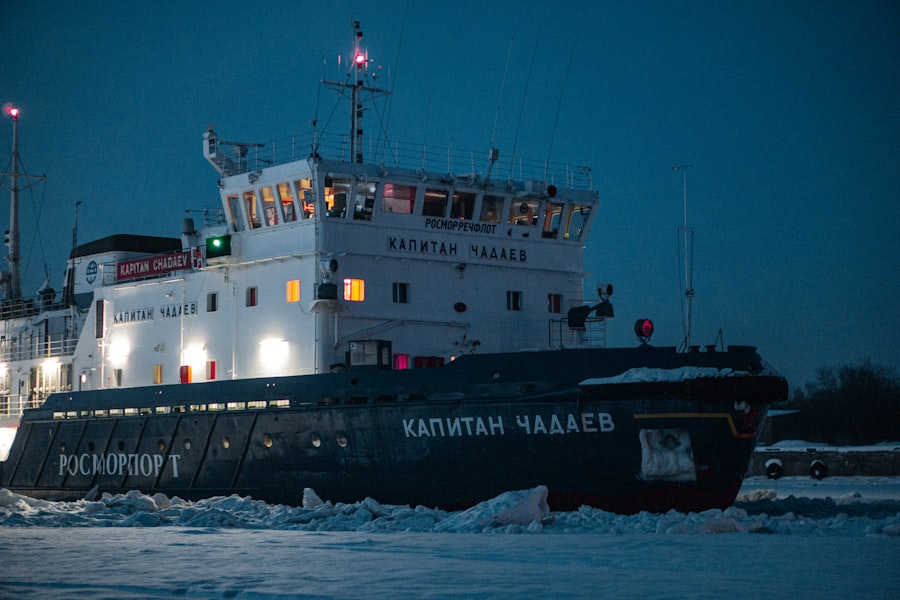
Operating icebreakers in extreme polar environments presents a unique set of challenges that require specialized knowledge and equipment. The harsh weather conditions, including severe cold, high winds, and unpredictable ice formations, can pose significant risks to both crew and vessel. Navigating through thick ice requires not only advanced technology but also skilled personnel who can make quick decisions in rapidly changing situations.
Additionally, logistical challenges abound when it comes to maintaining and resupplying icebreaker fleets. The remoteness of polar regions means that access to repair facilities and spare parts is limited, necessitating careful planning and preparation before missions commence. Furthermore, the psychological toll on crew members who spend extended periods in isolation cannot be overlooked; ensuring their well-being is essential for safe and effective operations.
Advancements in Icebreaker Technology and Design
The field of icebreaker technology has seen remarkable advancements over recent years, driven by the need for more efficient and capable vessels. Modern icebreakers are equipped with cutting-edge navigation systems, enhanced hull designs, and powerful engines that allow them to break through thicker ice with greater ease. Innovations such as double-hulled designs and improved propulsion systems have significantly increased their operational capabilities while also enhancing safety features.
Moreover, advancements in automation and remote monitoring technologies have transformed how icebreakers operate. These innovations enable real-time data collection and analysis, allowing crews to make informed decisions based on current conditions. As research into sustainable energy sources continues, there is also a growing interest in developing hybrid or fully electric icebreakers that could reduce the environmental footprint of these essential vessels.
The Impact of Icebreaker Fleet Operations on Climate Research in the Polar Regions
| Metric | Value | Unit | Notes |
|---|---|---|---|
| Number of Active Polar Icebreakers | 45 | Vessels | Global fleet including government and commercial |
| Average Icebreaking Thickness | 1.5 | meters | Maximum ice thickness routinely broken |
| Annual Operational Days | 200 | Days | Average per vessel per year |
| Fuel Consumption per Day | 30 | Metric Tons | Average for heavy icebreaking operations |
| Average Speed in Ice | 5 | knots | Speed while breaking ice |
| Typical Crew Size | 50 | Personnel | Includes officers and support staff |
| Annual Distance Covered | 15,000 | nautical miles | Per vessel average |
| Primary Operational Regions | Arctic, Antarctic | Regions | Polar regions served |
Icebreaker fleet operations have a profound impact on climate research in polar regions, serving as mobile laboratories that facilitate critical scientific investigations. By providing access to remote areas, icebreakers enable researchers to study glacial dynamics, oceanographic conditions, and atmospheric changes that are vital for understanding global climate patterns. The data collected during these missions contributes to climate models that predict future changes and inform policy decisions worldwide.
Furthermore, icebreakers often host multidisciplinary teams of scientists from various fields, fostering collaboration that enhances the quality and scope of research conducted in polar environments. This collaborative approach not only enriches scientific inquiry but also promotes a shared understanding of the challenges posed by climate change. As such, icebreaker operations are integral to advancing knowledge that can help mitigate the impacts of global warming.
Training and Safety Protocols for Icebreaker Crews in Polar Environments
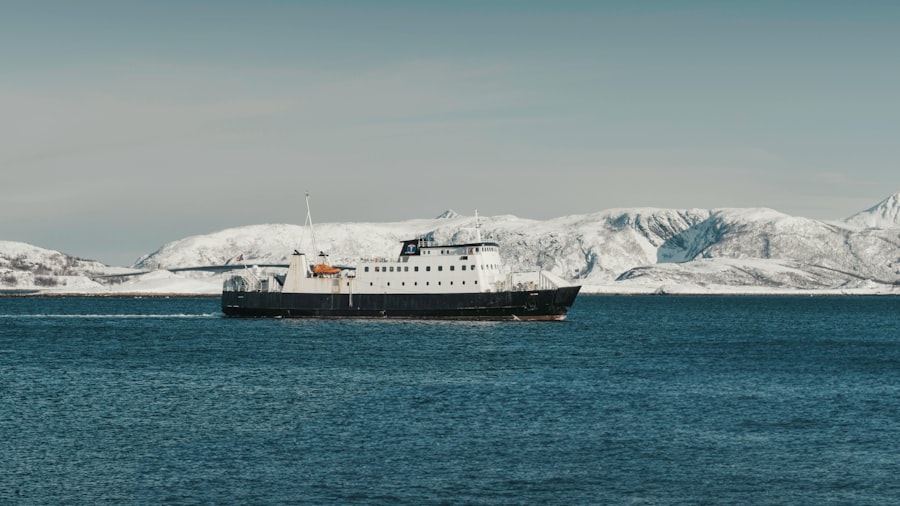
The safety of crew members aboard icebreakers is paramount, necessitating rigorous training programs tailored to the unique challenges of polar operations. Crews undergo extensive training that includes survival skills, emergency response procedures, and specialized navigation techniques for icy waters.
In addition to technical training, there is a strong emphasis on fostering a culture of safety aboard icebreakers. Regular drills and safety briefings are conducted to keep crew members informed about protocols and best practices. The psychological well-being of crew members is also prioritized, with support systems in place to address the mental health challenges associated with long deployments in isolated environments.
Collaborative Efforts in Icebreaker Fleet Operations among Polar-Adjacent Countries
Collaboration among polar-adjacent countries is vital for effective icebreaker fleet operations, as many nations share interests in the Arctic and Antarctic regions. Joint initiatives often focus on research projects, environmental monitoring, and search-and-rescue operations, highlighting the importance of cooperation in addressing common challenges. These collaborative efforts not only enhance operational efficiency but also promote diplomatic relations among nations with vested interests in polar affairs.
International agreements such as the Arctic Council provide frameworks for cooperation among Arctic states, facilitating discussions on issues related to shipping routes, environmental protection, and scientific research. By working together, countries can leverage their respective strengths and resources to ensure safe and sustainable operations in polar regions while fostering a spirit of unity in addressing global challenges.
The Economic and Geopolitical Implications of Icebreaker Fleet Operations in the Polar Regions
The economic and geopolitical implications of icebreaker fleet operations are significant as nations vie for influence over newly accessible polar regions. The potential for resource extraction—such as oil, gas, and minerals—has heightened competition among Arctic nations, making icebreakers critical assets for asserting territorial claims and securing economic interests. As shipping routes open up due to climate change, control over these pathways becomes increasingly important for global trade dynamics.
Moreover, the presence of icebreakers can serve as a symbol of national commitment to polar governance and environmental stewardship. Countries investing in advanced icebreaker fleets signal their readiness to engage with international partners while also protecting their interests in a rapidly changing geopolitical landscape. This interplay between economic ambitions and environmental responsibilities underscores the complex nature of polar affairs.
The Future of Icebreaker Fleet Operations: Innovations and Expansion
Looking ahead, the future of icebreaker fleet operations appears poised for innovation and expansion as technological advancements continue to reshape maritime capabilities. The development of autonomous icebreakers is on the horizon, with research focused on creating vessels that can operate independently in icy waters while collecting data and performing tasks without direct human intervention. Such innovations could revolutionize how polar exploration is conducted.
Additionally, as global interest in the Arctic grows, there is likely to be an increase in investment toward expanding existing fleets or constructing new vessels designed specifically for polar operations. This expansion will not only enhance research capabilities but also ensure that nations are prepared to respond to emerging challenges associated with increased shipping traffic and environmental changes.
Environmental Considerations in Icebreaker Fleet Operations
Environmental considerations are paramount when it comes to icebreaker fleet operations, particularly given the fragile ecosystems present in polar regions. As shipping traffic increases due to melting ice, there is a pressing need for sustainable practices that minimize ecological impacts. This includes implementing measures to reduce emissions from vessels and adopting technologies that limit disturbances to marine life.
Furthermore, regulatory frameworks must evolve to address the unique challenges posed by increased human activity in polar environments. International agreements should prioritize environmental protection while balancing economic interests, ensuring that icebreaker operations do not compromise the integrity of these sensitive ecosystems.
The Role of Icebreakers in Supporting Scientific Research and Exploration in the Polar Regions
Icebreakers serve as vital platforms for scientific research and exploration in polar regions, enabling researchers to conduct studies that would otherwise be impossible due to harsh conditions. These vessels provide essential logistical support for fieldwork, transporting scientists and equipment to remote locations where they can gather data on climate change impacts, biodiversity, and glacial movements. In addition to facilitating research missions, icebreakers often host onboard laboratories equipped with advanced technology for real-time analysis.
This capability allows scientists to process samples immediately upon collection, enhancing the quality of research outcomes. As such, icebreakers are not merely transportation vessels; they are integral components of the scientific community’s efforts to understand and protect our planet’s polar regions.
The operations of the Polar icebreaker fleet are crucial for maintaining navigable waterways in the Arctic and Antarctic regions, especially as climate change continues to alter ice patterns. For a deeper understanding of the strategic importance and challenges faced by these vessels, you can read more in this related article on the topic: Polar Icebreaker Fleet Operations.
WATCH THIS! 🚢 The Red Sea is burning. Panama is drying up. And the Drake Passage
FAQs
What is a polar icebreaker?
A polar icebreaker is a specialized ship designed to navigate through ice-covered waters in polar regions. These vessels have reinforced hulls, powerful engines, and unique hull shapes to break and clear paths through sea ice.
Why are polar icebreakers important?
Polar icebreakers are essential for maintaining year-round access to polar regions for scientific research, supply missions, search and rescue operations, and national security. They enable safe navigation in ice-covered waters where conventional ships cannot operate.
What are the main operations of a polar icebreaker fleet?
The main operations include escorting commercial and research vessels through ice-covered waters, conducting scientific research missions, resupplying remote polar stations, performing search and rescue tasks, and supporting environmental monitoring and resource exploration.
Which countries operate polar icebreaker fleets?
Countries with significant polar interests such as Russia, the United States, Canada, Finland, Sweden, and China operate polar icebreaker fleets. Russia has the largest and most powerful fleet, while other nations maintain smaller fleets for regional operations.
How are polar icebreakers powered?
Polar icebreakers are typically powered by diesel-electric engines, nuclear reactors, or a combination of both. Nuclear-powered icebreakers offer extended range and endurance, especially useful in the Arctic, while diesel-electric vessels are more common in the Antarctic.
What challenges do polar icebreaker fleets face?
Challenges include extreme weather conditions, thick and unpredictable sea ice, high operational costs, environmental concerns, and the need for specialized crew training. Additionally, geopolitical tensions in polar regions can impact fleet operations.
How do polar icebreakers contribute to scientific research?
Polar icebreakers provide platforms for oceanographic, atmospheric, and climate research by transporting scientists and equipment to remote polar areas. They enable year-round data collection and facilitate studies on ice dynamics, marine ecosystems, and climate change.
What is the future outlook for polar icebreaker fleets?
The future outlook includes modernization and expansion of fleets to meet increasing demand for polar access due to climate change, resource exploration, and geopolitical interests. Advances in technology aim to improve icebreaking capabilities, fuel efficiency, and environmental sustainability.