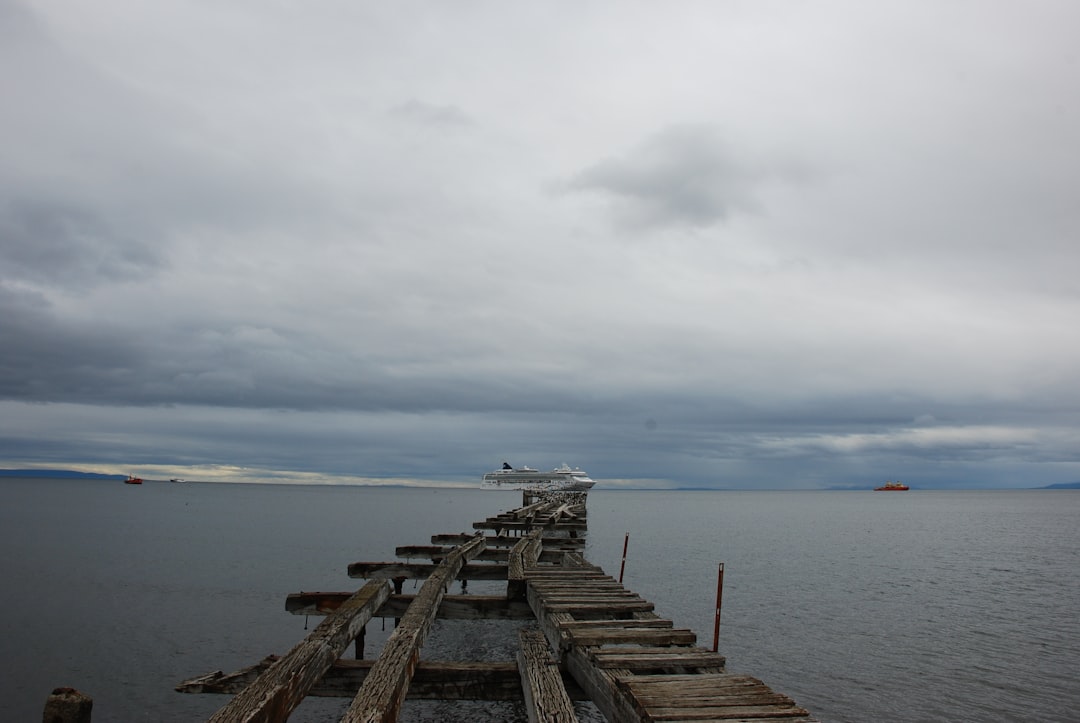
Punta Arenas is a city in southern Chile that functions as a major port and gateway to Antarctica and the Magellan Strait. Founded in 1848, the city has developed from a small settlement into a significant urban center with a mixed European and indigenous cultural heritage. The city’s geography features rugged coastlines and mountain ranges that characterize the region.
As one of the few regional ports capable of handling large vessels, it serves as a critical junction for trade and transportation between South America and other continents. The city’s location provides access to Antarctic waters and positions it as a key node in international shipping routes.
This strategic position makes Punta Arenas essential for both regional and global trade operations.
Key Takeaways
- Punta Arenas is a key port city with a rich history and strategic location for shipping.
- Efficient shipping infrastructure is crucial for the economic growth of Punta Arenas.
- The Port of Punta Arenas has undergone significant improvements, including modernization and automation.
- Environmental sustainability and international collaboration are important focuses in the port’s operations.
- Future expansion plans aim to enhance capacity and maintain Punta Arenas’ competitive edge in global shipping.
Importance of Efficient Shipping Infrastructure
Efficient shipping infrastructure is the backbone of any thriving maritime economy, and Punta Arenas is no exception. The effectiveness of port operations directly influences trade volumes, shipping costs, and overall economic growth. A well-developed shipping infrastructure ensures that goods can be transported swiftly and reliably, reducing delays and enhancing the competitiveness of local businesses.
In a globalized economy where time is often equated with money, the efficiency of shipping operations can make or break a company’s success. Moreover, efficient shipping infrastructure contributes to job creation and economic stability within the region. As trade increases due to improved shipping capabilities, so does the demand for labor in various sectors, including logistics, warehousing, and transportation services.
This ripple effect not only bolsters the local economy but also enhances the quality of life for residents by providing them with more employment opportunities. Thus, investing in shipping infrastructure is not merely an operational necessity; it is a strategic imperative that can lead to sustainable economic development. The treacherous waters of the Drake Passage are known for their unpredictable weather and challenging navigation.
Port of Punta Arenas: Overview and History
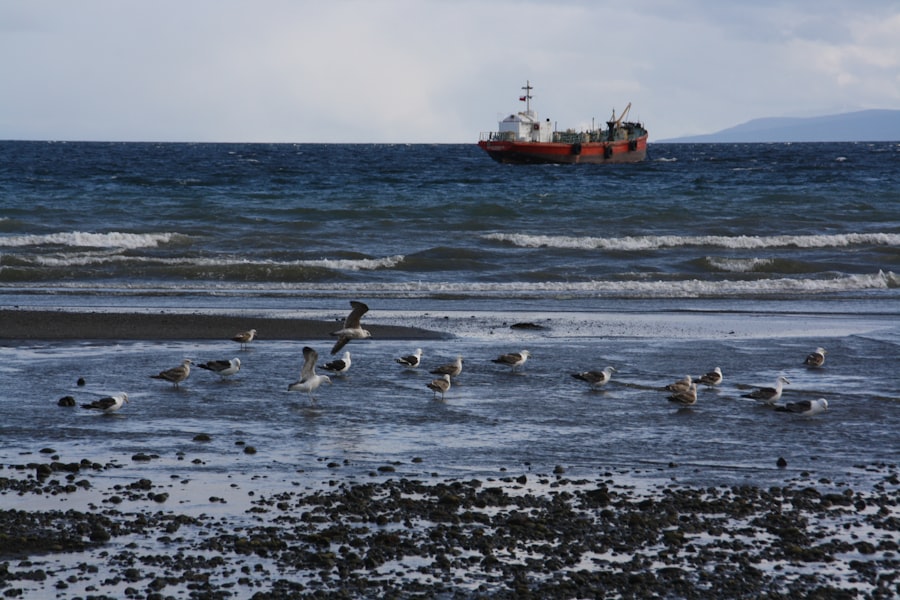
The Port of Punta Arenas has a storied history that reflects the evolution of maritime trade in the region. Established in the mid-19th century, the port was initially developed to support the growing needs of settlers and traders navigating the treacherous waters of the Magellan Strait. Over the years, it has expanded significantly, adapting to the changing demands of global trade and maritime technology.
The port’s historical significance is underscored by its role as a refueling station for ships en route to Antarctica, making it an essential stop for expeditions and research missions. Today, the Port of Punta Arenas stands as a modern facility equipped to handle various types of cargo, including bulk goods, containers, and specialized shipments. Its strategic location allows it to serve not only local markets but also international shipping routes that connect South America with other continents.
The port’s development has been marked by numerous upgrades and expansions aimed at enhancing its capacity and efficiency. As a result, it has become a vital asset for both Chilean commerce and international trade networks.
Role of Shipping in Punta Arenas’ Economy
Shipping plays an integral role in shaping the economy of Punta Arenas. The port serves as a lifeline for local businesses, facilitating the import and export of goods that are essential for daily life and economic activity. From agricultural products to manufactured goods, the shipping industry enables access to a wide range of resources that support both local consumption and export markets.
This connectivity is particularly important for a city like Punta Arenas, which relies heavily on maritime trade due to its geographical isolation. Furthermore, the shipping industry contributes significantly to job creation in Punta Arenas. The port’s operations require a diverse workforce, including dockworkers, logistics coordinators, customs officials, and administrative staff.
As trade volumes increase, so does the demand for skilled labor in these areas. This not only provides employment opportunities for residents but also fosters economic diversification by encouraging the growth of related industries such as tourism and hospitality. Thus, shipping is not merely an economic activity; it is a catalyst for broader economic development in Punta Arenas.
Challenges in Shipping Infrastructure
| Metric | Value | Unit | Notes |
|---|---|---|---|
| Port Name | Punta Arenas Port | – | Main port serving the city and region |
| Number of Berths | 4 | berths | Accommodates cargo and passenger vessels |
| Maximum Vessel Length | 200 | meters | Maximum length of ships that can dock |
| Annual Cargo Throughput | 500,000 | tons | Approximate annual cargo volume |
| Container Handling Capacity | 20,000 | TEU (twenty-foot equivalent units) | Annual container throughput |
| Storage Area | 15,000 | square meters | Warehouse and open storage space |
| Primary Cargo Types | Fishery products, timber, general cargo | – | Main commodities handled |
| Access to Rail | No | – | Currently no direct rail connection |
| Access to Road Network | Yes | – | Connected to regional highways |
| Port Depth | 10 | meters | Depth at berth for vessel draft |
Despite its strategic advantages, Punta Arenas faces several challenges related to its shipping infrastructure. One significant issue is the aging facilities at the port, which may struggle to accommodate larger vessels that are increasingly common in global shipping. As maritime technology advances and ships grow in size, ports must adapt to these changes or risk losing competitiveness.
The need for modernization is urgent; without significant investment in infrastructure upgrades, Punta Arenas could find itself at a disadvantage compared to other ports in the region. Additionally, environmental factors pose challenges to shipping operations in Punta Arenas. The region’s harsh weather conditions can disrupt port activities and impact shipping schedules.
Frequent storms and unpredictable weather patterns may lead to delays or even cancellations of shipments, affecting trade reliability. Addressing these challenges requires not only investment in physical infrastructure but also innovative solutions that enhance resilience against environmental disruptions.
Improvements in Port Facilities
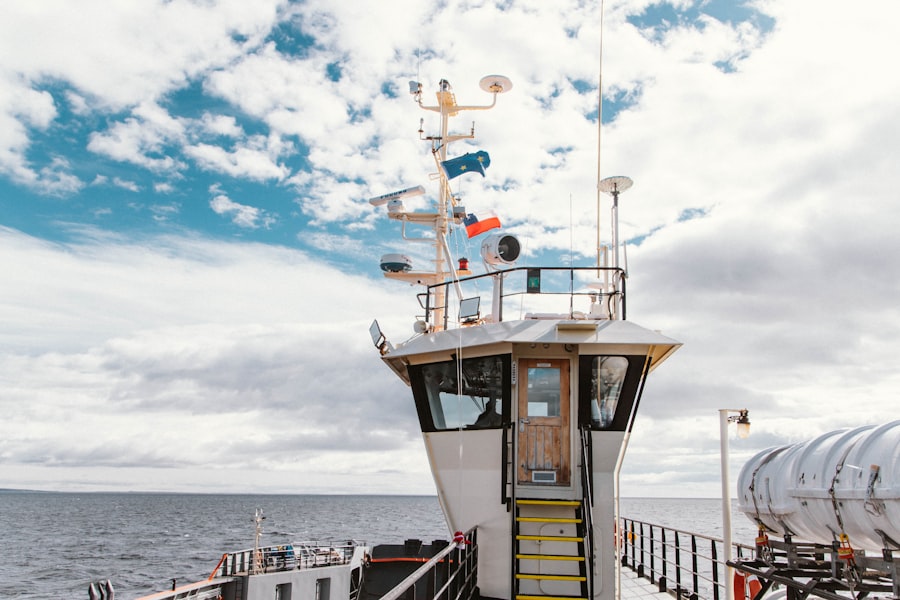
Recognizing the importance of modernizing its shipping infrastructure, Punta Arenas has embarked on several initiatives aimed at improving port facilities. Recent investments have focused on expanding cargo handling capabilities and enhancing logistical efficiency. Upgrades to loading and unloading equipment have been implemented to streamline operations and reduce turnaround times for vessels.
These improvements are essential for maintaining competitiveness in an increasingly globalized market where efficiency is paramount. Moreover, efforts have been made to enhance safety protocols within the port area. As shipping activities increase, so does the need for stringent safety measures to protect workers and cargo alike.
The implementation of advanced monitoring systems and training programs for personnel has become a priority to ensure compliance with international safety standards. These enhancements not only improve operational efficiency but also foster a culture of safety that benefits all stakeholders involved in port activities.
Technology and Automation in Shipping Operations
The integration of technology and automation into shipping operations has revolutionized how ports function worldwide, including Punta Arenas. The adoption of advanced technologies such as automated cranes and digital tracking systems has significantly improved efficiency in cargo handling processes. These innovations allow for real-time monitoring of shipments, reducing delays and enhancing transparency throughout the supply chain.
Furthermore, automation has the potential to address labor shortages that may arise due to increased demand for shipping services. By streamlining operations through technology, ports can maintain productivity levels even with limited human resources. This shift towards automation not only enhances operational efficiency but also positions Punta Arenas as a forward-thinking port capable of adapting to future challenges in the shipping industry.
Environmental Considerations in Shipping
As global awareness of environmental issues grows, so too does the need for sustainable practices within the shipping industry. Punta Arenas is no exception; there is an increasing emphasis on minimizing the environmental impact of port operations. Initiatives aimed at reducing emissions from vessels and implementing eco-friendly practices within port facilities are gaining traction.
This includes promoting the use of cleaner fuels and investing in renewable energy sources to power port operations. Additionally, efforts are being made to protect local marine ecosystems from potential harm caused by shipping activities. Implementing stricter regulations on waste disposal and encouraging responsible practices among shipping companies are crucial steps toward achieving sustainability goals.
By prioritizing environmental considerations, Punta Arenas can position itself as a leader in responsible maritime practices while ensuring that its natural resources are preserved for future generations.
Collaboration with International Shipping Companies
Collaboration with international shipping companies is vital for enhancing the competitiveness of Punta Arenas as a maritime hub. By forging partnerships with established global players in the shipping industry, local authorities can leverage expertise and resources that contribute to improving port operations. These collaborations can lead to shared investments in infrastructure development and technology adoption, ultimately benefiting all parties involved.
Moreover, engaging with international shipping companies opens up new opportunities for trade routes and market access. By establishing connections with major players in global logistics networks, Punta Arenas can attract more business opportunities that drive economic growth. This collaborative approach not only strengthens the local economy but also enhances the city’s reputation as a reliable partner in international trade.
Future Developments and Expansion Plans
Looking ahead, Punta Arenas has ambitious plans for future developments aimed at expanding its shipping capabilities. Authorities are exploring options for further investments in port infrastructure to accommodate larger vessels and increase cargo handling capacity. These expansion plans are driven by projections indicating continued growth in maritime trade within the region.
Additionally, there is a focus on enhancing connectivity between Punta Arenas and other key markets through improved transportation links. Upgrading road networks and developing rail connections can facilitate smoother logistics operations, making it easier for goods to move between the port and inland destinations. By prioritizing these developments, Punta Arenas aims to solidify its position as a leading maritime hub in South America.
The Impact of Efficient Shipping Infrastructure
In conclusion, efficient shipping infrastructure is paramount for the continued growth and prosperity of Punta Arenas. As a vital gateway for trade between South America and international markets, the port’s capabilities directly influence economic development within the region. By investing in modernization efforts, embracing technological advancements, and prioritizing sustainability practices, Punta Arenas can enhance its competitiveness on a global scale.
The collaborative efforts between local authorities and international shipping companies further underscore the importance of strategic partnerships in achieving these goals. As Punta Arenas looks toward future developments and expansion plans, it remains committed to fostering an environment conducive to efficient maritime operations that benefit both local communities and global trade networks alike. Ultimately, the impact of efficient shipping infrastructure extends far beyond economic metrics; it shapes the very fabric of life in Punta Arenas and positions it as a key player on the world stage.
Punta Arenas, a key port city in southern Chile, has been making strides in enhancing its shipping infrastructure to accommodate increasing maritime traffic and improve logistics efficiency. For a deeper understanding of the developments in this region, you can read more about related topics in this article on shipping infrastructure improvements at this link.
WATCH THIS! 🚢 The Red Sea is burning. Panama is drying up. And the Drake Passage
FAQs
What is Punta Arenas known for in terms of shipping infrastructure?
Punta Arenas is known for its strategic location near the Strait of Magellan, serving as a key maritime hub for shipping routes between the Atlantic and Pacific Oceans. Its port facilities support commercial shipping, fishing, and tourism industries.
Where is Punta Arenas located?
Punta Arenas is located in the southern part of Chile, on the Brunswick Peninsula near the Strait of Magellan, which connects the Atlantic and Pacific Oceans.
What types of cargo are commonly handled at Punta Arenas’ port?
The port of Punta Arenas handles a variety of cargo including containers, bulk goods, refrigerated products, and supplies for the fishing and oil industries. It also supports cruise ships and passenger vessels.
How does Punta Arenas’ shipping infrastructure support regional trade?
Punta Arenas’ port infrastructure facilitates the movement of goods between South America and international markets, particularly for southern Chilean industries such as fishing, oil, and mining. It also serves as a logistical base for Antarctic expeditions.
Are there any recent developments or upgrades in Punta Arenas’ shipping facilities?
Recent developments have focused on modernizing port equipment, expanding container handling capacity, and improving logistics to accommodate increased maritime traffic and larger vessels.
What role does Punta Arenas play in Antarctic shipping?
Punta Arenas serves as a primary departure point for scientific and tourist expeditions to Antarctica, providing essential port services, supplies, and logistical support for vessels heading to the continent.
Is Punta Arenas accessible for large commercial ships?
Yes, the port of Punta Arenas is equipped to handle large commercial vessels, including container ships and bulk carriers, due to its deep-water berths and modern docking facilities.
How does the climate affect shipping operations in Punta Arenas?
The region’s cold and windy climate can pose challenges for shipping operations, but the port is equipped to handle these conditions with appropriate infrastructure and scheduling to minimize disruptions.
What transportation connections are available from Punta Arenas’ port?
Punta Arenas is connected by road and air to other parts of Chile, facilitating the distribution of goods inland. The port also links to regional shipping routes along the Patagonian coast.
Who manages the shipping infrastructure in Punta Arenas?
The port and shipping infrastructure in Punta Arenas are managed by Chilean port authorities and private operators, under regulations set by the national government to ensure efficient and safe maritime operations.