
Ushuaia Port is located at the southernmost tip of Argentina and functions as a major maritime hub connecting multiple global regions. Situated in Tierra del Fuego province, Ushuaia—commonly referred to as the “End of the World”—serves as a significant entry point for both travelers and cargo. The port’s strategic position and distinctive geography have established it as an important center for international shipping and tourism, particularly for Antarctic expeditions.
As the primary gateway to one of Earth’s most remote and undisturbed regions, Ushuaia Port facilitates both commercial and recreational maritime operations. Ushuaia’s development reflects the history of human exploration and economic activity in extreme environments. The settlement evolved from a small fishing village into a major port city.
The port now attracts international shipping traffic from numerous countries and serves as a key node in global maritime routes. This examination covers Ushuaia Port’s geographic location, port infrastructure, environmental factors, and its significance for tourism and international trade.
Key Takeaways
- Ushuaia Port is strategically located as the southernmost port, serving as a key gateway to Antarctica.
- The port boasts modern infrastructure supporting shipping, trade, and tourism activities.
- It plays a vital role in connecting the Tierra del Fuego region with global markets.
- Environmental sustainability is a significant focus in the port’s operations and development.
- Future expansion plans aim to enhance Ushuaia Port’s capacity and its impact on global logistics.
Location and significance of Ushuaia Port
Ushuaia Port is strategically situated on the southern coast of Isla Grande de Tierra del Fuego, bordered by the Beagle Channel to the south and surrounded by stunning mountain ranges. This unique positioning not only provides natural protection for vessels but also offers breathtaking views that attract tourists year-round. The port’s latitude makes it one of the closest access points to Antarctica, enhancing its significance as a logistical hub for expeditions to the icy continent.
The geographical advantages of Ushuaia Port extend beyond its proximity to Antarctica. It serves as a critical link between South America and various international destinations, facilitating trade routes that connect the continent with Europe, North America, and Asia.
As such, Ushuaia Port plays a crucial role in enhancing Argentina’s economic landscape while also promoting sustainable tourism in the region. The treacherous waters of the Drake Passage are known for their unpredictable weather and challenging navigation.
Infrastructure and facilities at Ushuaia Port

Ushuaia Port boasts a well-developed infrastructure that caters to both commercial shipping and tourism. The port features multiple berths capable of accommodating various types of vessels, including large cruise ships and cargo carriers. Modern loading and unloading facilities ensure efficient handling of goods, while customs services facilitate smooth transit for international shipments.
The port’s design reflects a commitment to safety and efficiency, with navigational aids and emergency response systems in place to protect both vessels and personnel. In addition to its shipping capabilities, Ushuaia Port offers amenities that enhance the visitor experience. Passenger terminals are equipped with services such as information centers, shops, and restaurants, providing travelers with a comfortable environment as they embark on their journeys.
The port also serves as a launching point for numerous excursions into the surrounding wilderness, including guided tours to national parks and wildlife reserves. This blend of commercial functionality and tourist-friendly facilities underscores Ushuaia Port’s dual role as both a logistical center and a gateway to adventure.
Ushuaia Port’s role as a gateway to Antarctica
One of the most significant aspects of Ushuaia Port is its role as a primary gateway to Antarctica. The port serves as the departure point for numerous Antarctic cruises and research expeditions, making it an essential hub for scientists, adventurers, and tourists eager to explore the frozen continent. The proximity of Ushuaia to Antarctica allows for relatively short transit times, making it an attractive option for those looking to experience the unique landscapes and wildlife of this remote region.
The importance of Ushuaia Port in Antarctic logistics cannot be overstated. It provides essential services such as vessel maintenance, supply provisioning, and crew changes for ships operating in Antarctic waters. Additionally, the port is home to several organizations dedicated to scientific research and environmental conservation in Antarctica.
These institutions collaborate with international partners to study climate change, marine biology, and glaciology, further solidifying Ushuaia’s reputation as a key player in Antarctic exploration.
Ushuaia Port’s connection to the Tierra del Fuego region
| Metric | Value | Unit | Notes |
|---|---|---|---|
| Annual Cargo Throughput | 150,000 | tons | Estimated volume handled per year |
| Number of Berths | 3 | units | Available docking spaces for vessels |
| Maximum Vessel Size | 150 | meters | Maximum length of ships accommodated |
| Storage Capacity | 20,000 | cubic meters | Warehouse and container storage volume |
| Annual Cruise Ship Visits | 120 | ships | Number of cruise ships docking annually |
| Customs Clearance Time | 24 | hours | Average time for cargo customs processing |
| Distance to Nearest Major City | 310 | kilometers | Distance to Rio Grande, a key logistics partner city |
| Port Operating Hours | 24/7 | hours | Continuous operation for cargo handling |
Ushuaia Port is deeply intertwined with the broader Tierra del Fuego region, which is characterized by its rugged landscapes, diverse ecosystems, and rich cultural heritage. The port serves as a vital economic engine for the region, providing employment opportunities and supporting local businesses through tourism and trade. As visitors flock to Ushuaia for its natural beauty and adventure activities, the port plays a crucial role in facilitating their access to the surrounding areas.
The connection between Ushuaia Port and Tierra del Fuego extends beyond economic considerations; it also encompasses cultural exchanges and environmental stewardship. The indigenous communities of the region have a profound relationship with the land and sea, which is reflected in their traditions and practices. As tourism grows in popularity, there is an increasing emphasis on sustainable practices that honor this heritage while promoting responsible exploration of the region’s natural wonders.
Shipping and trade at Ushuaia Port
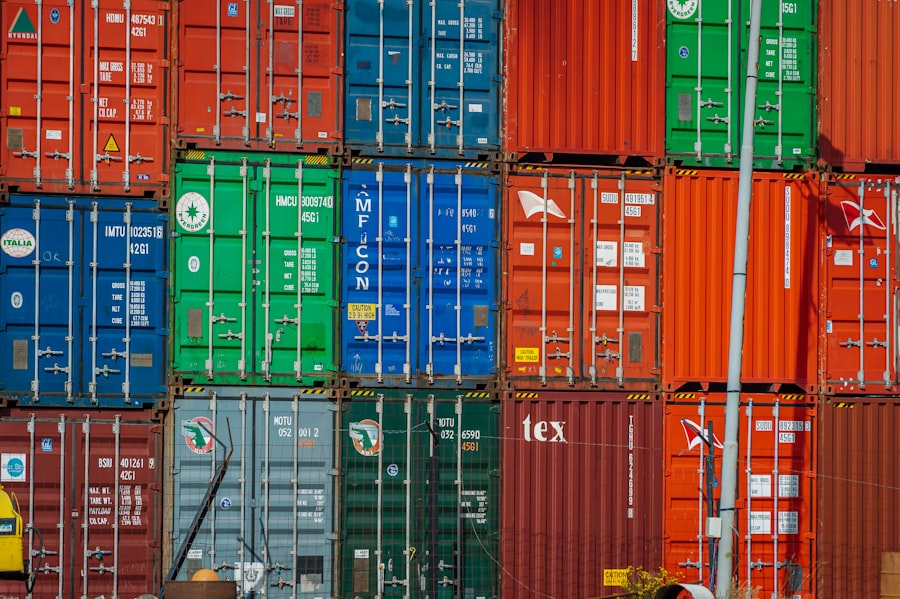
Shipping and trade are fundamental components of Ushuaia Port’s operations. The port handles a diverse range of cargo, including fishery products, timber, minerals, and manufactured goods. Its strategic location allows it to serve as a transshipment point for goods traveling between South America and other continents.
This capability enhances regional trade networks while also contributing to Argentina’s overall economic growth. The fishing industry is particularly significant in Ushuaia, with many vessels relying on the port for docking, maintenance, and supply replenishment. The rich marine resources of the surrounding waters support both commercial fishing operations and sustainable practices aimed at preserving fish stocks for future generations.
As global demand for seafood continues to rise, Ushuaia Port is poised to play an increasingly important role in meeting these needs while balancing environmental considerations.
Environmental considerations at Ushuaia Port
As Ushuaia Port continues to grow in importance as a shipping hub and tourist destination, environmental considerations have become paramount. The unique ecosystems surrounding the port are home to diverse wildlife, including seabirds, seals, and penguins. Protecting these habitats is essential not only for conservation efforts but also for maintaining the region’s appeal as a tourist destination.
Efforts are underway to implement sustainable practices at Ushuaia Port that minimize environmental impact while promoting economic development. Initiatives such as waste management programs, emissions reduction strategies, and habitat restoration projects are being explored to ensure that growth does not come at the expense of ecological integrity. By prioritizing sustainability, Ushuaia Port aims to balance its dual roles as a commercial center and a steward of the natural environment.
Ushuaia Port as a hub for tourism
Tourism has become an increasingly vital aspect of Ushuaia Port’s identity. As one of the primary gateways to Antarctica, the port attracts thousands of visitors each year who seek adventure in one of the world’s last frontiers.
The port’s tourism infrastructure has evolved to accommodate this influx of visitors. Guided tours, adventure sports such as kayaking and hiking, and cultural experiences that highlight local traditions are all part of what makes Ushuaia an appealing destination. The synergy between tourism and maritime activities at Ushuaia Port creates a vibrant atmosphere that benefits both visitors and local residents alike.
Challenges and opportunities for Ushuaia Port
Despite its many advantages, Ushuaia Port faces several challenges that could impact its future growth. Climate change poses significant risks to maritime operations in polar regions, potentially affecting shipping routes and wildlife populations. Additionally, increasing competition from other ports seeking to capitalize on Antarctic tourism may threaten Ushuaia’s status as a primary gateway.
However, these challenges also present opportunities for innovation and collaboration. By investing in sustainable practices and enhancing its infrastructure, Ushuaia Port can position itself as a leader in responsible maritime operations. Partnerships with environmental organizations and research institutions can further bolster its reputation as a hub for scientific exploration while promoting conservation efforts in the region.
Future developments and expansion plans for Ushuaia Port
Looking ahead, there are ambitious plans for the future development of Ushuaia Port aimed at enhancing its capacity and capabilities. Proposed expansions include upgrading existing facilities to accommodate larger vessels and increasing cargo handling efficiency. These developments are designed not only to support growing trade demands but also to improve passenger experiences for tourists visiting the region.
Moreover, there is a strong emphasis on integrating sustainable technologies into future projects at Ushuaia Port. Renewable energy sources such as wind or solar power may be harnessed to reduce reliance on fossil fuels while minimizing environmental impact. By embracing innovation and sustainability, Ushuaia Port can secure its position as a vital player in global logistics while preserving the natural beauty that draws visitors from around the world.
Ushuaia Port’s impact on global logistics
In conclusion, Ushuaia Port stands out as a significant maritime hub with far-reaching implications for global logistics. Its strategic location at the southern tip of South America positions it uniquely as a gateway to Antarctica while facilitating trade between continents. The port’s well-developed infrastructure supports both commercial shipping operations and tourism activities that contribute to regional economic growth.
As challenges related to climate change and competition arise, Ushuaia Port has opportunities to innovate through sustainable practices that prioritize environmental stewardship alongside economic development. With ongoing investments in infrastructure and a commitment to responsible operations, Ushuaia Port is poised to continue playing an essential role in global logistics while serving as a beacon for adventure seekers drawn to one of Earth’s most remote destinations.
Ushuaia, often referred to as the southernmost city in the world, is rapidly evolving into a crucial logistics hub for maritime activities in the region. The strategic location of Ushuaia port not only facilitates the movement of goods but also enhances connectivity with Antarctica and other remote areas. For a deeper understanding of the implications of this development, you can read more in the related article on logistics and trade dynamics at this link.
WATCH THIS! 🚢 The Red Sea is burning. Panama is drying up. And the Drake Passage
FAQs
What is the Ushuaia port logistics hub?
The Ushuaia port logistics hub is a strategic maritime facility located in Ushuaia, Argentina. It serves as a key point for shipping, cargo handling, and distribution in the southernmost region of South America.
Where is Ushuaia port located?
Ushuaia port is situated in the city of Ushuaia, on the southern coast of the island of Tierra del Fuego, Argentina. It is known as the southernmost port in the world.
What types of cargo are handled at Ushuaia port?
The port handles a variety of cargo including containers, bulk goods, refrigerated products, and supplies for scientific expeditions and tourism vessels.
What is the significance of Ushuaia port for logistics?
Ushuaia port acts as a critical logistics hub for accessing Antarctica, supporting regional trade, and facilitating the movement of goods in Patagonia and southern Argentina.
Does Ushuaia port support cruise tourism?
Yes, Ushuaia port is a major departure point for cruise ships traveling to Antarctica and the southern Atlantic, making it an important hub for tourism logistics.
What infrastructure is available at the Ushuaia port logistics hub?
The port is equipped with modern docking facilities, cargo handling equipment, storage warehouses, and customs services to support efficient logistics operations.
How does Ushuaia port contribute to regional economic development?
By providing a gateway for international trade, tourism, and scientific research, Ushuaia port supports local employment, business growth, and regional connectivity.
Is Ushuaia port accessible year-round?
Yes, Ushuaia port operates year-round, although weather conditions in the region can affect shipping schedules, especially during the winter months.
What role does Ushuaia port play in Antarctic expeditions?
Ushuaia port serves as a primary logistics base for scientific and tourist expeditions to Antarctica, offering supplies, vessel maintenance, and embarkation services.
Who manages the Ushuaia port logistics hub?
The port is managed by the Argentine government in coordination with local authorities and private operators to ensure efficient and secure logistics operations.