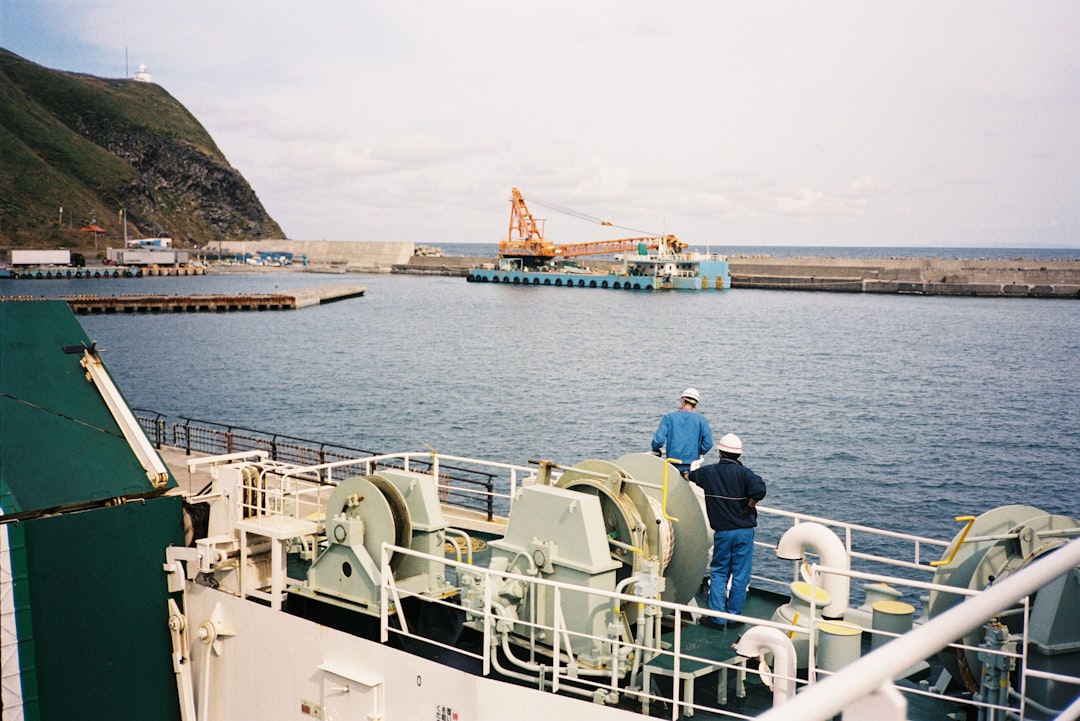
The Beagle Channel is a narrow waterway at the southern tip of South America that forms a natural border between Chile and Argentina. Approximately 240 kilometers long, it connects the Atlantic and Pacific Oceans and serves as an important maritime route for regional shipping. The channel is bordered by the mountainous terrain of Tierra del Fuego and numerous islands, featuring distinctive geographical characteristics and diverse marine and terrestrial ecosystems.
The channel is named after the HMS Beagle, the vessel that carried naturalist Charles Darwin during his scientific expedition in the 1830s. This historical association has made the waterway significant for scientific research and conservation initiatives focused on protecting its ecological systems. The channel’s strategic location and environmental importance require careful management to maintain safe passage for maritime traffic while preserving its natural resources and biodiversity.
The treacherous waters of the Drake Passage are known for their unpredictable weather and challenging navigation.
Key Takeaways
- The Beagle Channel holds significant historical and economic importance as a key maritime route in the southern tip of South America.
- Navigating the Beagle Channel presents unique challenges due to its complex geography and harsh weather conditions.
- Safety measures and regulatory requirements are critical to ensuring secure maritime operations in the channel.
- Advanced technology and skilled maritime pilots play a vital role in aiding navigation through the Beagle Channel.
- Environmental protection is a major consideration, with ongoing efforts to balance maritime activity and ecological preservation.
Historical significance of the Beagle Channel
The historical significance of the Beagle Channel is deeply intertwined with the narratives of exploration and territorial disputes. In the 19th century, the channel became a focal point for various expeditions seeking to chart the uncharted waters of Patagonia. The HMS Beagle’s journey not only contributed to the scientific community’s understanding of natural history but also highlighted the strategic importance of this maritime route.
The channel’s role in navigation was further emphasized during the age of exploration when it served as a gateway for ships traveling between the Atlantic and Pacific Oceans. The Beagle Channel also became a site of contention between Argentina and Chile, particularly during the late 20th century. The Beagle Conflict, which arose over territorial claims in the region, brought both nations to the brink of war in the 1970s.
The dispute was ultimately resolved through diplomatic negotiations, leading to the signing of the Treaty of Peace and Friendship in 1984. This resolution not only solidified the channel’s status as a peaceful maritime border but also underscored its importance in fostering cooperation between neighboring countries. The historical events surrounding the Beagle Channel have shaped its identity as a symbol of both conflict and collaboration.
Navigational challenges in the Beagle Channel
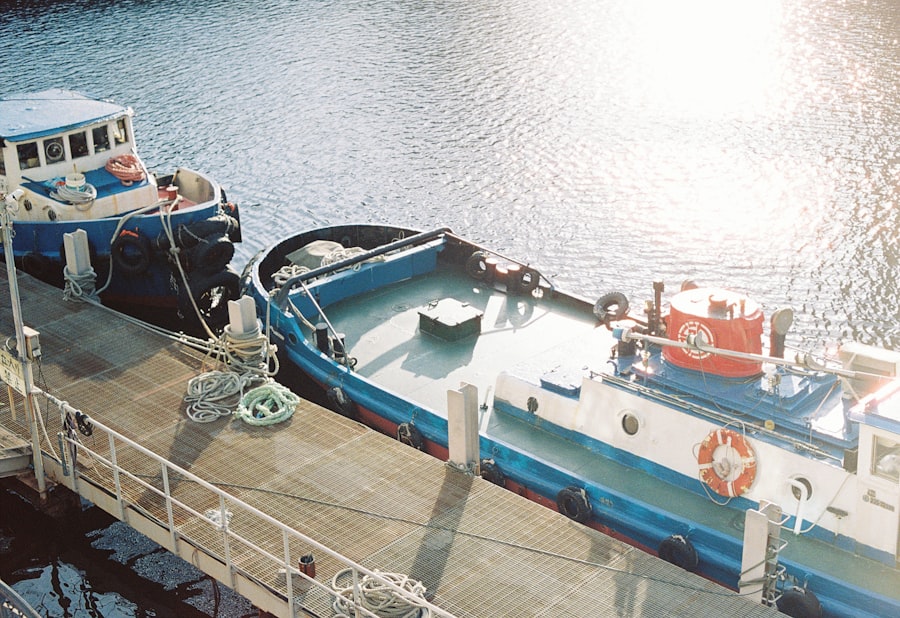
Navigating the Beagle Channel presents a myriad of challenges due to its complex geography and unpredictable weather conditions. The channel is characterized by narrow passages, rocky outcrops, and strong tidal currents that can pose significant risks to vessels attempting to traverse its waters. Mariners must possess a thorough understanding of these navigational hazards to ensure safe passage.
The presence of numerous islands and islets further complicates navigation, requiring careful planning and precise maneuvering. In addition to physical obstacles, weather conditions in the Beagle Channel can change rapidly, with fog, rain, and strong winds being common occurrences. These factors can severely limit visibility and affect a vessel’s handling capabilities.
Mariners must be prepared for sudden shifts in weather patterns and have contingency plans in place to address potential emergencies. The combination of challenging geography and unpredictable weather makes navigating the Beagle Channel a task that demands skill, experience, and vigilance from all who venture into its waters.
Importance of maritime operations in the Beagle Channel
Maritime operations in the Beagle Channel are crucial for various economic activities, including fishing, tourism, and shipping. The channel serves as a vital route for commercial vessels transporting goods between South America and other global markets. Its strategic location allows for efficient transit between the Atlantic and Pacific Oceans, making it an essential corridor for international trade.
As global shipping continues to expand, the significance of maritime operations in this region is likely to grow. Fishing is another key industry that relies on the resources found within the Beagle Channel.
Sustainable fishing practices are essential to ensure that these resources are preserved for future generations while also supporting local economies. Additionally, tourism has emerged as an important sector in the region, with visitors drawn to the stunning landscapes and unique wildlife that inhabit the channel. The interplay between these various maritime operations highlights the need for effective management strategies to balance economic interests with environmental conservation.
Safety measures for navigating the Beagle Channel
| Metric | Value | Unit | Notes |
|---|---|---|---|
| Average Daily Vessel Traffic | 15 | vessels/day | Includes cargo, passenger, and fishing vessels |
| Maximum Vessel Length Allowed | 150 | meters | Due to channel width and depth restrictions |
| Average Water Depth | 30 | meters | Varies along the channel |
| Navigation Aids Installed | 12 | units | Includes buoys, lighthouses, and beacons |
| Annual Cargo Throughput | 500,000 | tons/year | Primarily timber, fishery products, and minerals |
| Search and Rescue Incidents | 3 | incidents/year | Reported in the last 12 months |
| Average Transit Time | 4 | hours | From east to west entrance of the channel |
| Environmental Monitoring Stations | 5 | stations | Monitor water quality and marine life |
Given the inherent risks associated with navigating the Beagle Channel, safety measures are paramount for all maritime operations in this region. Mariners are encouraged to adhere to established navigational protocols and guidelines designed to mitigate risks associated with challenging conditions. This includes utilizing updated nautical charts that accurately depict underwater topography and potential hazards.
Regular training and drills for crew members are also essential to ensure preparedness in emergency situations. In addition to individual vessel safety measures, regional authorities play a critical role in promoting safe navigation within the Beagle Channel. This includes implementing traffic separation schemes to reduce congestion and minimize collision risks among vessels.
Furthermore, ongoing monitoring of weather conditions and real-time communication systems can provide mariners with vital information needed to make informed decisions while navigating these waters. By prioritizing safety measures, stakeholders can work together to create a safer maritime environment in the Beagle Channel.
Environmental considerations in the Beagle Channel
The Beagle Channel is home to a rich array of marine ecosystems that are both fragile and vital to global biodiversity. The waters support various species of fish, marine mammals, and seabirds, making it an important area for conservation efforts. Environmental considerations are paramount when discussing maritime operations in this region, as human activities can have significant impacts on these delicate ecosystems.
Sustainable practices must be prioritized to protect marine life while allowing for economic development. One major environmental concern is pollution from maritime activities, including oil spills and waste discharge from vessels. Such incidents can have devastating effects on marine habitats and wildlife populations.
To mitigate these risks, strict regulations regarding waste management and pollution control must be enforced among all vessels operating in the channel. Additionally, ongoing research into the ecological health of the Beagle Channel is essential for understanding how human activities impact its ecosystems and for developing effective conservation strategies.
Regulatory requirements for maritime operations in the Beagle Channel
Regulatory requirements governing maritime operations in the Beagle Channel are established by both national and international bodies to ensure safe navigation and environmental protection. These regulations encompass various aspects of maritime activity, including vessel registration, safety standards, pollution control measures, and navigational protocols. Compliance with these regulations is essential for maintaining order within this busy waterway.
Both Argentina and Chile have implemented specific laws governing maritime operations within their respective territorial waters of the Beagle Channel. These laws often align with international conventions such as those set forth by the International Maritime Organization (IMO). Regular inspections and audits are conducted to ensure compliance with safety standards and environmental regulations.
By adhering to these regulatory frameworks, stakeholders can contribute to safer navigation practices while safeguarding the ecological integrity of this vital waterway.
Technology and navigation aids for the Beagle Channel
Advancements in technology have significantly enhanced navigation capabilities within the Beagle Channel, providing mariners with tools that improve safety and efficiency. Modern vessels are equipped with sophisticated navigation systems that utilize GPS technology, radar, and electronic chart display systems (ECDIS) to provide real-time information about their surroundings. These tools enable mariners to make informed decisions while navigating through challenging conditions.
In addition to onboard technology, various navigation aids are strategically placed throughout the Beagle Channel to assist vessels in their journeys. Lighthouses, buoys, and beacons serve as critical reference points for mariners, helping them avoid hazards while maintaining their course. Furthermore, ongoing investments in infrastructure improvements ensure that these navigation aids remain effective in guiding vessels safely through this complex waterway.
Role of maritime pilots in navigating the Beagle Channel
Maritime pilots play an essential role in ensuring safe navigation through the Beagle Channel’s challenging waters. These highly trained professionals possess extensive knowledge of local conditions, including tides, currents, and potential hazards specific to this region. Their expertise allows them to guide vessels safely through narrow passages and difficult navigational points where inexperienced mariners may struggle.
The presence of maritime pilots not only enhances safety but also contributes to operational efficiency within the channel. By providing expert guidance during critical maneuvers such as docking or passing through congested areas, pilots help minimize delays and reduce risks associated with navigation errors. Their collaboration with vessel crews fosters a culture of safety that is vital for maintaining smooth maritime operations in this busy waterway.
Economic impact of maritime operations in the Beagle Channel
The economic impact of maritime operations in the Beagle Channel is significant, influencing various sectors such as trade, tourism, and fisheries. As a crucial shipping route connecting two major oceans, it facilitates international trade by allowing vessels to transport goods efficiently between markets in South America and beyond. This connectivity supports local economies by creating jobs related to shipping logistics, port operations, and related services.
Moreover, fishing remains a cornerstone of economic activity within the region due to its rich marine resources. Sustainable fishing practices not only ensure long-term viability for local fisheries but also contribute to food security for communities dependent on these resources.
The interplay between these economic activities underscores the need for balanced management strategies that promote growth while safeguarding environmental integrity.
Future developments and challenges in navigating the Beagle Channel
As maritime traffic continues to increase in the Beagle Channel due to globalization and expanding trade routes, future developments will be necessary to address emerging challenges associated with navigation in this region. Infrastructure improvements such as enhanced port facilities and upgraded navigational aids will be essential for accommodating larger vessels while ensuring safety standards are maintained. However, these developments must be approached with caution given environmental concerns surrounding increased human activity within this sensitive ecosystem.
Striking a balance between economic growth and ecological preservation will require collaboration among stakeholders from both Argentina and Chile as well as adherence to sustainable practices that protect marine life. In conclusion, navigating the Beagle Channel presents both opportunities and challenges that require careful consideration from all involved parties. By prioritizing safety measures, adhering to regulatory requirements, leveraging technology advancements, and fostering cooperation between nations, stakeholders can work together towards ensuring safe navigation while preserving this unique maritime environment for future generations.
The Beagle Channel, a vital maritime route in the southernmost part of South America, has been the focus of various operational studies due to its strategic importance for navigation and environmental conservation. For a deeper understanding of the complexities surrounding maritime operations in this region, you can refer to a related article that discusses the legal and logistical challenges faced by vessels navigating these waters. For more information, visit this article.
WATCH THIS! 🚢 The Red Sea is burning. Panama is drying up. And the Drake Passage
FAQs
What is the Beagle Channel?
The Beagle Channel is a strait in the Tierra del Fuego Archipelago at the southern tip of South America. It separates the main island of Tierra del Fuego from various smaller islands to the south and is an important navigational route.
Where is the Beagle Channel located?
The Beagle Channel is located between Chile and Argentina, running east to west and connecting the Atlantic and Pacific Oceans. It lies south of the main island of Tierra del Fuego.
What types of maritime operations are conducted in the Beagle Channel?
Maritime operations in the Beagle Channel include commercial shipping, fishing, tourism cruises, scientific research, and naval patrols. The channel is also used for transportation and logistical support in the region.
Why is the Beagle Channel important for navigation?
The Beagle Channel provides a sheltered and navigable passage between the Atlantic and Pacific Oceans, offering an alternative route to the often rougher Drake Passage. It is strategically important for regional shipping and maritime activities.
Are there any navigational challenges in the Beagle Channel?
Yes, the Beagle Channel presents navigational challenges such as narrow passages, strong currents, variable weather conditions, and ice hazards during certain seasons. Mariners must exercise caution and use updated charts and navigation aids.
Which countries oversee maritime operations in the Beagle Channel?
Maritime operations in the Beagle Channel are overseen primarily by Chile and Argentina, as the channel lies along their shared border. Both countries maintain naval and coast guard presence to ensure safety and enforce regulations.
What safety measures are in place for maritime operations in the Beagle Channel?
Safety measures include the use of lighthouses, buoys, and other navigational aids, regular patrols by maritime authorities, search and rescue capabilities, and strict adherence to international maritime regulations.
Is the Beagle Channel used for tourism?
Yes, the Beagle Channel is a popular route for tourist cruises, offering scenic views of the surrounding landscapes, wildlife, and access to remote areas in Tierra del Fuego. Tourism operations follow environmental and safety guidelines.
How does the weather affect maritime operations in the Beagle Channel?
Weather in the Beagle Channel can be unpredictable, with strong winds, fog, and sudden storms. These conditions can impact visibility and sea state, requiring vessels to be well-prepared and crews to be experienced in handling such challenges.
Are there environmental protections related to maritime operations in the Beagle Channel?
Yes, environmental protections are in place to preserve the unique ecosystems of the Beagle Channel. Regulations limit pollution, control fishing activities, and protect marine wildlife, ensuring sustainable maritime operations in the area.