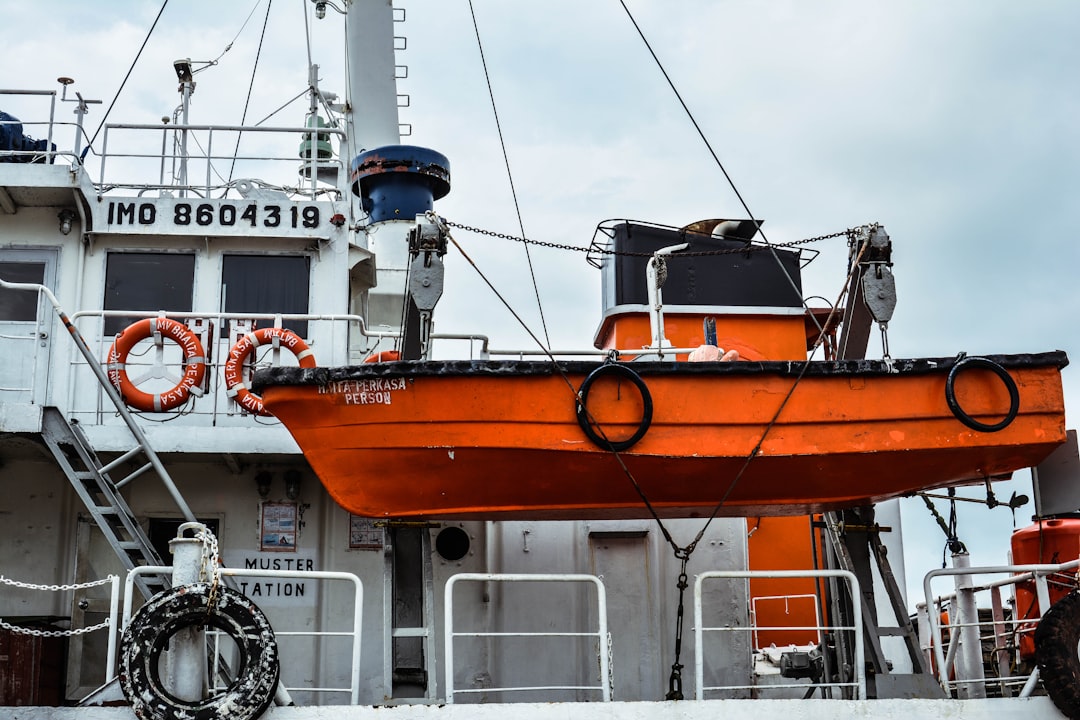
The Magellan Strait is a narrow waterway at the southern tip of South America that connects the Atlantic and Pacific Oceans.
The waterway extends approximately 570 kilometers (350 miles) and is bordered by the coastlines of Chile and Argentina.
Its geography includes numerous islands and variable weather conditions that create both navigational challenges and opportunities for vessels seeking a shorter route between the two oceans. Safe passage through the Magellan Strait requires specialized knowledge of local maritime conditions. The strait experiences strong currents, tidal shifts, and unpredictable weather patterns that present hazards to maritime traffic.
These natural conditions, combined with the volume of vessels using the passage, make skilled pilotage essential for safe navigation. Experienced pilots are necessary to guide ships through the complex waters and help prevent accidents in this challenging maritime environment.
Key Takeaways
- The Magellan Strait is a critical and challenging maritime route requiring specialized pilotage for safe navigation.
- Both commercial vessels and recreational boats must adhere to specific pilotage requirements to ensure safety.
- Pilots undergo rigorous training and certification to handle the unique conditions of the strait.
- Effective communication, navigation equipment, and awareness of weather conditions are essential for safe passage.
- Legal regulations and safety protocols are in place to manage risks and respond to emergencies in the strait.
Importance of Pilotage in the Magellan Strait
Pilotage in the Magellan Strait is essential for maintaining safety and efficiency in maritime operations. The strait’s narrow passages and unpredictable conditions necessitate expert knowledge of local waters, making professional pilots indispensable for both commercial and recreational vessels. These pilots possess an intimate understanding of the strait’s unique characteristics, including its currents, depths, and potential hazards, which allows them to navigate safely through its intricate channels.
Their expertise not only enhances safety but also contributes to the overall efficiency of maritime traffic, reducing the risk of accidents and delays. Moreover, pilotage plays a critical role in protecting the fragile marine ecosystem surrounding the Magellan Strait. The region is home to diverse wildlife and sensitive habitats that can be easily disrupted by maritime activities.
By employing trained pilots who are familiar with environmentally sensitive areas, vessels can minimize their impact on local ecosystems while ensuring safe navigation. This balance between maritime commerce and environmental stewardship is vital for sustaining the natural beauty and biodiversity of the region. The treacherous waters of the Drake Passage are known for their unpredictable weather and challenging navigation.
Pilotage Requirements for Commercial Vessels
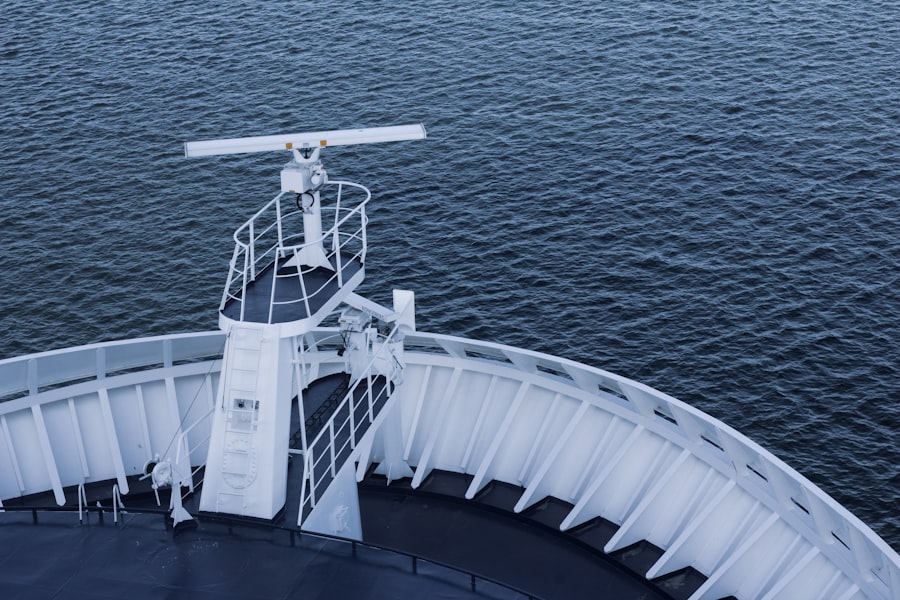
Commercial vessels navigating the Magellan Strait are subject to specific pilotage requirements designed to enhance safety and efficiency. Typically, these vessels must engage a licensed pilot before entering the strait, particularly when transiting through its more challenging sections. The requirement for pilotage is often mandated by local maritime authorities, reflecting an understanding of the complexities involved in navigating these waters.
The presence of a qualified pilot not only ensures compliance with regulations but also provides an additional layer of safety for large vessels that may struggle with maneuverability in confined spaces. In addition to engaging a pilot, commercial vessels must adhere to various operational protocols while navigating the strait. These protocols may include maintaining specific speeds, following designated routes, and communicating regularly with local traffic control centers.
Such measures are crucial for preventing collisions and ensuring that all vessels can navigate safely through this busy waterway. Furthermore, commercial operators are encouraged to invest in training their crews on the unique challenges posed by the Magellan Strait, fostering a culture of safety and preparedness that extends beyond pilotage alone.
Pilotage Requirements for Recreational Boats
While recreational boats may not face the same level of regulatory scrutiny as commercial vessels, pilotage remains an important consideration for safe navigation in the Magellan Strait. Many recreational boaters are encouraged to seek local pilot assistance when traversing these waters, particularly if they are unfamiliar with the area or lack experience in navigating challenging conditions. Engaging a pilot can significantly enhance safety by providing valuable insights into local currents, tides, and potential hazards that may not be readily apparent to inexperienced mariners.
In addition to seeking pilot assistance, recreational boaters are advised to familiarize themselves with local regulations and best practices for navigation in the strait. This includes understanding the importance of maintaining proper communication with other vessels and adhering to established navigational routes. By prioritizing safety and seeking guidance when necessary, recreational boaters can enjoy their time on the water while minimizing risks associated with navigating this complex maritime environment.
Training and Certification for Pilots
| Aspect | Requirement | Details |
|---|---|---|
| Pilotage Area | Mandatory | All vessels navigating the Magellan Strait must take a local pilot on board. |
| Vessels Requiring Pilotage | All commercial vessels | Includes cargo ships, tankers, passenger vessels, and fishing vessels over a certain size. |
| Pilot Boarding Location | Designated pilot stations | Pilots board vessels at specific points before entering the strait, usually at the entrance. |
| Communication | VHF Radio | Vessels must establish communication with pilot stations prior to arrival. |
| Navigation Restrictions | Speed limits and route adherence | Vessels must comply with speed limits and follow designated routes as directed by the pilot. |
| Weather Conditions | Operational limitations | Pilotage may be suspended or delayed due to adverse weather or visibility conditions. |
| Fees | Applicable | Pilotage fees are charged based on vessel size and type. |
| Emergency Procedures | Established protocols | Specific procedures are in place for emergencies during pilotage transit. |
The training and certification process for pilots operating in the Magellan Strait is rigorous and comprehensive, reflecting the high stakes involved in navigating these challenging waters. Aspiring pilots typically undergo extensive training that includes both theoretical knowledge and practical experience. This training covers a wide range of topics, including local geography, meteorology, navigation techniques, and emergency response procedures.
Additionally, candidates often spend significant time shadowing experienced pilots to gain firsthand knowledge of the unique challenges presented by the strait. Certification requirements vary by jurisdiction but generally include passing written examinations and demonstrating proficiency in practical navigation skills. Continuous education is also emphasized, as pilots must stay updated on changes in regulations, technology, and environmental considerations that may impact their work.
This commitment to ongoing training ensures that pilots remain well-equipped to handle the complexities of navigating the Magellan Strait safely and effectively.
Communication and Navigation Equipment
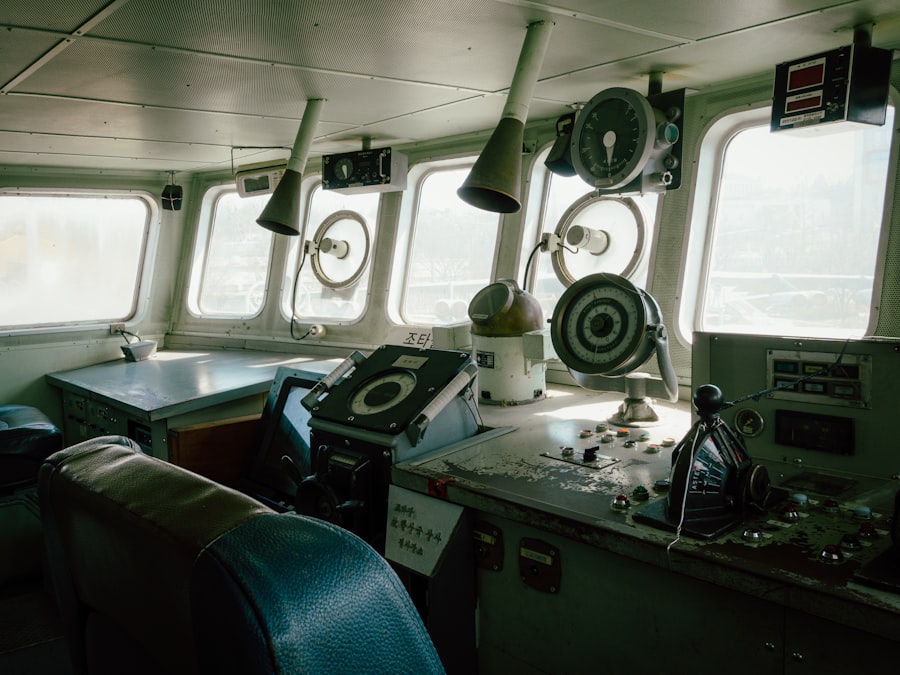
Effective communication and navigation equipment are vital components of safe pilotage in the Magellan Strait. Pilots rely on advanced technology to monitor vessel positions, track weather patterns, and communicate with other vessels and traffic control centers. Modern navigation systems often incorporate GPS technology, radar systems, and electronic chart displays that provide real-time information about a vessel’s surroundings.
This technology enhances situational awareness and allows pilots to make informed decisions while navigating through potentially hazardous areas. In addition to navigation tools, communication equipment plays a crucial role in ensuring safe passage through the strait. Pilots must maintain constant communication with other vessels operating in the area as well as with local authorities responsible for traffic management.
This coordination is essential for preventing collisions and ensuring that all vessels can navigate safely through busy sections of the strait. By leveraging advanced communication and navigation technologies, pilots can enhance safety and efficiency while navigating this complex maritime environment.
Weather and Environmental Considerations
Weather conditions in the Magellan Strait can change rapidly, presenting significant challenges for navigation. Strong winds, heavy rain, fog, and sudden storms are common occurrences that can impact visibility and vessel stability. Pilots must possess a keen understanding of local weather patterns to anticipate changes and adjust their navigation strategies accordingly.
This knowledge is critical for ensuring safe passage through areas where visibility may be compromised or where strong currents may pose additional risks. Environmental considerations also play a significant role in navigation within the strait. The region is home to diverse marine life and sensitive ecosystems that can be adversely affected by maritime activities.
Pilots are trained to recognize environmentally sensitive areas and take measures to minimize their impact on local habitats. This includes adhering to established routes that avoid critical habitats and being mindful of potential pollution risks associated with vessel operations. By prioritizing environmental stewardship alongside safe navigation practices, pilots contribute to preserving the natural beauty of the Magellan Strait.
Legal and Regulatory Framework for Pilotage
The legal and regulatory framework governing pilotage in the Magellan Strait is designed to ensure safety and efficiency in maritime operations. Local maritime authorities establish regulations that dictate when pilotage is required, as well as the qualifications necessary for pilots operating in these waters. These regulations are informed by international maritime standards while also taking into account the unique challenges posed by the strait’s geography and environmental conditions.
Compliance with these regulations is essential for maintaining safety standards within the strait. Vessels that fail to engage licensed pilots when required may face penalties or restrictions on their operations. Additionally, pilots themselves are held accountable for adhering to established protocols and maintaining their certifications through ongoing training.
This legal framework not only promotes safe navigation but also fosters a culture of accountability among all stakeholders involved in maritime activities within the Magellan Strait.
Safety Measures and Emergency Procedures
Safety measures are paramount when navigating the Magellan Strait due to its challenging conditions and potential hazards. Pilots are trained to implement various safety protocols designed to mitigate risks associated with navigation in these waters. This includes conducting thorough pre-voyage assessments to identify potential hazards, establishing clear communication channels with other vessels, and maintaining situational awareness throughout the journey.
In addition to proactive safety measures, emergency procedures are also critical components of pilot training. Pilots must be prepared to respond swiftly to emergencies such as equipment failures or sudden changes in weather conditions. This includes having contingency plans in place for various scenarios, such as grounding or collision incidents.
By prioritizing safety measures and emergency preparedness, pilots play a vital role in ensuring that vessels can navigate through the Magellan Strait with confidence.
Case Studies of Successful Navigation
Examining case studies of successful navigation through the Magellan Strait provides valuable insights into best practices for pilotage in this challenging environment. One notable example involves a large cargo vessel that encountered unexpected weather conditions while transiting the strait. Thanks to the expertise of an experienced pilot who was familiar with local weather patterns, the vessel was able to adjust its course promptly and avoid potential hazards associated with strong winds and reduced visibility.
Another case study highlights a recreational boating incident where a group of sailors sought pilot assistance while navigating through narrow channels within the strait. The pilot’s knowledge of local currents allowed them to safely guide the group through challenging waters while minimizing their environmental impact. These examples underscore the importance of skilled pilotage in enhancing safety and efficiency while navigating one of the world’s most complex maritime passages.
Conclusion and Recommendations for Navigating the Magellan Strait
Navigating the Magellan Strait presents unique challenges that require careful consideration of various factors including weather conditions, environmental concerns, and regulatory requirements. The importance of skilled pilotage cannot be overstated; it serves as a critical safeguard against potential hazards while enhancing overall maritime efficiency. Both commercial vessels and recreational boaters are encouraged to prioritize safety by engaging qualified pilots when traversing these waters.
To further improve navigation safety within the strait, ongoing training for pilots should be emphasized alongside advancements in communication and navigation technology. Additionally, fostering collaboration between local authorities, maritime operators, and environmental organizations can help ensure that both safety standards and ecological preservation efforts are upheld. By adopting these recommendations, all stakeholders can contribute to safer navigation practices while preserving the natural beauty of this remarkable waterway for future generations.
For those interested in the specific pilotage requirements for navigating the Magellan Strait, it is essential to consult comprehensive resources that provide detailed information. A related article that may offer valuable insights can be found at