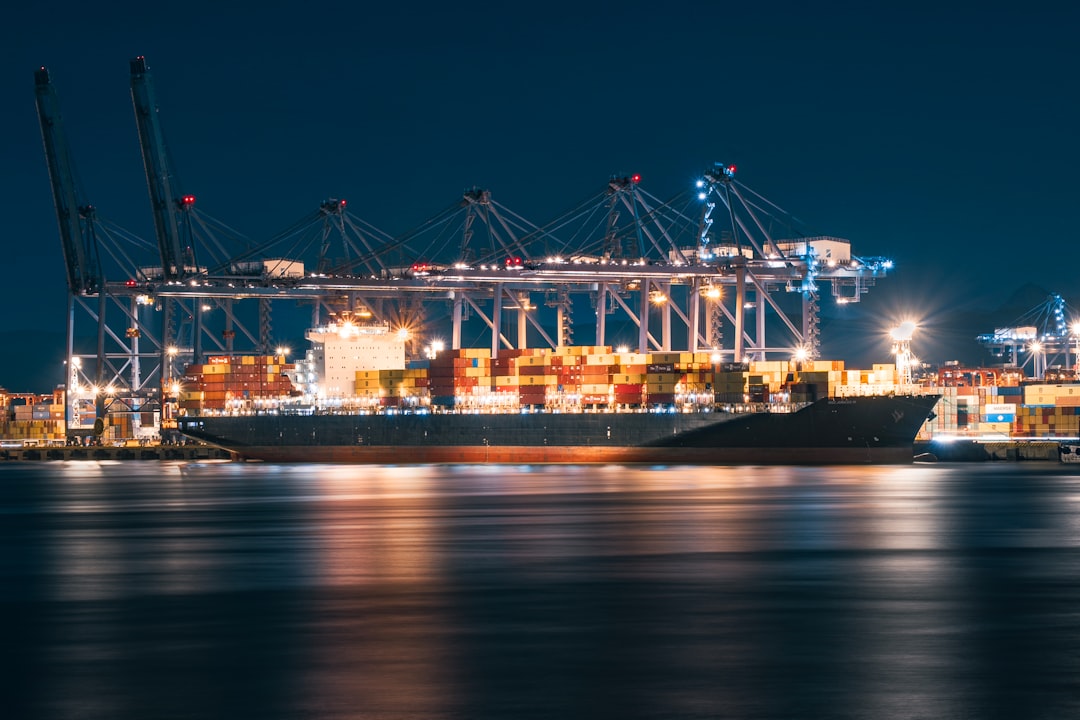
The Malacca Strait is a narrow waterway separating the Malay Peninsula from the Indonesian island of Sumatra and ranks among the world’s most important maritime passages. Extending approximately 550 miles in length, the strait connects the Indian Ocean to the South China Sea and provides access to the Pacific Ocean. Approximately one-third of global maritime trade transits through the strait, making it essential for international commerce.
Beyond its commercial significance, the Malacca Strait holds considerable strategic importance in regional geopolitics and influences the economic landscape of Southeast Asia and neighboring regions. The strait has functioned as a major trade route since ancient times, with its importance increasing as global commerce expanded and demand for efficient shipping corridors grew. The narrowest section of the strait presents both operational advantages and navigational challenges for vessels.
Given the continued expansion of international trade, comprehending the operational and security aspects of the Malacca Strait remains important for shipping companies, maritime authorities, and policymakers involved in international trade and regional stability.
Key Takeaways
- The Malacca Strait is a critical maritime passage essential for global shipping logistics.
- Navigating the strait involves challenges such as traffic congestion, piracy, and environmental factors.
- Effective route planning and advanced technology are vital for safe and efficient navigation.
- Port infrastructure and vessel size restrictions impact shipping operations in the region.
- Future developments focus on enhancing security, infrastructure, and sustainable shipping practices.
Importance of the Malacca Strait for Shipping Logistics
The Malacca Strait is often referred to as the “lifeblood” of Asian trade due to its role in facilitating the movement of goods between major economies. It serves as a primary route for oil tankers, container ships, and bulk carriers, making it indispensable for energy supplies and consumer goods. The strait’s capacity to accommodate large volumes of maritime traffic underscores its significance in global supply chains.
For instance, a substantial percentage of oil shipments from the Middle East to Asia traverse this waterway, highlighting its critical role in energy security. Moreover, the Malacca Strait is not just important for regional economies; it has far-reaching implications for global trade patterns. The efficiency of shipping logistics through this strait can influence shipping costs and delivery times worldwide.
As businesses increasingly rely on just-in-time inventory systems, any disruption in this vital passage can have cascading effects on supply chains across continents. Consequently, stakeholders in shipping logistics must prioritize understanding the dynamics of the Malacca Strait to optimize their operations and mitigate risks associated with potential disruptions. The treacherous waters of the Drake Passage are known for their unpredictable weather and challenging navigation.
Challenges of Navigating the Malacca Strait

Navigating the Malacca Strait presents a unique set of challenges that can complicate shipping logistics. The strait’s narrow width and intricate geography create a complex navigational environment. With numerous islands, shallow waters, and varying depths, vessels must exercise caution to avoid grounding or collisions.
The need for precise navigation is further exacerbated by the high volume of maritime traffic that traverses this route daily. As a result, effective route planning and real-time monitoring are essential for ensuring safe passage through these congested waters. In addition to physical navigation challenges, vessels must also contend with regulatory requirements imposed by various nations bordering the strait.
Each country has its own set of maritime laws and regulations that govern shipping activities within its territorial waters. This patchwork of regulations can create confusion and complicate compliance efforts for shipping companies. Therefore, understanding these legal frameworks is crucial for ensuring smooth operations and avoiding potential penalties or delays.
Weather and Environmental Factors
Weather conditions in the Malacca Strait can significantly impact navigation and shipping logistics. The region experiences a tropical climate characterized by monsoon seasons, which can bring heavy rainfall, strong winds, and reduced visibility. These weather patterns can pose risks to vessels, particularly during the southwest monsoon from May to September when storms are more frequent.
Navigators must remain vigilant and adapt their plans accordingly to account for changing weather conditions that could affect their routes. Environmental factors also play a crucial role in shaping navigation strategies in the Malacca Strait. The strait is home to diverse marine ecosystems that are sensitive to human activity.
Shipping operations can have detrimental effects on these ecosystems, leading to concerns about pollution and habitat destruction. As awareness of environmental issues grows, shipping companies are increasingly adopting sustainable practices to minimize their impact on the marine environment. This shift not only helps protect biodiversity but also aligns with global efforts to promote responsible shipping practices.
Traffic Congestion and Piracy Concerns
| Metric | Value | Unit | Notes |
|---|---|---|---|
| Annual Vessel Traffic | 80,000 | vessels per year | Includes all types of commercial vessels |
| Daily Average Vessel Traffic | 220 | vessels per day | Average number of vessels passing through daily |
| Annual Cargo Throughput | 3.7 | billion tons | Estimated total cargo volume transported |
| Major Cargo Types | Oil, LNG, Containerized Goods, Bulk Commodities | — | Primary commodities transported through the strait |
| Average Transit Time | 8 | hours | Time taken to pass through the strait |
| Strait Width at Narrowest Point | 1.7 | nautical miles | Critical chokepoint for navigation |
| Incidents of Piracy (Annual) | 5 | incidents | Reported piracy or armed robbery cases |
| Number of Shipping Lanes | 2 | lanes | One lane for each direction of traffic |
| Economic Importance | 25% | of global maritime trade | Percentage of global trade volume passing through |
Traffic congestion is a significant issue in the Malacca Strait due to its status as one of the busiest shipping lanes in the world. The high volume of vessels navigating this narrow passage can lead to delays and increased risks of accidents. Shipping companies must carefully monitor traffic patterns and adjust their schedules to avoid peak congestion times.
Additionally, port facilities on either side of the strait may experience bottlenecks as they handle large volumes of incoming and outgoing vessels.
The strait has historically been a hotspot for piracy incidents, with armed robberies and hijackings posing threats to vessels transiting through its waters.
Shipping companies must implement robust security measures to safeguard their crews and cargo while navigating these waters. This includes employing private security personnel, utilizing advanced tracking technologies, and collaborating with local authorities to enhance situational awareness.
Navigation and Route Planning

Effective navigation and route planning are paramount for vessels operating in the Malacca Strait. Given its complex geography and high traffic density, mariners must utilize advanced navigational tools and technologies to ensure safe passage. Electronic chart display systems (ECDIS), radar systems, and automatic identification systems (AIS) are essential components that aid in real-time monitoring of vessel positions and surrounding traffic.
These technologies enable navigators to make informed decisions while adapting to changing conditions. Moreover, route planning involves not only selecting the safest path but also considering factors such as fuel efficiency and time constraints. Shipping companies often employ sophisticated algorithms that analyze various parameters to optimize routes through the strait.
By balancing safety with operational efficiency, these companies can enhance their competitiveness while minimizing costs associated with delays or accidents.
Port Facilities and Infrastructure
The port facilities surrounding the Malacca Strait play a crucial role in supporting shipping logistics in this vital corridor. Major ports such as Port Klang in Malaysia and Tanjung Priok in Indonesia serve as key hubs for cargo handling and transshipment activities. These ports are equipped with modern infrastructure designed to accommodate large vessels and facilitate efficient loading and unloading processes.
Investments in port development have been made to enhance capacity and improve overall efficiency. However, challenges remain regarding port congestion and infrastructure limitations. As shipping traffic continues to grow, ports must adapt to accommodate larger vessels and increased cargo volumes.
This may involve expanding existing facilities or investing in new technologies to streamline operations. Collaboration between port authorities, shipping companies, and government agencies is essential for addressing these challenges and ensuring that port facilities can meet future demands.
Vessel Size and Draft Restrictions
Vessel size and draft restrictions are critical considerations for ships navigating the Malacca Strait. The strait’s narrow channels and varying depths impose limitations on the types of vessels that can safely transit its waters. Larger ships may face challenges when attempting to navigate certain sections of the strait due to draft restrictions or shallow areas that could pose grounding risks.
As a result, shipping companies must carefully assess their fleet capabilities when planning routes through this vital passage. The trend toward larger vessels in global shipping has prompted discussions about potential modifications to existing infrastructure within the Malacca Strait region. Expanding channels or deepening ports may be necessary to accommodate these larger ships while maintaining safety standards.
However, such initiatives require significant investment and coordination among various stakeholders, including governments, port authorities, and shipping companies.
Regulatory and Legal Considerations
Navigating the Malacca Strait involves navigating a complex web of regulatory and legal considerations that vary by jurisdiction. Each country bordering the strait has its own set of maritime laws governing shipping activities within its territorial waters.
Shipping companies must stay informed about changes in regulations that could impact their operations in this critical corridor. Additionally, international agreements play a significant role in shaping maritime governance in the Malacca Strait. Treaties such as the United Nations Convention on the Law of the Sea (UNCLOS) establish guidelines for navigation rights, environmental protection, and maritime security.
Understanding these legal frameworks is crucial for stakeholders involved in shipping logistics as they navigate both national laws and international agreements that govern their activities.
Technology and Innovation in Navigating the Malacca Strait
Advancements in technology have revolutionized navigation practices in the Malacca Strait, enhancing safety and efficiency for vessels operating in this busy waterway. Innovations such as satellite-based navigation systems provide real-time positioning data that allows mariners to make informed decisions while navigating through congested areas. Additionally, automated systems for monitoring vessel traffic contribute to improved situational awareness, reducing the risk of collisions or accidents.
Furthermore, emerging technologies such as artificial intelligence (AI) are being integrated into navigation systems to optimize route planning based on real-time data analysis. These innovations enable shipping companies to enhance operational efficiency while minimizing environmental impacts by reducing fuel consumption during transit through the strait.
Future Developments and Trends in Shipping Logistics in the Malacca Strait
As global trade continues to evolve, future developments in shipping logistics within the Malacca Strait are likely to be shaped by several key trends. One significant trend is the increasing emphasis on sustainability within maritime operations. Shipping companies are exploring eco-friendly practices such as using alternative fuels or implementing energy-efficient technologies to reduce their carbon footprint while navigating this vital corridor.
Additionally, ongoing investments in port infrastructure are expected to enhance capacity and efficiency within the region. Governments are recognizing the importance of modernizing port facilities to accommodate larger vessels while improving overall logistics capabilities. Collaborative efforts among stakeholders will be essential for addressing challenges related to congestion and ensuring that ports can meet future demands.
In conclusion, the Malacca Strait remains a critical artery for global trade, presenting both opportunities and challenges for shipping logistics. Understanding its complexities—from navigational challenges to regulatory considerations—is essential for stakeholders seeking to optimize their operations within this vital corridor. As technology continues to advance and sustainability becomes a priority, the future of shipping logistics in the Malacca Strait promises to be dynamic and transformative.
The Malacca Strait is a crucial maritime route for global shipping logistics, serving as a key passage for vessels traveling between the Indian Ocean and the South China Sea. For a deeper understanding of the complexities and challenges faced in this vital shipping lane, you can read more in the article available at