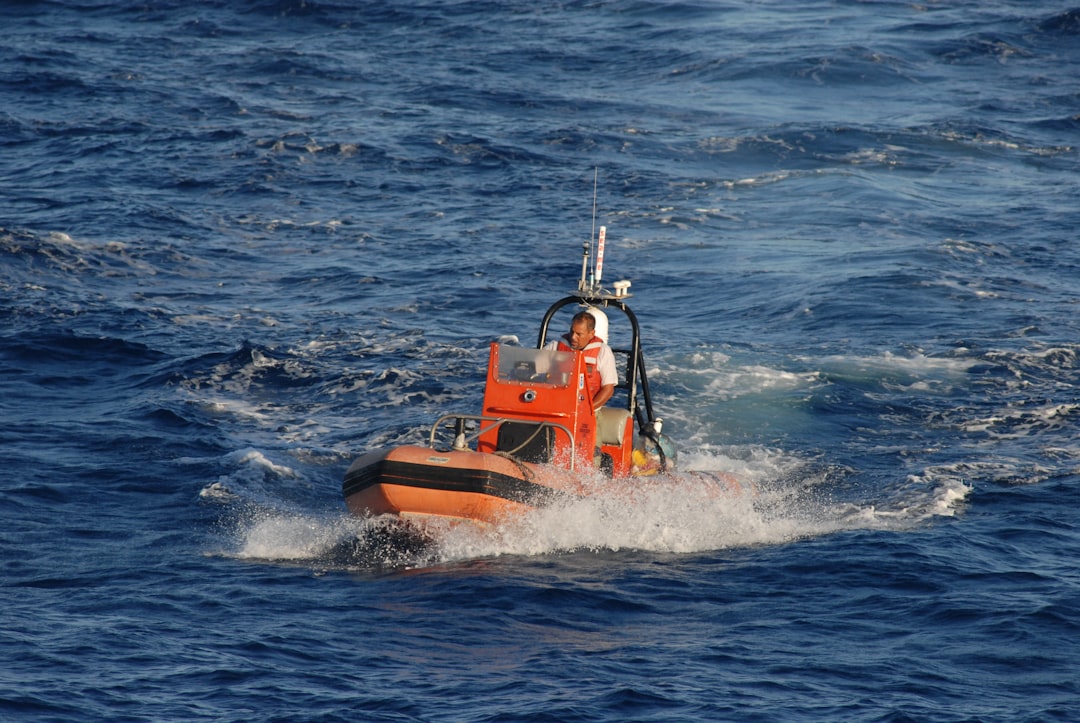
Efficient search and rescue (SAR) operations in maritime contexts are essential for saving lives and protecting property at sea. The ocean’s vastness creates significant operational challenges, requiring rapid and effective responses. When vessels experience distress from mechanical failure, severe weather, or human error, the speed of resource mobilization directly impacts survival outcomes.
Beyond immediate rescue efforts, these operations strengthen public confidence in maritime travel and commerce, enabling individuals and businesses to engage in maritime activities with greater assurance of safety. Efficient SAR operations also enhance overall maritime navigation safety. Established emergency response protocols and systems allow maritime authorities to reduce risks associated with sea travel.
This protects human life and prevents environmental damage from incidents such as oil spills or cargo loss. The importance of coordinated SAR systems has grown with the increasing volume of vessel traffic in global waters, requiring approaches that can address emerging operational challenges.
Key Takeaways
- Efficient maritime search and rescue (SAR) operations rely heavily on advanced technology, thorough training, and effective coordination.
- Communication and international cooperation are critical for timely and successful SAR missions across maritime boundaries.
- Risk assessment and decision-making processes are essential to manage challenges and environmental factors during SAR operations.
- Continuous training and preparedness enhance the capabilities and responsiveness of maritime SAR teams.
- Future innovations and best practices aim to overcome current limitations and improve overall SAR effectiveness.
Technology and Tools for Effective Maritime Search and Rescue
The integration of advanced technology into maritime search and rescue operations has revolutionized the way rescues are conducted. Modern tools such as satellite imagery, drones, and automated identification systems (AIS) enhance situational awareness for SAR teams. Satellite technology allows for real-time tracking of vessels, enabling rescuers to pinpoint distress signals with remarkable accuracy.
Drones equipped with cameras can cover vast areas quickly, providing visual assessments that are crucial for determining the best course of action during a rescue mission. In addition to aerial technologies, advancements in communication systems have significantly improved coordination among SAR teams. High-frequency radios, satellite phones, and dedicated emergency communication networks ensure that rescuers can maintain contact with each other and with those in distress.
These tools not only facilitate efficient information sharing but also help in managing logistics during complex operations. As technology continues to evolve, the potential for even more sophisticated tools—such as artificial intelligence and machine learning—promises to further enhance the effectiveness of maritime SAR efforts. The treacherous waters of the Drake Passage are known for their unpredictable weather and challenging navigation.
Training and Preparedness for Maritime Search and Rescue Teams
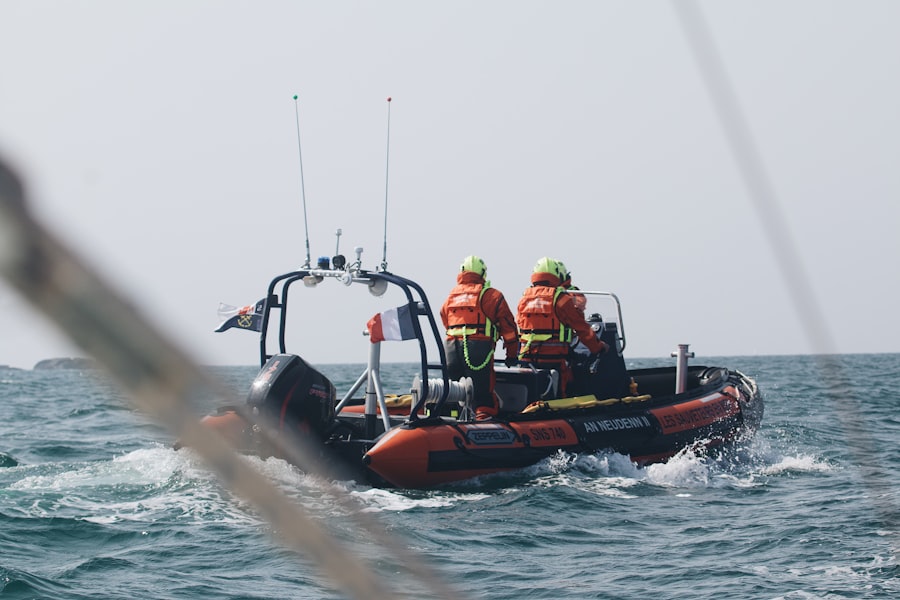
The success of maritime search and rescue operations hinges on the training and preparedness of the teams involved. Comprehensive training programs are essential for equipping rescuers with the skills needed to respond effectively in high-pressure situations. These programs often include simulations of various emergency scenarios, allowing teams to practice their responses in a controlled environment.
Such training not only builds technical skills but also fosters teamwork and communication among team members, which are vital during actual rescue missions. Preparedness extends beyond individual training; it encompasses the development of standard operating procedures (SOPs) that guide SAR operations. These SOPs outline clear roles and responsibilities for each team member, ensuring that everyone knows their tasks during a rescue mission.
Regular drills and exercises help reinforce these procedures, allowing teams to refine their strategies and improve their response times. By prioritizing training and preparedness, maritime authorities can create a culture of readiness that enhances the overall effectiveness of SAR operations.
Coordination and Communication in Maritime Search and Rescue Operations
Coordination and communication are fundamental components of successful maritime search and rescue operations. Given the complexity of these missions, which often involve multiple agencies and organizations, effective collaboration is essential. Establishing clear lines of communication among all parties involved—such as coast guards, naval forces, and volunteer organizations—ensures that resources are deployed efficiently and that information flows seamlessly throughout the operation.
The use of centralized command centers plays a crucial role in facilitating coordination during SAR missions. These centers serve as hubs for information gathering and dissemination, allowing decision-makers to assess the situation comprehensively. By utilizing advanced communication technologies, such as integrated command-and-control systems, SAR teams can share real-time updates on weather conditions, vessel locations, and other critical data.
This level of coordination not only enhances operational efficiency but also increases the likelihood of successful rescues.
Risk Assessment and Decision Making in Maritime Search and Rescue
| Metric | Description | Typical Value / Range | Unit |
|---|---|---|---|
| Average Response Time | Time taken from distress signal to arrival of rescue team | 30 – 90 | minutes |
| Number of Rescues per Year | Total successful maritime rescues conducted annually | 500 – 2000 | rescues |
| Search Area Coverage | Area covered during search operations | 10 – 500 | square nautical miles |
| Survival Rate | Percentage of persons rescued alive | 70 – 95 | % |
| Number of Vessels Deployed | Average number of rescue vessels used per operation | 1 – 5 | vessels |
| Helicopter Deployment Rate | Percentage of operations involving helicopter support | 40 – 60 | % |
| Average Duration of Operation | Time from start to completion of search and rescue mission | 2 – 12 | hours |
| False Alarm Rate | Percentage of distress signals that turn out to be false alarms | 10 – 25 | % |
Risk assessment is a vital aspect of maritime search and rescue operations, guiding decision-making processes throughout the mission. Rescuers must evaluate various factors, including weather conditions, sea state, and the capabilities of available resources, to determine the best approach for each situation. This assessment helps identify potential hazards that could jeopardize both the rescuers’ safety and the success of the operation.
Effective decision-making in SAR operations often relies on a combination of experience, training, and real-time data analysis. Commanders must weigh the risks against the urgency of the situation, making quick yet informed choices that prioritize safety while striving for successful outcomes. The ability to adapt to changing circumstances is also crucial; as conditions evolve during a rescue mission, teams must be prepared to reassess their strategies and make necessary adjustments to ensure both efficiency and safety.
The Role of International Cooperation in Maritime Search and Rescue
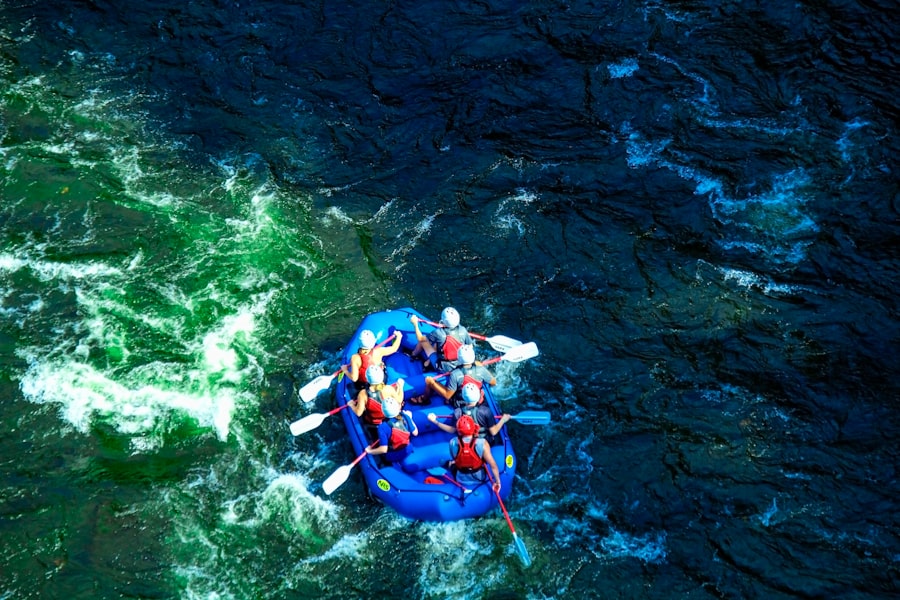
International cooperation is paramount in enhancing the effectiveness of maritime search and rescue operations. Given that distress situations can occur in international waters or involve vessels from multiple countries, collaboration among nations is essential for timely responses. Various international agreements, such as the International Convention on Maritime Search and Rescue (SAR Convention), establish frameworks for cooperation among signatory states, promoting standardized practices in SAR operations.
Joint exercises and training initiatives further strengthen international collaboration by fostering relationships among maritime authorities from different countries. These activities allow participants to share best practices, learn from one another’s experiences, and develop mutual understanding regarding operational protocols. By working together on a global scale, nations can enhance their collective capacity to respond to maritime emergencies effectively.
Challenges and Limitations in Maritime Search and Rescue Operations
Despite advancements in technology and training, maritime search and rescue operations face numerous challenges and limitations. One significant hurdle is the unpredictable nature of maritime environments. Weather conditions can change rapidly, creating dangerous situations for both rescuers and those in distress.
High seas, fog, or storms can hinder visibility and complicate rescue efforts, making it difficult for teams to navigate safely. Additionally, resource constraints often pose challenges for SAR operations. Many countries may lack sufficient funding or equipment to maintain a robust SAR capability.
This limitation can lead to delays in response times or inadequate coverage in certain regions. Furthermore, the increasing number of vessels at sea raises concerns about overcrowding in distress situations, complicating coordination efforts among multiple responding units.
Best Practices and Strategies for Efficient Maritime Search and Rescue
Implementing best practices is essential for enhancing the efficiency of maritime search and rescue operations. One effective strategy is the establishment of clear protocols for distress signal recognition and response. By standardizing procedures for identifying distress calls—whether through radio communications or visual signals—SAR teams can streamline their responses and reduce confusion during emergencies.
Another best practice involves fostering partnerships with local communities and organizations involved in maritime activities. Engaging fishermen, recreational boaters, and other stakeholders can enhance situational awareness by creating a network of individuals who can report emergencies promptly. Additionally, community involvement can lead to increased support for SAR initiatives through volunteer efforts or resource sharing.
The Impact of Weather and Environmental Factors on Maritime Search and Rescue
Weather conditions play a critical role in shaping maritime search and rescue operations. Adverse weather can significantly impact visibility, sea state, and overall safety during rescues. For instance, heavy rain or fog can obscure sightlines, making it challenging for rescuers to locate distressed vessels or individuals in need of assistance.
Similarly, rough seas can pose risks to both rescuers attempting to reach those in distress and those awaiting rescue. Environmental factors such as currents, tides, and water temperature also influence SAR operations. Strong currents can quickly carry individuals away from their original location, complicating search efforts.
Understanding these dynamics is crucial for SAR teams as they develop strategies tailored to specific conditions. By incorporating weather forecasts and environmental assessments into their planning processes, rescuers can enhance their effectiveness while prioritizing safety.
Case Studies and Success Stories in Maritime Search and Rescue Operations
Examining case studies of successful maritime search and rescue operations provides valuable insights into effective practices and strategies. One notable example is the coordinated response following a major shipping accident involving a cargo vessel that capsized off a busy shipping lane. Multiple countries collaborated seamlessly to deploy aircraft, ships, and divers within hours of receiving distress signals.
Their swift actions resulted in the successful rescue of several crew members who had managed to cling to life rafts despite treacherous conditions. Another inspiring case involved a fishing vessel that sank during a storm off the coast of a remote island community. Local fishermen quickly mobilized their boats to search for survivors while simultaneously alerting national authorities.
The rapid response from both local volunteers and professional SAR teams led to the recovery of all crew members within hours—a testament to the power of community involvement in enhancing maritime safety.
Future Developments and Innovations in Maritime Search and Rescue
The future of maritime search and rescue operations holds great promise as technological innovations continue to emerge.
These vehicles can cover vast areas quickly while providing real-time data back to command centers.
Additionally, advancements in artificial intelligence may revolutionize decision-making processes during SAR missions. AI algorithms could analyze vast amounts of data from various sources—such as weather patterns, vessel movements, and historical incident reports—to provide actionable insights that enhance situational awareness for rescuers. As these technologies develop further, they have the potential to transform how maritime search and rescue operations are conducted globally.
In conclusion, efficient search and rescue operations at sea are vital for safeguarding lives and ensuring safe navigation across increasingly busy waters. By leveraging technology, fostering international cooperation, prioritizing training, assessing risks effectively, addressing challenges head-on, implementing best practices, understanding environmental impacts, learning from past successes, and embracing future innovations—maritime authorities can enhance their capabilities significantly while continuing to protect those who venture into the vast oceans.
For a deeper understanding of the challenges and strategies involved in these operations, you can read a related article on this topic at this link. This article provides valuable insights into the techniques and technologies used by rescue teams to effectively respond to maritime emergencies.
WATCH THIS! 🚢 The Red Sea is burning. Panama is drying up. And the Drake Passage
FAQs
What are search and rescue maritime operations?
Search and rescue (SAR) maritime operations involve coordinated efforts to locate and assist people in distress or imminent danger at sea. These operations aim to save lives, provide medical aid, and ensure the safety of vessels and crew.
Who is responsible for conducting maritime search and rescue operations?
Maritime search and rescue operations are typically coordinated by national coast guards, maritime rescue coordination centers (MRCCs), and other relevant authorities. International cooperation may also occur through organizations like the International Maritime Organization (IMO).
What types of emergencies require maritime search and rescue?
Emergencies include vessel collisions, capsizing, man overboard situations, medical emergencies on board, fires, mechanical failures, and natural disasters such as storms or tsunamis.
What equipment is commonly used in maritime search and rescue?
Common equipment includes rescue boats, helicopters, lifeboats, life rafts, personal flotation devices, radar and sonar systems, distress beacons (EPIRBs), and communication devices like radios.
How are search areas determined during maritime SAR operations?
Search areas are determined based on the last known position of the vessel or person in distress, drift patterns influenced by wind and currents, and time elapsed since the incident. Search planners use mathematical models and historical data to optimize search efforts.
What international agreements govern maritime search and rescue?
The International Convention on Maritime Search and Rescue (SAR Convention) of 1979 provides a framework for cooperation among countries to ensure effective SAR services worldwide. The International Maritime Organization (IMO) oversees these agreements.
How can individuals prepare for maritime emergencies?
Individuals can prepare by wearing life jackets, carrying personal locator beacons, understanding emergency signals, participating in safety drills, and ensuring vessels are equipped with proper safety and communication equipment.
What role do technology and communication play in maritime SAR?
Technology and communication are critical for timely detection, coordination, and execution of SAR operations. Satellite tracking, GPS, automated distress signals, and real-time communication enable faster response and improved chances of rescue.
Are there specialized teams involved in maritime search and rescue?
Yes, specialized teams such as coast guard units, naval forces, volunteer rescue organizations, and trained divers often participate in maritime SAR operations, bringing expertise in navigation, medical aid, and rescue techniques.
What challenges are commonly faced during maritime search and rescue operations?
Challenges include adverse weather conditions, vast search areas, limited visibility, communication difficulties, and the physical condition of survivors. These factors can complicate and prolong rescue efforts.