
Maritime chokepoints are narrow passages in global shipping routes where maritime traffic becomes concentrated and restricted. Examples include the Strait of Hormuz and the Panama Canal. These passages are essential for international trade, enabling the transport of goods and resources across continents.
Their importance extends to economic stability, national development, and the maintenance of global supply chains. Analyzing their geographical, economic, and strategic characteristics is fundamental to understanding international trade dynamics. The strategic location of maritime chokepoints frequently generates geopolitical competition.
Control over these passages provides nations with substantial economic and political leverage, as countries seek to secure advantageous positions in major shipping lanes. The consequences of such control affect economic interests, national security, diplomatic relations, and military capabilities. As international trade volumes increase, the relevance of these chokepoints will likely intensify, requiring policymakers and industry stakeholders to address their operational challenges and security risks.
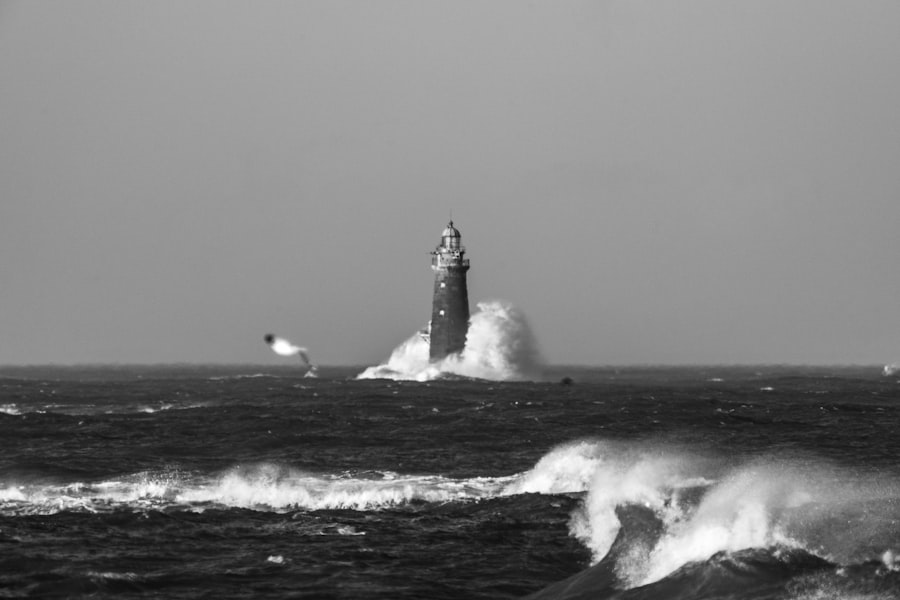
The treacherous waters of the Drake Passage are known for their unpredictable weather and challenging navigation.
Key Takeaways
- Maritime chokepoints are critical narrow passages that significantly influence global trade and security.
- These chokepoints have substantial economic impacts by affecting shipping routes and costs.
- Environmental risks at chokepoints include pollution and habitat disruption due to heavy maritime traffic.
- Geopolitical tensions often arise around chokepoints, affecting international relations and security.
- Advances in technology and strategic planning are essential for managing and mitigating chokepoint challenges.
The Economic Impact of Maritime Chokepoints
The economic ramifications of maritime chokepoints are profound and multifaceted. They serve as gateways for a substantial portion of the world’s trade, with estimates suggesting that over 80% of global merchandise trade by volume is transported by sea. Disruptions in these chokepoints can lead to significant delays and increased costs, affecting everything from consumer prices to the profitability of businesses reliant on timely deliveries.
For instance, a blockage in a major chokepoint can result in cascading effects throughout the supply chain, leading to shortages and inflationary pressures in various markets. Moreover, the economic impact extends beyond immediate disruptions. The reliance on specific chokepoints can create vulnerabilities within national economies.
Countries that depend heavily on a single maritime route for their imports or exports may find themselves at risk if geopolitical tensions arise or if natural disasters occur. This dependence can lead to a lack of diversification in trade routes, making economies more susceptible to external shocks. As such, understanding the economic implications of maritime chokepoints is essential for policymakers and business leaders alike.
Environmental Concerns and Maritime Chokepoints
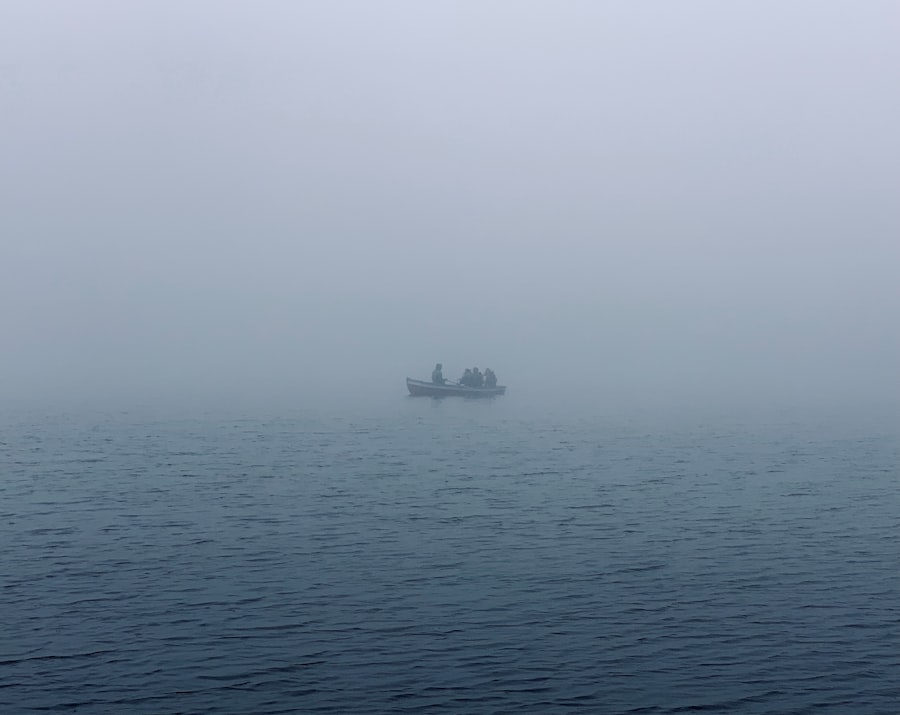
The environmental implications of maritime chokepoints are increasingly coming under scrutiny as global awareness of ecological issues rises. The concentration of shipping traffic in these narrow passages raises concerns about pollution, marine biodiversity, and the overall health of ocean ecosystems.
Additionally, the emissions from ships contribute to air pollution and climate change, raising questions about the sustainability of current shipping practices. Furthermore, the potential for accidents in these high-traffic areas poses significant environmental risks. The likelihood of collisions or groundings increases with the volume of vessels navigating through narrow channels.
Such incidents can lead to catastrophic consequences not only for the environment but also for local economies that depend on healthy marine ecosystems. As global shipping continues to grow, addressing these environmental concerns will be crucial for ensuring that maritime chokepoints do not become detrimental to both nature and human livelihoods.
Political and Geopolitical Implications of Maritime Chokepoints
The political landscape surrounding maritime chokepoints is often fraught with tension and competition. Nations recognize that control over these strategic passages can enhance their geopolitical standing and influence over global trade routes. For example, the Strait of Hormuz is a critical chokepoint for oil shipments, making it a focal point for regional power struggles in the Middle East.
The ability to control or threaten access to such vital routes can serve as a tool for political leverage, impacting international relations and security dynamics. Moreover, the geopolitical implications extend beyond immediate regional concerns. The interconnectedness of global trade means that disruptions in one chokepoint can have far-reaching effects on international markets and diplomatic relations.
Countries may form alliances or engage in conflicts based on their interests in securing access to these critical maritime routes. As nations navigate the complexities of globalization, understanding the political ramifications of maritime chokepoints becomes essential for fostering stability and cooperation in an increasingly interconnected world.
Strategies for Navigating Maritime Chokepoints
| Maritime Chokepoint | Invisible Toll Type | Estimated Annual Impact | Control Mechanism | Key Stakeholders |
|---|---|---|---|---|
| Strait of Hormuz | Security Delays | 5-7% increase in shipping time | Naval Patrols, Surveillance Drones | Iran, Gulf States, International Shipping Companies |
| Strait of Malacca | Insurance Premiums | Up to 15% higher insurance costs | Maritime Security Coalitions, Anti-Piracy Operations | Indonesia, Malaysia, Singapore, Shipping Insurers |
| Panama Canal | Administrative Delays | Average 12-hour waiting time | Automated Scheduling Systems, Traffic Management | Panama Canal Authority, Global Shipping Lines |
| Bab el-Mandeb | Ransom Payments (Piracy) | Estimated 100 million annually | International Naval Patrols, Private Security Firms | Yemen, Djibouti, Shipping Companies |
| Strait of Gibraltar | Environmental Compliance Costs | 3-5% increase in operational costs | Emission Control Areas, Monitoring Systems | Spain, Morocco, Environmental Agencies |
Navigating maritime chokepoints requires careful planning and strategic foresight. Shipping companies and logistics providers must develop comprehensive strategies to mitigate risks associated with these critical junctures. One approach involves diversifying shipping routes to reduce dependence on any single chokepoint.
By exploring alternative pathways or utilizing multimodal transport options, companies can enhance their resilience against potential disruptions. Additionally, investing in advanced navigation technologies can significantly improve safety and efficiency in these congested areas. Utilizing real-time data analytics and automated systems can help vessels optimize their routes, avoid congestion, and minimize delays.
Collaboration among stakeholders—governments, shipping companies, and environmental organizations—can also play a pivotal role in developing effective strategies for managing traffic through chokepoints while addressing environmental concerns.
Technological Solutions for Managing Maritime Chokepoints
Technological advancements are playing an increasingly vital role in managing maritime chokepoints effectively. Innovations such as automated vessel tracking systems and predictive analytics are transforming how shipping companies approach navigation through these critical areas. By leveraging data-driven insights, companies can make informed decisions about routing, scheduling, and resource allocation, ultimately enhancing operational efficiency.
Moreover, emerging technologies like artificial intelligence (AI) and machine learning are being integrated into maritime operations to improve safety and reduce environmental impacts. For instance, AI algorithms can analyze historical traffic patterns to predict congestion points and suggest optimal sailing speeds to minimize fuel consumption. These technological solutions not only streamline operations but also contribute to more sustainable practices within the shipping industry.
The Human Cost of Maritime Chokepoints
The human cost associated with maritime chokepoints is often overlooked amidst discussions of economic and geopolitical implications. The lives of seafarers navigating these congested waters are at risk due to the potential for accidents, piracy, and other hazards inherent in high-traffic areas. Crew members face long hours at sea under challenging conditions, which can take a toll on their physical and mental well-being.
Additionally, communities located near major chokepoints may experience social and economic challenges stemming from increased shipping traffic. While some may benefit from job opportunities related to port activities, others may suffer from pollution and disruptions to their daily lives. Addressing the human cost associated with maritime chokepoints requires a holistic approach that considers the well-being of both seafarers and local communities impacted by shipping activities.
Legal and Regulatory Considerations for Maritime Chokepoints
The legal framework governing maritime chokepoints is complex and multifaceted, involving international treaties, national laws, and regional agreements. The United Nations Convention on the Law of the Sea (UNCLOS) provides a foundational legal structure for navigating issues related to territorial waters, navigation rights, and environmental protection in these critical areas. However, differing interpretations of these laws can lead to disputes among nations regarding access and control over specific chokepoints.
Furthermore, regulatory considerations extend beyond legal frameworks to encompass safety standards, environmental regulations, and security protocols. Ensuring compliance with these regulations is essential for maintaining safe navigation through chokepoints while minimizing environmental impacts. As global trade continues to evolve, ongoing dialogue among nations will be crucial for addressing legal challenges and fostering cooperation in managing maritime chokepoints effectively.
Case Studies of Significant Maritime Chokepoints
Examining case studies of significant maritime chokepoints provides valuable insights into their complexities and implications. The Suez Canal serves as a prime example; its blockage in 2021 by the Ever Given container ship highlighted vulnerabilities within global supply chains. The incident caused widespread disruptions, demonstrating how quickly a single event can ripple through international markets.
Another notable case is the Strait of Malacca, one of the busiest shipping lanes globally. This chokepoint has been a focal point for piracy concerns due to its narrow passages and high traffic volume. Efforts by regional governments to enhance security measures have been crucial in mitigating risks associated with piracy while ensuring safe passage for vessels navigating this vital route.
Future Trends and Challenges for Maritime Chokepoints
As global trade continues to evolve, several trends are likely to shape the future landscape of maritime chokepoints. The increasing size of container ships poses challenges for existing infrastructure at many ports and chokepoints worldwide. Adapting to accommodate larger vessels will require significant investments in port facilities and navigational technologies.
Additionally, climate change presents both challenges and opportunities for maritime chokepoints. Rising sea levels may alter navigational routes or increase the frequency of extreme weather events that disrupt shipping traffic. Conversely, advancements in green shipping technologies could lead to more sustainable practices within the industry as stakeholders seek to minimize their environmental footprint.
Navigating the Invisible Toll of Maritime Chokepoints
In conclusion, maritime chokepoints represent critical junctures in global trade that carry significant economic, environmental, political, and human implications. Understanding their complexities is essential for navigating the challenges they present while maximizing their potential benefits. As stakeholders work together to address issues related to safety, sustainability, and legal frameworks, it becomes increasingly important to recognize the invisible toll that these vital passages impose on economies and communities alike.
The future of maritime chokepoints will undoubtedly be shaped by technological advancements, evolving geopolitical dynamics, and growing environmental concerns. By fostering collaboration among nations and investing in innovative solutions, stakeholders can work towards ensuring that these critical routes remain open and secure while minimizing their impact on people and the planet. Ultimately, navigating the invisible toll of maritime chokepoints requires a comprehensive approach that balances economic interests with social responsibility and environmental stewardship.
The concept of invisible tolls at maritime chokepoints is crucial for understanding global trade dynamics and security. For a deeper exploration of this topic, you can refer to a related article that discusses the implications of maritime control and its impact on international relations. Check it out here: Invisible Tolls and Maritime Chokepoints.
WATCH THIS! 🚢 The Red Sea is burning. Panama is drying up. And the Drake Passage
FAQs
What are maritime chokepoints?
Maritime chokepoints are narrow passages or straits that connect larger bodies of water and are critical for global shipping routes. They are strategic locations where a significant portion of the world’s maritime trade passes through.
Why are maritime chokepoints important for global trade?
Maritime chokepoints are vital because they serve as key transit points for the transportation of goods, including oil, natural gas, and manufactured products. Control over these chokepoints can influence global supply chains and energy security.
What does the term “invisible tolls” refer to in the context of maritime chokepoints?
“Invisible tolls” refer to the indirect costs and risks associated with navigating maritime chokepoints, such as delays, increased insurance premiums, security threats, and geopolitical tensions, rather than explicit fees or tariffs.
Which are some of the most significant maritime chokepoints worldwide?
Some of the most significant maritime chokepoints include the Strait of Hormuz, the Suez Canal, the Strait of Malacca, the Bab el-Mandeb Strait, and the Panama Canal.
How do geopolitical factors affect control over maritime chokepoints?
Geopolitical factors such as territorial disputes, military presence, and international alliances can impact control over maritime chokepoints, affecting the security and accessibility of these routes for global shipping.
What are the risks associated with maritime chokepoints?
Risks include piracy, military conflicts, blockades, accidents, and environmental hazards, all of which can disrupt shipping traffic and increase costs for global trade.
How do maritime chokepoints influence global energy markets?
Many maritime chokepoints are critical for the transport of oil and natural gas. Disruptions or control over these chokepoints can affect energy supply, prices, and market stability worldwide.
What measures are taken to secure maritime chokepoints?
Measures include naval patrols, international cooperation, surveillance systems, anti-piracy operations, and diplomatic efforts to ensure safe and open passage for commercial vessels.
Can alternative routes reduce dependence on maritime chokepoints?
While alternative routes exist, such as pipelines or longer sea routes, they often involve higher costs, longer transit times, or limited capacity, making maritime chokepoints still essential for efficient global trade.
How do invisible tolls impact shipping companies and consumers?
Invisible tolls can increase operational costs for shipping companies through higher insurance, security expenses, and delays, which may ultimately lead to higher prices for consumers and disruptions in supply chains.