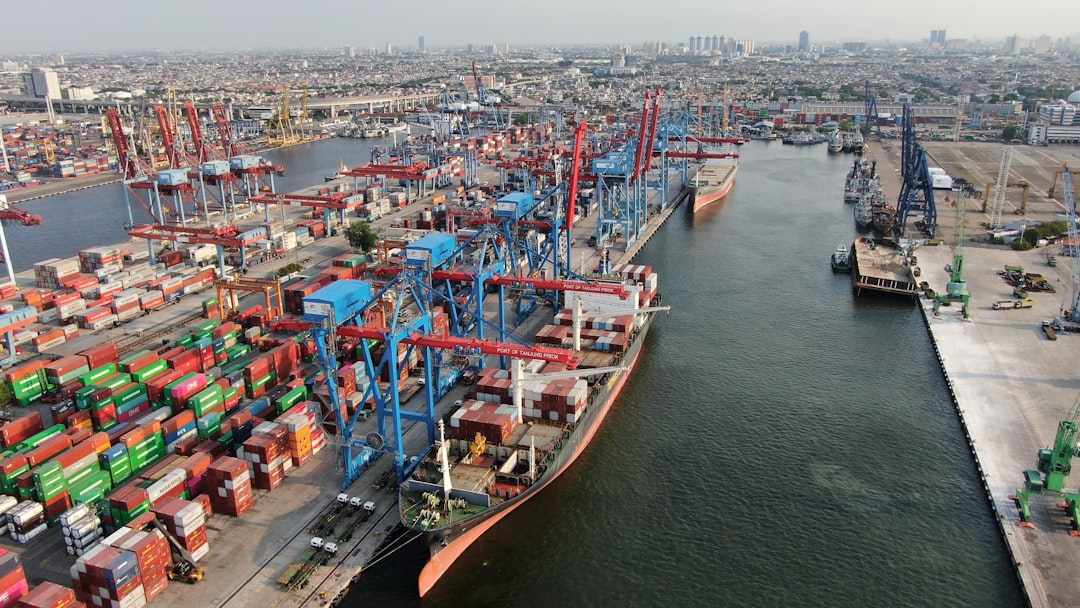
In recent decades, China has become a major force in global shipping, evolving from a minor participant to a leading industry player. This shift began with China’s economic reforms in the late 20th century, which liberalized markets and attracted foreign investment. As China’s economy expanded, demand for efficient shipping infrastructure grew to support increased trade activity.
The country leveraged its natural advantages, including an extensive coastline and strategic location near major international shipping routes, to establish itself as a key maritime commerce hub. China’s emergence as a global shipping power reflects both economic expansion and deliberate strategic planning. The Chinese government recognized that controlling shipping routes and port infrastructure would be essential for long-term economic development.
In response, China has made substantial investments in expanding its shipping capacity at both domestic and international levels. These investments have enabled the country to fulfill its own trade requirements while simultaneously gaining influence over global shipping operations and market conditions.
Key Takeaways
- China has rapidly become a leading global shipping power through massive investments in port infrastructure and shipbuilding.
- The Belt and Road Initiative significantly enhances China’s influence over key maritime trade routes worldwide.
- Chinese state-owned shipping companies play a central role in expanding China’s presence in international shipping markets.
- China controls critical shipping technology and innovation, strengthening its competitive edge in the maritime industry.
- Geopolitical tensions and opposition present challenges to China’s ambitions for global shipping dominance, shaping the future landscape.
China’s Investment in Port Infrastructure
China’s commitment to enhancing its port infrastructure has been a cornerstone of its rise in the shipping sector. The government has poured billions of dollars into modernizing existing ports and constructing new ones, ensuring that they can accommodate the largest vessels in operation today. Major ports such as Shanghai, Ningbo, and Shenzhen have undergone significant upgrades, allowing them to handle increasing volumes of cargo efficiently.
These investments have positioned China as a critical node in global supply chains, facilitating trade not just within Asia but across the world. Moreover, China’s focus on port infrastructure extends beyond its borders. The country has engaged in numerous overseas port development projects, particularly in regions such as Africa, Southeast Asia, and Europe.
By investing in foreign ports, China is not only securing access to vital shipping routes but also establishing strategic partnerships that enhance its influence in global trade. This proactive approach to port development underscores China’s ambition to solidify its status as a leading player in international shipping. The treacherous waters of the Drake Passage are known for their unpredictable weather and challenging navigation.
The Belt and Road Initiative and its Impact on Global Shipping
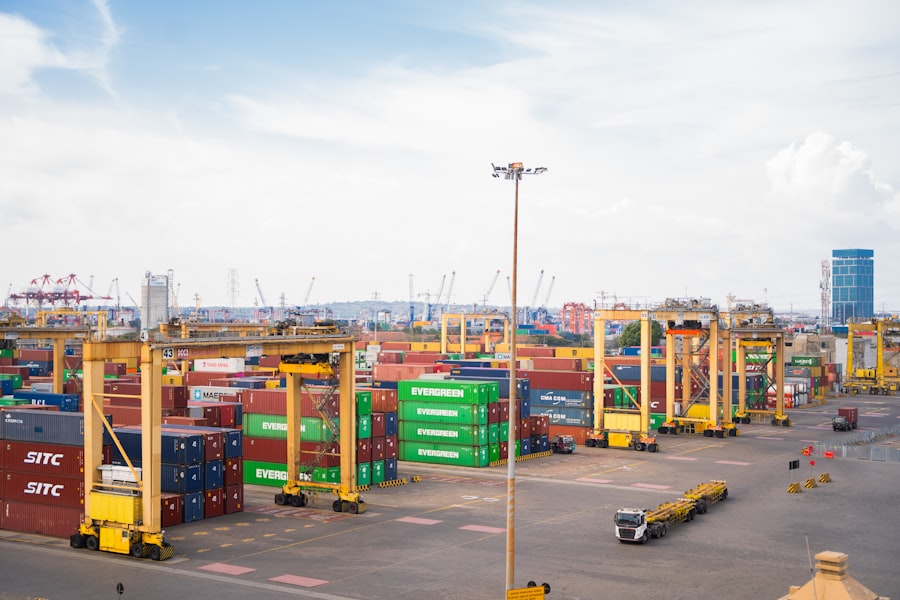
The Belt and Road Initiative (BRI), launched by China in 2013, represents one of the most ambitious infrastructure projects in history, aiming to enhance connectivity across Asia, Europe, and Africa. This initiative has profound implications for global shipping, as it seeks to create a modern Silk Road that facilitates trade through improved transportation networks. By investing in roads, railways, and ports along these routes, China is effectively reshaping the landscape of international commerce.
The BRI has led to the development of new shipping corridors that bypass traditional routes, thereby altering established trade patterns. For instance, investments in ports in countries like Pakistan and Sri Lanka have created alternative pathways for goods moving between Asia and Europe. This diversification of shipping routes not only enhances efficiency but also provides China with greater leverage over global trade dynamics.
As countries increasingly rely on these new corridors for their shipping needs, China’s influence over maritime trade is expected to grow even further.
China’s Dominance in Shipbuilding
China’s shipbuilding industry has become synonymous with quality and efficiency, positioning the country as the world’s largest shipbuilder. The nation’s shipyards produce a significant percentage of the world’s commercial vessels, including container ships, bulk carriers, and tankers. This dominance is attributed to a combination of advanced technology, skilled labor, and substantial government support.
By investing in research and development, China has been able to innovate and improve its shipbuilding processes, resulting in vessels that are not only cost-effective but also environmentally friendly. The implications of China’s shipbuilding prowess extend beyond economic benefits; they also enhance the country’s strategic capabilities. With a robust fleet at its disposal, China can project power across the seas and secure vital trade routes.
Furthermore, the ability to produce advanced naval vessels bolsters national security and allows China to assert its interests in contested waters. As the global demand for shipping continues to rise, China’s shipbuilding industry is poised to maintain its competitive edge.
The Role of Chinese State-Owned Shipping Companies
| Metric | Details |
|---|---|
| Number of Ports Controlled | Over 20 major ports worldwide |
| Key Regions | Asia, Africa, Europe, Middle East |
| Investment in Port Infrastructure | Billions of USD in upgrades and expansions |
| Strategic Shipping Routes | South China Sea, Indian Ocean, Mediterranean Sea |
| Number of Shipping Companies Owned | Multiple state-owned and private enterprises |
| Annual Cargo Volume Handled | Hundreds of millions of TEUs (twenty-foot equivalent units) |
| Control Over Maritime Infrastructure | Ports, logistics hubs, shipyards, and refueling stations |
| Geopolitical Influence | Enhanced leverage over global trade and supply chains |
State-owned enterprises (SOEs) play a pivotal role in China’s shipping industry, with companies like COSCO Shipping and China Merchants Group leading the charge. These SOEs benefit from government backing, which provides them with access to capital and resources that private companies may lack. This support enables them to expand their fleets rapidly and invest in cutting-edge technology, further solidifying their positions in the global market.
Chinese state-owned shipping companies are not only significant players in terms of capacity but also in terms of strategic influence. They often engage in partnerships with foreign firms and governments, facilitating trade agreements that align with China’s broader geopolitical objectives. By leveraging their resources and connections, these companies can navigate complex international waters while promoting China’s interests abroad.
Their dominance in the shipping sector underscores the interconnectedness of economic power and state strategy.
China’s Influence on Maritime Trade Routes

China’s ascendance as a global shipping power has allowed it to exert considerable influence over maritime trade routes. The country controls key chokepoints such as the South China Sea and the Strait of Malacca, which are vital for international shipping traffic. By maintaining a strong naval presence in these regions, China can safeguard its trade interests while also asserting its territorial claims.
Additionally, China’s investments in port infrastructure along critical trade routes have further enhanced its influence. By developing ports in strategic locations, such as Gwadar in Pakistan and Hambantota in Sri Lanka, China has created gateways that facilitate access to major markets. This control over maritime trade routes not only benefits Chinese exporters but also allows the country to shape global supply chains according to its economic priorities.
The Expansion of Chinese Shipping Companies into International Markets
In recent years, Chinese shipping companies have increasingly sought to expand their operations into international markets. This expansion is driven by a desire to diversify revenue streams and reduce reliance on domestic trade. By establishing subsidiaries or acquiring stakes in foreign shipping firms, Chinese companies can gain access to new markets and enhance their global footprint.
Nevertheless, their persistence has led to significant successes in various regions around the world. As they continue to navigate these complexities, Chinese shipping companies are likely to play an even more prominent role in shaping the future of global maritime trade.
China’s Control of Shipping Technology and Innovation
China’s commitment to advancing shipping technology has positioned it at the forefront of innovation within the industry. The country has invested heavily in research and development initiatives aimed at improving vessel design, fuel efficiency, and automation. As a result, Chinese shipbuilders are producing some of the most technologically advanced vessels on the market today.
This focus on innovation extends beyond shipbuilding; it encompasses logistics and supply chain management as well. Chinese companies are increasingly adopting digital technologies such as blockchain and artificial intelligence to streamline operations and enhance efficiency. By leading the charge in technological advancements, China is not only improving its own shipping capabilities but also setting new standards for the global industry.
The Geopolitical Implications of China’s Dominance in Global Shipping
China’s dominance in global shipping carries significant geopolitical implications that extend far beyond economic considerations. As the country continues to expand its influence over maritime trade routes and port infrastructure worldwide, it is reshaping the balance of power on the global stage.
Moreover, China’s growing naval capabilities enable it to project power beyond its borders, raising concerns among neighboring countries and global powers alike. The potential for conflict over contested waters is heightened by China’s assertive stance on territorial claims in regions such as the South China Sea. As other nations respond to China’s maritime ambitions by strengthening their own naval forces or forming alliances, the geopolitical landscape is becoming increasingly complex.
Challenges and Opposition to China’s Shipping Dominance
Despite its impressive rise as a global shipping power, China faces several challenges and opposition from various quarters. Concerns about transparency and fair competition have led some countries to scrutinize Chinese investments in their port infrastructure more closely. There are fears that these investments could lead to strategic vulnerabilities or even dependency on Chinese interests.
Additionally, geopolitical tensions with countries such as the United States have prompted calls for greater scrutiny of Chinese shipping practices. Trade disputes and accusations of unfair practices have created an environment where Chinese companies must navigate complex regulatory landscapes abroad. As opposition grows against China’s shipping dominance, it remains to be seen how effectively the country can address these challenges while continuing its expansionist agenda.
The Future of China’s Strategic Plot to Dominate Global Shipping
Looking ahead, China’s strategic plot to dominate global shipping appears poised for continued evolution. The combination of robust investments in infrastructure, technological innovation, and state support positions China favorably for future growth within this critical sector. However, navigating geopolitical tensions and addressing concerns from other nations will be essential for sustaining this momentum.
As global trade patterns shift and new challenges emerge—such as climate change and evolving consumer demands—China’s adaptability will be tested. The country’s ability to innovate while maintaining its competitive edge will determine whether it can solidify its status as a preeminent force in global shipping for years to come. Ultimately, China’s journey toward maritime supremacy will be shaped by both internal strategies and external pressures as it seeks to navigate an increasingly interconnected world.
China’s strategic ambitions in global shipping have raised concerns among international observers, particularly regarding its plans to enhance control over key maritime routes. A related article that delves deeper into this topic can be found at this link, where it discusses the implications of China’s initiatives on global trade and security.
WATCH THIS! 🚢 The Red Sea is burning. Panama is drying up. And the Drake Passage
FAQs
What is China’s secret plan to control global shipping?
China’s secret plan to control global shipping involves strategic investments in key ports, development of advanced maritime infrastructure, and expansion of its shipping fleet to dominate international trade routes and logistics networks.
Why is global shipping important to China?
Global shipping is crucial to China because it facilitates the export and import of goods, supports its manufacturing economy, and ensures access to vital resources. Controlling shipping routes enhances China’s economic security and geopolitical influence.
How is China expanding its influence in global shipping?
China is expanding its influence by investing in port facilities worldwide through initiatives like the Belt and Road Initiative, acquiring shipping companies, and developing advanced maritime technology to increase its control over shipping lanes and logistics chains.
What role do Chinese ports play in this plan?
Chinese ports serve as critical hubs for maritime trade, enabling China to manage cargo flows efficiently. Overseas port investments allow China to establish strategic footholds, facilitating control over key maritime chokepoints and enhancing its global shipping presence.
Are there any international concerns about China’s shipping strategy?
Yes, some countries and analysts express concerns that China’s growing control over global shipping could lead to increased geopolitical leverage, potential disruptions in trade, and challenges to the existing international maritime order.
How does China’s plan affect global trade?
China’s plan could streamline trade routes and reduce shipping costs, but it may also shift the balance of power in global trade, potentially leading to increased dependence on Chinese-controlled infrastructure and influence over international shipping regulations.
What is the Belt and Road Initiative’s role in China’s shipping ambitions?
The Belt and Road Initiative (BRI) is a key component, providing funding and support for infrastructure projects, including ports and shipping facilities, that enhance China’s connectivity and control over global maritime trade routes.
Is China’s plan focused only on commercial shipping?
While primarily focused on commercial shipping, China’s plan also has strategic military implications, as control over shipping lanes can enhance naval mobility and security for China’s maritime interests.
How are other countries responding to China’s shipping strategy?
Other countries are responding by strengthening their own maritime infrastructure, forming alliances, increasing naval presence in key regions, and promoting alternative trade routes to counterbalance China’s growing influence.
What are the long-term implications of China’s control over global shipping?
Long-term implications may include shifts in global economic power, changes in trade dynamics, increased geopolitical competition, and potential challenges to the freedom of navigation and international maritime law.