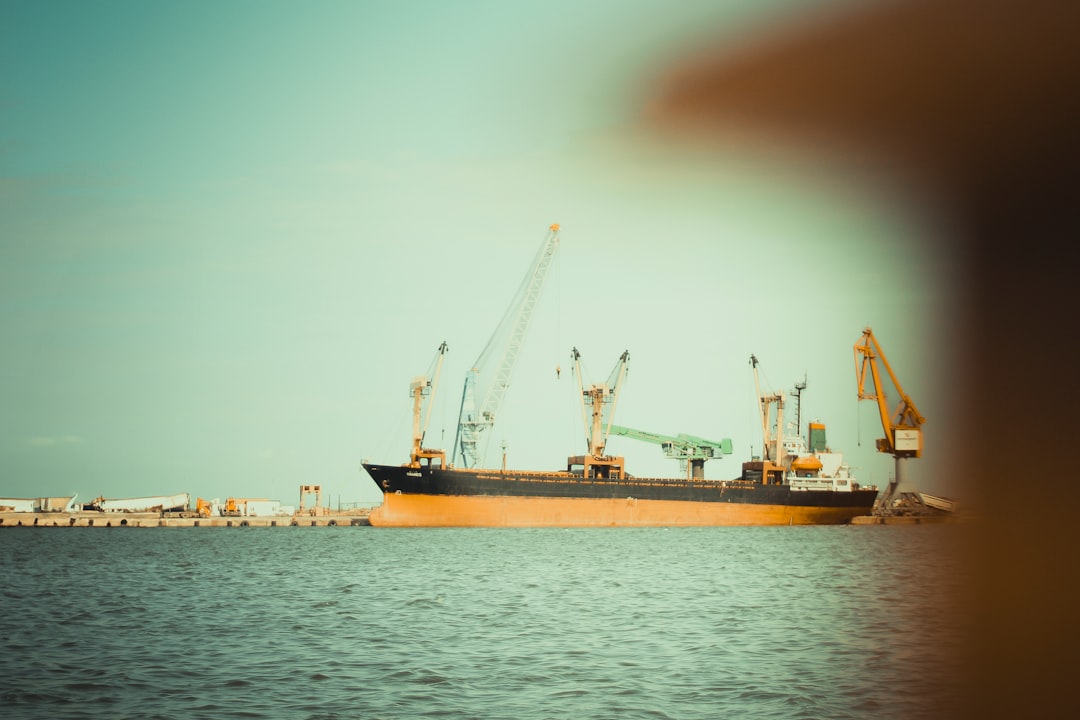
Over the past several decades, China has developed into a significant maritime power, fundamentally altering patterns of global commerce and international relations. Whereas China’s maritime presence was historically modest, the country has undergone substantial transformation since the 1980s. China has made considerable investments in naval expansion, shipbuilding capacity, and port development, establishing itself as a major participant in international maritime commerce.
This expansion reflects both economic development and strategic objectives, including the protection of essential shipping routes and the advancement of national security interests. China’s maritime expansion is evident in its increasing presence in the South China Sea and adjacent regions. The construction of artificial islands and military facilities in disputed territorial waters has generated concern among regional neighbors and major world powers.
This activity demonstrates China’s intent to extend its strategic influence across maritime regions and protect its commercial and security interests in major shipping corridors. Consequently, the international maritime balance of power is undergoing significant realignment, with China playing a central role in this shift.
Key Takeaways
- China has rapidly emerged as a dominant maritime power through strategic initiatives like the Maritime Silk Road.
- Significant investments in port infrastructure and shipping lanes have expanded China’s global maritime influence.
- State-owned shipping companies and advancements in maritime technology bolster China’s control over global shipping.
- China’s dominance carries major geopolitical implications, affecting international maritime law and global trade dynamics.
- Other maritime powers face challenges and are formulating responses to counterbalance China’s growing influence.
China’s Ambitious Maritime Silk Road Initiative
At the heart of China’s maritime strategy lies the ambitious Maritime Silk Road Initiative (MSRI), part of the broader Belt and Road Initiative (BRI). Launched in 2013, the MSRI aims to enhance connectivity and trade across Asia, Europe, and Africa through a network of ports and infrastructure projects. This initiative reflects China’s desire to revive historical trade routes while simultaneously expanding its economic influence on a global scale.
By investing in port development and logistics, China seeks to create a seamless flow of goods that benefits both its economy and those of partner countries. The MSRI has garnered both support and skepticism from various nations. Proponents argue that it offers much-needed investment in infrastructure for developing countries, potentially spurring economic growth and job creation.
However, critics caution against the potential for debt dependency and loss of sovereignty, as countries may find themselves beholden to Chinese interests. The dual nature of the MSRI highlights the complexities of China’s maritime ambitions, as it navigates the fine line between cooperation and dominance. The treacherous waters of the Drake Passage are known for their unpredictable weather and challenging navigation.
The Expansion of Chinese Port Infrastructure
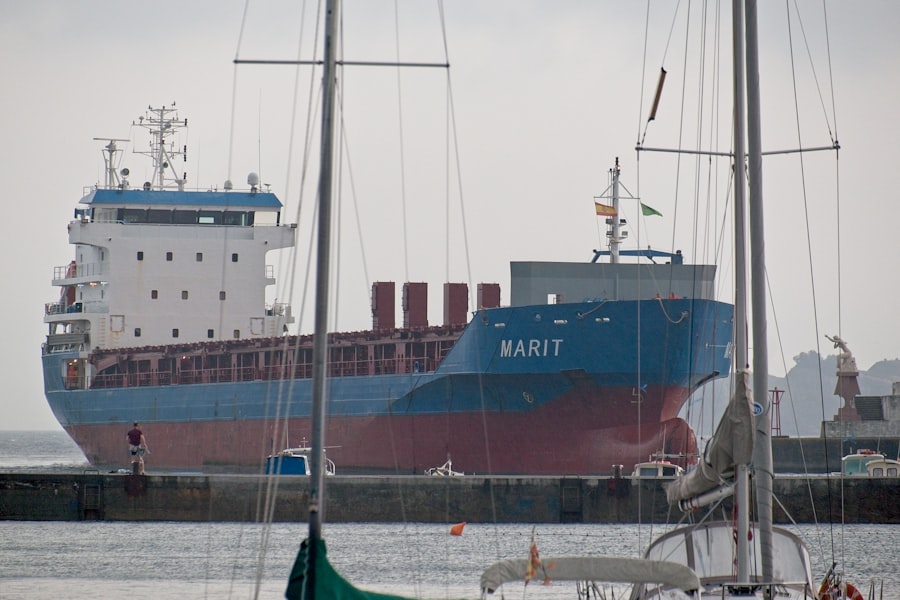
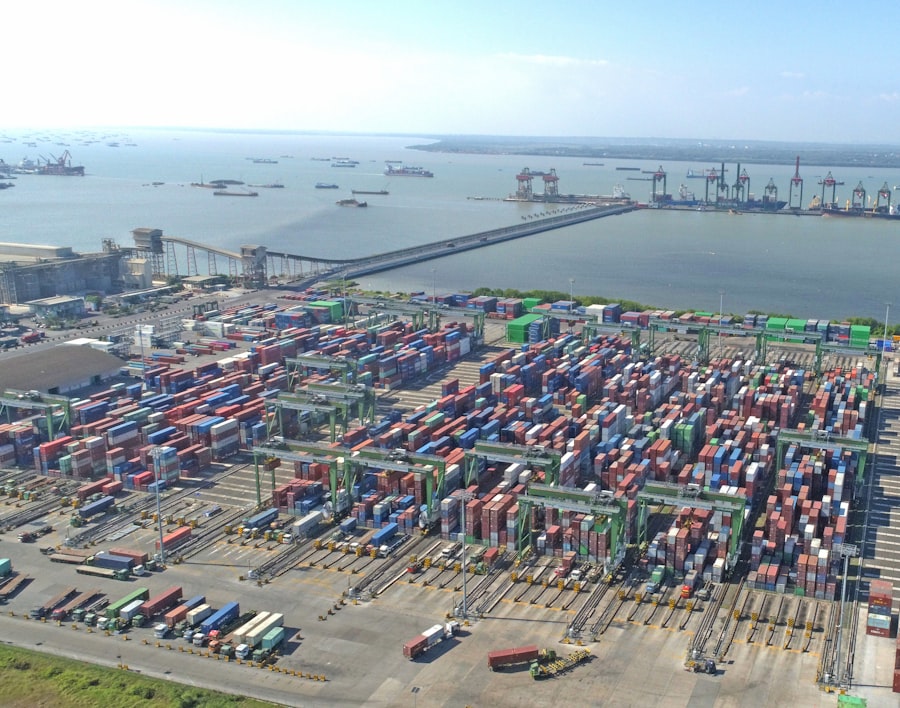
China’s commitment to expanding its port infrastructure is evident in its investments both domestically and internationally. Domestically, major ports such as Shanghai, Shenzhen, and Ningbo have undergone significant upgrades to accommodate increasing cargo volumes and larger vessels. These enhancements not only bolster China’s position as a global shipping hub but also facilitate its domestic economic growth by streamlining supply chains.
Internationally, China has pursued strategic partnerships with countries along the Maritime Silk Road. Investments in ports in Africa, Southeast Asia, and Europe have allowed China to establish a foothold in key maritime regions. For instance, the development of Gwadar Port in Pakistan and Hambantota Port in Sri Lanka exemplifies China’s approach to securing vital shipping routes while providing infrastructure support to partner nations.
This expansion of port infrastructure not only enhances China’s global trade capabilities but also solidifies its influence over critical maritime chokepoints.
China’s Control over Shipping Lanes and Chokepoints
Control over shipping lanes and chokepoints is a crucial aspect of China’s maritime strategy. The South China Sea, through which a significant portion of global trade passes, has become a focal point for China’s assertive actions. By asserting territorial claims and establishing military installations on artificial islands, China aims to secure its interests in this vital region.
Moreover, China’s influence extends beyond the South China Sea to other critical chokepoints such as the Strait of Malacca and the Suez Canal. By investing in port facilities and establishing partnerships with countries that control these strategic waterways, China seeks to ensure unimpeded access for its shipping fleets.
Chinese State-Owned Shipping Companies and their Global Influence
| Metric | Details |
|---|---|
| Number of Ports Controlled | Over 20 major ports worldwide |
| Key Regions | Asia, Africa, Europe, Middle East |
| Investment in Port Infrastructure | Billions of USD in upgrades and expansions |
| Strategic Shipping Routes | South China Sea, Indian Ocean, Mediterranean Sea |
| Number of Shipping Companies Owned or Influenced | More than 10 major companies |
| Annual Cargo Volume Through Chinese-Controlled Ports | Over 500 million TEUs (twenty-foot equivalent units) |
| Military Presence | Naval bases near key shipping lanes |
| Technological Investments | AI and IoT for port management and security |
Chinese state-owned shipping companies play a pivotal role in bolstering China’s maritime ambitions. Companies such as COSCO Shipping and China Merchants Industry Holdings have expanded their fleets and global reach significantly over the past few years. These companies are not only instrumental in facilitating trade but also serve as tools of state policy, aligning their operations with China’s broader geopolitical objectives.
The global influence of these shipping giants is evident in their strategic acquisitions and partnerships around the world. By investing in foreign ports and logistics networks, Chinese shipping companies enhance their operational capabilities while simultaneously extending China’s economic footprint. This integration into global supply chains allows China to exert influence over international trade routes, further solidifying its position as a maritime powerhouse.
China’s Investment in Maritime Technology and Innovation
China’s rise as a maritime power is also characterized by significant investments in maritime technology and innovation. The country has prioritized research and development in shipbuilding, navigation systems, and logistics management to enhance its competitive edge in the global shipping industry. By leveraging advanced technologies such as automation and artificial intelligence, China aims to improve efficiency and reduce operational costs across its maritime operations.
Furthermore, China’s focus on green shipping technologies reflects its commitment to sustainability amid growing environmental concerns. Investments in eco-friendly vessels and alternative fuels demonstrate China’s recognition of the need for responsible maritime practices. As the global shipping industry faces increasing pressure to reduce emissions, China’s proactive approach positions it as a leader in maritime innovation while aligning with international sustainability goals.
The Geopolitical Implications of China’s Dominance in Global Shipping
China’s dominance in global shipping carries significant geopolitical implications that extend beyond economic considerations. As China strengthens its maritime capabilities, it challenges the traditional dominance of Western powers, particularly the United States. This shift has led to heightened tensions in regions such as the South China Sea, where competing territorial claims have sparked confrontations between China and other nations.
Moreover, China’s growing influence over global shipping routes raises concerns about potential coercive tactics against countries that may oppose its interests. The ability to control critical chokepoints could be leveraged as a tool for geopolitical leverage, prompting fears among neighboring nations about their vulnerability to Chinese pressure. As a result, the international community is increasingly scrutinizing China’s maritime activities, leading to calls for greater cooperation among maritime powers to counterbalance its influence.
China’s Influence on International Maritime Law and Regulations
China’s rise as a maritime power has also impacted international maritime law and regulations. As one of the largest trading nations globally, China plays a crucial role in shaping the rules governing maritime activities. Its participation in international organizations such as the International Maritime Organization (IMO) allows it to advocate for policies that align with its interests while influencing global standards.
However, China’s assertive actions in disputed waters have raised questions about its commitment to international law. Critics argue that China’s territorial claims contradict established norms under the United Nations Convention on the Law of the Sea (UNCLOS). This tension between China’s actions and international legal frameworks underscores the challenges faced by the global community in addressing disputes arising from its maritime ambitions.
The Environmental Impact of China’s Dominance in Global Shipping
The environmental impact of China’s dominance in global shipping cannot be overlooked. As one of the largest emitters of greenhouse gases from maritime activities, China’s shipping industry faces scrutiny regarding its contribution to climate change and marine pollution. The rapid expansion of its fleet has led to increased emissions, raising concerns about air quality and ocean health.
In response to these challenges, China has begun implementing measures aimed at reducing the environmental footprint of its shipping sector. Initiatives promoting cleaner technologies and sustainable practices reflect an acknowledgment of the need for responsible stewardship of marine resources. However, balancing economic growth with environmental sustainability remains a complex challenge for China as it seeks to maintain its position as a leading maritime power.
Challenges and Responses from Other Maritime Powers
China’s rise as a dominant force in global shipping has prompted responses from other maritime powers seeking to safeguard their interests. The United States, Japan, India, and European nations have expressed concerns about China’s assertiveness in contested waters and its growing influence over critical shipping routes. In response, these countries have sought to strengthen alliances and enhance their naval capabilities to counterbalance China’s maritime ambitions.
Collaborative efforts among like-minded nations have led to initiatives aimed at ensuring freedom of navigation and upholding international law in disputed waters. Joint military exercises and diplomatic engagements serve as platforms for reinforcing collective security measures against potential threats posed by China’s actions. As tensions continue to simmer in various regions, the responses from other maritime powers highlight the complexities of navigating an increasingly multipolar maritime landscape.
The Future of China’s Covert Strategy to Dominate Global Shipping
Looking ahead, China’s covert strategy to dominate global shipping is likely to evolve further as it adapts to changing geopolitical dynamics. The interplay between economic interests and national security considerations will shape China’s approach to maritime affairs in the coming years. As competition intensifies among major powers for influence over critical trade routes, China may employ a combination of soft power initiatives alongside assertive tactics to achieve its objectives.
Moreover, advancements in technology will play a pivotal role in shaping the future of China’s maritime strategy. Embracing innovations such as autonomous vessels and blockchain logistics could enhance efficiency while reinforcing its competitive edge in global shipping markets. However, navigating potential backlash from other nations will require careful diplomacy as China seeks to balance its ambitions with international expectations.
In conclusion, China’s rise as a maritime power represents a transformative shift in global trade dynamics with far-reaching implications for international relations. As it continues to expand its influence through initiatives like the Maritime Silk Road Initiative and investments in port infrastructure, the world watches closely for how this evolution will shape the future of global shipping and geopolitics at large.
China’s strategic ambitions in global shipping have raised concerns among international observers, particularly regarding its plans to enhance control over key maritime routes. A related article that delves deeper into this topic can be found at Real Lore and Order, where the implications of China’s shipping strategies on global trade dynamics are thoroughly analyzed. This exploration sheds light on the potential challenges and responses from other nations as they navigate the complexities of maritime geopolitics.
WATCH THIS! 🚢 The Red Sea is burning. Panama is drying up. And the Drake Passage
FAQs
What is China’s secret plan to control global shipping?
China’s secret plan to control global shipping involves strategic investments in key ports, development of advanced maritime infrastructure, and expansion of its shipping fleet to dominate international trade routes and logistics networks.
Why is global shipping important to China?
Global shipping is crucial to China because it facilitates the export and import of goods, supports its manufacturing economy, and ensures access to vital resources. Controlling shipping routes enhances China’s economic influence and national security.
How is China expanding its influence in global shipping?
China is expanding its influence by investing in port facilities worldwide through initiatives like the Belt and Road Initiative, acquiring shipping companies, and developing advanced maritime technology to increase its control over shipping lanes and logistics.
What role do Chinese ports play in this plan?
Chinese ports serve as critical hubs for maritime trade, enabling China to manage cargo flows efficiently. Overseas port investments allow China to establish strategic footholds, facilitating control over key maritime chokepoints and trade routes.
Are there any international concerns about China’s shipping strategy?
Yes, some countries express concerns that China’s growing control over global shipping could lead to geopolitical leverage, threaten free trade principles, and increase dependency on Chinese infrastructure and logistics networks.
How does China’s plan affect global trade?
China’s plan could reshape global trade by centralizing shipping routes and logistics under Chinese influence, potentially altering trade dynamics, supply chain security, and the balance of economic power among nations.
What technologies is China using to enhance its shipping capabilities?
China is investing in smart port technologies, autonomous shipping vessels, advanced navigation systems, and digital logistics platforms to improve efficiency, security, and control over maritime trade operations.
Is China’s plan publicly acknowledged or secret?
While many aspects of China’s maritime expansion are publicly known, certain strategic details and long-term objectives are closely guarded, leading to descriptions of the plan as “secret” or covert in nature.
How do other countries respond to China’s shipping ambitions?
Other countries respond with a mix of cooperation, competition, and caution, investing in their own maritime infrastructure, forming alliances, and implementing policies to counterbalance China’s growing influence in global shipping.
What is the Belt and Road Initiative’s role in China’s shipping strategy?
The Belt and Road Initiative is a key component, providing funding and support for infrastructure projects, including ports and shipping facilities, that extend China’s reach across Asia, Africa, and Europe, enhancing its control over global maritime trade routes.