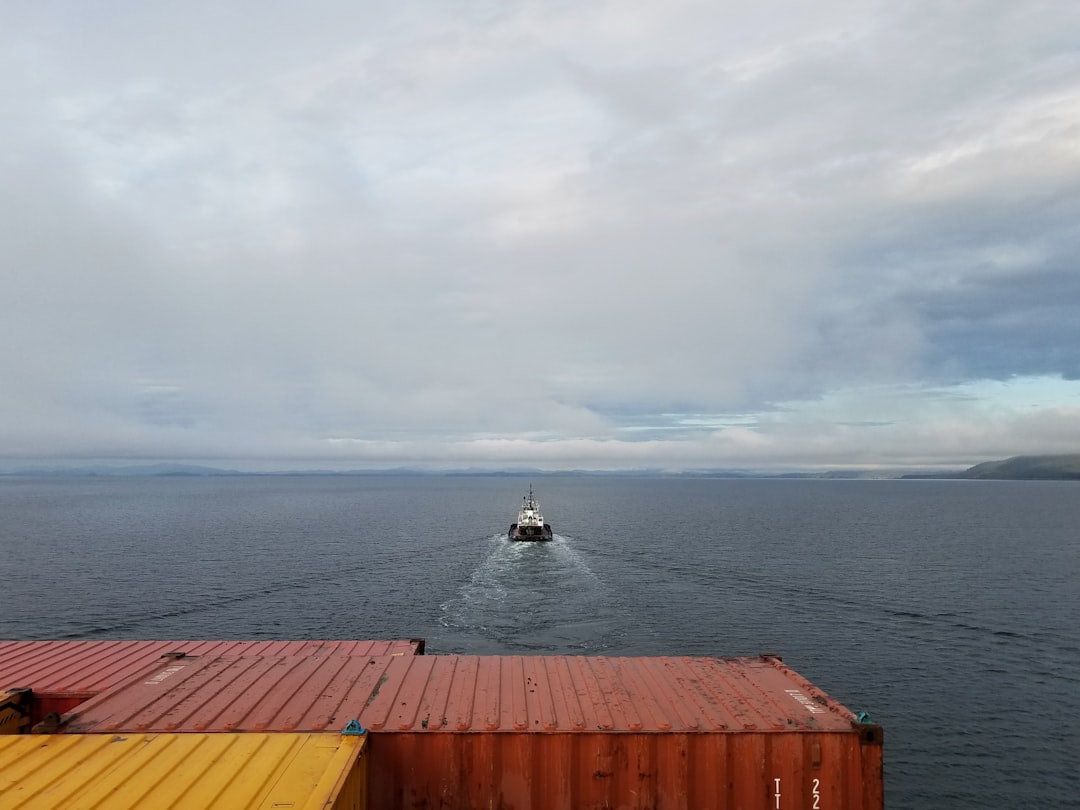
The Drake Passage is a body of water located between the southern tip of South America and Antarctica, approximately 800 kilometers (500 miles) wide. It connects the Atlantic and Pacific Oceans and serves as a major maritime route for vessels traveling to and from the Antarctic region. The passage is named after English explorer Sir Francis Drake, who sailed through these waters in the late 16th century.
The Drake Passage is characterized by deep waters, strong currents, and severe weather conditions. The meeting of cold Southern Ocean waters with warmer Atlantic waters creates a dynamic marine environment subject to rapid changes. These factors combine to produce challenging navigation conditions that require careful seamanship and planning.
The passage plays an important role in global oceanic circulation patterns and has become a significant area for marine research and scientific study. As maritime traffic in the region increases, understanding the passage’s physical characteristics and environmental conditions is essential for safe and efficient vessel navigation.
Key Takeaways
- The Drake Passage is a critical and historically significant maritime route connecting the Atlantic and Pacific Oceans.
- Navigating the Drake Passage poses challenges due to harsh weather, strong currents, and ice hazards.
- Alternative shipping routes exist but often result in longer travel times and higher costs.
- Advances in technology and safety measures have improved navigation and reduced risks in the Drake Passage.
- Environmental protection and economic considerations are key factors shaping the future of navigation through the Drake Passage.
Challenges of Navigating the Drake Passage
Navigating the Drake Passage presents numerous challenges that can test the skills and resilience of even the most experienced crews. One of the primary difficulties is the notorious weather conditions that can change abruptly. Sailors often encounter fierce winds, towering waves, and sudden storms that can arise without warning.
These elements not only pose risks to vessel stability but also complicate navigation efforts, requiring constant vigilance and adaptability from those on board. In addition to the weather, the passage is home to a variety of natural hazards, including icebergs and shifting currents. The presence of ice poses a significant threat, particularly during certain times of the year when icebergs drift northward from Antarctica.
Mariners must remain alert to avoid collisions, which can have catastrophic consequences. Furthermore, the unpredictable currents can lead to sudden changes in a vessel’s course, necessitating quick decision-making and precise maneuvering to maintain safety. The treacherous waters of the Drake Passage are known for their unpredictable weather and powerful currents.
Historical Importance of the Drake Passage
The historical significance of the Drake Passage cannot be overstated. It has long been a vital route for explorers, scientists, and traders seeking to access the rich resources of Antarctica and beyond. Sir Francis Drake’s expedition in the late 1500s marked one of the first recorded navigations through these treacherous waters, paving the way for future exploration and maritime trade.
His journey not only contributed to the understanding of global geography but also highlighted the potential for new trade routes that could connect Europe with the Pacific. Throughout history, the Drake Passage has served as a gateway for scientific research and exploration. In the 19th century, whalers and sealers ventured into these waters, driven by economic interests in marine resources.
The passage became a focal point for scientific expeditions aimed at studying the unique ecosystems of Antarctica. Today, it remains an essential route for research vessels conducting studies on climate change, marine biology, and oceanography, underscoring its ongoing importance in advancing human knowledge.
Alternative Shipping Routes to Avoid the Drake Passage
Given the challenges associated with navigating the Drake Passage, some shipping companies have sought alternative routes to bypass this treacherous area. One such option is the Panama Canal, which allows vessels to traverse Central America rather than navigating around South America. This route significantly reduces travel time and avoids the unpredictable conditions of the Drake Passage.
However, it is important to note that using the Panama Canal comes with its own set of challenges, including toll fees and potential delays due to congestion. Another alternative is the Northwest Passage, which runs through the Arctic Archipelago of Canada. As climate change continues to impact ice coverage in polar regions, this route has become increasingly viable for shipping traffic.
However, navigating through these icy waters presents its own set of challenges, including limited infrastructure and potential environmental concerns. While these alternative routes may offer safer passage in some instances, they also require careful consideration of their own risks and implications.
Advantages of Navigating the Drake Passage
| Route | Distance (nautical miles) | Average Transit Time (days) | Ice Conditions | Weather Challenges | Environmental Impact | Typical Vessel Types |
|---|---|---|---|---|---|---|
| Drake Passage | 600 | 2-3 | Seasonal sea ice, generally open water | High winds, rough seas | Moderate, risk of spills in sensitive waters | Container ships, bulk carriers, research vessels |
| Magellan Strait | 800 | 3-4 | Less ice, narrow channels | Calmer waters but navigational hazards | Lower risk due to calmer waters but sensitive ecosystems | Bulk carriers, tankers, cruise ships |
| Beagle Channel | 900 | 4-5 | Minimal ice, narrow and shallow | Protected waters, less severe weather | Low, but limited capacity for large vessels | Small cargo ships, fishing vessels, tourism boats |
| Panama Canal (alternative global route) | 8000 (approx.) | 15-20 | None | Generally mild, canal transit delays | High due to longer distance and fuel consumption | All vessel types |
Despite its challenges, navigating the Drake Passage offers several advantages that make it an attractive option for many vessels. One of the primary benefits is its direct access to Antarctica, which is crucial for research expeditions and tourism activities.
Furthermore, navigating through the Drake Passage allows vessels to take advantage of favorable currents that can enhance speed and efficiency. The Antarctic Circumpolar Current flows through this region, creating a natural highway for ships traveling between continents.
By harnessing these currents, vessels can reduce fuel consumption and travel times, making their journeys more economical. This combination of direct access and potential efficiency makes the Drake Passage an appealing choice for many maritime operations.
Environmental Considerations for Navigating the Drake Passage
As interest in navigating the Drake Passage grows, so too do concerns about its environmental impact. The region is home to delicate ecosystems that are vulnerable to disturbances from human activity. Increased shipping traffic raises questions about pollution, noise levels, and potential oil spills that could have devastating effects on marine life.
The presence of invasive species introduced by vessels can also threaten native biodiversity in this fragile environment. To address these concerns, various international agreements and regulations have been established to promote responsible navigation in the Drake Passage. Organizations such as the International Association of Antarctica Tour Operators (IAATO) work to ensure that tourism activities are conducted sustainably and with minimal impact on local ecosystems.
Additionally, ongoing research efforts aim to monitor environmental changes in response to increased maritime activity, helping to inform future policies and practices.
Safety Measures for Navigating the Drake Passage
Given its reputation for treacherous conditions, safety measures are paramount when navigating the Drake Passage. Mariners are encouraged to undergo thorough training in seamanship and emergency response procedures before embarking on voyages through these waters. This preparation includes understanding weather patterns, navigation techniques, and equipment operation to ensure crews are equipped to handle unexpected challenges.
Moreover, modern technology plays a crucial role in enhancing safety during navigation. Advanced weather forecasting systems provide real-time data on conditions in the Drake Passage, allowing crews to make informed decisions about their routes. Additionally, vessel tracking systems enable ships to communicate their positions and movements with other vessels in the area, reducing the risk of collisions.
These safety measures are essential for protecting both crew members and marine ecosystems while navigating this challenging passage.
Technological Advances in Navigating the Drake Passage
Technological advancements have significantly improved navigation through the Drake Passage in recent years. Innovations such as satellite-based navigation systems have enhanced accuracy in positioning and route planning, allowing vessels to navigate more safely through challenging waters. These systems provide real-time updates on weather conditions and sea state, enabling crews to adjust their courses as needed.
Furthermore, advancements in ship design have led to more robust vessels capable of withstanding harsh conditions in the Drake Passage. Modern ships are equipped with reinforced hulls and advanced stabilization systems that help mitigate the effects of rough seas. These technological improvements not only enhance safety but also contribute to more efficient operations by reducing fuel consumption and travel times.
Economic Impact of Navigating the Drake Passage
The economic implications of navigating the Drake Passage are significant, particularly for industries reliant on access to Antarctic resources. Shipping companies benefit from direct routes that facilitate trade and transportation between continents. The passage serves as a vital corridor for research vessels engaged in scientific studies that contribute to our understanding of climate change and marine ecosystems.
Additionally, tourism has emerged as a key economic driver in this region. The allure of Antarctic wildlife and pristine landscapes attracts thousands of tourists each year who embark on cruises through the Drake Passage. This influx of visitors supports local economies while raising awareness about environmental conservation efforts in one of Earth’s most vulnerable regions.
Tips for Navigating the Drake Passage
For those planning to navigate the Drake Passage, preparation is essential for ensuring a safe and successful journey. First and foremost, mariners should conduct thorough research on weather patterns and seasonal conditions before setting sail. Understanding peak storm seasons and potential ice hazards can help crews make informed decisions about their routes.
Additionally, investing in high-quality safety equipment is crucial for navigating these challenging waters. Life rafts, emergency beacons, and communication devices should be readily available on board to ensure crew safety in case of emergencies. Finally, maintaining open lines of communication with other vessels in the area can enhance situational awareness and reduce risks associated with navigation.
The Future of Navigating the Drake Passage
As interest in exploring Antarctica continues to grow, navigating the Drake Passage will remain a topic of importance for mariners, researchers, and policymakers alike. While challenges persist due to unpredictable weather conditions and environmental concerns, advancements in technology and safety measures offer hope for safer navigation in this region. The economic benefits derived from shipping and tourism underscore its significance as a vital maritime corridor.
Looking ahead, it will be essential for stakeholders to balance economic interests with environmental stewardship as they navigate these waters. Continued research efforts will play a crucial role in understanding how increased maritime activity impacts local ecosystems while informing best practices for sustainable navigation. Ultimately, fostering a culture of responsibility among those who traverse this remarkable passage will be key to preserving its unique beauty for future generations.
The Drake Passage is known for its treacherous waters, making it a challenging route for shipping. An alternative shipping route that has gained attention is discussed in a related article, which explores the potential benefits and risks associated with this option. For more information, you can read the article here: Alternative Shipping Routes to the Drake Passage.
WATCH THIS! 🚢 The Red Sea is burning. Panama is drying up. And the Drake Passage
FAQs
What is the Drake Passage?
The Drake Passage is a body of water located between the southern tip of South America (Cape Horn) and the northern tip of the Antarctic Peninsula. It connects the southwestern part of the Atlantic Ocean with the southeastern part of the Pacific Ocean and is known for its rough seas and challenging navigation conditions.
Why is the Drake Passage important for shipping?
The Drake Passage is a critical maritime route for vessels traveling between the Atlantic and Pacific Oceans, especially for ships that want to avoid the longer route around the southern tip of South America via the Strait of Magellan or the Panama Canal. It is the shortest crossing between these two oceans in the Southern Hemisphere.
What are the challenges of using the Drake Passage for shipping?
The Drake Passage is notorious for its harsh weather, strong winds, large waves, and icebergs, making navigation difficult and sometimes dangerous. These conditions can lead to delays, increased fuel consumption, and higher risks for vessels passing through the area.
Are there any alternatives to the Drake Passage shipping route?
Yes, alternatives include the Panama Canal for ships traveling between the Atlantic and Pacific Oceans at more northern latitudes, and the Strait of Magellan, which is a navigable sea route around the southern tip of South America. However, these alternatives may be longer or have size restrictions for certain vessels.
Is there a proposed new shipping route to replace or supplement the Drake Passage?
There have been discussions and studies about potential alternative routes, including the possibility of Arctic shipping lanes becoming more viable due to melting ice. However, no direct alternative route to the Drake Passage in the Southern Hemisphere currently matches its strategic location and directness.
How does climate change affect the Drake Passage and its shipping routes?
Climate change can impact the Drake Passage by altering weather patterns, sea ice extent, and ocean currents. While some changes might improve navigability at certain times, increased unpredictability and extreme weather events could also pose new challenges for shipping safety and scheduling.
What types of vessels commonly use the Drake Passage?
The Drake Passage is used by a variety of vessels, including cargo ships, research vessels, fishing boats, and cruise ships, particularly those heading to or from Antarctica. The passage is a key route for scientific expeditions and tourism in the Southern Ocean region.
Is the Drake Passage route regulated for environmental protection?
Yes, the Drake Passage and surrounding Southern Ocean are subject to international regulations aimed at protecting the fragile marine environment, including guidelines on shipping practices, waste disposal, and restrictions on certain types of fishing and resource extraction.