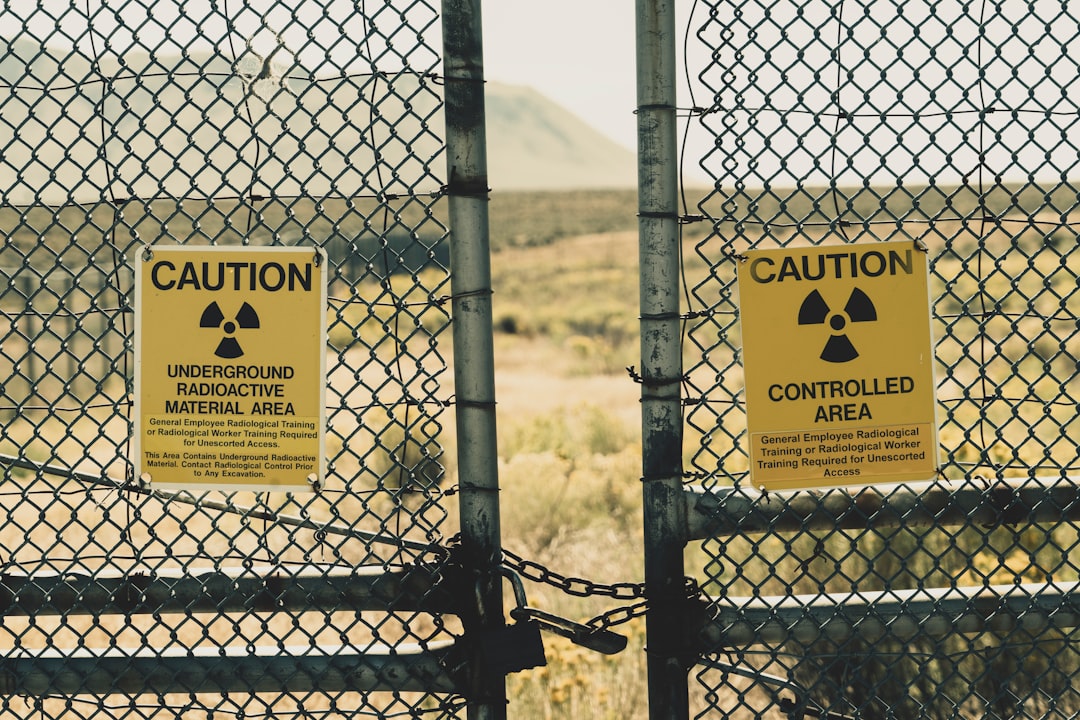
Nuclear deterrence theory developed following World War II, particularly after the atomic bombings of Hiroshima and Nagasaki in August 1945 demonstrated the destructive capacity of nuclear weapons. The United States and Soviet Union subsequently adopted military strategies based on nuclear deterrence, reasoning that possessing nuclear arsenals would discourage adversaries from initiating conflict. During the Cold War, both superpowers engaged in a sustained arms race, accumulating extensive nuclear weapons stockpiles.
The doctrine of Mutually Assured Destruction (MAD) became central to nuclear strategy, based on the premise that the prospect of mutual annihilation would prevent either side from launching a nuclear attack. This strategic balance shaped international relations throughout the Cold War period, as nations conducted diplomatic negotiations and military preparations within the context of potential nuclear conflict.
Key Takeaways
- Nuclear deterrence has historically shaped international power dynamics and prevented large-scale conflicts since World War II.
- Major nuclear powers maintain significant arsenals, influencing global security and political negotiations.
- Non-proliferation treaties play a critical role in limiting the spread of nuclear weapons and promoting stability.
- Emerging technologies and ethical concerns present new challenges to the traditional concept of nuclear deterrence.
- Diplomacy and ongoing dialogue are essential for managing risks and ensuring the future effectiveness of nuclear deterrence.
The Role of Nuclear Weapons in International Politics
Nuclear weapons have played a pivotal role in shaping international politics since their inception. They serve not only as instruments of war but also as tools of diplomacy, influencing negotiations and alliances among nations. The possession of nuclear capabilities often elevates a country’s status on the global stage, granting it leverage in diplomatic discussions.
Countries with nuclear arsenals are frequently viewed as more formidable players in international relations, which can lead to a complex interplay of power dynamics. Moreover, nuclear weapons have been central to various geopolitical conflicts and crises. The Cuban Missile Crisis of 1962 exemplified how nuclear capabilities could escalate tensions to the brink of war.
The presence of nuclear weapons in regional conflicts, such as those involving India and Pakistan, further illustrates their role in shaping national security policies and military strategies. As nations grapple with the implications of nuclear armament, the interplay between deterrence and diplomacy remains a critical aspect of international relations. The documentary provides a detailed analysis of the potential consequences of nuclear war on global security.
The Current Nuclear Arsenal of Major Powers
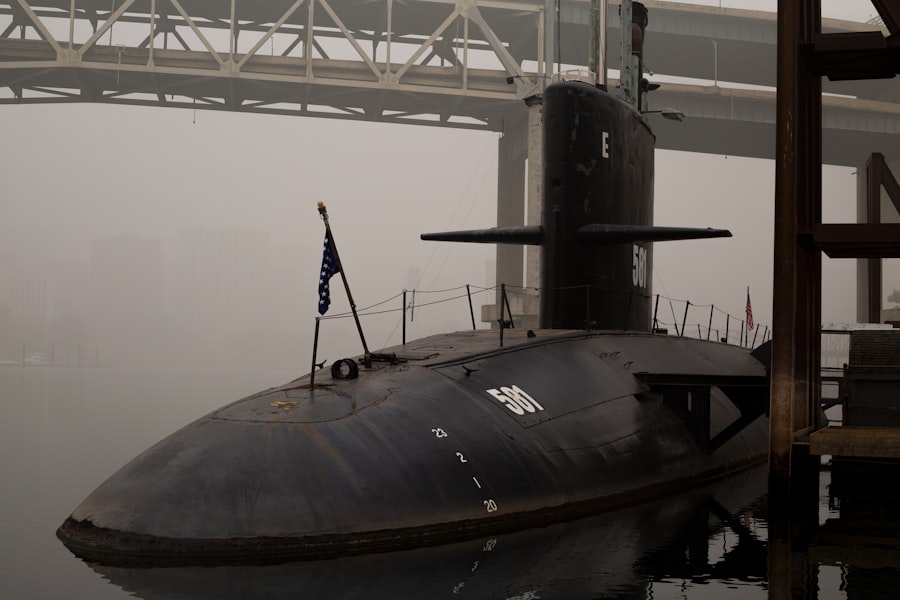
As of 2023, several major powers maintain significant nuclear arsenals, each with its own strategic objectives and doctrines. The United States and Russia possess the largest stockpiles, with thousands of warheads deployed and in reserve. Both nations continue to modernize their nuclear forces, investing in advanced delivery systems and technologies to ensure their deterrent capabilities remain credible.
China, while historically maintaining a smaller arsenal, has been expanding its nuclear capabilities, reflecting its growing influence on the global stage. Other countries, such as France, the United Kingdom, India, Pakistan, and North Korea, also possess nuclear weapons, each contributing to the complex landscape of global nuclear deterrence. The motivations behind these nations’ nuclear programs vary widely, from national security concerns to regional power dynamics.
As these arsenals evolve, the potential for miscalculation or escalation remains a pressing concern for global security.
The Impact of Nuclear Deterrence on Global Security
Nuclear deterrence has had a profound impact on global security dynamics since its inception. On one hand, it has arguably contributed to a prolonged period of relative stability among major powers, as the fear of mutual destruction has deterred direct military confrontations. The Cold War era is often cited as an example where nuclear deterrence prevented large-scale conflicts between superpowers, leading to a tense but stable geopolitical environment.
The potential for accidental launches, miscommunication, or rogue actors gaining access to nuclear materials poses ongoing threats to global security. Additionally, regional conflicts involving nuclear-armed states can escalate quickly, raising fears that localized tensions could spiral into broader confrontations with catastrophic consequences.
The Challenges and Risks of Nuclear Deterrence
| Metric | Current Data / Status | Notes |
|---|---|---|
| Number of Nuclear-Armed States | 9 | Includes US, Russia, China, France, UK, India, Pakistan, North Korea, Israel (undeclared) |
| Total Global Nuclear Warheads | Approx. 13,000 | Includes deployed and reserve warheads |
| Deployed Strategic Warheads (US & Russia) | ~3,700 each | Under New START Treaty limits |
| Estimated Nuclear Warhead Modernization Budget | Over 1,000 billion USD (next 30 years) | Primarily US and Russia investments |
| Number of Nuclear Deterrence Doctrines | Varies by country (9 major doctrines) | Includes minimum deterrence, no first use, and launch on warning policies |
| Global Nuclear Non-Proliferation Treaty (NPT) Status | 191 Parties | North Korea withdrew; India, Pakistan, Israel never joined |
| Estimated Time for Nuclear Launch Decision | Minutes to hours | Varies by country and alert status |
| Number of Nuclear Tests Conducted | Over 2,000 (since 1945) | Most countries have ceased testing; CTBT not yet in force |
| Current Status of Arms Control Agreements | Mixed; New START extended, others expired or stalled | Includes INF Treaty collapse and ongoing negotiations |
Despite its intended purpose, nuclear deterrence is fraught with challenges and risks that complicate its effectiveness. One major concern is the issue of proliferation; as more countries seek to develop or acquire nuclear capabilities, the likelihood of miscalculations or conflicts increases. The spread of nuclear technology can lead to an arms race in volatile regions, undermining global stability and heightening tensions among neighboring states.
Furthermore, the reliance on deterrence strategies can create a false sense of security among nations. Leaders may become overly confident in their ability to manage crises through nuclear threats, potentially leading to reckless behavior or escalation during conflicts. The psychological aspects of deterrence—how leaders perceive threats and respond to them—add another layer of complexity to an already intricate security landscape.
The Effectiveness of Nuclear Deterrence in Preventing Conflict

The effectiveness of nuclear deterrence in preventing conflict remains a subject of intense debate among scholars and policymakers. Proponents argue that the existence of nuclear weapons has successfully deterred major wars between nuclear-armed states since World War
Critics, however, contend that reliance on nuclear deterrence can lead to dangerous complacency. They argue that while it may prevent direct confrontations between superpowers, it does not address underlying geopolitical tensions or conflicts involving non-nuclear states. Moreover, the potential for miscalculation or accidental launches raises questions about whether deterrence can be relied upon as a long-term strategy for maintaining global peace.
The Role of Non-Proliferation Treaties in Nuclear Deterrence
Non-Proliferation Treaties (NPT) have been instrumental in shaping the landscape of nuclear deterrence by promoting disarmament and preventing the spread of nuclear weapons. Established in 1968, the NPT aims to prevent the proliferation of nuclear weapons while encouraging peaceful uses of nuclear energy and fostering disarmament efforts among signatory states. By creating a framework for dialogue and cooperation, the NPT seeks to mitigate the risks associated with nuclear armament.
However, challenges persist within this framework. Some nations have criticized the NPT for perpetuating a divide between nuclear-armed states and non-nuclear states, arguing that it allows established powers to maintain their arsenals while denying others the right to develop similar capabilities. This perceived inequity can fuel resentment and undermine trust among nations, complicating efforts to achieve meaningful disarmament and reinforcing existing security dilemmas.
The Ethical and Moral Considerations of Nuclear Deterrence
The ethical implications surrounding nuclear deterrence raise profound questions about humanity’s responsibility toward future generations. Critics argue that the very existence of nuclear weapons poses an existential threat to civilization itself. The moral dilemma lies in balancing national security interests with the potential for catastrophic humanitarian consequences should these weapons be used.
Furthermore, discussions about deterrence often intersect with broader ethical considerations regarding warfare and violence. The justification for maintaining arsenals capable of mass destruction challenges conventional notions of just war theory and raises questions about whether any state can ethically justify threatening annihilation as a means of ensuring security.
The Role of Emerging Technologies in Shaping Nuclear Deterrence
Emerging technologies are poised to significantly influence the future landscape of nuclear deterrence. Advancements in artificial intelligence (AI), cyber capabilities, and missile defense systems present both opportunities and challenges for existing deterrent strategies. For instance, AI could enhance decision-making processes during crises but also introduce new risks if automated systems misinterpret threats or escalate tensions inadvertently.
Additionally, developments in hypersonic weapons and advanced missile technologies may alter traditional notions of deterrence by complicating response times and increasing uncertainty during conflicts. As nations invest in these emerging technologies, they must grapple with how to integrate them into existing deterrent frameworks while ensuring that they do not inadvertently destabilize global security.
The Future of Nuclear Deterrence in a Changing Global Landscape
The future of nuclear deterrence is uncertain as geopolitical dynamics continue to evolve.
As countries like China assert themselves on the global stage and regional conflicts persist, the relevance and effectiveness of existing deterrent strategies will be tested.
Moreover, climate change and resource scarcity may exacerbate tensions among nations, potentially leading to conflicts where nuclear weapons could be considered as options for coercion or defense. In this context, adapting deterrent strategies to address emerging threats while promoting disarmament will be crucial for ensuring long-term global stability.
The Need for Diplomacy and Dialogue in Managing Nuclear Deterrence
In navigating the complexities surrounding nuclear deterrence, diplomacy and dialogue emerge as essential tools for managing tensions and fostering cooperation among nations. Engaging in open communication can help build trust and reduce misunderstandings that could lead to escalation during crises. Diplomatic efforts aimed at arms control agreements and confidence-building measures are vital for mitigating risks associated with nuclear arsenals.
Furthermore, fostering multilateral discussions involving both nuclear-armed states and non-nuclear states can create opportunities for addressing proliferation concerns while promoting disarmament initiatives. As the world grapples with the challenges posed by nuclear weapons, prioritizing diplomacy will be crucial for ensuring that deterrent strategies contribute positively to global security rather than perpetuating cycles of fear and mistrust.
The current state of nuclear deterrence remains a critical topic in international relations, especially as geopolitical tensions rise. A recent article discusses the evolving strategies and policies surrounding nuclear deterrence, highlighting the importance of maintaining a balance of power. For a deeper understanding of these dynamics, you can read more in this insightful piece on nuclear deterrence at Real Lore and Order.
WATCH THIS! ☢️ Nuclear War in 2026: The Real Risks, New Weapons & How Close We Are
FAQs
What is nuclear deterrence?
Nuclear deterrence is a military strategy aimed at preventing an adversary from taking hostile action by threatening credible and overwhelming nuclear retaliation. It relies on the concept of mutually assured destruction to maintain strategic stability.
What is the current global status of nuclear arsenals?
As of now, nine countries possess nuclear weapons: the United States, Russia, China, France, the United Kingdom, India, Pakistan, Israel, and North Korea. The total number of nuclear warheads worldwide is estimated to be around 13,000, with the majority held by the United States and Russia.
How do major powers maintain their nuclear deterrence capabilities?
Major nuclear powers maintain deterrence through a triad of delivery systems: land-based intercontinental ballistic missiles (ICBMs), submarine-launched ballistic missiles (SLBMs), and strategic bombers. They also invest in modernization programs to upgrade their nuclear arsenals and command-and-control systems.
What role do international treaties play in nuclear deterrence?
International treaties such as the Treaty on the Non-Proliferation of Nuclear Weapons (NPT), New START, and various arms control agreements help regulate nuclear arsenals, promote transparency, and reduce the risk of nuclear conflict. However, some treaties have faced challenges or lapses in recent years.
Are there emerging challenges to nuclear deterrence?
Yes, emerging challenges include advancements in missile defense systems, cyber warfare threats, hypersonic weapons, and the potential for miscommunication or accidental launches. Additionally, geopolitical tensions and the modernization of nuclear forces contribute to uncertainties in deterrence stability.
How does nuclear deterrence impact global security?
Nuclear deterrence is credited with preventing large-scale wars between nuclear-armed states by raising the stakes of conflict. However, it also poses risks of escalation, proliferation, and humanitarian consequences in the event of nuclear use.
What is the future outlook for nuclear deterrence?
The future of nuclear deterrence depends on diplomatic efforts, arms control agreements, technological developments, and geopolitical dynamics. Continued dialogue and risk reduction measures are essential to maintaining strategic stability and preventing nuclear conflict.