# The History of Nuclear Proliferation
The history of nuclear proliferation is a complex narrative that began in the early 20th century, culminating in the development of atomic weapons during World War II. Following the successful detonation of the first atomic bomb by the United States in 1945, the nuclear age fundamentally transformed international relations and military strategy. In the immediate post-war period, the Soviet Union pursued its own nuclear weapons program, successfully testing its first atomic bomb in 1949.
This development initiated the nuclear arms race between the superpowers, characterized by rapid technological advancement and the accumulation of increasingly destructive arsenals. By the 1960s, additional nations including the United Kingdom, France, and China had developed nuclear capabilities. The proliferation of nuclear weapons raised significant concerns about global security and the potential for catastrophic conflict.
In response, the international community established the Nuclear Non-Proliferation Treaty (NPT) in 1968, which aimed to prevent the spread of nuclear weapons and promote disarmament. Despite these efforts, several nations subsequently acquired nuclear weapons, including India, Pakistan, Israel, and North Korea. Today, nine countries are confirmed or believed to possess nuclear weapons.
The challenges of nuclear proliferation remain central to international security discussions, encompassing issues of weapons development, terrorism, and the balance between national security interests and global stability.
Key Takeaways
- Nuclear proliferation has evolved from early Cold War tensions to complex modern threats involving state and non-state actors.
- International agreements like the NPT play a crucial role but face challenges in enforcement and compliance monitoring.
- The spread of nuclear weapons significantly heightens global security risks, including potential regional conflicts and terrorism.
- Motivations for proliferation include national security, regional power dynamics, and technological advancement ambitions.
- Future efforts must balance nuclear energy development with stringent non-proliferation measures to maintain global stability.
The Manhattan Project, a secret U.S. government initiative, successfully produced the first nuclear bombs, which were dropped on Hiroshima and Nagasaki in 1945. This marked not only the end of the war but also the dawn of the nuclear age, where the destructive power of atomic energy was unleashed upon humanity.
Following this, the Cold War era saw a significant escalation in nuclear arms development, primarily between the United States and the Soviet Union. Both superpowers engaged in an arms race, stockpiling vast arsenals of nuclear weapons, which created a precarious balance of power known as Mutually Assured Destruction (MAD).
As the decades progressed, more nations sought to join the ranks of nuclear-armed states. The 1960s witnessed the emergence of countries like the United Kingdom, France, and China as nuclear powers. The proliferation of nuclear technology was not limited to established powers; nations such as India and Pakistan conducted their first nuclear tests in the late 20th century, further complicating global security dynamics.
The Non-Proliferation Treaty (NPT), established in 1968, aimed to curb the spread of nuclear weapons and promote peaceful uses of nuclear energy. However, despite these efforts, the proliferation of nuclear capabilities continued, leading to ongoing debates about disarmament and the ethical implications of nuclear armament. The documentary provides a detailed analysis of the potential consequences of nuclear war on global security.
Current Nuclear Proliferation Threats
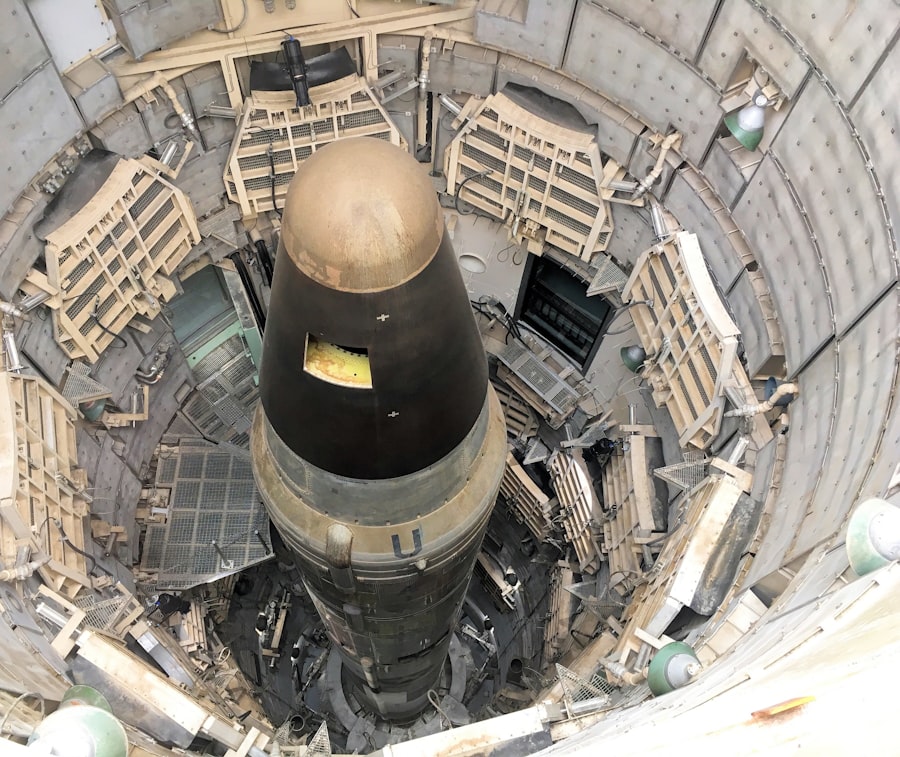
In contemporary times, the threats posed by nuclear proliferation have evolved significantly. North Korea’s aggressive pursuit of nuclear weapons has become a focal point for international concern. The regime’s successful tests of intercontinental ballistic missiles (ICBMs) capable of reaching the United States have heightened tensions in East Asia and beyond.
Diplomatic efforts to denuclearize the Korean Peninsula have faced numerous setbacks, leading to a precarious situation where miscalculations could lead to catastrophic consequences. Additionally, Iran’s nuclear ambitions have raised alarms among Western nations and their allies in the Middle East. The Joint Comprehensive Plan of Action (JCPOA), established in 2015, aimed to limit Iran’s nuclear program in exchange for sanctions relief.
However, the U.S. withdrawal from the agreement in 2018 and subsequent Iranian violations have reignited fears of a potential nuclear-armed Iran. These developments underscore the challenges of managing proliferation threats in an increasingly multipolar world where regional rivalries and national interests often clash.
The Role of International Agreements in Preventing Nuclear Proliferation
International agreements play a crucial role in efforts to prevent nuclear proliferation and promote disarmament. The Non-Proliferation Treaty (NPT) remains the cornerstone of global non-proliferation efforts, with its three pillars: non-proliferation, disarmament, and the peaceful use of nuclear energy. The treaty has been signed by 191 countries, making it one of the most widely adhered-to arms control agreements in history.
However, its effectiveness has been challenged by non-signatory states and those that have withdrawn from the treaty. In addition to the NPT, various regional agreements and initiatives have emerged to address specific proliferation concerns. For instance, the Treaty of Tlatelolco established a nuclear-weapon-free zone in Latin America and the Caribbean, while the Treaty on the Prohibition of Nuclear Weapons (TPNW) aims to eliminate nuclear weapons altogether.
These agreements reflect a growing recognition that multilateral cooperation is essential for addressing the complex challenges posed by nuclear proliferation. However, enforcement mechanisms remain weak, and political will among member states often fluctuates, complicating efforts to achieve lasting disarmament.
The Impact of Nuclear Proliferation on Global Security
| Metric | Description | Current Status / Data | Implications |
|---|---|---|---|
| Number of Nuclear-Armed States | Countries known to possess nuclear weapons | 9 (USA, Russia, China, France, UK, India, Pakistan, North Korea, Israel*) | Higher number increases risk of proliferation and regional conflicts |
| Estimated Global Nuclear Warheads | Total number of nuclear warheads worldwide | Approx. 13,000 warheads | Large stockpiles increase risk of accidental or intentional use |
| Number of Countries Pursuing Nuclear Programs | States developing nuclear technology for civilian or military use | Over 30 countries with nuclear reactors; 10+ suspected of weapons ambitions | Potential for new nuclear states increases proliferation threat |
| International Treaties | Agreements aimed at controlling nuclear proliferation | NPT (191 parties), CTBT (not yet in force), New START (USA-Russia) | Help limit spread but face compliance and enforcement challenges |
| Illicit Nuclear Material Trafficking Incidents | Reported cases of unauthorized nuclear material movement | Dozens reported since 1990s, mostly small quantities | Raises concerns about nuclear terrorism and black market |
| Regions of Highest Proliferation Risk | Geopolitical hotspots with nuclear ambitions or tensions | Middle East, Korean Peninsula, South Asia | Regional instability could trigger arms races or conflict |
| Estimated Time to Acquire Nuclear Weapon | Time required for a country to develop a nuclear bomb once decided | 1-5 years depending on technology and resources | Short timelines increase urgency for monitoring and diplomacy |
| * Israel has a policy of nuclear ambiguity and has not officially confirmed its arsenal. | |||
The impact of nuclear proliferation on global security is profound and multifaceted. The existence of nuclear weapons creates a deterrent effect that can stabilize certain regions by preventing large-scale conflicts between nuclear-armed states. However, this same deterrent can lead to dangerous miscalculations and escalation during crises.
The potential for accidental launches or unauthorized use of nuclear weapons remains a significant concern for global security. Moreover, nuclear proliferation can exacerbate regional tensions and provoke arms races among neighboring countries. For instance, India’s nuclear tests prompted Pakistan to develop its own arsenal, leading to an ongoing cycle of insecurity in South Asia.
Similarly, in the Middle East, Iran’s pursuit of nuclear capabilities has spurred fears among its rivals, prompting them to consider their own military options. This dynamic creates a volatile environment where diplomatic solutions become increasingly difficult to achieve.
The Motivations Behind Nuclear Proliferation
The motivations behind nuclear proliferation are varied and often intertwined with national security concerns, political aspirations, and technological ambitions. For many states, possessing nuclear weapons is seen as a means to enhance their security and deter potential aggressors. Countries like North Korea view their nuclear arsenal as essential for regime survival against perceived threats from more powerful adversaries.
In addition to security considerations, domestic politics can also drive nations toward nuclear armament. Leaders may pursue nuclear capabilities to bolster national pride or consolidate power within their regimes. Furthermore, technological advancements and access to dual-use technologies can facilitate proliferation efforts, as states seek to develop their own capabilities without relying on external sources.
This complex interplay of motivations underscores the challenges faced by the international community in addressing proliferation concerns effectively.
The Challenges of Monitoring and Enforcing Non-Proliferation Agreements
Monitoring and enforcing non-proliferation agreements present significant challenges for international organizations and member states alike. The International Atomic Energy Agency (IAEA) plays a critical role in verifying compliance with non-proliferation commitments through inspections and safeguards.
Moreover, states may employ various strategies to evade detection or manipulate compliance measures. The use of advanced technologies and covert operations can complicate monitoring efforts, making it difficult for international bodies to ascertain a state’s true intentions regarding its nuclear program. Additionally, geopolitical considerations often influence enforcement actions; powerful nations may be reluctant to confront allies or strategic partners over proliferation concerns, leading to inconsistent application of non-proliferation norms.
The Role of Non-State Actors in Nuclear Proliferation
Non-state actors have emerged as significant players in the landscape of nuclear proliferation, posing unique challenges for global security. Terrorist organizations and criminal networks may seek access to nuclear materials or technology for malicious purposes. The potential for a “dirty bomb” or other radiological dispersal devices raises alarms about the security of nuclear materials worldwide.
The rise of non-state actors has prompted governments to enhance their counter-proliferation efforts through improved intelligence sharing and international cooperation. Initiatives aimed at securing vulnerable nuclear materials and preventing illicit trafficking have gained momentum in recent years. However, the decentralized nature of these groups makes it difficult to predict their actions or intentions, complicating efforts to mitigate proliferation risks effectively.
The Potential Consequences of Nuclear Proliferation
The potential consequences of nuclear proliferation are dire and far-reaching. A world with multiple nuclear-armed states increases the likelihood of conflict escalation and miscalculation during crises. The risk of nuclear war—whether intentional or accidental—remains one of humanity’s greatest existential threats.
Furthermore, regional conflicts involving nuclear powers could have catastrophic humanitarian consequences that extend beyond borders. In addition to direct military implications, nuclear proliferation can destabilize global economic systems and exacerbate humanitarian crises. Nations embroiled in arms races may divert resources away from essential services such as education and healthcare toward military expenditures.
This diversion can hinder development efforts and perpetuate cycles of poverty and instability within affected regions.
Efforts to Prevent Nuclear Proliferation
Efforts to prevent nuclear proliferation have taken various forms over the decades, ranging from diplomatic negotiations to unilateral actions by individual states. Diplomatic initiatives such as the Six-Party Talks aimed at denuclearizing North Korea exemplify attempts to engage multiple stakeholders in addressing proliferation concerns through dialogue rather than confrontation. In addition to diplomatic measures, countries have also pursued unilateral actions to curb proliferation risks.
For instance, some nations have opted for “nuclear umbrella” arrangements with allies, providing security guarantees without developing their own arsenals. These strategies reflect a recognition that collective security arrangements can mitigate proliferation pressures while promoting stability within regions.
The Role of Nuclear Energy in Proliferation
Nuclear energy presents a dual-use dilemma that complicates non-proliferation efforts. While it offers a potential solution for meeting growing energy demands and addressing climate change concerns, it also provides pathways for states to develop weapons-grade materials under the guise of civilian programs. Enriched uranium used for fuel can be repurposed for weapons production if safeguards are not effectively implemented.
The challenge lies in balancing the peaceful use of nuclear technology with stringent non-proliferation measures. International frameworks must ensure that countries pursuing civilian nuclear programs adhere to robust safeguards while promoting transparency and accountability within their operations. This delicate balance is essential for fostering trust among nations while preventing illicit activities that could lead to proliferation.
The Future of Nuclear Proliferation and Global Security
Looking ahead, the future of nuclear proliferation remains uncertain amid shifting geopolitical dynamics and emerging technologies. As new players enter the global stage and existing powers reassess their strategic priorities, the landscape of nuclear arms control will continue to evolve. The potential for renewed arms races or innovative disarmament initiatives will depend on political will and international cooperation.
Moreover, addressing underlying issues such as regional conflicts, economic disparities, and technological advancements will be crucial for mitigating proliferation risks effectively. As nations grapple with these challenges, fostering dialogue and collaboration among diverse stakeholders will be essential for building a more secure world free from the specter of nuclear conflict. Ultimately, achieving lasting progress on non-proliferation will require a concerted effort from all members of the international community to prioritize peace over division in an increasingly interconnected world.
Nuclear proliferation remains a pressing global concern, as nations continue to develop and expand their nuclear arsenals. For a deeper understanding of the complexities surrounding this issue, you can explore the article on the topic at Real Lore and Order. This resource provides valuable insights into the factors contributing to nuclear threats and the international efforts aimed at mitigating them.
WATCH THIS! ☢️ Nuclear War in 2026: The Real Risks, New Weapons & How Close We Are
FAQs
What is nuclear proliferation?
Nuclear proliferation refers to the spread of nuclear weapons, fissile material, and weapons-related nuclear technology to countries that do not currently possess them.
Why is nuclear proliferation considered a threat?
Nuclear proliferation is considered a threat because it increases the risk of nuclear conflict, destabilizes international security, and raises the chances of nuclear weapons falling into the hands of non-state actors or terrorist groups.
Which countries are known to have nuclear weapons?
As of now, nine countries are known to possess nuclear weapons: the United States, Russia, China, France, the United Kingdom, India, Pakistan, North Korea, and Israel (though Israel has not officially confirmed its arsenal).
What international agreements aim to prevent nuclear proliferation?
The primary international agreement is the Treaty on the Non-Proliferation of Nuclear Weapons (NPT), which seeks to prevent the spread of nuclear weapons and promote peaceful uses of nuclear energy. Other agreements include the Comprehensive Nuclear-Test-Ban Treaty (CTBT) and various regional nuclear-weapon-free zone treaties.
How does nuclear proliferation impact global security?
Nuclear proliferation can lead to regional arms races, increase tensions between countries, and heighten the risk of nuclear war, either intentionally or accidentally, thereby undermining global security.
What measures are taken to control nuclear proliferation?
Measures include international treaties, export controls on nuclear technology and materials, diplomatic efforts, sanctions against violators, and monitoring by organizations such as the International Atomic Energy Agency (IAEA).
Can nuclear proliferation be completely stopped?
While complete prevention is challenging due to geopolitical complexities and technological advancements, international cooperation and strong enforcement of treaties can significantly reduce the risk and slow the spread of nuclear weapons.
What role does the International Atomic Energy Agency (IAEA) play in nuclear proliferation?
The IAEA monitors nuclear programs worldwide to ensure compliance with non-proliferation agreements, conducts inspections, and assists countries in using nuclear technology safely and peacefully.
What are the risks if non-state actors acquire nuclear weapons?
If terrorist groups or other non-state actors acquire nuclear weapons, it could lead to catastrophic attacks with mass casualties, widespread destruction, and severe global instability.
How does nuclear proliferation affect diplomatic relations?
Nuclear proliferation can strain diplomatic relations, provoke sanctions, and lead to isolation of countries suspected of developing nuclear weapons, complicating international cooperation and peace efforts.