
# The Development and Impact of Nuclear Warfare
The origins of nuclear warfare trace back to the early 20th century, when advances in physics and technology accelerated rapidly. In 1938, German physicists Otto Hahn and Fritz Strassmann discovered nuclear fission, providing the scientific foundation for atomic weapon development. During World War II, this discovery was applied through the Manhattan Project, a classified U.S.
government program dedicated to producing an atomic bomb. The first nuclear device was successfully detonated on July 16, 1945, in the Trinity Test, marking the beginning of the nuclear age and fundamentally changing military strategy. In August 1945, atomic bombs were deployed against Hiroshima and Nagasaki, resulting in massive destruction and loss of life.
The immediate effects killed hundreds of thousands of people, while many others suffered long-term consequences from radiation exposure. Following World War II, the Cold War between the United States and Soviet Union prompted both nations to develop extensive nuclear arsenals as a deterrent strategy. This historical progression demonstrates the significant relationship between nuclear capability, international security concerns, and the potential for widespread devastation that continues to influence global politics and military doctrine.
The documentary provides a detailed analysis of the potential consequences of nuclear war on global security.
Key Takeaways
- Nuclear arsenals remain a significant global threat with risks of accidental launch and terrorism.
- Nuclear war would have devastating humanitarian and climatic consequences worldwide.
- International agreements play a crucial role in reducing nuclear risks but face challenges in enforcement.
- The psychological impact of living under nuclear threat affects global populations.
- Public awareness and advocacy are essential for advancing nuclear disarmament and safety efforts.
The Current State of Nuclear Arsenals
As of 2023, the global landscape of nuclear arsenals remains a pressing concern for international security. Nine countries are known to possess nuclear weapons: the United States, Russia, China, France, the United Kingdom, India, Pakistan, Israel, and North Korea. Collectively, these nations hold an estimated 13,000 nuclear warheads, with a significant portion ready for immediate deployment.
The sheer scale of these arsenals underscores the persistent threat posed by nuclear weapons, as well as the geopolitical tensions that often accompany them. In recent years, modernization efforts have been observed among several nuclear-armed states. Countries like the United States and Russia are investing heavily in upgrading their nuclear capabilities, which raises questions about the future of arms control agreements.
The development of new delivery systems, such as hypersonic missiles and advanced submarines, further complicates the landscape. This ongoing evolution of nuclear arsenals not only perpetuates an atmosphere of distrust among nations but also poses significant challenges for global disarmament efforts.
The Risks of Accidental Nuclear Launch

The specter of accidental nuclear launch is one of the most alarming risks associated with nuclear arsenals. Despite sophisticated technology and protocols designed to prevent such incidents, human error and technical malfunctions remain significant threats. Historical incidents, such as the 1983 Soviet false alarm and the 1995 Norwegian rocket incident, serve as stark reminders of how close the world has come to nuclear catastrophe due to miscommunication or misinterpretation of data.
In high-stress situations, decision-makers may act impulsively or rely on flawed intelligence, leading to potentially catastrophic outcomes. The existence of “launch on warning” policies in some countries further exacerbates this risk, as they require rapid responses to perceived threats without sufficient time for verification.
The Threat of Nuclear Terrorism
Nuclear terrorism represents another grave concern in the contemporary security landscape. The possibility that non-state actors could acquire nuclear materials or even a functional weapon poses a significant threat to global stability. Groups such as Al-Qaeda and ISIS have expressed interest in obtaining nuclear capabilities, raising alarms among intelligence agencies worldwide.
The proliferation of nuclear technology and materials increases the risk that these groups could succeed in their ambitions. Efforts to secure nuclear materials have intensified since the September 11 attacks in 2001, with various international initiatives aimed at preventing nuclear terrorism. However, challenges remain in ensuring that all countries adhere to stringent security measures.
The potential consequences of a successful nuclear terrorist attack would be catastrophic, not only resulting in immediate loss of life but also triggering widespread panic and geopolitical instability. Addressing this threat requires a concerted global effort to enhance security protocols and foster international cooperation.
The Impact of Nuclear War on Global Climate
| Metric | Value | Description |
|---|---|---|
| Number of Nuclear Warheads Globally | Approx. 13,000 | Total estimated nuclear warheads worldwide as of 2024 |
| Number of Countries with Nuclear Weapons | 9 | Countries known to possess nuclear weapons (US, Russia, China, UK, France, India, Pakistan, North Korea, Israel) |
| Annual Probability of Nuclear War (Estimated) | 0.5% – 1% | Estimated annual risk range based on expert analysis and historical data |
| Number of Nuclear Close Calls Since 1945 | Over 30 | Documented incidents where nuclear war was narrowly avoided |
| Estimated Immediate Fatalities in a Large-Scale Nuclear War | 100 million+ | Deaths expected within hours to days from direct nuclear strikes |
| Estimated Long-Term Fatalities from Nuclear Winter | Hundreds of millions | Deaths due to global climate effects and famine following nuclear war |
| Number of Nuclear-Armed Submarines on Patrol | ~50 | Submarines capable of launching nuclear missiles, providing second-strike capability |
| Years Since Last Nuclear Weapon Use in Conflict | 79 (since 1945) | Time elapsed since Hiroshima and Nagasaki bombings |
The environmental consequences of nuclear war extend far beyond immediate destruction; they pose a significant threat to global climate stability. A large-scale nuclear conflict could result in what scientists term “nuclear winter,” a phenomenon characterized by widespread firestorms that inject massive amounts of soot into the atmosphere. This soot would block sunlight, leading to dramatic drops in temperatures and disrupting agricultural production worldwide.
Research indicates that even a limited nuclear exchange could have severe climatic effects, potentially resulting in famine and widespread ecological collapse. The long-term implications for biodiversity and human survival are profound, highlighting the interconnectedness of warfare and environmental health. As climate change continues to pose challenges globally, the potential for nuclear conflict exacerbates existing vulnerabilities and underscores the urgent need for disarmament efforts.
The Humanitarian Consequences of Nuclear War
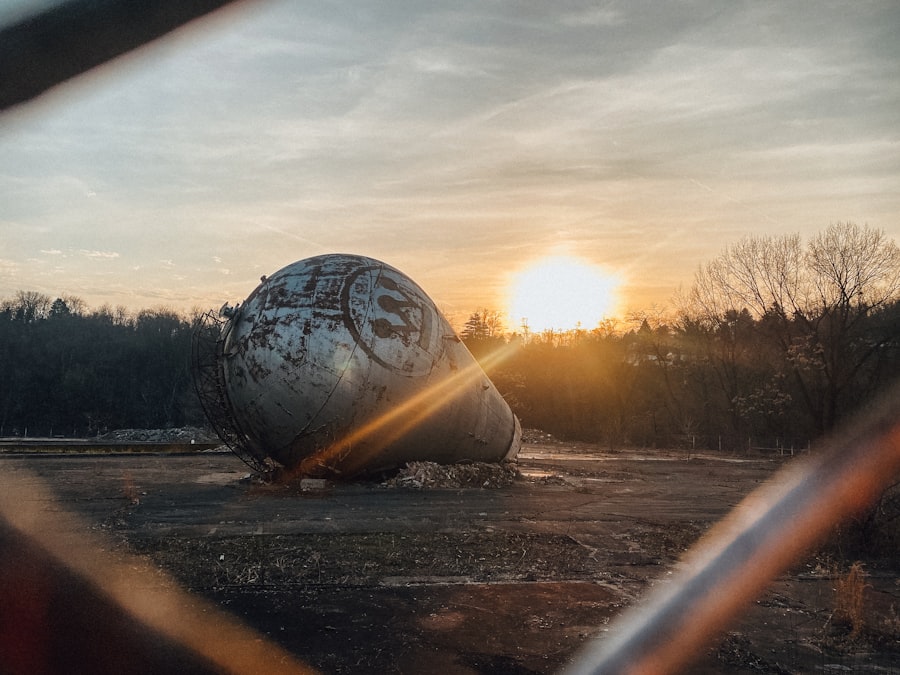
The humanitarian impact of nuclear war is staggering and multifaceted. Beyond the immediate devastation caused by explosions, survivors face long-term health issues due to radiation exposure, including cancers and genetic mutations. The psychological toll on affected populations is equally severe; survivors often grapple with trauma and loss while struggling to rebuild their lives in environments rendered uninhabitable.
Furthermore, the social fabric of communities can be irrevocably altered following a nuclear event. Displacement becomes a common consequence as people flee contaminated areas in search of safety and stability. The strain on healthcare systems and infrastructure can lead to widespread suffering and exacerbate existing inequalities.
Understanding these humanitarian consequences is essential for fostering a global commitment to preventing nuclear conflict and promoting disarmament initiatives.
The Potential for Nuclear Proliferation
Nuclear proliferation remains a critical issue in international relations, as more countries seek to develop or acquire nuclear capabilities. The motivations behind this pursuit vary; some nations view nuclear weapons as essential for national security or regional power dynamics, while others may seek them as a means of deterrence against perceived threats. This trend raises alarms about stability in volatile regions where rivalries exist.
Efforts to curb proliferation have been met with mixed success. Treaties such as the Treaty on the Non-Proliferation of Nuclear Weapons (NPT) have established frameworks for disarmament and non-proliferation; however, compliance remains inconsistent among signatories. Additionally, countries like North Korea have openly defied international norms by advancing their nuclear programs despite sanctions and diplomatic pressure.
The potential for further proliferation underscores the need for robust international mechanisms to address these challenges effectively.
The Psychological Effects of Living in a Nuclear-Armed World
Living in a world where nuclear weapons exist has profound psychological implications for individuals and societies alike. The constant awareness of potential annihilation can lead to feelings of anxiety and helplessness among populations, particularly in regions where tensions are high. This pervasive fear can manifest in various ways, from increased stress levels to a sense of fatalism regarding global affairs.
Moreover, the normalization of nuclear weapons within political discourse can desensitize individuals to their dangers. As discussions about deterrence and military strategy dominate narratives around national security, the catastrophic consequences of their use may become abstracted or overlooked. This psychological landscape necessitates ongoing public engagement and education about the realities of living under the shadow of nuclear weapons to foster a more informed citizenry capable of advocating for disarmament.
The Role of International Agreements in Mitigating Nuclear Risks
International agreements play a crucial role in mitigating the risks associated with nuclear weapons. Treaties such as the NPT and various arms control agreements aim to establish frameworks for disarmament and non-proliferation while promoting peaceful uses of nuclear energy. These agreements facilitate dialogue among nations and create mechanisms for verification and compliance.
However, challenges persist in ensuring that all countries adhere to their commitments under these treaties. Geopolitical tensions can undermine cooperation, leading to accusations of non-compliance or violations. Strengthening international institutions responsible for monitoring compliance is essential for maintaining trust among nations and advancing disarmament efforts.
Ultimately, fostering a culture of collaboration and transparency is vital for addressing the complex challenges posed by nuclear weapons.
The Challenges of Nuclear Disarmament
Achieving meaningful progress toward nuclear disarmament presents numerous challenges that require concerted efforts from governments, civil society organizations, and international institutions alike. One significant obstacle is the entrenched belief among many nations that possessing nuclear weapons is essential for national security. This perception often leads to resistance against disarmament initiatives and perpetuates an arms race mentality.
Additionally, geopolitical rivalries complicate disarmament efforts; nations may be reluctant to disarm unilaterally if they perceive threats from adversaries who maintain or expand their arsenals. Building trust among nations is crucial for overcoming these barriers; confidence-building measures such as transparency initiatives and dialogue can help create an environment conducive to disarmament negotiations. Ultimately, addressing these challenges requires sustained commitment from all stakeholders involved.
The Importance of Public Awareness and Advocacy in Addressing Nuclear Risks
Public awareness and advocacy are vital components in addressing the risks associated with nuclear weapons. Engaging citizens through education campaigns can foster a deeper understanding of the implications of living in a nuclear-armed world while empowering individuals to advocate for change. Grassroots movements have historically played significant roles in pushing governments toward disarmament initiatives; public pressure can influence policy decisions at national and international levels.
Moreover, leveraging social media platforms allows advocates to reach broader audiences and mobilize support for disarmament efforts. By raising awareness about the humanitarian consequences of nuclear war and promoting dialogue around disarmament initiatives, individuals can contribute to creating a safer world free from the threat of nuclear conflict. Ultimately, fostering public engagement is essential for building momentum toward meaningful change in global attitudes toward nuclear weapons.
The potential for nuclear conflict remains a pressing concern in today’s geopolitical landscape, as highlighted in a recent article discussing the real risks of nuclear war. For a deeper understanding of this critical issue, you can read more in the article available at this link. The article delves into the various factors that contribute to the heightened tensions between nuclear-armed nations and the implications for global security.
WATCH THIS! ☢️ Nuclear War in 2026: The Real Risks, New Weapons & How Close We Are
FAQs
What are the primary causes of nuclear war?
Nuclear war can be triggered by factors such as political conflicts, miscommunication, accidental launches, or deliberate attacks. Tensions between nuclear-armed states and the failure of diplomatic efforts often increase the risk.
How likely is a nuclear war in today’s world?
While the probability of nuclear war remains low, it is not zero. Ongoing geopolitical tensions, modernization of nuclear arsenals, and the presence of numerous nuclear-armed countries contribute to the persistent risk.
What are the immediate effects of a nuclear explosion?
A nuclear explosion causes massive blast damage, intense heat, and radiation. Immediate effects include widespread destruction, fires, severe injuries, and fatalities within the blast radius.
What are the long-term consequences of nuclear war?
Long-term consequences include radioactive fallout, environmental contamination, nuclear winter (global climate cooling), food shortages, and severe health issues such as cancer and genetic damage.
Can nuclear war be accidental?
Yes, accidental nuclear war can occur due to technical malfunctions, human error, or misinterpretation of data, such as false alarms or miscommunication between military forces.
What measures exist to prevent nuclear war?
Preventive measures include arms control treaties, diplomatic negotiations, communication hotlines between nuclear powers, non-proliferation efforts, and confidence-building measures to reduce misunderstandings.
How many countries currently possess nuclear weapons?
As of 2024, nine countries are known to possess nuclear weapons: the United States, Russia, China, France, the United Kingdom, India, Pakistan, North Korea, and Israel (undeclared but widely believed).
What is nuclear deterrence?
Nuclear deterrence is a strategy aimed at preventing nuclear war by maintaining a credible threat of retaliation, thereby discouraging adversaries from launching a nuclear attack.
What role do international organizations play in reducing nuclear risks?
Organizations like the United Nations and the International Atomic Energy Agency (IAEA) promote nuclear disarmament, monitor nuclear activities, facilitate treaties, and encourage peaceful use of nuclear technology.
Is it possible to survive a nuclear war?
Survival depends on factors such as distance from the blast, availability of shelter, access to medical care, and preparedness. However, the widespread destruction and long-term environmental effects make survival and recovery extremely challenging.