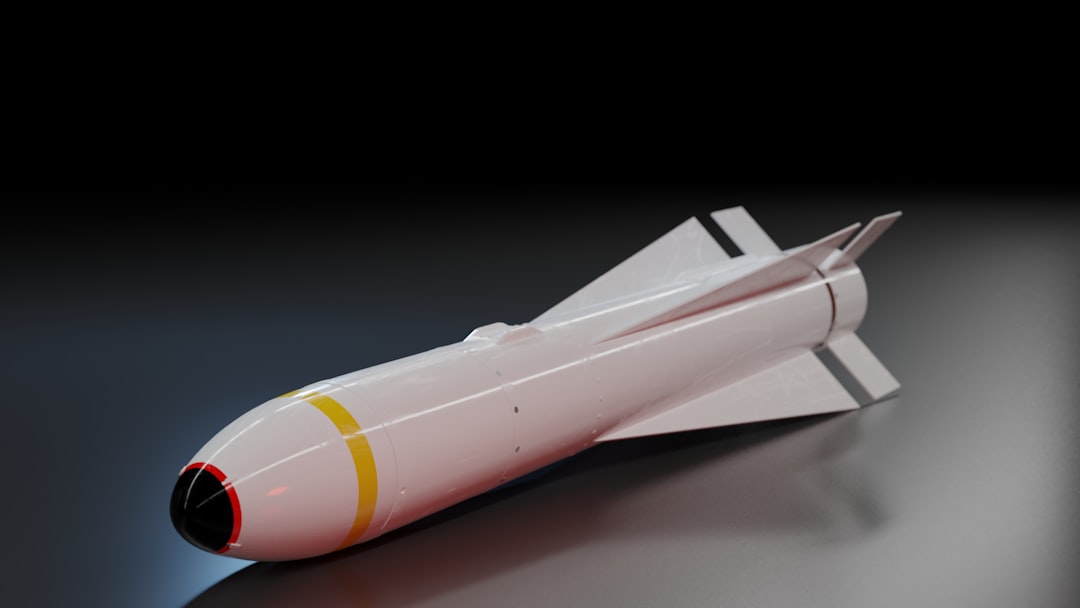
Nuclear weapons technology emerged as a major military and scientific development during the 20th century. The Manhattan Project during World War II led to the creation of the first nuclear weapons, which have since become increasingly sophisticated systems. These weapons possess enormous destructive capacity and have fundamentally changed international relations, military strategy, and security considerations.
Nuclear weapons serve dual purposes in modern defense strategies: they function as deterrents while simultaneously presenting risks of catastrophic conflict. This dual nature has made nuclear weapons a central concern for government officials, researchers, and ethicists who study their implications for global security. The introduction of nuclear weapons technology has transformed military doctrine and raised critical questions about humanity’s capacity for mass destruction.
A single nuclear explosion can cause devastation on an unprecedented scale, prompting international efforts to establish controls and prevent the spread of nuclear weapons. As nations continue to develop and maintain nuclear arsenals, the technology’s effects extend beyond military applications to influence diplomatic negotiations, national defense policies, and overall global stability.
Key Takeaways
- Nuclear weapons technology has evolved with advancements in miniaturization, precision, and delivery systems like hypersonic missiles.
- Integration of artificial intelligence and cybersecurity measures is transforming nuclear weapons’ operational capabilities and risks.
- Non-proliferation efforts face new challenges due to rapid technological progress and emerging threats.
- Nuclear weapons continue to play a critical role in global geopolitical dynamics and strategic deterrence.
- Ethical and moral considerations remain central as future developments pose complex challenges and opportunities.
Advancements in Nuclear Weapons Technology
Over the decades, advancements in nuclear weapons technology have been marked by significant innovations in design, delivery systems, and safety mechanisms. The initial designs of nuclear weapons were relatively simplistic, relying on basic fission reactions to achieve explosive yields. However, as scientific understanding deepened, so too did the complexity of these weapons.
The introduction of thermonuclear weapons, or hydrogen bombs, represented a monumental leap forward, utilizing fusion reactions to produce explosions thousands of times more powerful than their fission predecessors. In recent years, advancements have continued at a rapid pace. Modern nuclear warheads are now equipped with sophisticated guidance systems that enhance their accuracy and effectiveness.
Additionally, improvements in materials science have led to the development of more efficient and stable isotopes for use in nuclear reactions. These advancements not only increase the lethality of nuclear arsenals but also raise concerns about the potential for accidental launches or unauthorized use. As nations invest in research and development to maintain their strategic advantages, the arms race continues to evolve, posing new challenges for global security. The documentary provides a detailed analysis of the potential consequences of nuclear war on global security.
Implications of Nuclear Weapons Technology
The implications of nuclear weapons technology extend far beyond the battlefield; they permeate every aspect of international relations and global security. The existence of nuclear weapons has created a delicate balance of power among nations, often referred to as mutually assured destruction (MAD). This doctrine posits that the possession of nuclear weapons by multiple states deters any one nation from initiating a conflict that could escalate into a nuclear exchange.
While this has arguably prevented large-scale wars between nuclear-armed states, it has also fostered an environment of tension and mistrust. Moreover, the proliferation of nuclear weapons technology poses significant risks to global stability. As more nations acquire these capabilities, the likelihood of miscalculations or accidents increases.
The potential for rogue states or non-state actors to gain access to nuclear materials further complicates the security landscape. The implications are dire: a single misstep could lead to catastrophic consequences not only for the nations involved but for the entire world. Thus, understanding and addressing these implications is crucial for maintaining peace and security in an increasingly complex geopolitical environment.
Miniaturization and Precision in Nuclear Weapons
One of the most notable trends in recent nuclear weapons technology is the miniaturization of warheads. This advancement allows for smaller, lighter nuclear devices that can be deployed on a variety of delivery systems, including ballistic missiles and even tactical weapons. Miniaturization enhances the flexibility of nuclear arsenals, enabling states to integrate these weapons into their conventional military strategies more seamlessly.
However, this development also raises significant concerns regarding escalation and the potential for lower thresholds for nuclear use. Precision in nuclear weapons has also seen remarkable advancements. Modern warheads are designed with enhanced targeting capabilities that allow for greater accuracy in striking specific military targets while minimizing collateral damage.
This precision is achieved through advanced guidance systems and improved engineering designs that ensure warheads can be delivered with pinpoint accuracy. While this may seem beneficial from a military standpoint, it also complicates the ethical considerations surrounding nuclear warfare. The ability to strike with precision may lead some leaders to perceive a lower risk associated with using nuclear weapons, potentially increasing the likelihood of their deployment in conflict scenarios.
Hypersonic Delivery Systems for Nuclear Weapons
| Metric | Current Status | Future Projection | Impact on Global Security |
|---|---|---|---|
| Warhead Yield | Varies from sub-kiloton to megaton range | Trend towards lower-yield, more precise warheads | Potentially increases tactical use, complicates deterrence |
| Delivery Systems | ICBMs, SLBMs, strategic bombers | Increased use of hypersonic glide vehicles and drones | Reduces reaction time, increases risk of miscalculation |
| Command and Control | Centralized, with human decision-making | Integration of AI and automated decision support systems | Raises ethical concerns and risks of accidental launch |
| Arms Control Agreements | Existing treaties like New START | Potential erosion or new frameworks including emerging tech | Uncertainty may lead to arms races or new stability measures |
| Proliferation Risk | Limited to recognized nuclear states and some non-state actors | Risk of new states or non-state actors acquiring advanced tech | Increases global instability and challenges to non-proliferation |
The advent of hypersonic delivery systems marks a new frontier in nuclear weapons technology.
The development of hypersonic glide vehicles (HGVs) and hypersonic cruise missiles has introduced a new layer of complexity to strategic deterrence.
With their ability to maneuver unpredictably during flight, hypersonic weapons challenge existing missile defense systems and alter traditional calculations regarding response times and defensive measures. The implications of hypersonic delivery systems extend beyond mere speed; they also raise questions about stability in international relations. As nations race to develop these technologies, there is a risk that misunderstandings or miscalculations could lead to unintended escalations.
The speed at which these systems operate may not allow sufficient time for diplomatic channels to function effectively in crisis situations. Consequently, the introduction of hypersonic capabilities into national arsenals necessitates a reevaluation of existing arms control agreements and strategic doctrines.
Artificial Intelligence and Nuclear Weapons

Artificial intelligence (AI) is increasingly being integrated into various aspects of military operations, including nuclear weapons technology. AI can enhance decision-making processes by analyzing vast amounts of data quickly and providing insights that human operators may overlook. In the context of nuclear strategy, AI could potentially improve early warning systems, optimize targeting processes, and even assist in managing command-and-control structures.
However, the incorporation of AI into nuclear weapons technology raises significant ethical and security concerns. The prospect of autonomous systems making life-and-death decisions without human intervention is troubling for many experts and policymakers. There is a fear that reliance on AI could lead to unintended escalations or accidental launches due to misinterpretations or errors in judgment by algorithms.
As nations explore the potential benefits of AI in military applications, it is crucial to establish robust frameworks that ensure human oversight remains central to decision-making processes involving nuclear weapons.
Cybersecurity and Nuclear Weapons
In an era where cyber threats are increasingly prevalent, the intersection of cybersecurity and nuclear weapons technology presents a critical area for concern.
A successful cyber intrusion could potentially disrupt communication channels or manipulate data used in decision-making processes related to nuclear operations.
The implications of such vulnerabilities are profound; they could lead to unauthorized launches or misinterpretations of data that escalate tensions between nations. As states invest in enhancing their cyber defenses, they must also consider the potential for adversaries to exploit these vulnerabilities as part of hybrid warfare strategies. Ensuring robust cybersecurity measures around nuclear command-and-control systems is essential for maintaining strategic stability and preventing catastrophic outcomes.
Non-proliferation Efforts in the Face of Advancing Technology
As advancements in nuclear weapons technology continue to evolve, non-proliferation efforts face significant challenges. The Treaty on the Non-Proliferation of Nuclear Weapons (NPT) has been a cornerstone of global efforts to prevent the spread of nuclear arms since its inception in 1968. However, as new technologies emerge and states pursue modernization programs for their arsenals, maintaining compliance with non-proliferation norms becomes increasingly complex.
Efforts to curb proliferation must adapt to address not only state actors but also non-state entities that may seek access to nuclear materials or technology. The rise of dual-use technologies—those that can serve both civilian and military purposes—complicates verification processes and raises concerns about illicit trafficking networks. Strengthening international cooperation and enhancing verification mechanisms are essential components in addressing these challenges while fostering an environment conducive to disarmament.
The Role of Nuclear Weapons in Geopolitical Relations
Nuclear weapons play a pivotal role in shaping geopolitical relations among nations. For many countries, possessing a credible nuclear deterrent is seen as essential for national security and sovereignty. This perception often leads to arms races as states seek to enhance their capabilities in response to perceived threats from rival powers.
The dynamics between nuclear-armed states can create intricate webs of alliances and enmities that influence global politics. Moreover, the presence of nuclear weapons can complicate diplomatic negotiations and conflict resolution efforts. Nations may be reluctant to engage in meaningful dialogue if they perceive that their adversaries possess significant military advantages through their nuclear arsenals.
Conversely, disarmament initiatives can serve as catalysts for improved relations among states willing to engage constructively on security issues. Understanding the role that nuclear weapons play in geopolitical relations is crucial for navigating contemporary international challenges.
Ethical and Moral Considerations in Nuclear Weapons Technology
The ethical implications surrounding nuclear weapons technology are profound and multifaceted. At its core lies the question of whether it is morally justifiable for states to possess weapons capable of causing mass destruction and suffering on an unprecedented scale. The humanitarian consequences of nuclear warfare—ranging from immediate loss of life to long-term environmental damage—raise serious moral dilemmas for policymakers and military leaders.
Furthermore, the potential for accidental launches or unauthorized use adds another layer of ethical complexity. The notion that human error or technical malfunction could lead to catastrophic outcomes challenges traditional justifications for maintaining nuclear arsenals as deterrents against aggression. As societies grapple with these moral considerations, there is an increasing call for disarmament initiatives that prioritize humanitarian concerns over national security imperatives.
The Future of Nuclear Weapons Technology: Challenges and Opportunities
Looking ahead, the future of nuclear weapons technology presents both challenges and opportunities for global security. On one hand, advancements in technology continue to enhance the lethality and sophistication of nuclear arsenals, raising concerns about escalation dynamics and proliferation risks. The integration of emerging technologies such as AI and hypersonic systems complicates traditional deterrence models and necessitates new approaches to arms control.
On the other hand, there exists an opportunity for renewed dialogue around disarmament and non-proliferation efforts as nations recognize the existential threat posed by nuclear weapons. Collaborative initiatives aimed at enhancing transparency, building trust among states, and addressing regional security concerns can pave the way for meaningful progress toward reducing reliance on these destructive capabilities. Ultimately, navigating the future landscape of nuclear weapons technology will require a concerted effort from governments, international organizations, civil society, and scientific communities alike.
By prioritizing dialogue over division and cooperation over competition, there exists a pathway toward a safer world free from the specter of nuclear conflict—a goal worth striving for as humanity continues its journey through an increasingly complex technological age.
As discussions around the future of nuclear weapons technology continue to evolve, it’s essential to stay informed about the latest developments and analyses. A related article that delves into these critical issues can be found at