
Hypersonic nuclear delivery systems combine nuclear weapons with hypersonic flight technology, which travels at speeds exceeding Mach 5—five times the speed of sound. These systems can alter their flight path mid-trajectory, making detection and interception significantly more challenging than conventional delivery methods. Multiple nations are actively developing this technology, creating complex implications for global security and military strategy.
The development of hypersonic technology has prompted increased military investment across several countries, as nations seek technological superiority. The combination of nuclear warheads with hypersonic delivery mechanisms raises important strategic questions regarding deterrence capabilities, defensive countermeasures, and the risk of conflict escalation. Understanding the operational characteristics, strengths, limitations, and international security implications of these systems is essential for informed policy discussions.
The documentary provides a detailed analysis of the potential consequences of nuclear war on global security.
Key Takeaways
- Hypersonic nuclear delivery systems offer unprecedented speed and maneuverability, enhancing strike capabilities but raising detection challenges.
- Current hypersonic technology is rapidly advancing, with several nations actively developing and testing these weapons.
- These systems could destabilize global security by compressing decision times and complicating defense strategies.
- Significant ethical, moral, and regulatory concerns surround the deployment and potential use of hypersonic nuclear weapons.
- Future developments may further transform military power dynamics, necessitating updated international agreements and strategic frameworks.
Advantages and Disadvantages of Hypersonic Nuclear Delivery Systems
One of the primary advantages of hypersonic nuclear delivery systems is their speed. The ability to travel at hypersonic speeds allows these weapons to reach their targets much faster than traditional ballistic missiles, significantly reducing the time available for adversaries to respond. This rapid response capability can enhance deterrence by complicating an enemy’s decision-making process during a crisis.
Additionally, the maneuverability of hypersonic vehicles enables them to evade existing missile defense systems, making interception increasingly challenging. However, the deployment of hypersonic nuclear delivery systems is not without its drawbacks. The very speed that provides a tactical advantage also raises concerns about stability and escalation.
The rapid flight times could lead to miscalculations or misunderstandings during a conflict, potentially resulting in unintended nuclear exchanges. Furthermore, the development and maintenance of such advanced technologies require substantial financial investments, which may divert resources from other critical areas of national defense.
Current State of Hypersonic Technology in Warfare
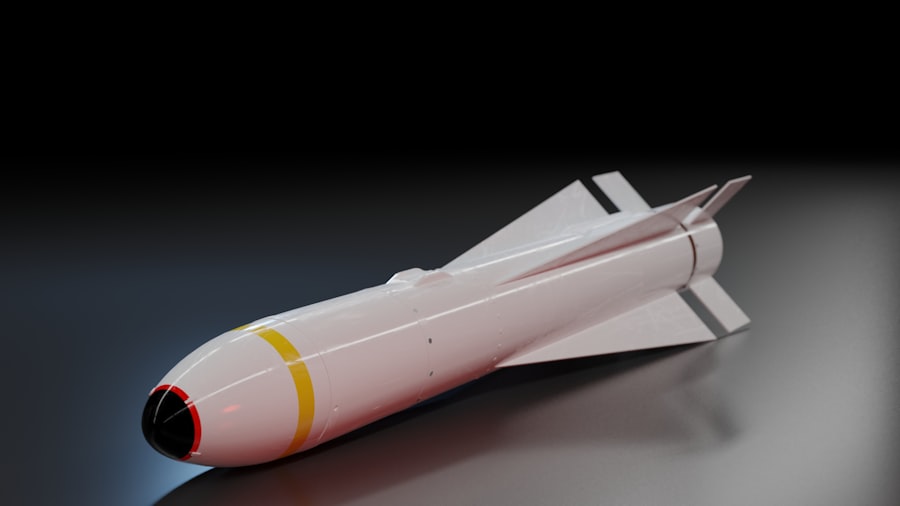
As of late 2023, several nations have made significant strides in developing hypersonic technology for military applications. The United States, Russia, and China are at the forefront of this technological race, each pursuing their own hypersonic programs with varying degrees of success. The U.S. has focused on both offensive and defensive hypersonic capabilities, aiming to create systems that can strike targets quickly while also developing defenses against potential hypersonic threats. Russia has claimed to have operational hypersonic weapons, such as the Avangard system, which is designed to deliver nuclear payloads at high speeds and with unpredictable trajectories. Meanwhile, China has been actively testing its DF-ZF hypersonic glide vehicle, which is intended to enhance its strategic deterrent capabilities. The rapid advancements in hypersonic technology by these nations underscore the urgency for others to keep pace, leading to an increasingly competitive and potentially volatile global landscape.
Potential Impact of Hypersonic Nuclear Delivery Systems on Global Security
The introduction of hypersonic nuclear delivery systems could fundamentally alter the dynamics of global security. These systems may shift the balance of power among nations, as countries with advanced hypersonic capabilities could deter adversaries more effectively than those without such technologies. This shift could lead to a re-evaluation of existing military alliances and defense strategies as nations seek to adapt to the new realities posed by hypersonic threats.
Moreover, the proliferation of hypersonic technology could exacerbate tensions between rival states. As countries develop their own hypersonic capabilities in response to perceived threats, an arms race may ensue, increasing the likelihood of miscalculations and conflicts. The potential for rapid escalation in crises involving hypersonic weapons raises significant concerns about global stability and the future of nuclear deterrence.
Challenges and Risks Associated with Hypersonic Nuclear Delivery Systems
| Metric | Description | Typical Value / Range | Unit |
|---|---|---|---|
| Speed | Velocity of hypersonic delivery system during flight | Mach 5 to Mach 20 | Mach (times speed of sound) |
| Range | Maximum operational distance | 1,000 to 10,000 | kilometers |
| Payload Capacity | Weight of nuclear warhead carried | 100 to 500 | kilograms |
| Flight Altitude | Typical cruising altitude during hypersonic flight | 30 to 100 | kilometers |
| Time to Target | Time taken to reach target at maximum range | 10 to 30 | minutes |
| Guidance System | Navigation and targeting technology used | Inertial + GPS + Terrain Contour Matching | N/A |
| Launch Platform | Typical platforms used for deployment | Submarine, Aircraft, Ground-based launcher | N/A |
| Stealth Features | Technologies to reduce detection | Radar Absorbent Materials, Low Radar Cross Section | N/A |
Despite their potential advantages, hypersonic nuclear delivery systems come with a host of challenges and risks that must be carefully considered. One major challenge is the technological complexity involved in developing reliable hypersonic vehicles that can withstand extreme temperatures and pressures during flight. Ensuring the reliability and accuracy of these systems is crucial for maintaining strategic deterrence.
Additionally, the risks associated with hypersonic nuclear delivery systems extend beyond technical challenges. The very nature of these weapons—fast-moving and difficult to track—can lead to heightened tensions between nations. The possibility of misinterpretation or miscommunication during a crisis could result in catastrophic consequences if a nation perceives an incoming hypersonic threat as an imminent attack.
Thus, establishing clear communication channels and confidence-building measures among nations becomes essential in mitigating these risks.
Development and Testing of Hypersonic Nuclear Delivery Systems

The development and testing of hypersonic nuclear delivery systems involve extensive research and experimentation across various domains. Countries engaged in this endeavor invest heavily in advanced materials science, propulsion technologies, and guidance systems to create effective hypersonic vehicles. Testing these systems is a complex process that requires rigorous evaluation under realistic conditions to ensure their operational effectiveness.
In recent years, numerous test flights have been conducted by leading military powers to assess the performance of their hypersonic systems. These tests often involve launching vehicles from ground-based platforms or aircraft and tracking their trajectories using sophisticated radar and satellite systems. The results of these tests provide valuable data that inform further development efforts while also serving as a demonstration of military capability to both domestic audiences and potential adversaries.
Strategic Implications of Hypersonic Nuclear Delivery Systems for Military Powers
The strategic implications of hypersonic nuclear delivery systems are profound for military powers around the world. For nations that successfully develop these capabilities, there is a potential for enhanced deterrence against adversaries who may be less equipped to counter such threats. This could lead to a shift in military strategy, where rapid response capabilities become central to national defense planning.
Conversely, countries that lag behind in hypersonic technology may find themselves at a strategic disadvantage. This disparity could prompt them to reconsider their defense postures or seek alternative means of deterrence, such as bolstering conventional forces or enhancing missile defense systems. The emergence of hypersonic capabilities thus has the potential to reshape military doctrines and alliances as nations navigate this new landscape.
Ethical and Moral Considerations of Hypersonic Nuclear Delivery Systems
The development and potential deployment of hypersonic nuclear delivery systems raise significant ethical and moral questions that warrant careful consideration. The destructive power inherent in nuclear weapons poses profound moral dilemmas regarding their use in warfare. As hypersonic technology enhances the speed and precision of nuclear strikes, it may blur the lines between conventional and nuclear warfare, complicating ethical decision-making in conflict scenarios.
Furthermore, the prospect of rapid escalation due to miscalculations or misunderstandings raises concerns about accountability and responsibility among military leaders. The ethical implications extend beyond immediate military considerations; they also encompass broader societal impacts, including public perceptions of nuclear weapons and their role in national security. Engaging in open discussions about these ethical dilemmas is crucial for fostering a responsible approach to hypersonic nuclear delivery systems.
International Agreements and Regulations on Hypersonic Nuclear Delivery Systems
As nations continue to develop hypersonic nuclear delivery systems, the need for international agreements and regulations becomes increasingly pressing.
The international community must engage in dialogue to establish norms governing the development and deployment of these advanced weapons.
Efforts to create transparency and build trust among nations are essential in mitigating the risks associated with hypersonic nuclear delivery systems. Confidence-building measures, such as information-sharing initiatives or joint exercises, can help reduce tensions and foster cooperation among military powers. Establishing clear guidelines for responsible behavior in this domain will be critical for maintaining global security in an era marked by rapid technological advancements.
Potential Future Developments in Hypersonic Nuclear Delivery Systems
Looking ahead, the future developments in hypersonic nuclear delivery systems are likely to be shaped by ongoing technological advancements and geopolitical dynamics. As research continues into new materials, propulsion methods, and guidance technologies, nations may unveil even more sophisticated hypersonic capabilities that further challenge existing defense paradigms. The race for supremacy in this domain will likely intensify as countries seek to secure their strategic interests.
Moreover, advancements in artificial intelligence and autonomous systems may play a pivotal role in shaping the next generation of hypersonic weapons. Integrating AI into these systems could enhance their decision-making capabilities during flight, allowing for more precise targeting and improved evasion tactics against missile defenses. However, this also raises additional ethical concerns regarding autonomous warfare and the potential for unintended consequences.
The Role of Hypersonic Nuclear Delivery Systems in the Future of Warfare
In conclusion, hypersonic nuclear delivery systems are poised to play a transformative role in the future of warfare. Their unique combination of speed, maneuverability, and destructive power presents both opportunities and challenges for military powers worldwide. As nations navigate this evolving landscape, it is imperative to consider the strategic implications, ethical dilemmas, and risks associated with these advanced technologies.
The development of international agreements and regulations will be crucial in managing the proliferation of hypersonic capabilities while fostering stability among nations.
Hypersonic nuclear delivery systems represent a significant advancement in military technology, offering unprecedented speed and maneuverability that could alter the strategic landscape. For a deeper understanding of the implications and developments surrounding these systems, you can read more in the article available at Real Lore and Order. This resource provides insights into the current state of hypersonic technology and its potential impact on global security dynamics.
WATCH THIS! ☢️ Nuclear War in 2026: The Real Risks, New Weapons & How Close We Are
FAQs
What are hypersonic nuclear delivery systems?
Hypersonic nuclear delivery systems are advanced weapons platforms designed to deliver nuclear warheads at speeds greater than Mach 5 (five times the speed of sound). These systems typically include hypersonic glide vehicles (HGVs) or hypersonic cruise missiles capable of maneuvering at high speeds to evade missile defenses.
How do hypersonic delivery systems differ from traditional ballistic missiles?
Unlike traditional ballistic missiles that follow a predictable parabolic trajectory, hypersonic delivery systems can maneuver during flight at extremely high speeds, making them harder to detect and intercept. This maneuverability and speed enhance their ability to penetrate missile defense systems.
What types of hypersonic nuclear delivery systems currently exist?
There are primarily two types: hypersonic glide vehicles (HGVs), which are launched atop a rocket and then glide through the atmosphere at hypersonic speeds, and hypersonic cruise missiles, which are powered by advanced engines like scramjets to sustain hypersonic flight. Both types can be equipped with nuclear warheads.
Which countries are developing hypersonic nuclear delivery systems?
Several countries, including the United States, Russia, and China, are actively developing hypersonic nuclear delivery systems. Other nations are also researching hypersonic technologies, but these three are currently leading in operational or near-operational capabilities.
What are the strategic advantages of hypersonic nuclear delivery systems?
The main advantages include their high speed, maneuverability, and low flight altitude, which make them difficult to detect and intercept. This enhances their ability to penetrate missile defense systems and deliver nuclear payloads with greater certainty and reduced warning times.
Are hypersonic nuclear delivery systems considered destabilizing to global security?
Many experts and policymakers express concern that hypersonic nuclear delivery systems could destabilize strategic stability by undermining existing missile defenses and reducing the time available for decision-making during a nuclear crisis, potentially increasing the risk of miscalculation.
How do hypersonic nuclear delivery systems impact arms control agreements?
Hypersonic weapons pose challenges to existing arms control frameworks, which were primarily designed around traditional ballistic and cruise missile technologies. Their development has prompted discussions about updating or creating new agreements to address these emerging capabilities.
What technologies enable hypersonic nuclear delivery systems?
Key enabling technologies include advanced propulsion systems such as scramjet engines, heat-resistant materials to withstand extreme temperatures, guidance and navigation systems capable of high-speed maneuvering, and miniaturized nuclear warheads compatible with hypersonic platforms.
Can hypersonic nuclear delivery systems be intercepted?
Currently, intercepting hypersonic delivery systems is extremely challenging due to their speed, maneuverability, and low-altitude flight paths. However, research and development efforts are ongoing to improve detection and interception capabilities against these threats.
What is the current status of hypersonic nuclear delivery systems deployment?
As of now, some countries have tested and are in the process of deploying hypersonic nuclear delivery systems, while others remain in the research and development phase. Operational deployment varies by country and system type, with ongoing advancements expected in the near future.