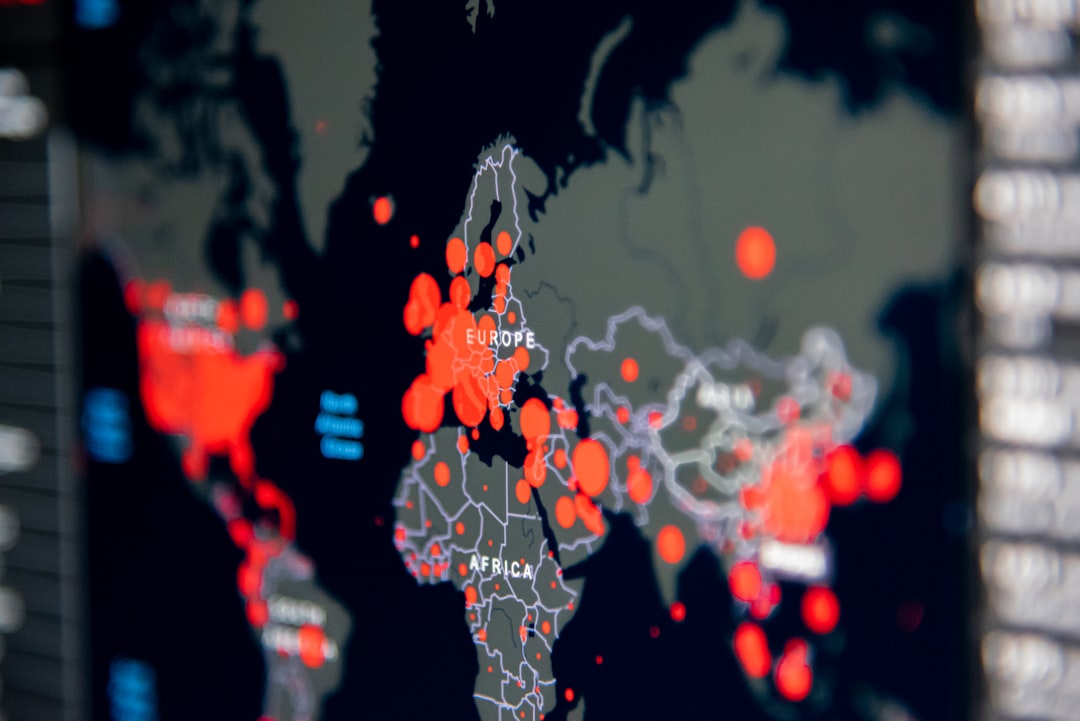
Nuclear facilities face significant cybersecurity risks that require careful management. As countries upgrade their nuclear arsenals and infrastructure, cyberattacks on these systems have become increasingly possible. Threats range from attempts to steal classified information to attacks designed to disrupt reactor operations.
Such incidents could compromise national security and destabilize international relations. Many nuclear facilities operate with aging infrastructure that predates modern cybersecurity concerns.
Additionally, the integration of newer technologies and Internet of Things (IoT) devices within nuclear facilities has expanded potential access points for attackers. Addressing these risks requires sustained investment in security measures, system upgrades, and continuous monitoring of facility networks.
Key Takeaways
- Nuclear facilities face significant cyber vulnerabilities that could lead to catastrophic consequences if exploited.
- Both state and non-state actors pose serious threats through cyber attacks targeting nuclear infrastructure.
- Historical incidents highlight the reality and potential impact of cyber attacks on nuclear systems.
- Strengthening cybersecurity measures and international cooperation are critical to preventing nuclear cyber threats.
- Ongoing policy integration and proactive strategies are essential to address evolving nuclear cyber risks.
Historical Examples of Nuclear Cyber Attacks
Historical examples of nuclear cyber attacks provide critical insights into the vulnerabilities that exist within nuclear infrastructure. One notable incident occurred in 2010 when the Stuxnet worm was discovered, targeting Iran’s Natanz facility. This sophisticated piece of malware was designed to disrupt the centrifuges used for uranium enrichment, ultimately delaying Iran’s nuclear program.
Stuxnet marked a significant turning point in the realm of cyber warfare, demonstrating that cyber tools could be employed to achieve strategic objectives in the nuclear domain. The implications of this attack reverberated throughout the international community, highlighting the potential for cyber operations to influence geopolitical dynamics. Another significant example is the 2017 cyberattack on the Ukrainian power grid, which, while not directly targeting nuclear facilities, underscored the vulnerabilities inherent in critical infrastructure.
The attack resulted in widespread power outages and demonstrated how cyber intrusions could have cascading effects on essential services. The lessons learned from such incidents emphasize the need for heightened vigilance and preparedness within nuclear facilities, as similar tactics could easily be adapted to target nuclear systems. These historical precedents serve as stark reminders of the potential consequences of cyber threats in the nuclear arena. The documentary provides a detailed analysis of the potential consequences of nuclear war on global security.
Vulnerabilities in Nuclear Infrastructure
Nuclear infrastructure is characterized by its complexity and reliance on a myriad of interconnected systems, which can create vulnerabilities that malicious actors may exploit. Many nuclear facilities still operate on legacy systems that were developed before the advent of modern cybersecurity practices. These outdated systems often lack adequate security measures, making them prime targets for cyberattacks.
Additionally, the integration of digital technologies into operational processes has introduced new risks, as these technologies may not have been designed with security as a primary consideration. Moreover, human factors play a significant role in the vulnerabilities of nuclear infrastructure. Insider threats, whether intentional or accidental, can pose substantial risks to security.
Employees with access to sensitive systems may inadvertently introduce malware or fall victim to phishing attacks, compromising the integrity of critical operations. Furthermore, inadequate training and awareness regarding cybersecurity best practices can exacerbate these vulnerabilities. As such, addressing both technological and human factors is essential for enhancing the resilience of nuclear facilities against cyber threats.
The Role of State Actors in Nuclear Cyber Threats
State actors play a pivotal role in shaping the landscape of nuclear cyber threats. Many nations view cyber capabilities as an integral component of their national defense strategies, particularly concerning their nuclear arsenals. Countries such as North Korea and Iran have been implicated in cyber operations aimed at advancing their nuclear ambitions or undermining adversaries’ capabilities.
These state-sponsored activities often involve sophisticated techniques and resources that far exceed those available to non-state actors. The motivations behind state-sponsored cyber threats can vary widely, ranging from geopolitical maneuvering to deterrence strategies. For instance, a state may seek to demonstrate its technological prowess or retaliate against perceived aggressions by targeting an adversary’s nuclear infrastructure.
The potential for escalation in such scenarios is significant, as cyberattacks can lead to miscalculations and unintended consequences. Consequently, understanding the role of state actors in nuclear cyber threats is crucial for developing effective countermeasures and fostering international dialogue on cybersecurity norms.
Non-State Actors and the Nuclear Cyber Threat
| Metric | Description | Current Status | Trend | Impact Level |
|---|---|---|---|---|
| Number of Detected Cyber Attacks | Count of cyber attacks targeting nuclear facilities in the past year | 45 | Increasing | High |
| Successful Intrusions | Number of cyber intrusions that bypassed security controls | 3 | Stable | Critical |
| Average Time to Detect | Average duration (in hours) to detect a cyber threat | 12 | Decreasing | Medium |
| Patch Management Compliance | Percentage of nuclear systems with up-to-date security patches | 87% | Improving | Medium |
| Insider Threat Incidents | Number of cyber incidents caused by internal actors | 2 | Stable | High |
| Phishing Attack Attempts | Number of phishing attempts targeting nuclear personnel | 120 | Increasing | Medium |
| Cybersecurity Training Completion | Percentage of staff completing nuclear cyber threat training | 92% | Improving | Low |
| Use of AI-based Threat Detection | Percentage of nuclear facilities employing AI for cyber threat detection | 65% | Increasing | Medium |
While state actors are often at the forefront of discussions surrounding nuclear cyber threats, non-state actors also pose a considerable risk. Terrorist organizations and hacktivist groups may seek to exploit vulnerabilities within nuclear infrastructure for various reasons, including ideological motivations or financial gain. The potential for non-state actors to acquire sophisticated cyber capabilities has increased with the proliferation of hacking tools and knowledge available on the dark web.
The motivations of non-state actors can be diverse and unpredictable. For instance, a terrorist group may aim to instill fear by targeting a nuclear facility, while a hacktivist group might seek to draw attention to perceived injustices associated with nuclear energy or weapons programs.
This unpredictability underscores the need for comprehensive threat assessments that account for both state and non-state actors in the context of nuclear cybersecurity.
Cybersecurity Measures for Nuclear Facilities

To safeguard against the growing nuclear cyber threat, it is imperative for nuclear facilities to implement robust cybersecurity measures tailored to their unique operational environments. A multi-layered approach is essential, encompassing both technological solutions and organizational practices. This includes regular vulnerability assessments and penetration testing to identify weaknesses within systems before they can be exploited by malicious actors.
Moreover, investing in advanced cybersecurity technologies such as intrusion detection systems (IDS) and firewalls can enhance the resilience of nuclear facilities against cyberattacks. Additionally, fostering a culture of cybersecurity awareness among employees is crucial; regular training sessions can equip staff with the knowledge needed to recognize potential threats and respond effectively. By prioritizing cybersecurity as an integral component of operational protocols, nuclear facilities can significantly reduce their vulnerability to cyber threats.
International Cooperation in Addressing the Nuclear Cyber Threat
Addressing the nuclear cyber threat necessitates international cooperation and collaboration among nations. Given the global nature of cyberspace and the interconnectedness of critical infrastructure, no single country can effectively tackle these challenges in isolation. Collaborative efforts can take various forms, including information sharing on emerging threats, joint exercises simulating cyber incidents, and establishing common standards for cybersecurity practices within nuclear facilities.
International organizations such as the International Atomic Energy Agency (IAEA) play a vital role in facilitating dialogue and cooperation among member states regarding cybersecurity in the nuclear sector. By promoting best practices and providing guidance on risk management strategies, these organizations can help enhance global resilience against nuclear cyber threats. Furthermore, fostering partnerships between governments, private sector entities, and academia can lead to innovative solutions and a more comprehensive understanding of the evolving threat landscape.
Potential Consequences of a Nuclear Cyber Attack
The potential consequences of a successful nuclear cyber attack are dire and far-reaching. A breach that compromises critical systems within a nuclear facility could lead to catastrophic outcomes, including reactor meltdowns or unauthorized releases of radioactive materials. Such incidents would not only endanger public safety but could also have devastating environmental impacts that extend beyond national borders.
Moreover, the psychological effects of a nuclear cyber attack could be profound, instilling fear and eroding public trust in governmental institutions responsible for ensuring safety and security. The geopolitical ramifications could also be significant; an attack on one nation’s nuclear infrastructure could prompt retaliatory measures or escalate tensions between rival states. As such, understanding and mitigating these potential consequences is paramount for policymakers and security experts alike.
The Intersection of Nuclear and Cyber Policy
The intersection of nuclear and cyber policy presents unique challenges for governments seeking to navigate an increasingly complex security landscape. As nations grapple with the implications of emerging technologies on their nuclear arsenals, it becomes essential to integrate cybersecurity considerations into broader nuclear policy frameworks. This includes addressing issues such as deterrence strategies in cyberspace and establishing norms governing state behavior in relation to cyber operations targeting critical infrastructure.
Furthermore, policymakers must consider how advancements in artificial intelligence (AI) and machine learning may impact both nuclear strategy and cybersecurity efforts. The potential for AI-driven decision-making processes raises questions about accountability and oversight in high-stakes scenarios involving nuclear weapons systems. As such, fostering interdisciplinary dialogue among experts in both fields is crucial for developing comprehensive policies that address these interconnected challenges.
Future Trends in Nuclear Cyber Threats
As technology continues to evolve at an unprecedented pace, future trends in nuclear cyber threats are likely to reflect these changes. The increasing sophistication of cyber tools will enable both state and non-state actors to launch more targeted and disruptive attacks on critical infrastructure. Additionally, advancements in quantum computing may pose new challenges for encryption methods currently used to protect sensitive information within nuclear facilities.
Moreover, as nations continue to develop autonomous systems for military applications, including those related to nuclear capabilities, concerns about cybersecurity will become even more pronounced. The potential for autonomous weapons systems to be compromised by cyberattacks raises ethical questions about accountability and decision-making in conflict scenarios involving nuclear weapons. As such, staying ahead of these trends will require ongoing research and collaboration among experts across various disciplines.
Recommendations for Mitigating the Nuclear Cyber Threat
To effectively mitigate the nuclear cyber threat, several key recommendations should be considered by policymakers and industry leaders alike. First and foremost, investing in comprehensive cybersecurity training programs for personnel at all levels within nuclear facilities is essential. By fostering a culture of awareness and vigilance regarding cybersecurity risks, organizations can empower employees to act as frontline defenders against potential threats.
Additionally, establishing robust incident response plans that outline clear protocols for addressing cyber incidents is crucial for minimizing damage in the event of an attack. Regularly testing these plans through simulations can help ensure preparedness and identify areas for improvement. Furthermore, promoting international collaboration on cybersecurity standards specific to the nuclear sector can enhance global resilience against shared threats.
In conclusion, addressing the multifaceted challenges posed by nuclear cyber threats requires a concerted effort from governments, industry stakeholders, and international organizations alike. By prioritizing cybersecurity measures within nuclear facilities and fostering collaboration across borders, it is possible to enhance resilience against this evolving threat landscape while safeguarding public safety and global stability.
In the realm of nuclear cyber threat analysis, understanding the potential vulnerabilities in critical infrastructure is essential. A related article that delves into these issues can be found at this link, where it discusses the implications of cyber threats on nuclear facilities and the measures that can be taken to mitigate these risks.
WATCH THIS! ☢️ Nuclear War in 2026: The Real Risks, New Weapons & How Close We Are
FAQs
What is a nuclear cyber threat?
A nuclear cyber threat refers to the risk of cyberattacks targeting nuclear facilities, systems, or infrastructure. These threats can involve hacking, malware, or other cyber techniques aimed at disrupting, damaging, or gaining unauthorized access to nuclear operations.
Why is nuclear cyber threat analysis important?
Nuclear cyber threat analysis is crucial to identify vulnerabilities in nuclear systems, assess potential risks, and develop strategies to protect critical infrastructure from cyberattacks. It helps ensure the safety, security, and reliability of nuclear facilities.
What types of nuclear facilities are vulnerable to cyber threats?
Nuclear power plants, research reactors, nuclear weapons facilities, and nuclear material storage sites are all potential targets for cyber threats. Any facility that relies on digital control systems or networks can be vulnerable.
What are common methods used in nuclear cyberattacks?
Common methods include malware infections, phishing attacks, ransomware, denial-of-service attacks, and exploitation of software vulnerabilities. Attackers may also use insider threats or social engineering to gain access.
Who are the typical perpetrators of nuclear cyber threats?
Perpetrators can include nation-state actors, terrorist groups, hacktivists, or criminal organizations. Nation-states are often considered the most capable and motivated actors due to the strategic importance of nuclear assets.
How can nuclear facilities defend against cyber threats?
Defenses include implementing robust cybersecurity protocols, regular system audits, employee training, network segmentation, intrusion detection systems, and collaboration with government cybersecurity agencies.
Have there been any known cyberattacks on nuclear facilities?
Yes, there have been reported incidents such as the Stuxnet worm attack in 2010, which targeted Iran’s nuclear centrifuges. This highlighted the potential for cyberattacks to cause physical damage to nuclear infrastructure.
What role do international organizations play in nuclear cyber threat analysis?
Organizations like the International Atomic Energy Agency (IAEA) provide guidelines, share best practices, and facilitate cooperation among countries to enhance cybersecurity in the nuclear sector.
How does nuclear cyber threat analysis impact national security?
Effective analysis helps prevent cyberattacks that could lead to nuclear accidents, theft of sensitive information, or disruption of critical infrastructure, thereby protecting national security and public safety.
What future challenges exist in combating nuclear cyber threats?
Challenges include evolving cyberattack techniques, increasing digitalization of nuclear systems, insider threats, and the need for international cooperation to address cross-border cyber risks.